
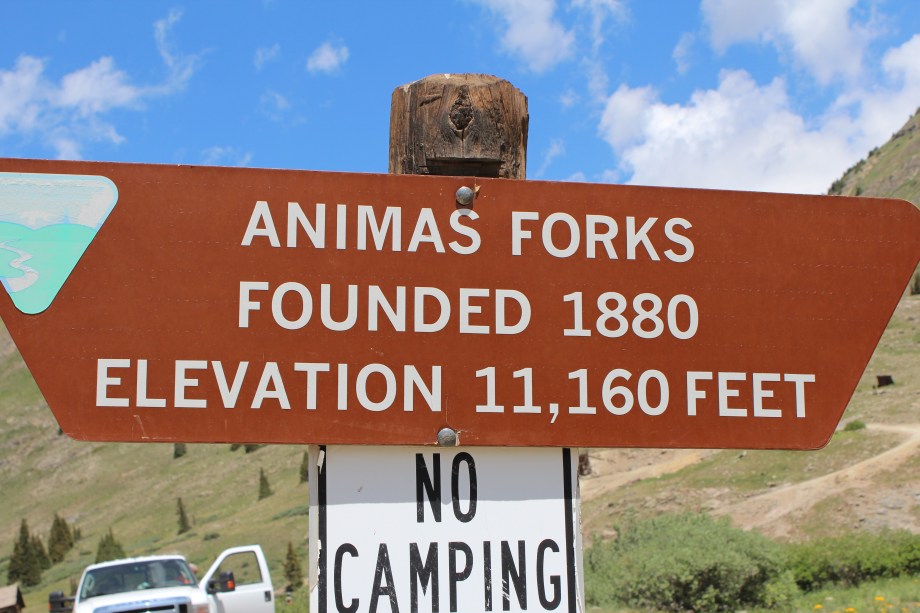
Part FIVE?! For the love of spit, how many weeks’ worth of ThrowBack Thursdays is it going to take to document this one trip?! Well, let’s see here…glancing through the remaining virtual pile o’ photos…it looks like there will be a Part Eight. But let’s not get ahead of ourselves. In the previous installment of Leftover Colorado, we explored three ghost towns to the northWEST of Silverton, Colorado. This week, we’ll explore three ghost towns to the northEAST of Silverton, Colorado. On this beautiful July 2nd, I decided to start by driving all the way up to the third town, then explore the other two on the way back down to Silverton. This third town was known as Animas Forks. If you can believe it (and even if you can’t), this town was 1,000 feet higher in altitude than Tincup. Here’s my proof:
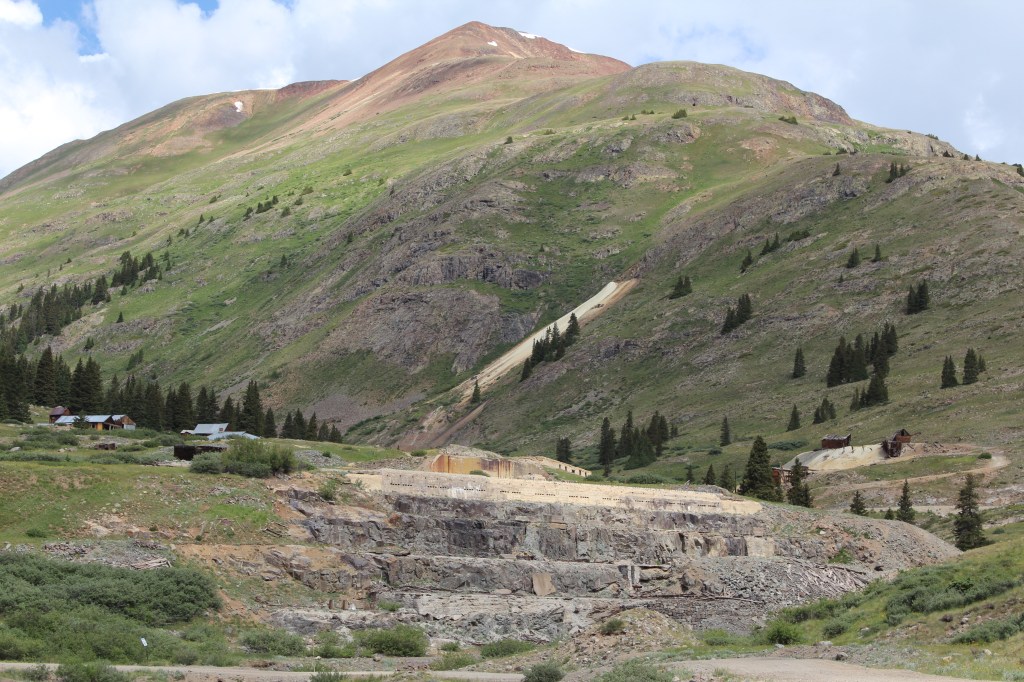
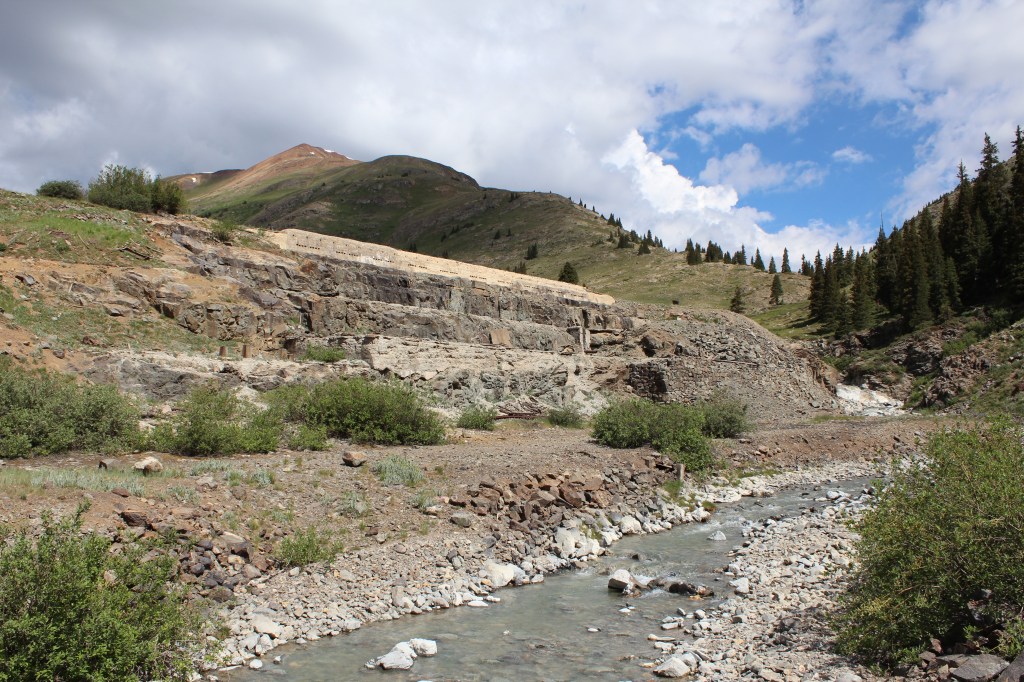
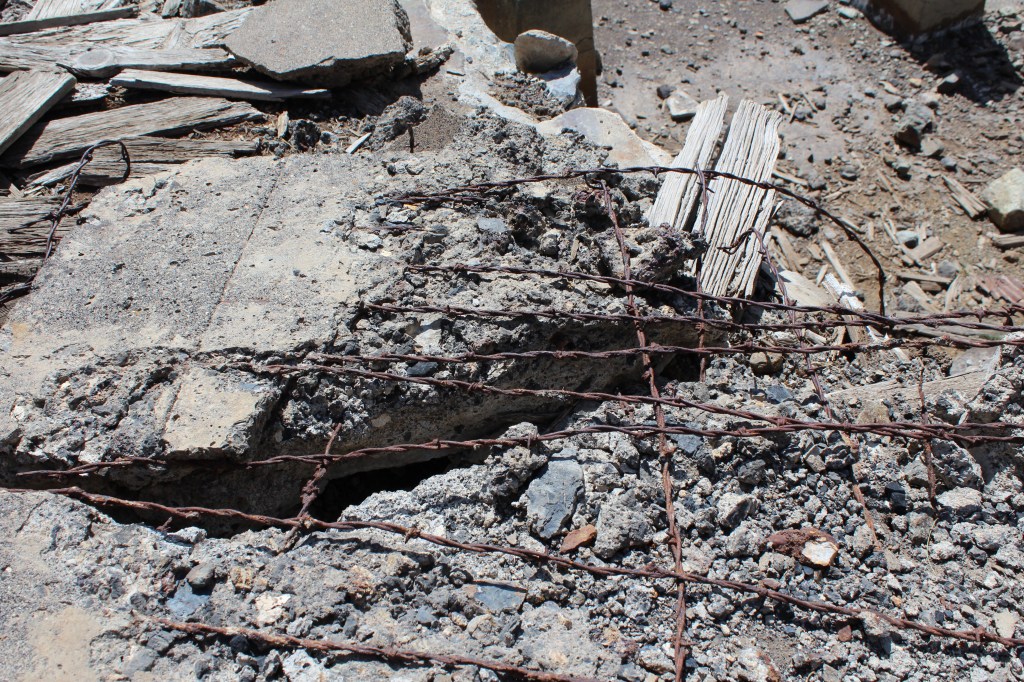
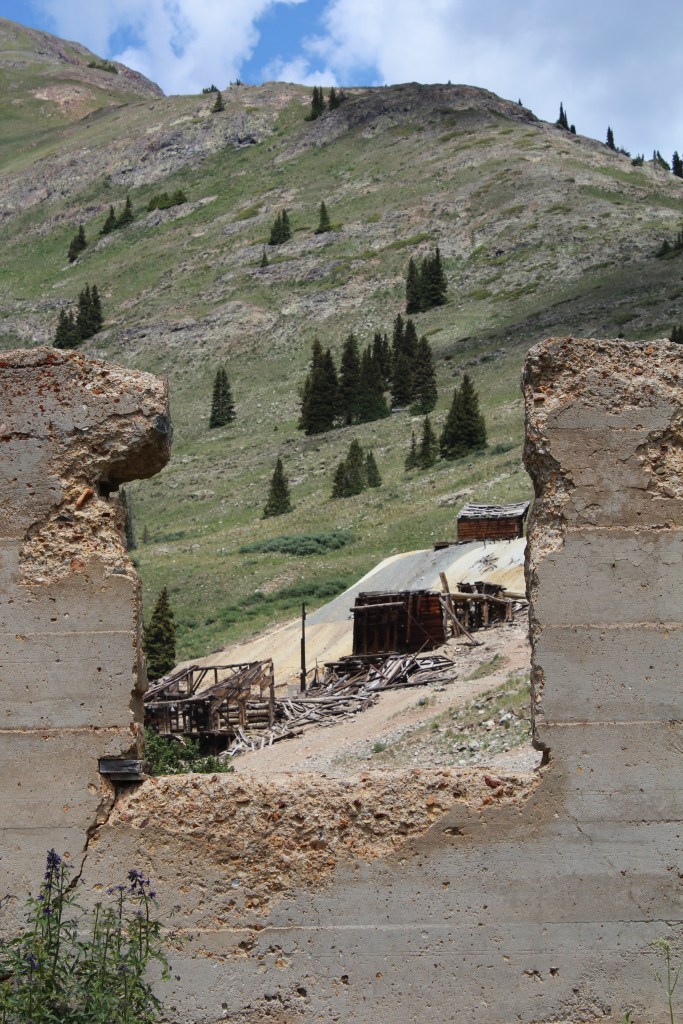
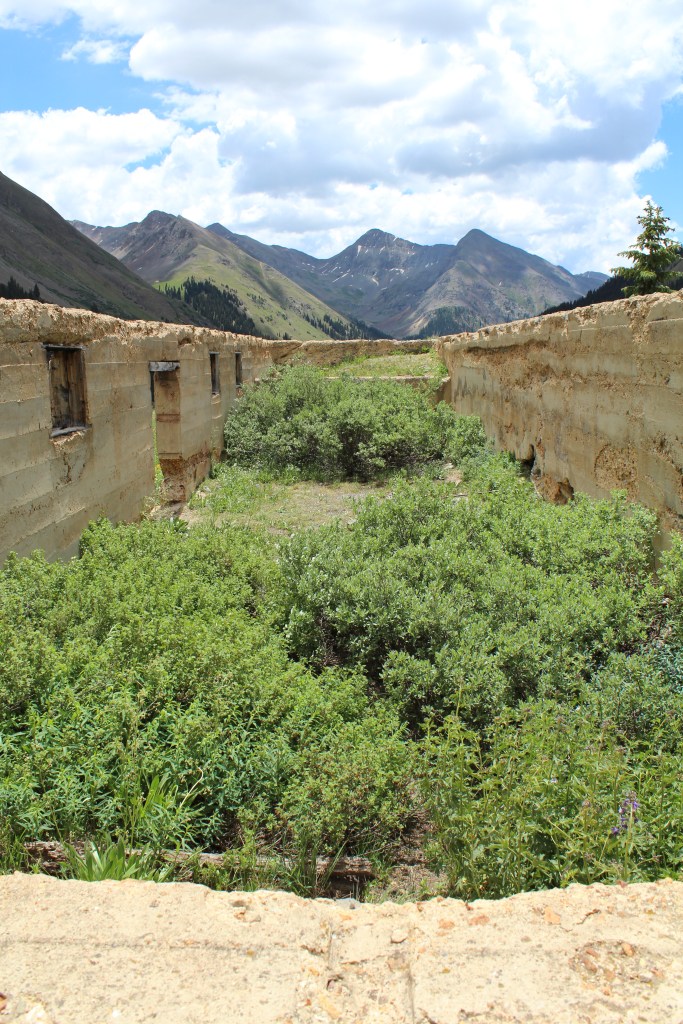
I parked just as I entered town, at the foundations of a long defunct mill. According to Google Earth, this was the Gold Prince Mill. According to the book Ghost Towns of Colorado by Philip Varney, this mill was built in 1904 and only operated until 1910. Come on! Let’s explore what’s left of it…



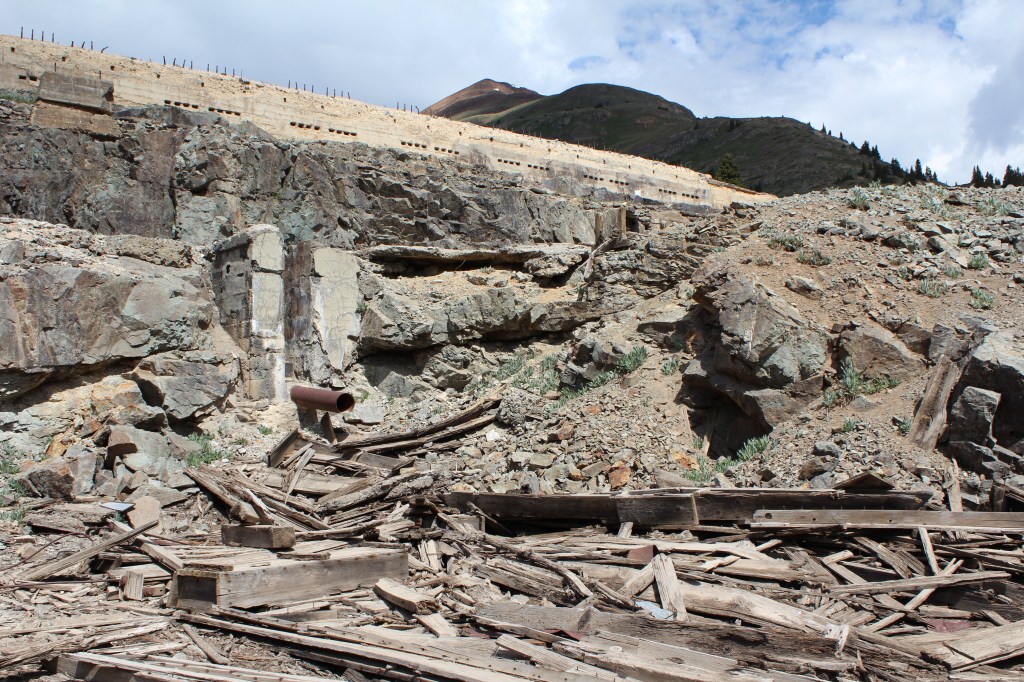
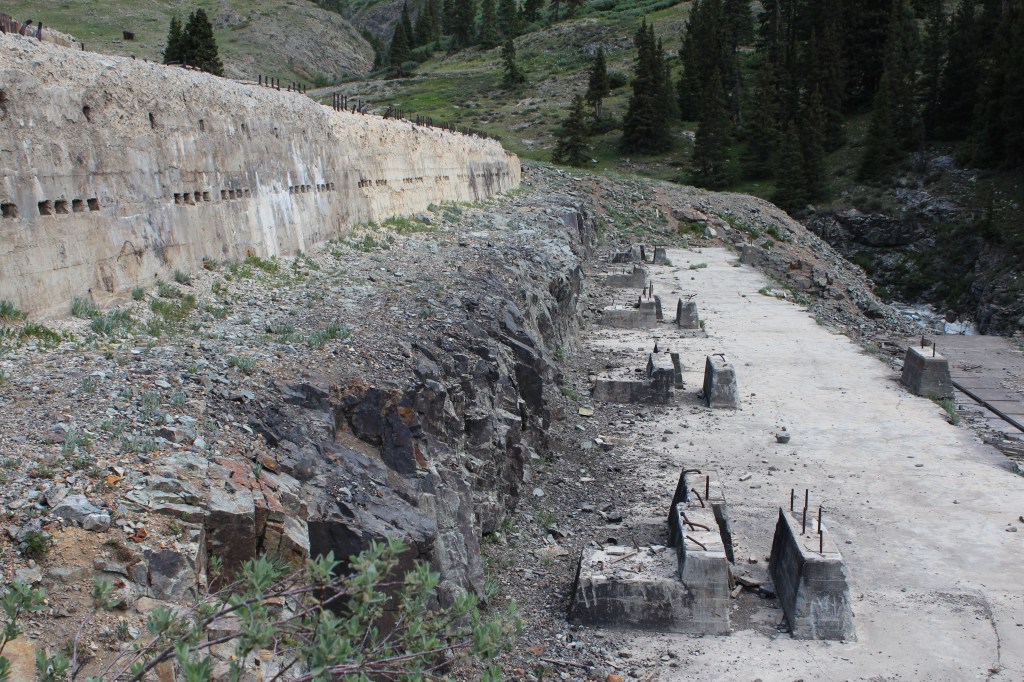
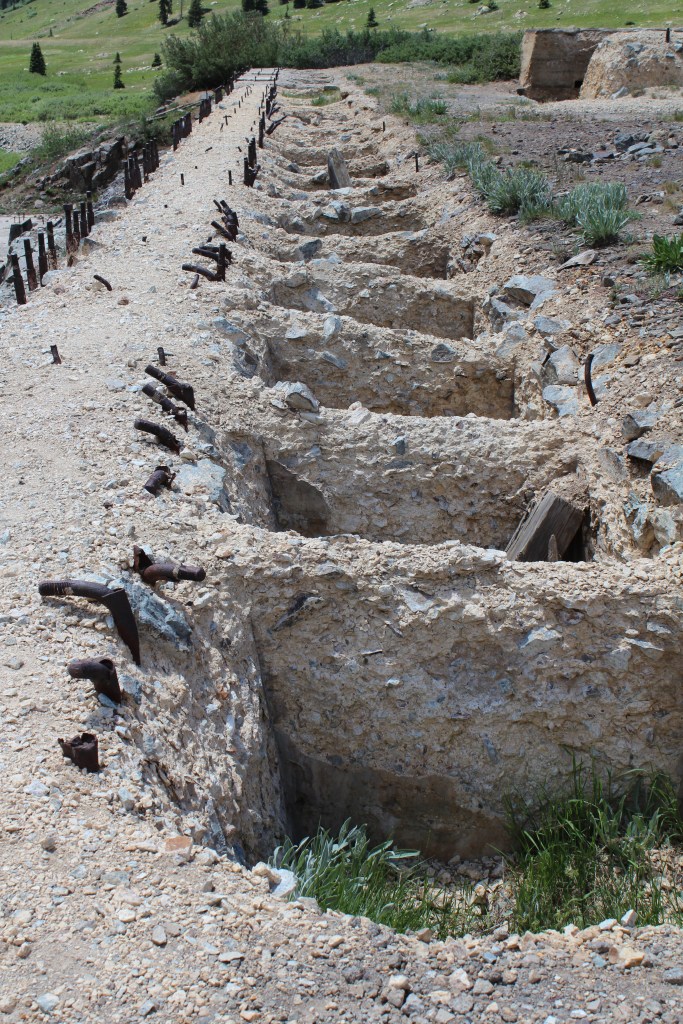

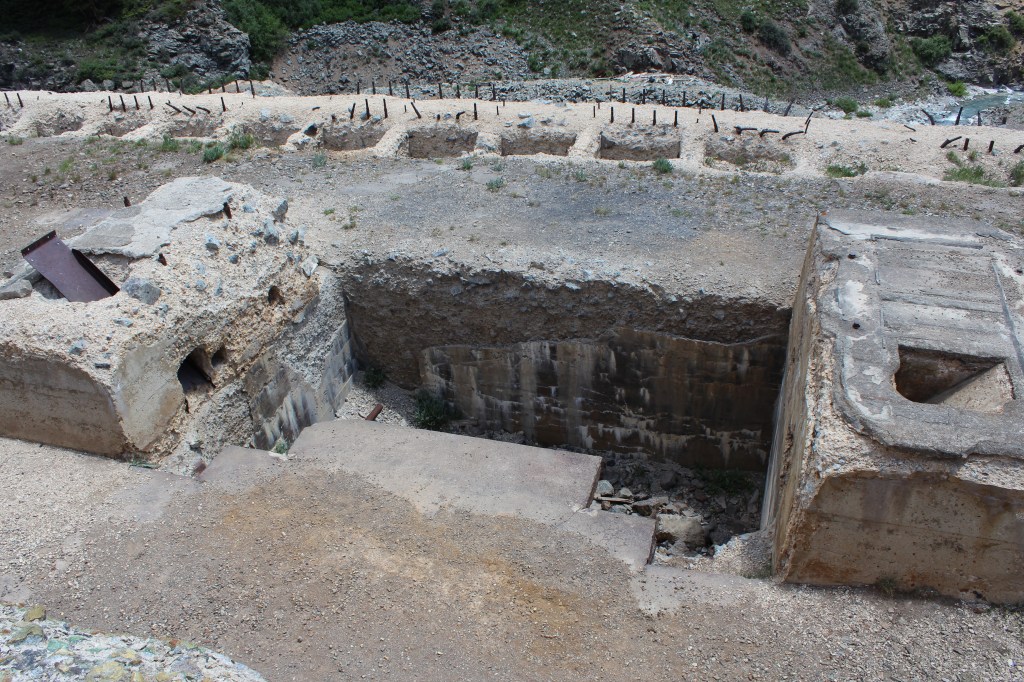

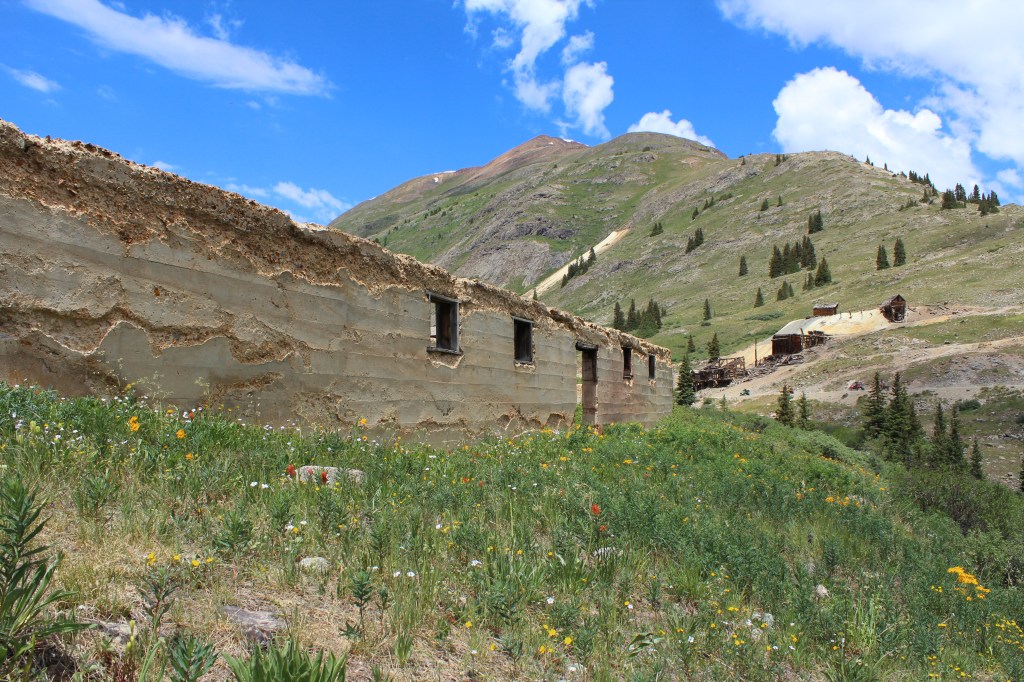
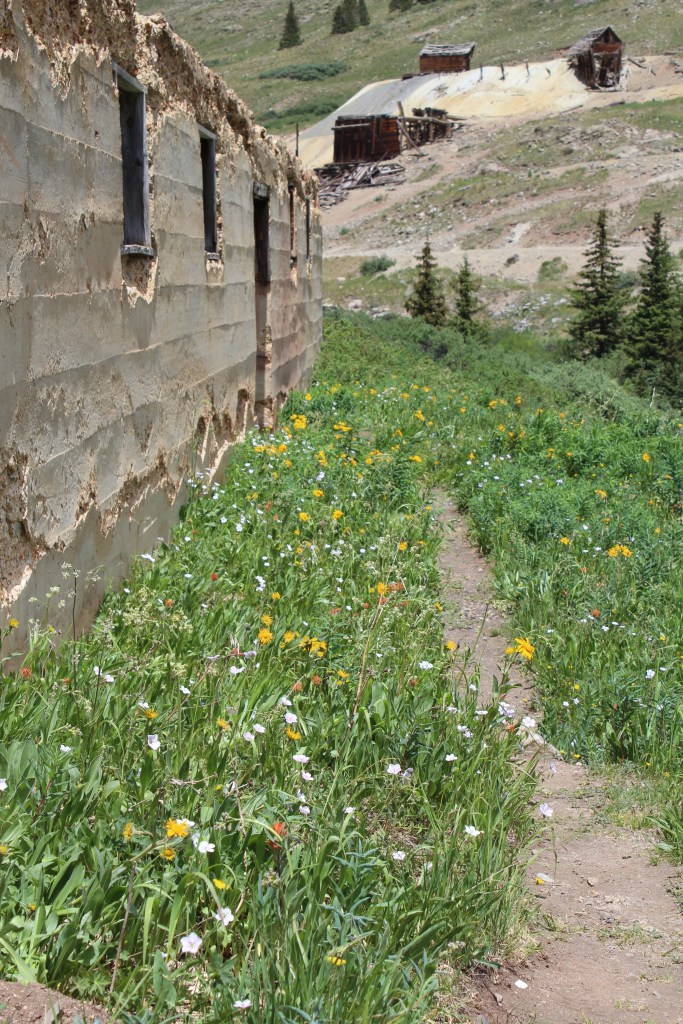
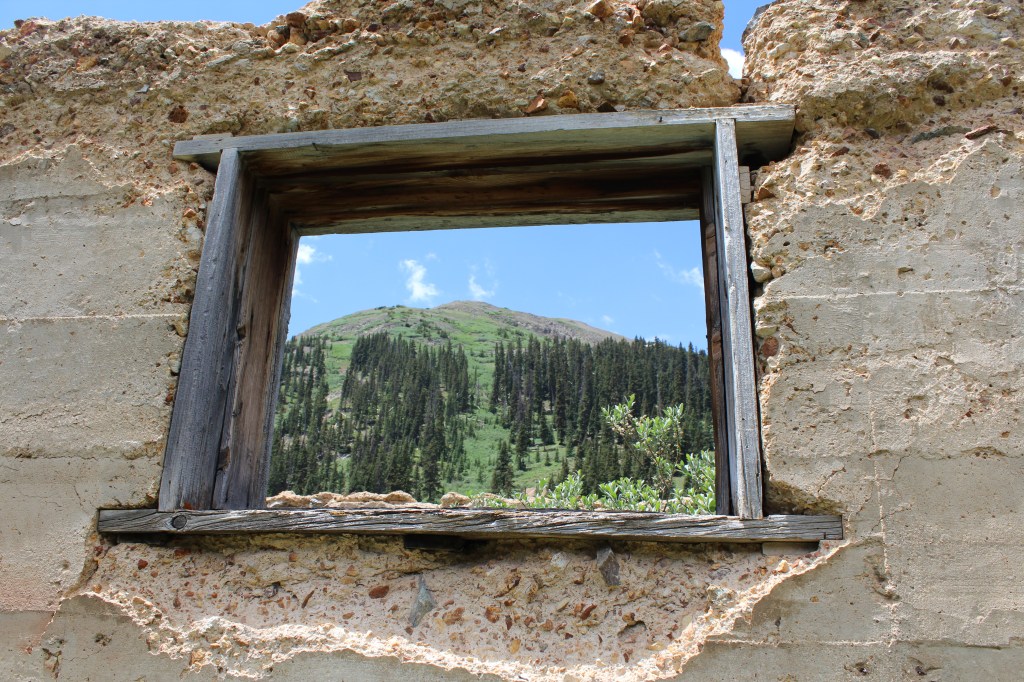
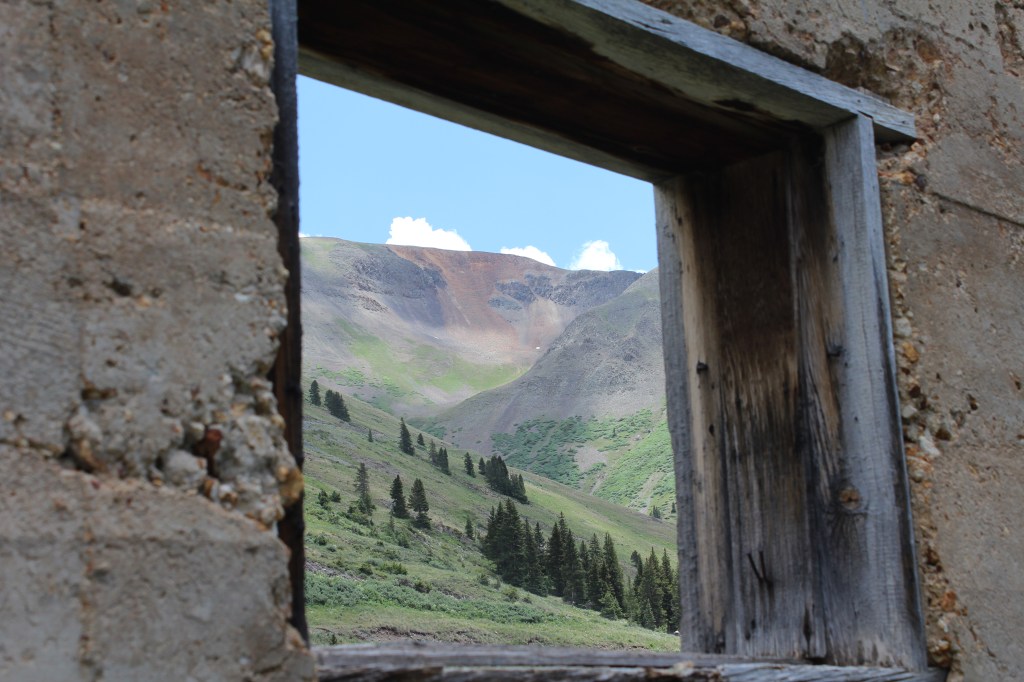
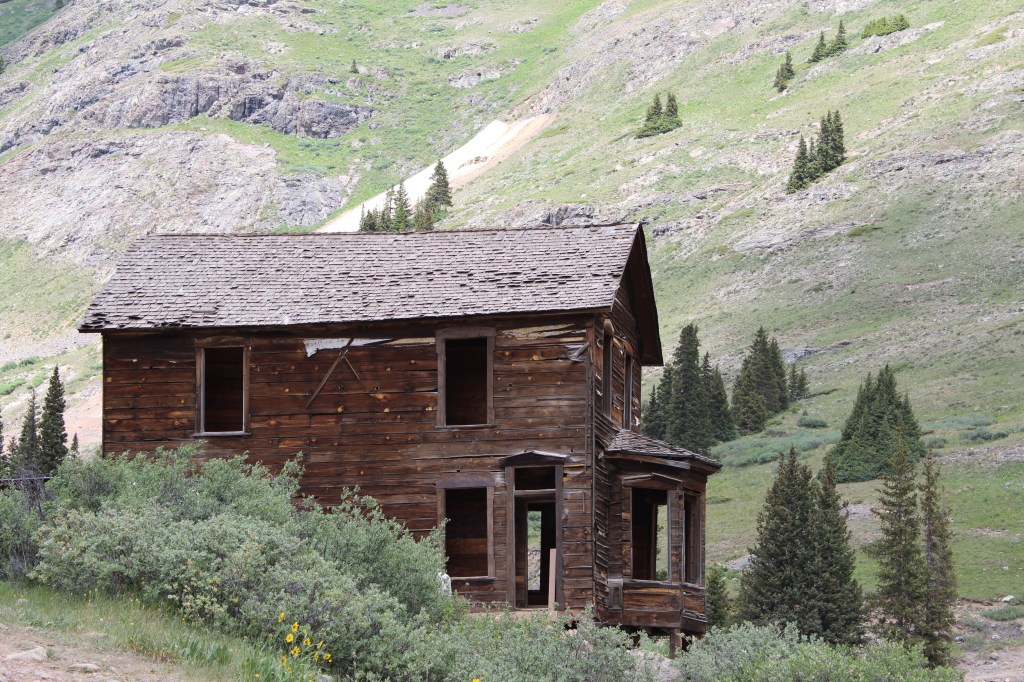
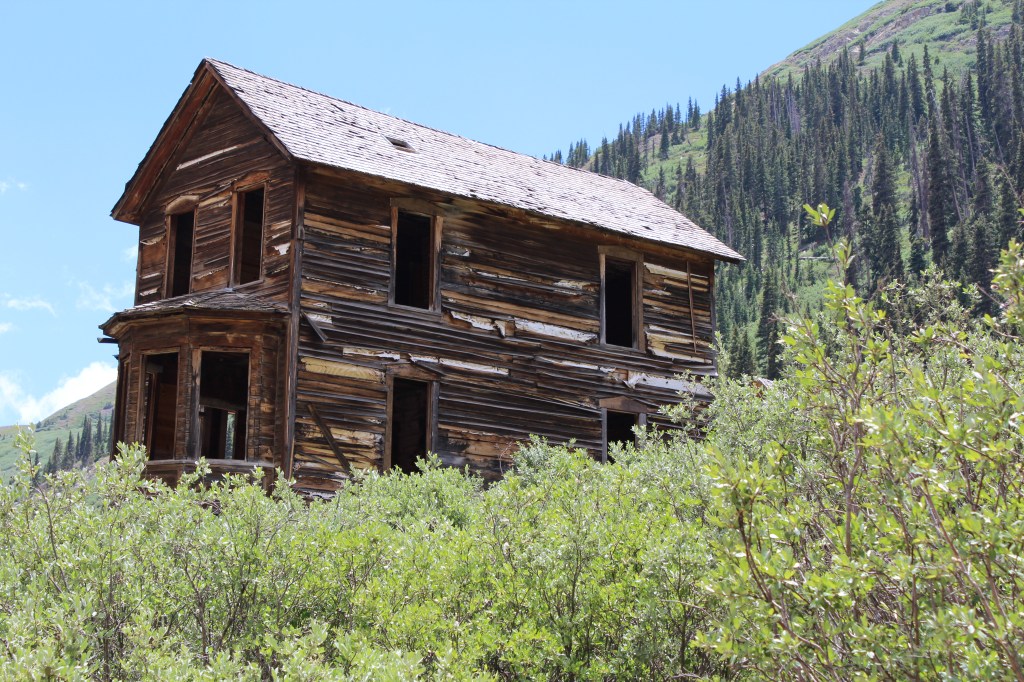
There are about a half dozen houses still standing in Animas Forks. The Duncan House is the most photogenic of them. I don’t think Sandy ever lived there, though.
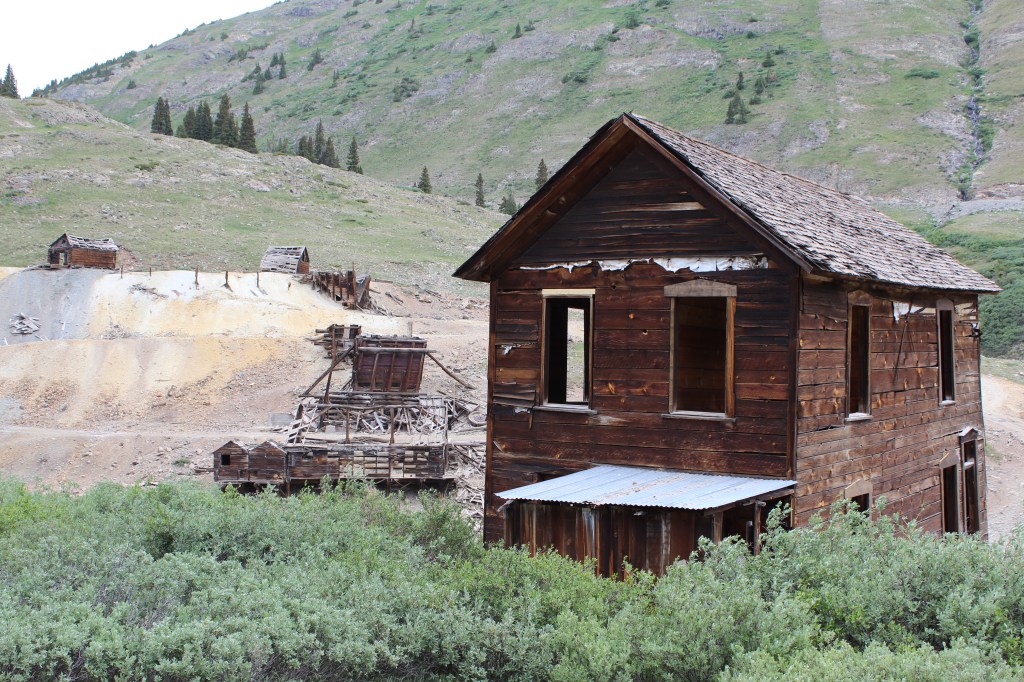
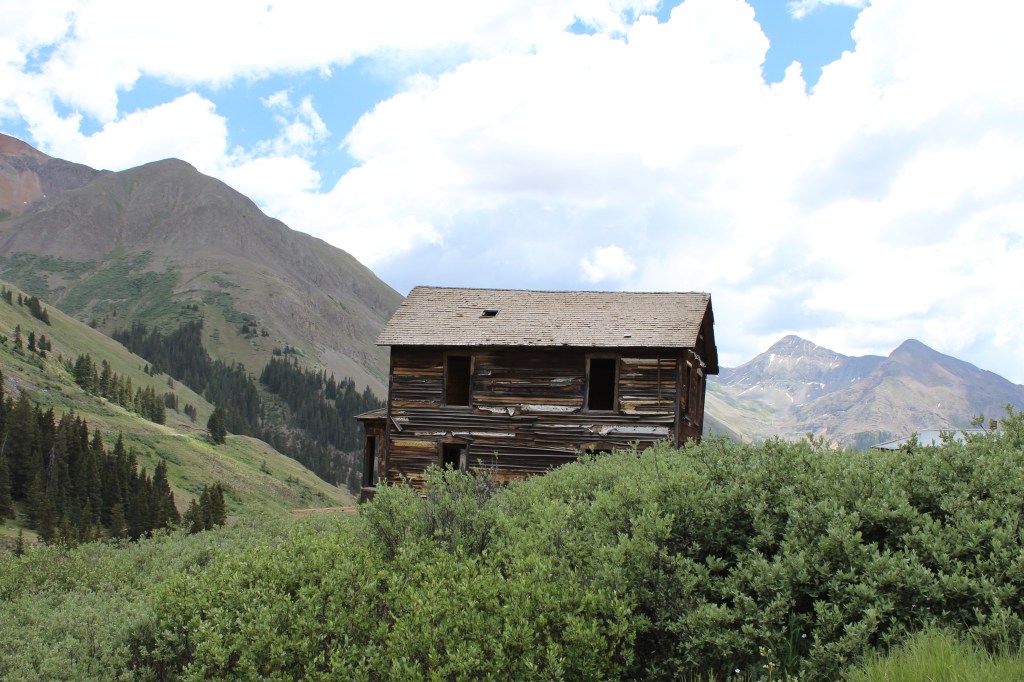
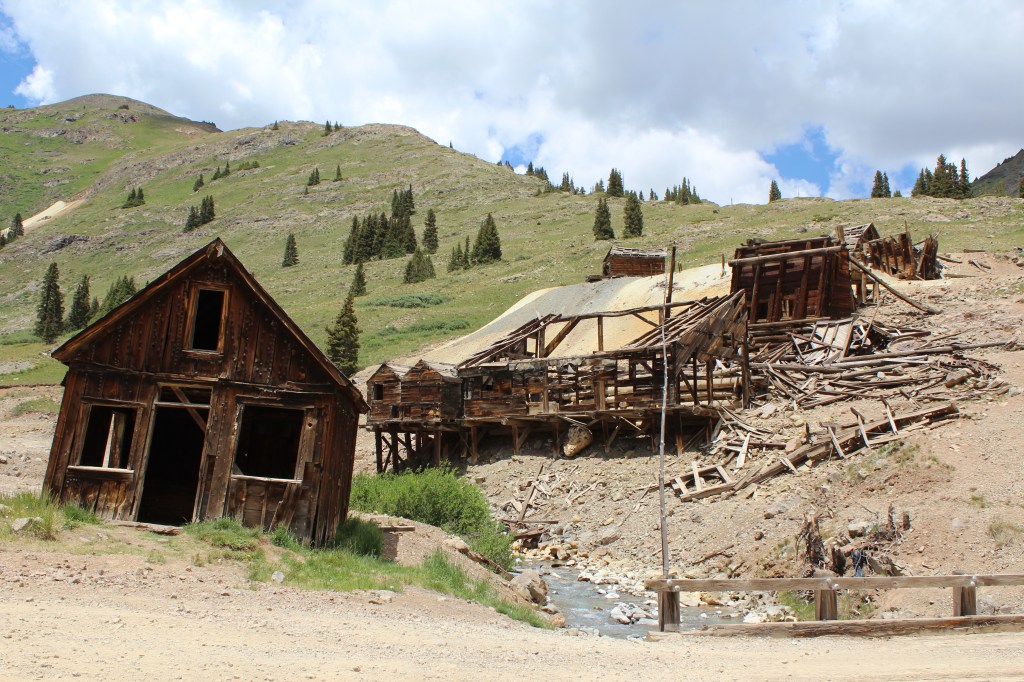
The industrial complex that’s practically right next to the Duncan House was the Columbus Mine and Mill. This place is perfectly perched to provide premium pictures, pal. Please proceed…
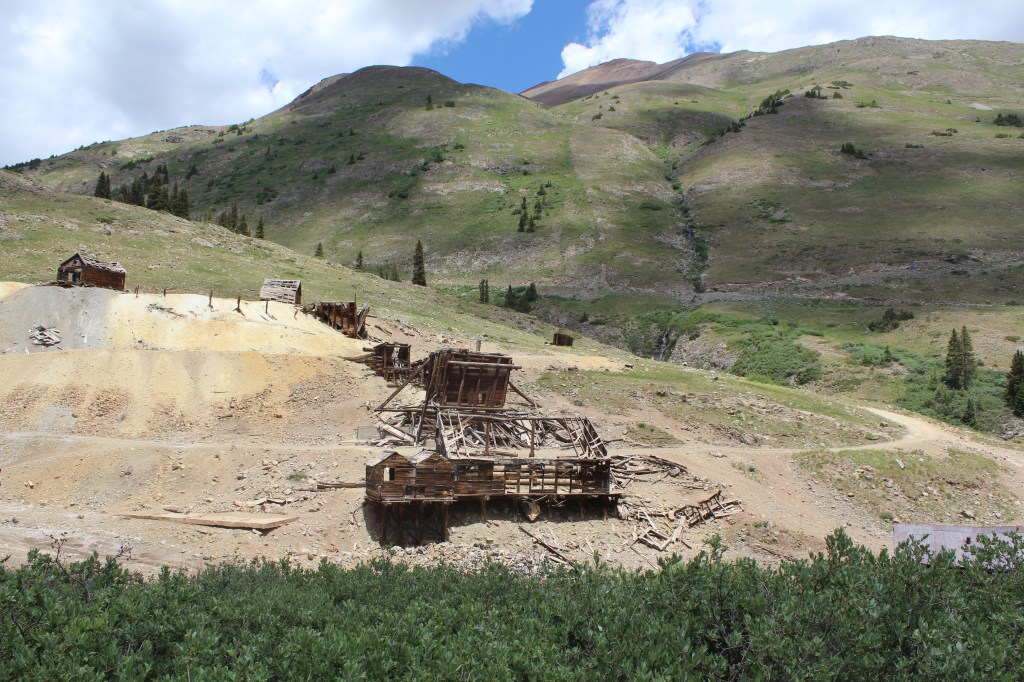
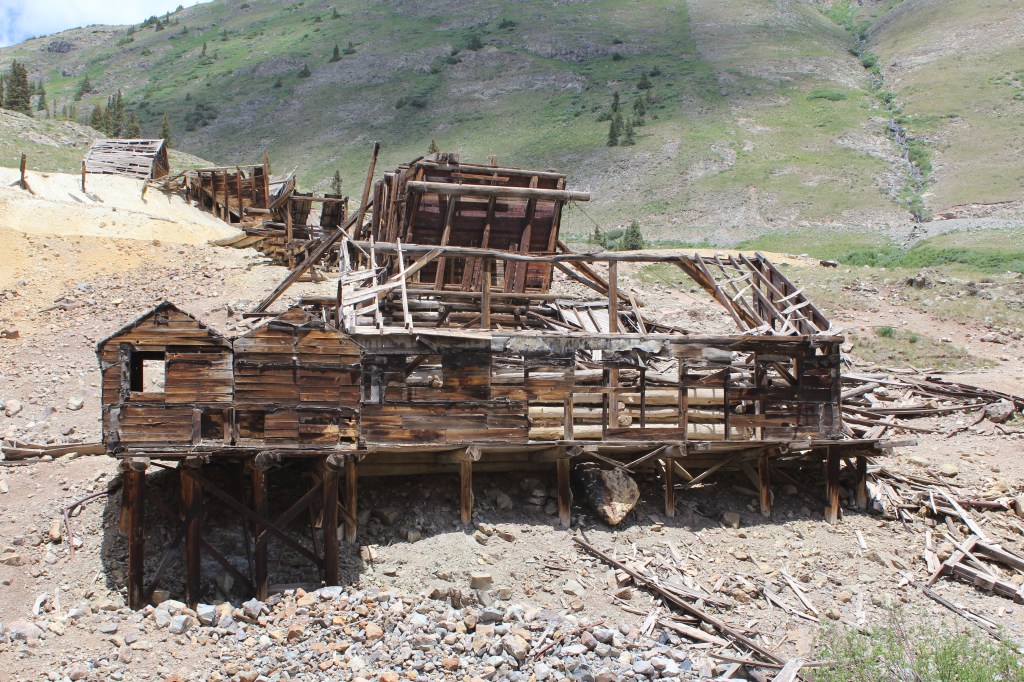
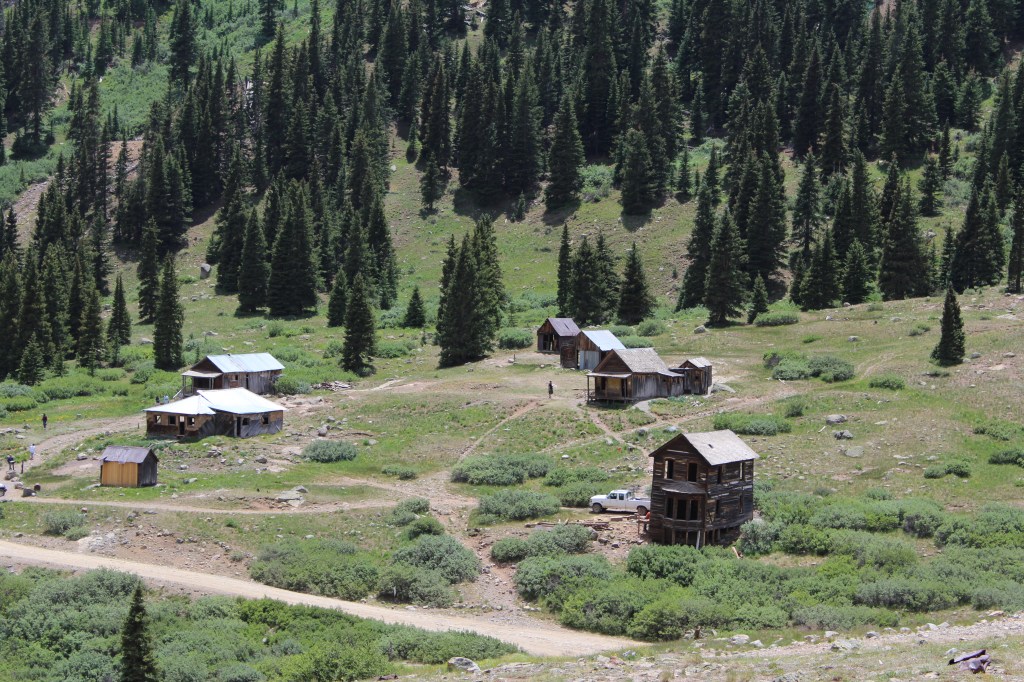
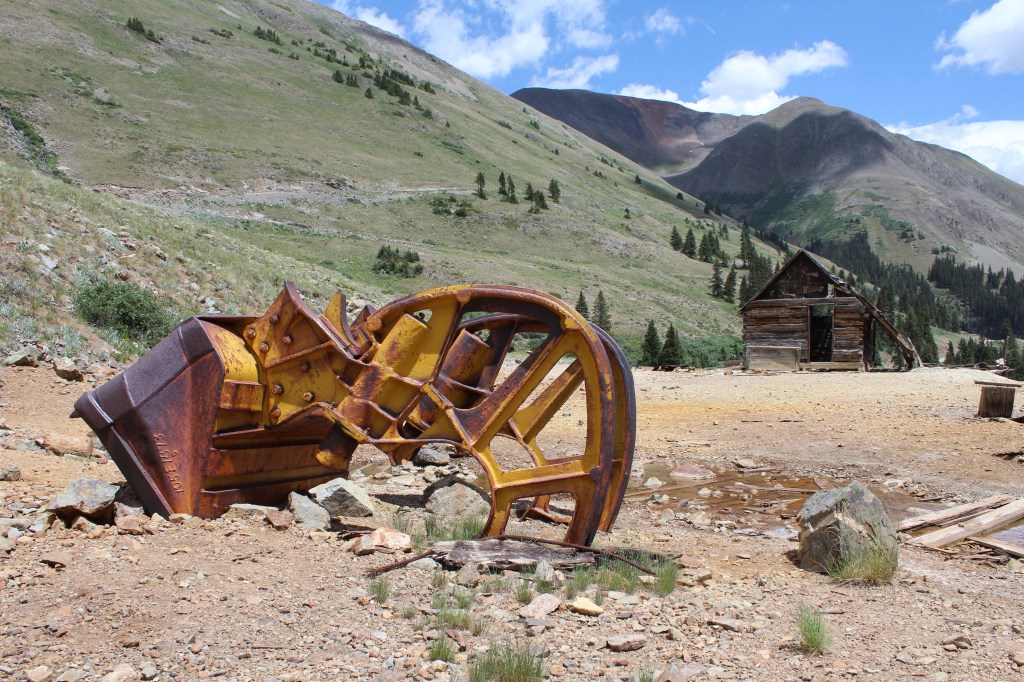

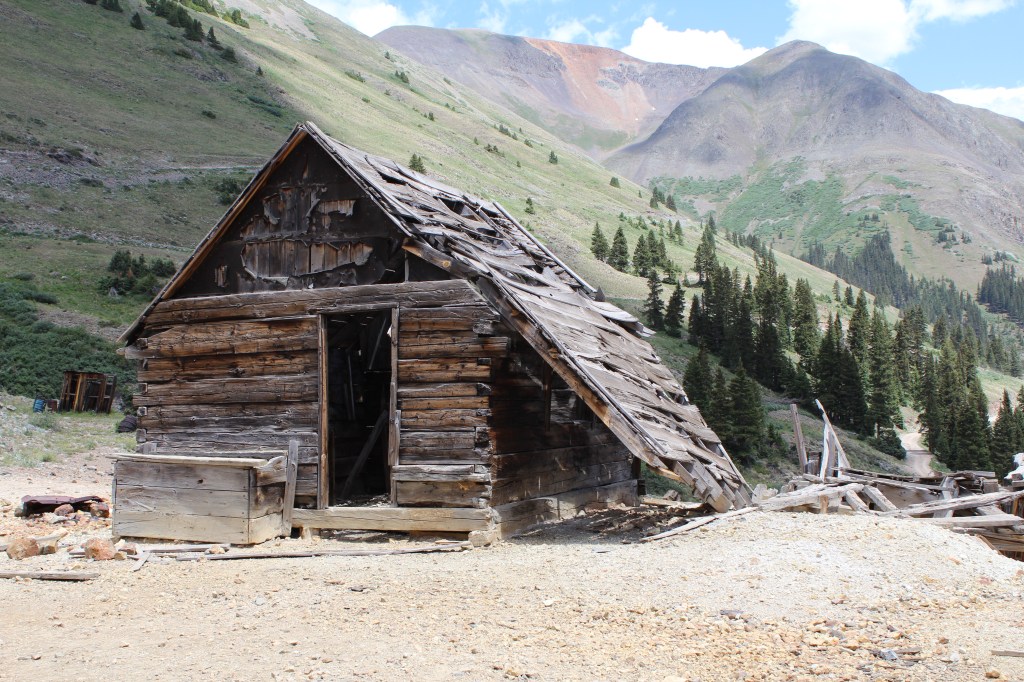
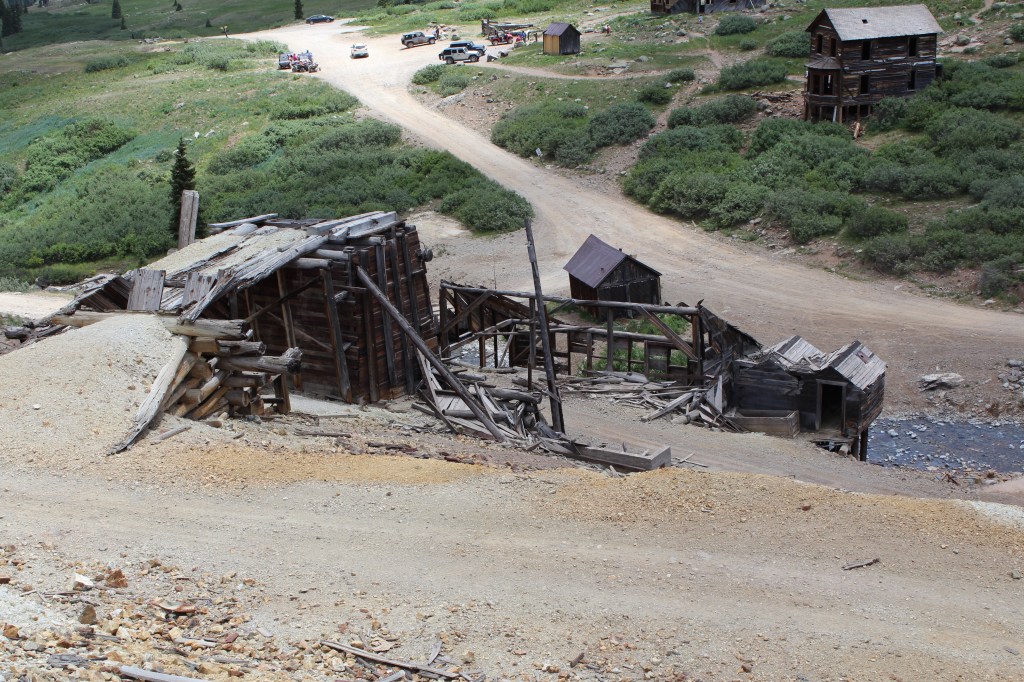
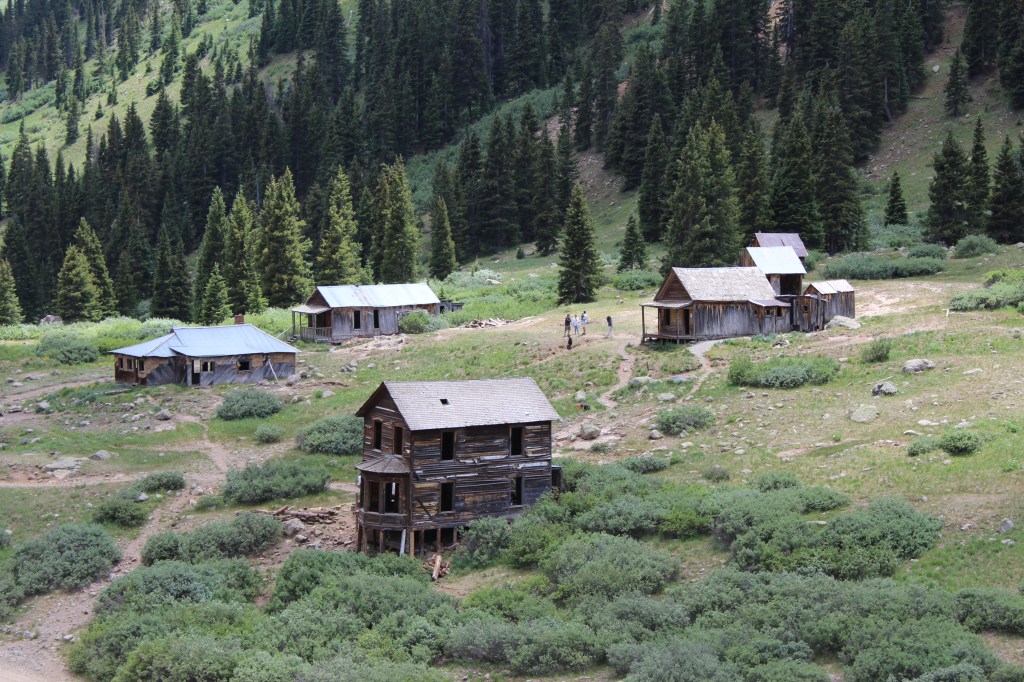


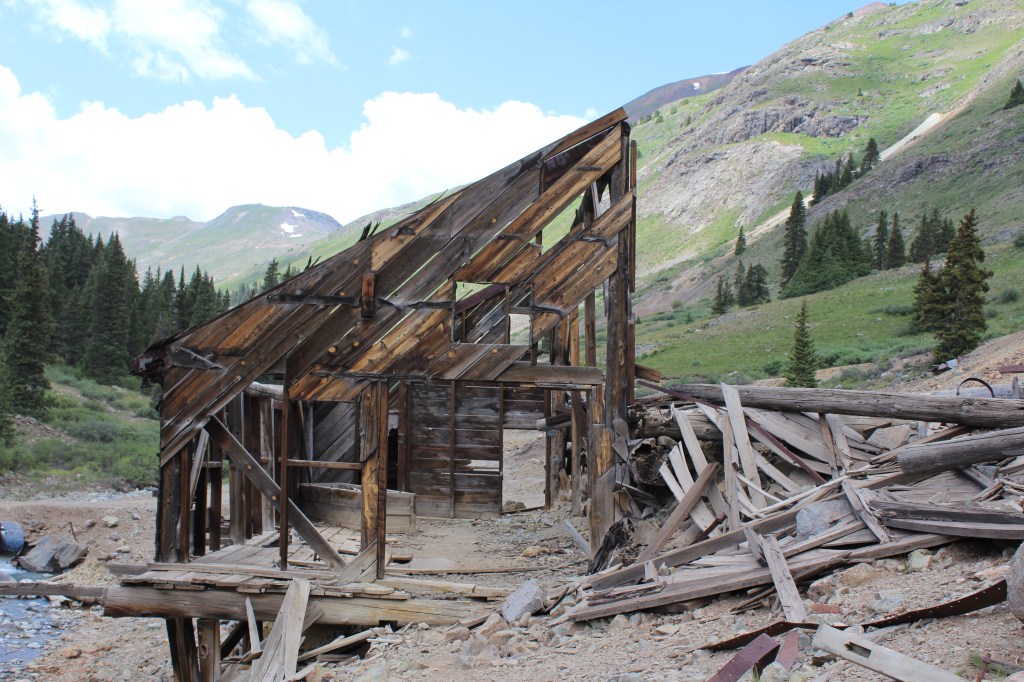
From the Columbus Mine and Mill, I spotted the remains of what I later (read, today) found out was called the Frisco Mill. So, I hoofed on over to check it out. Here’s what I found…
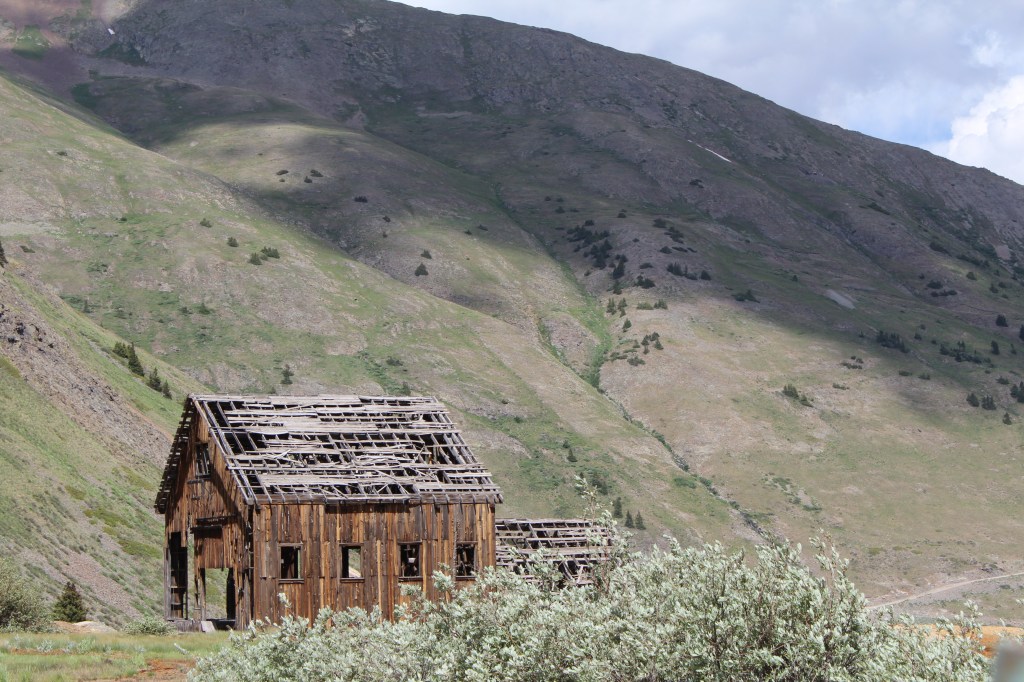
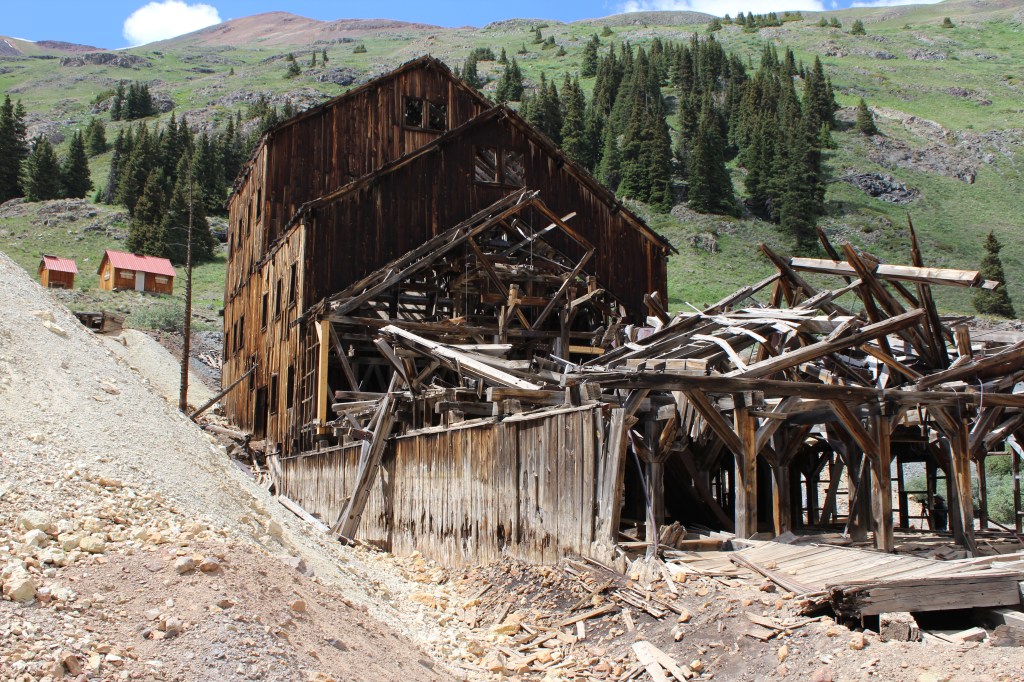
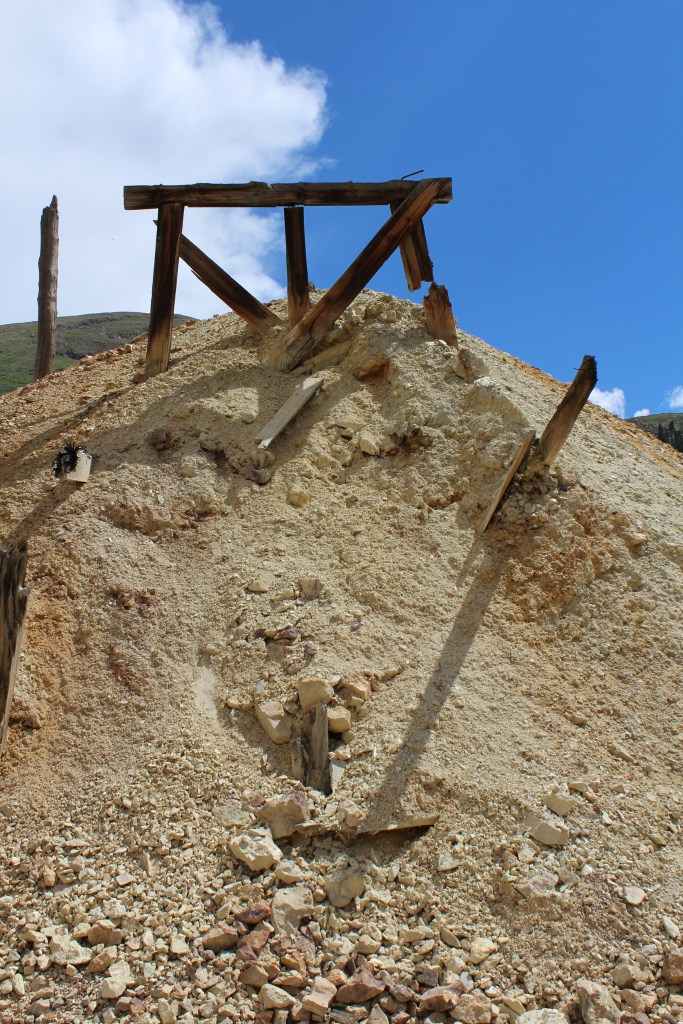


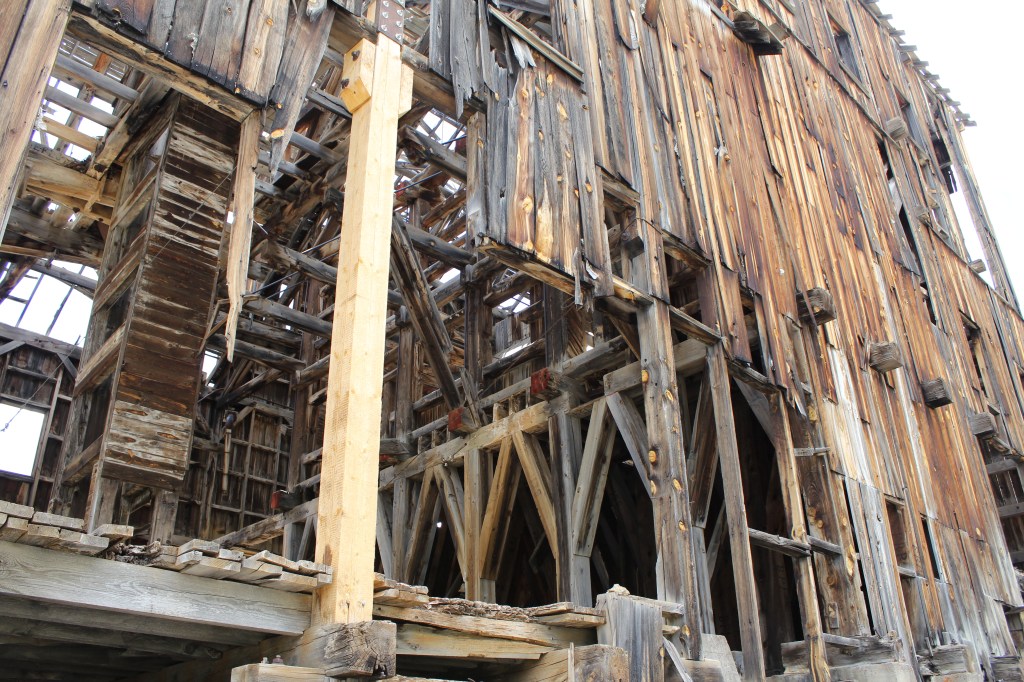

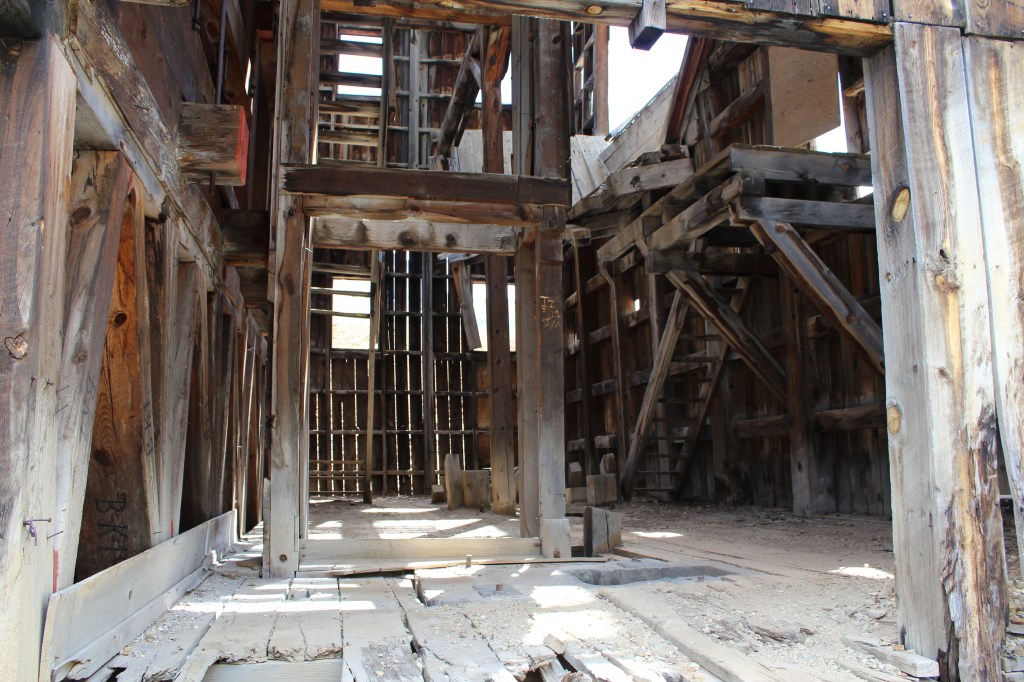
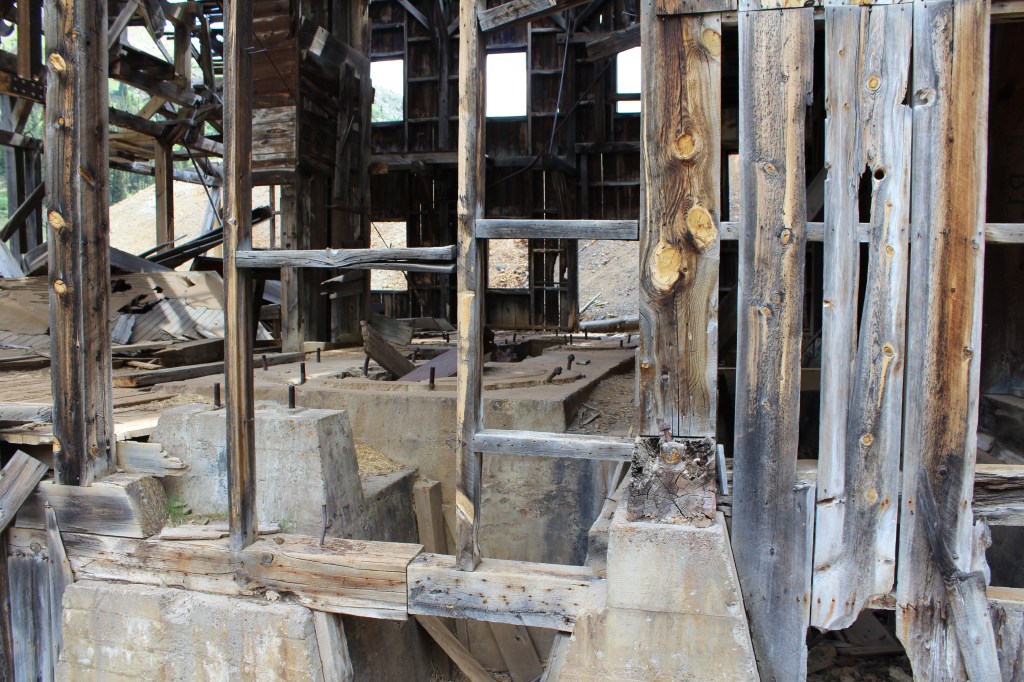
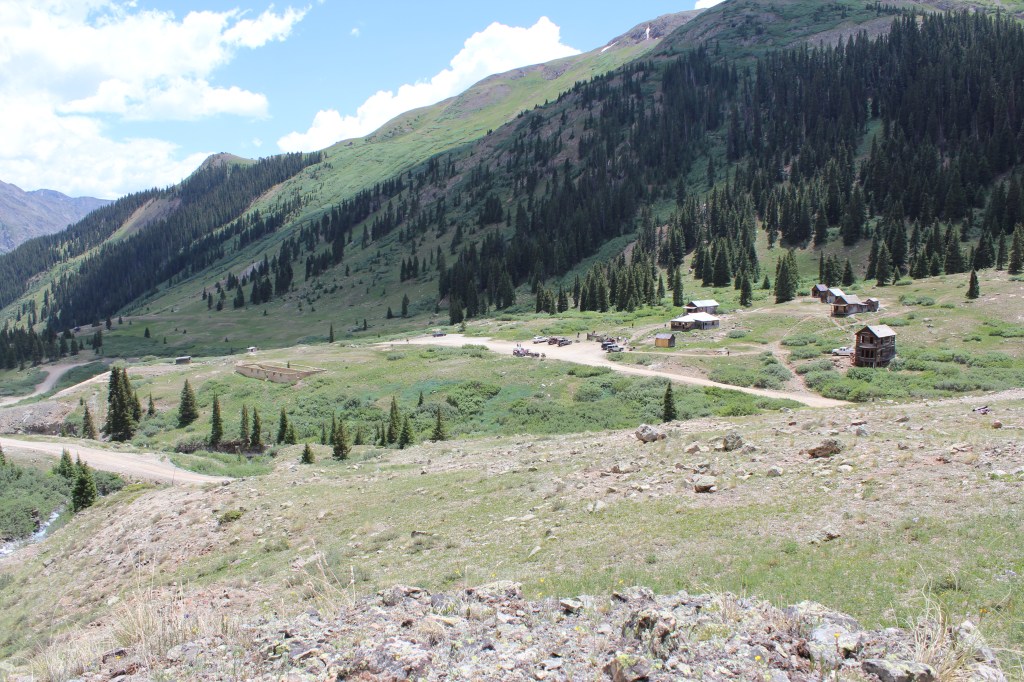
I then took a leisurely stroll back down to and through Animas Forks, taking many a pic along the way. Here’s some of what I captured…
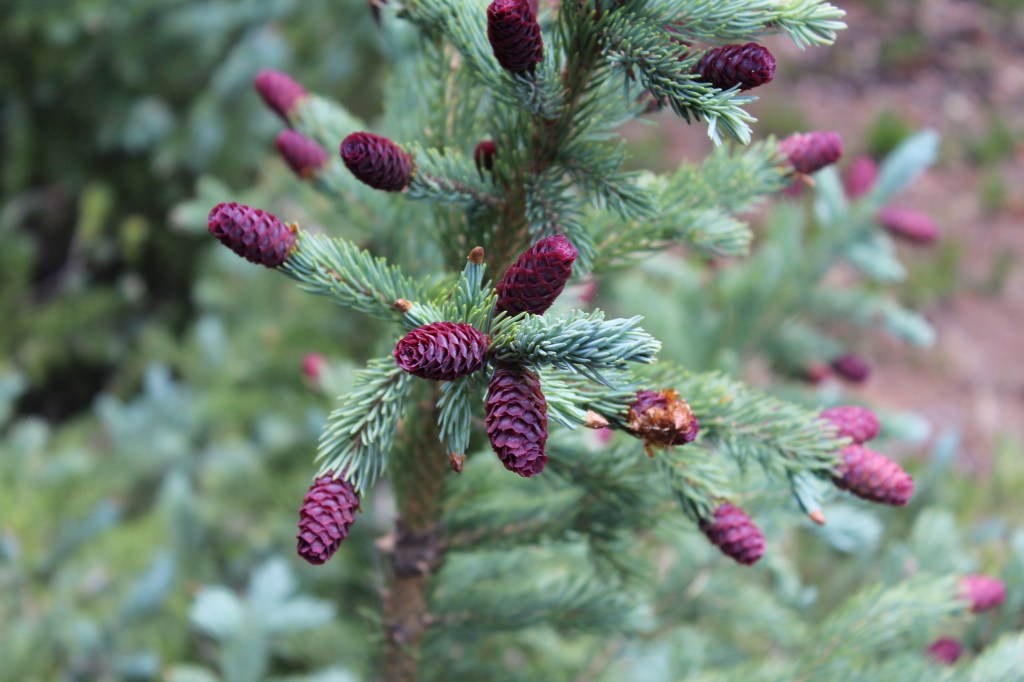
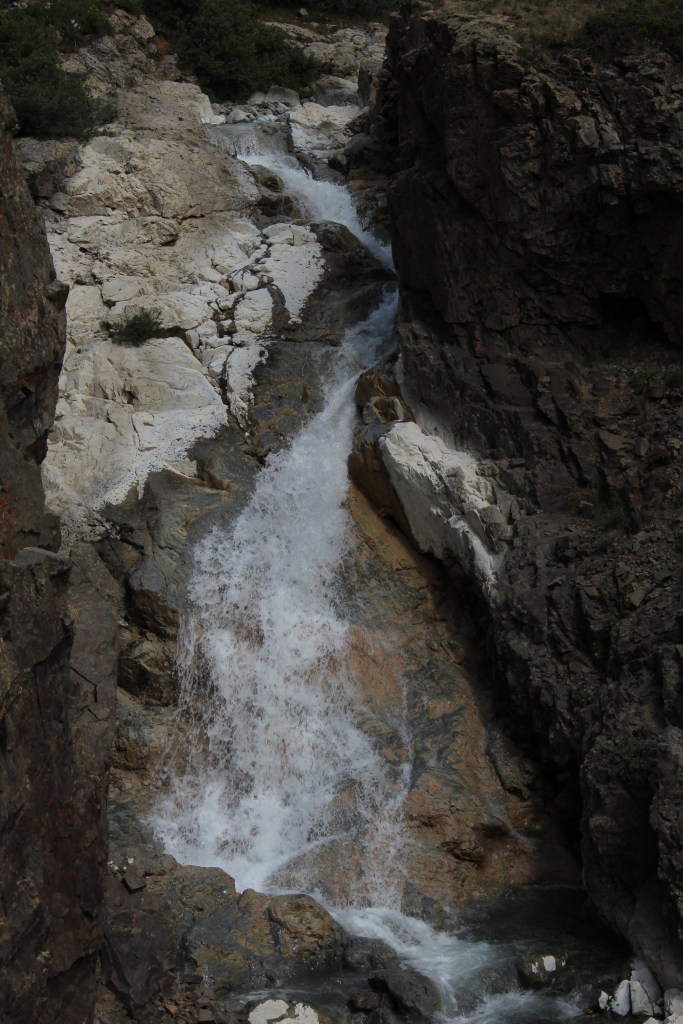
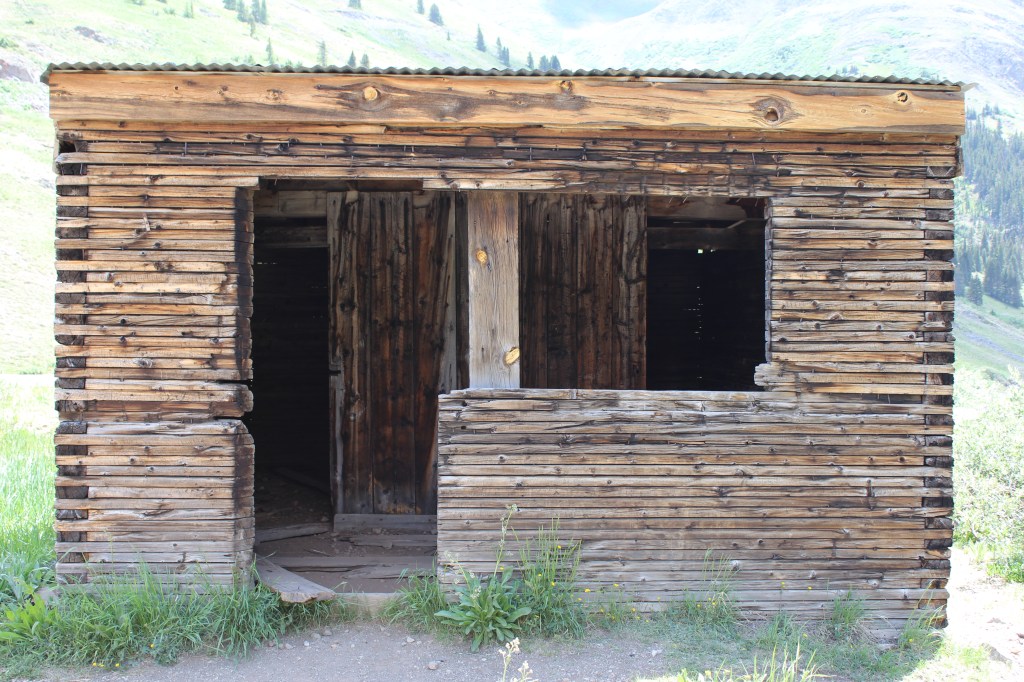
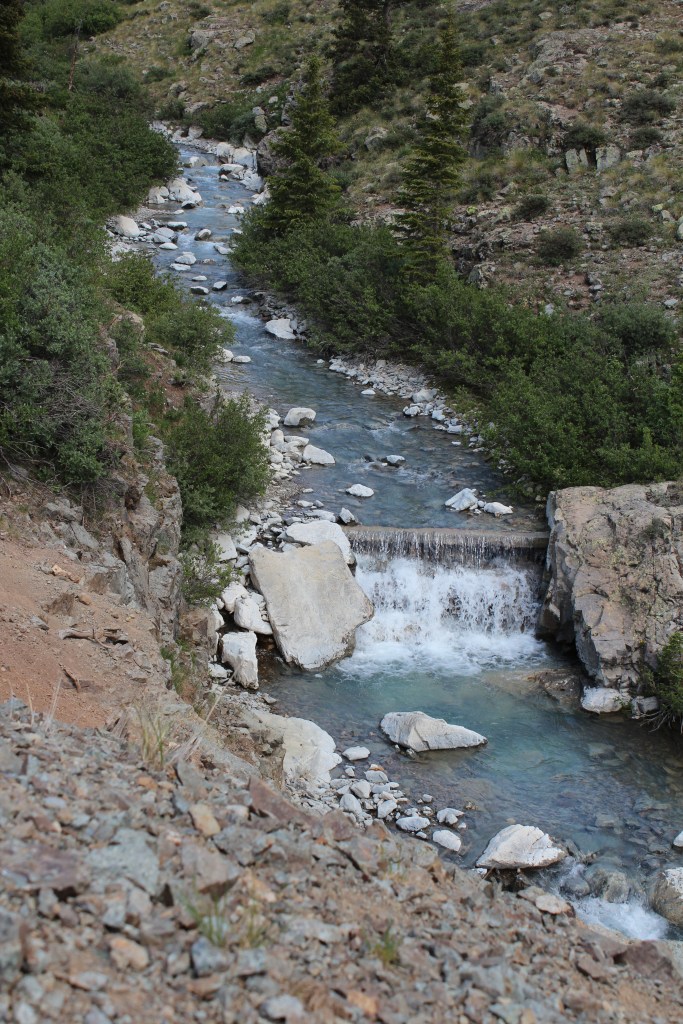
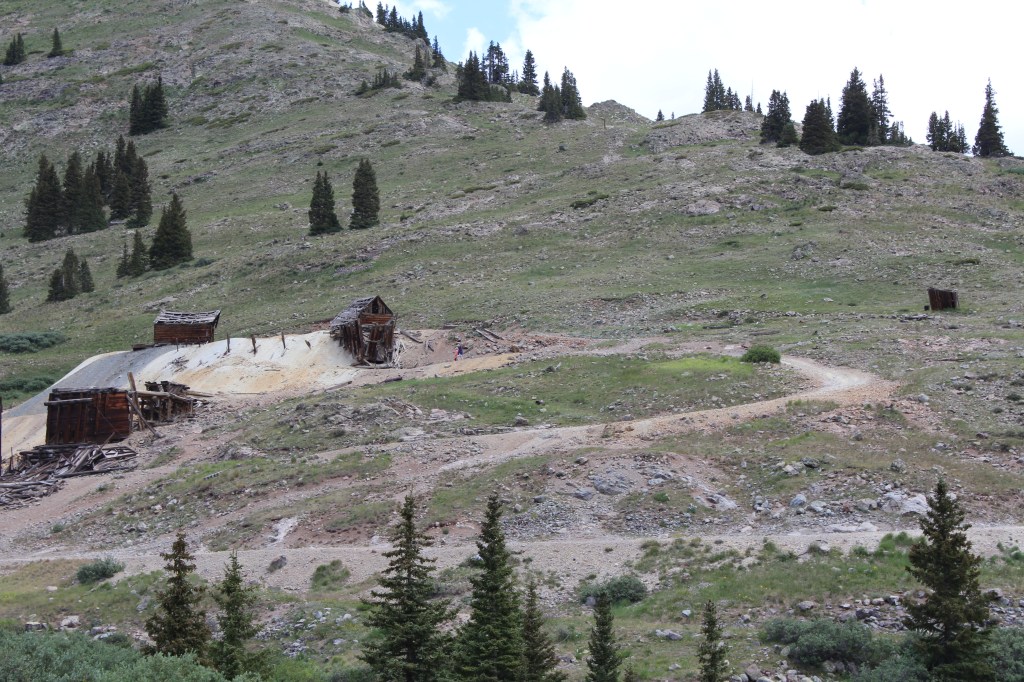

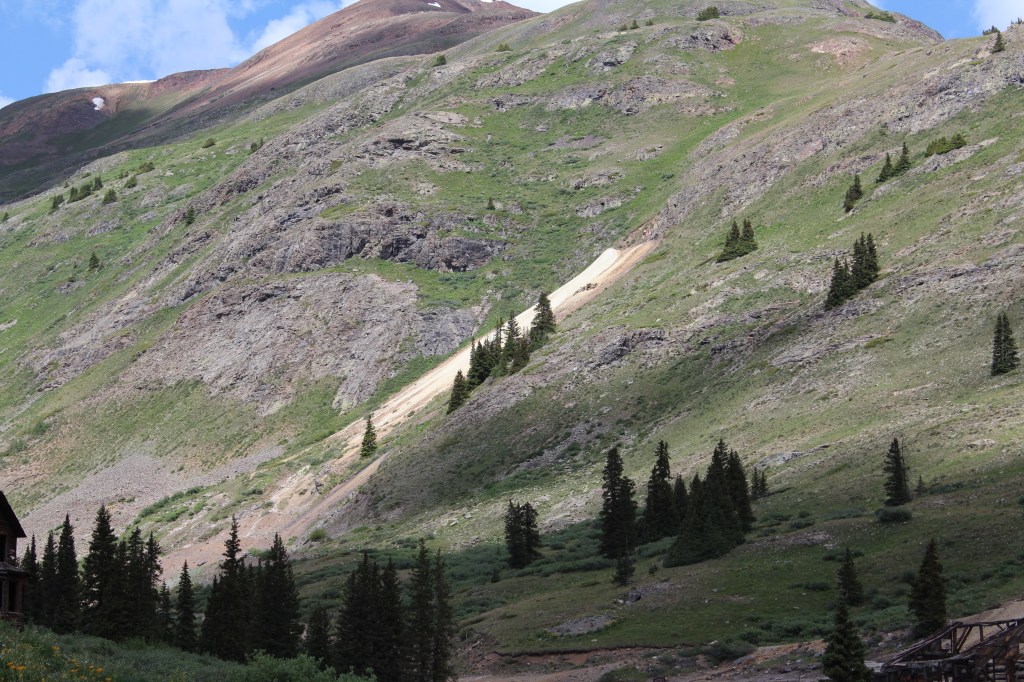
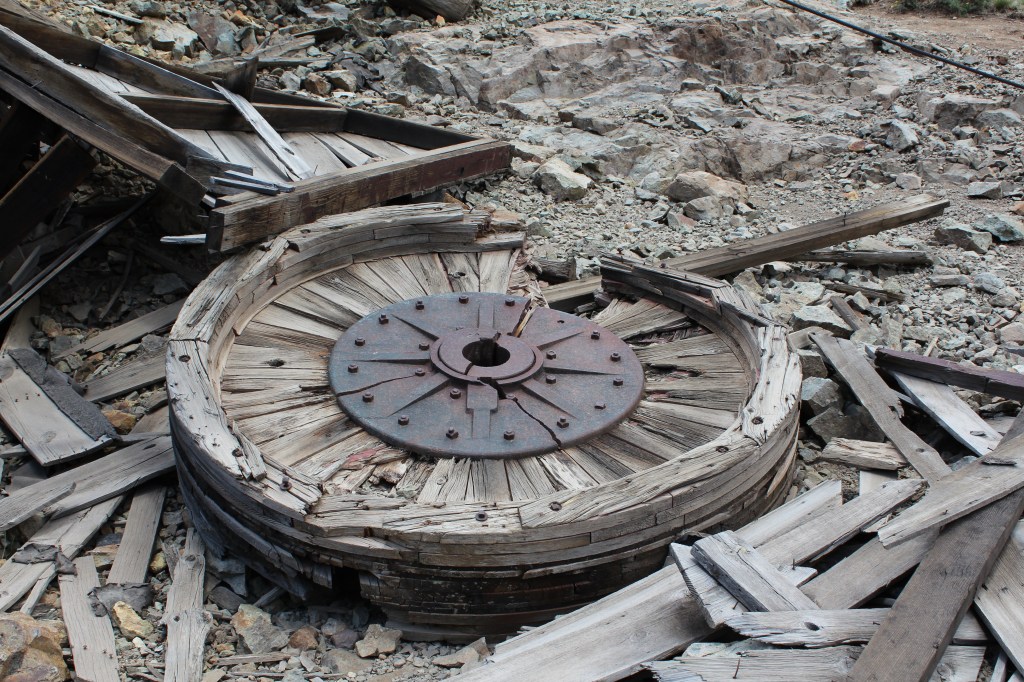
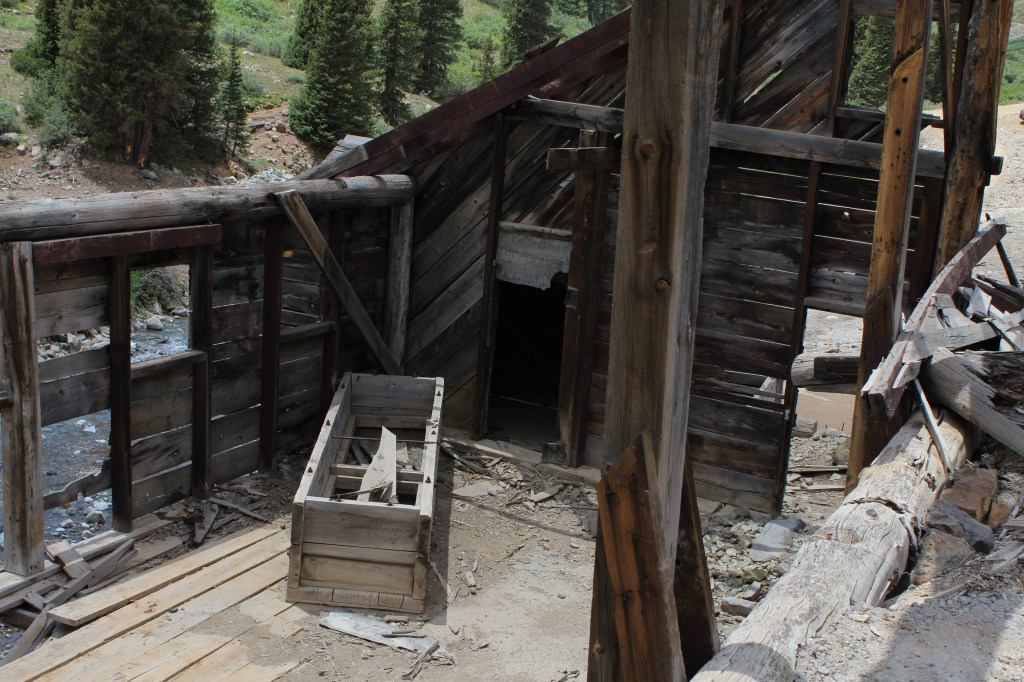

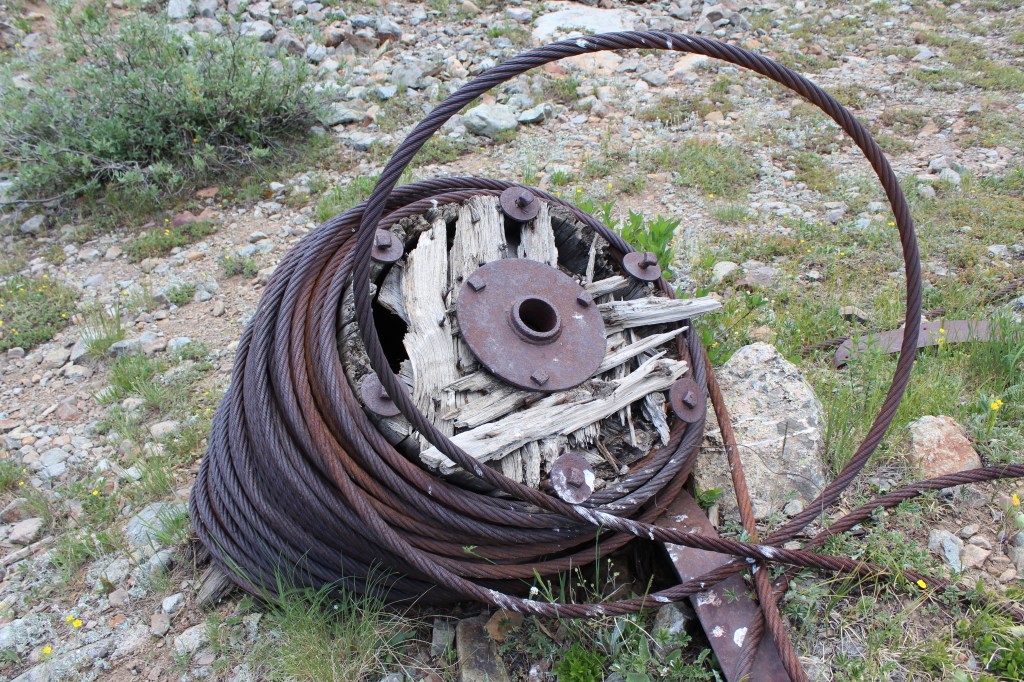
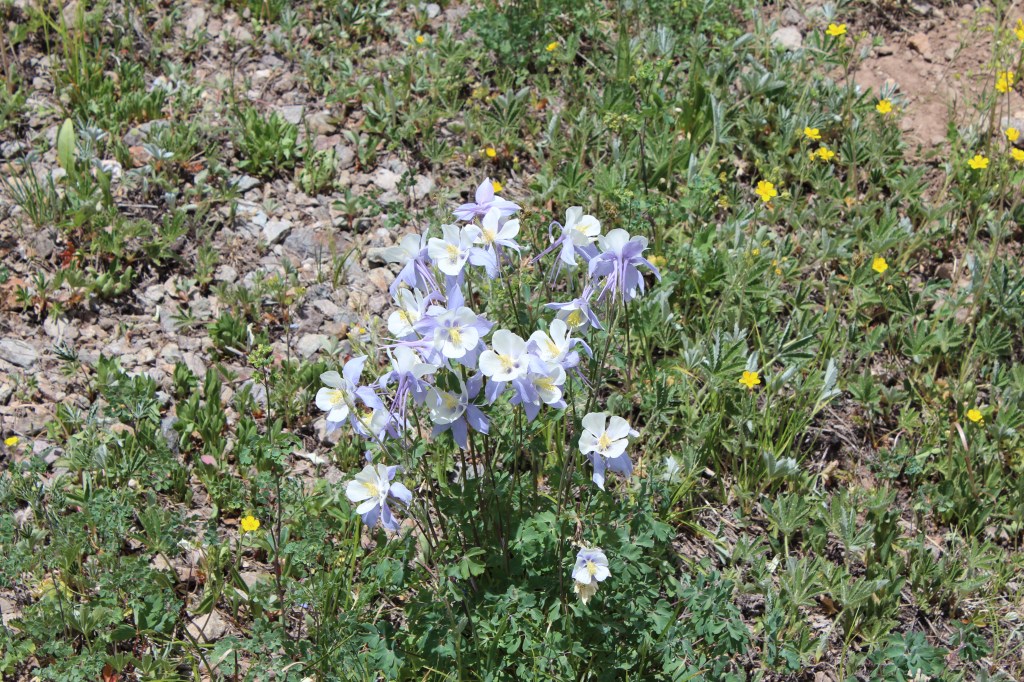
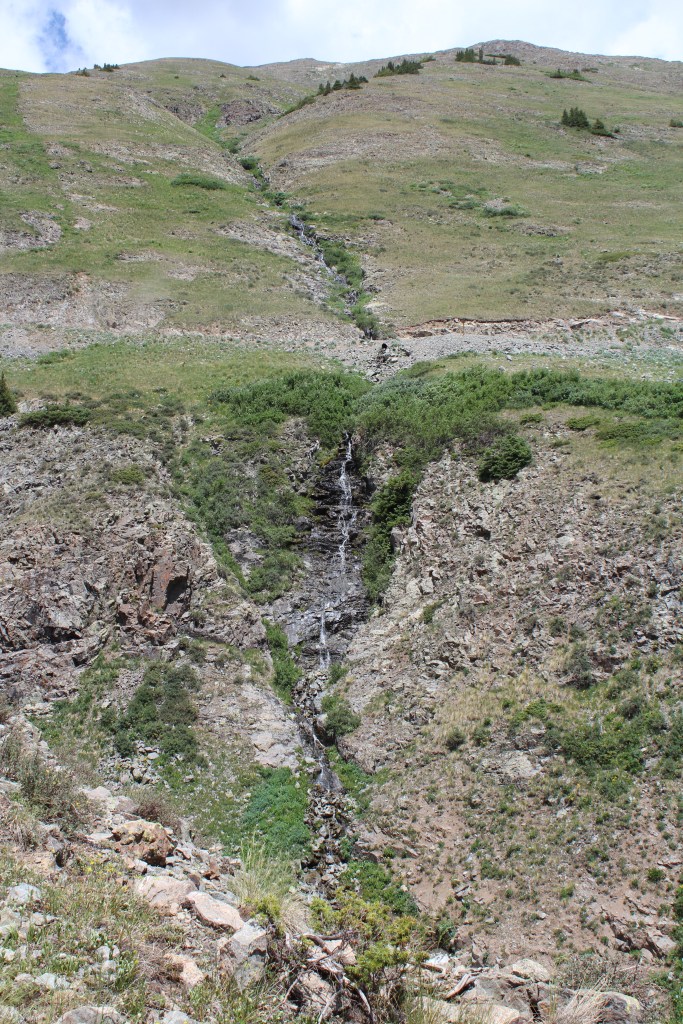
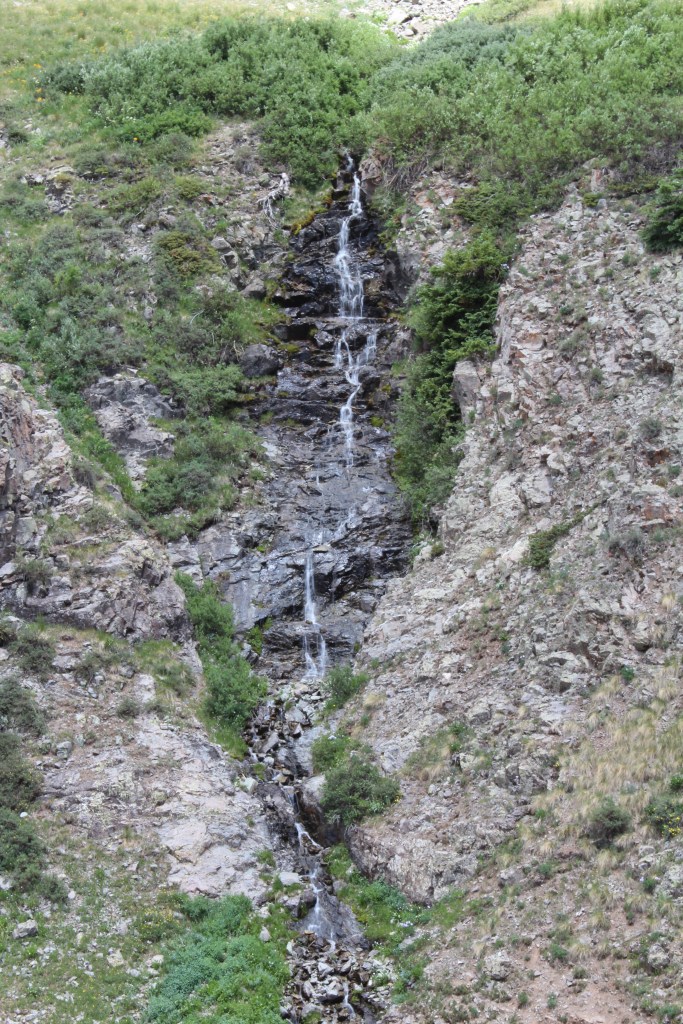

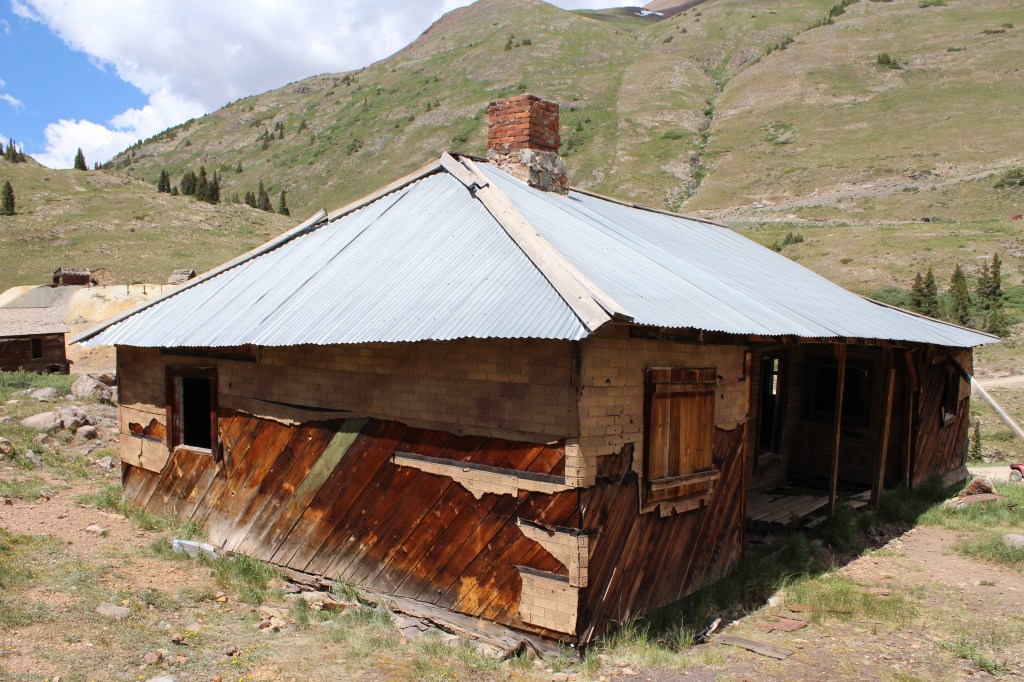
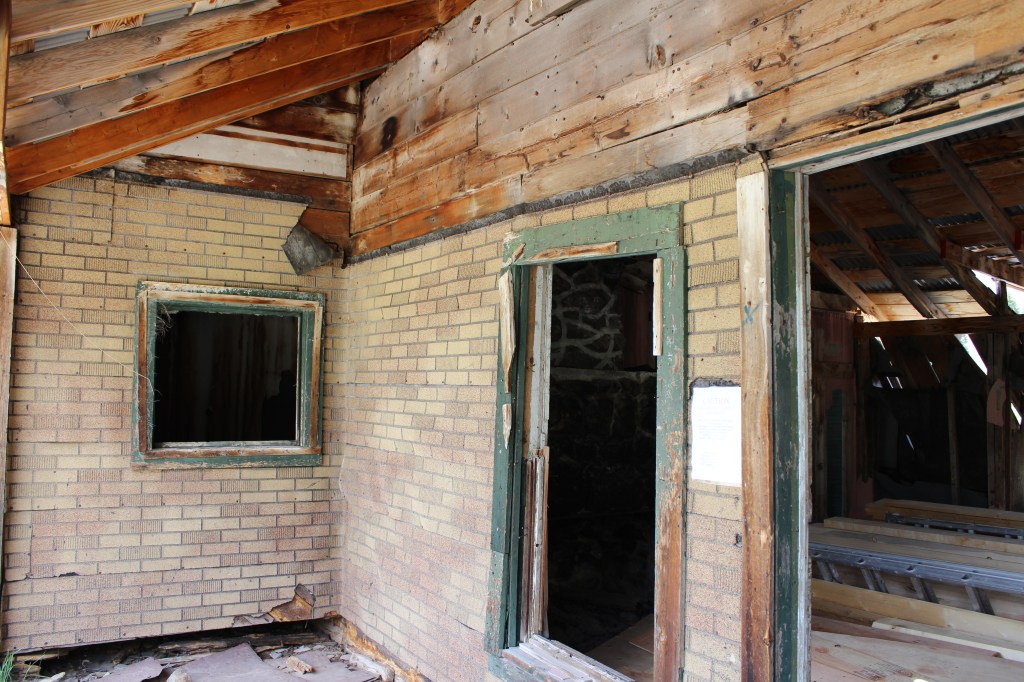
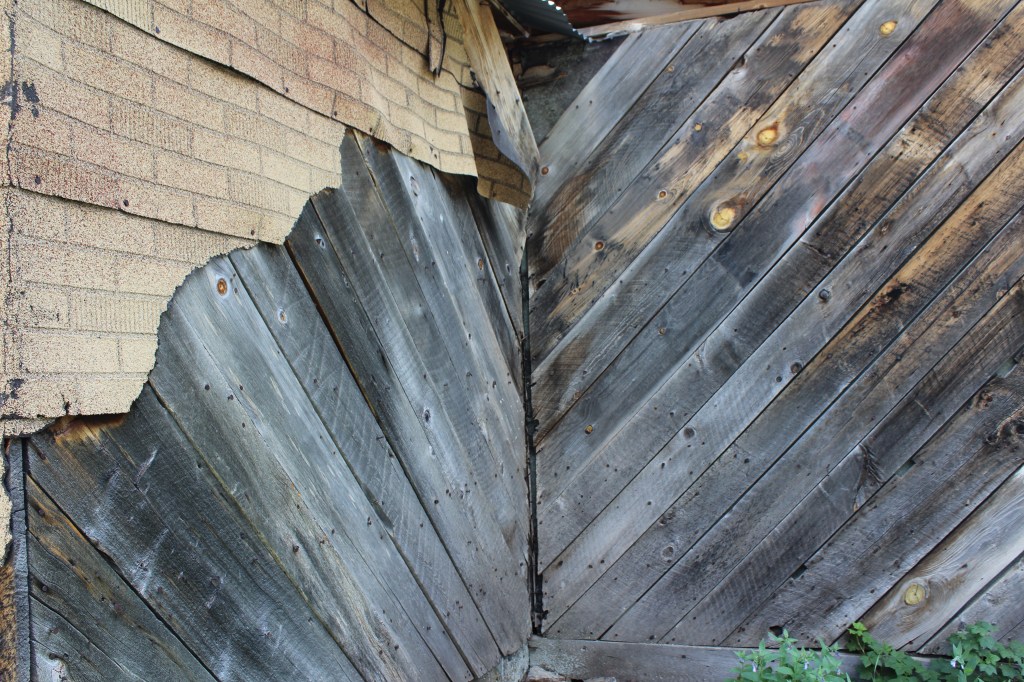
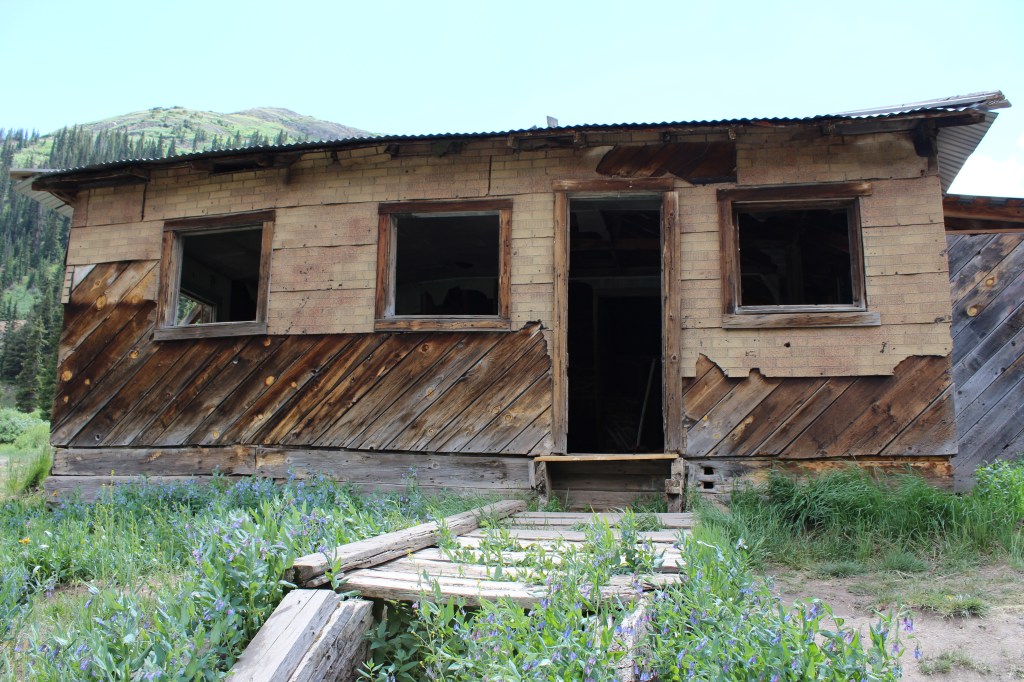

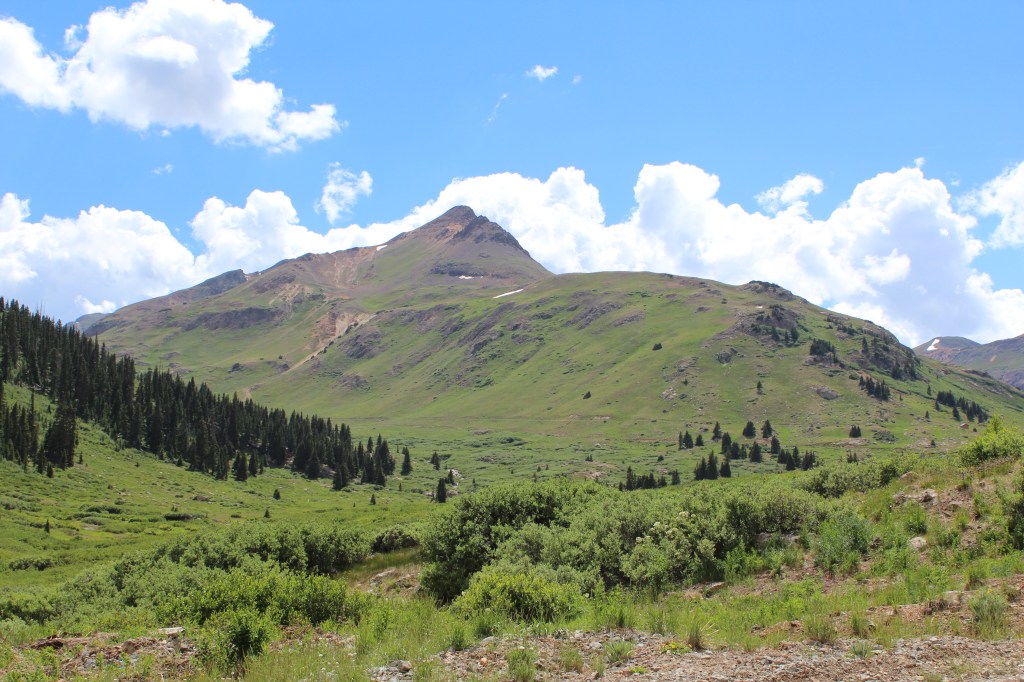
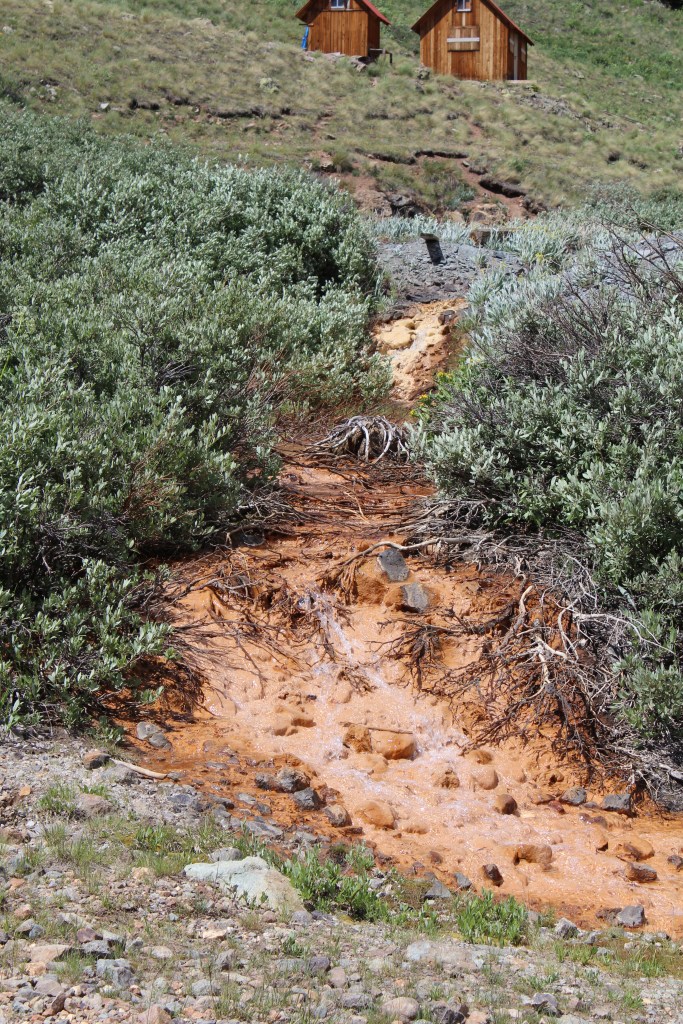
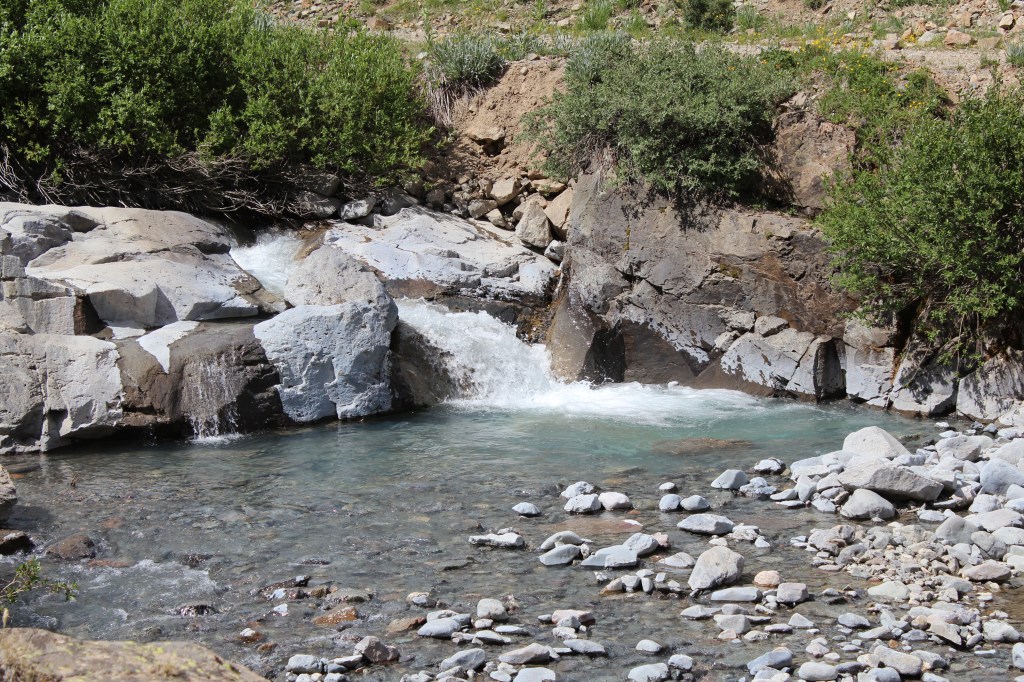


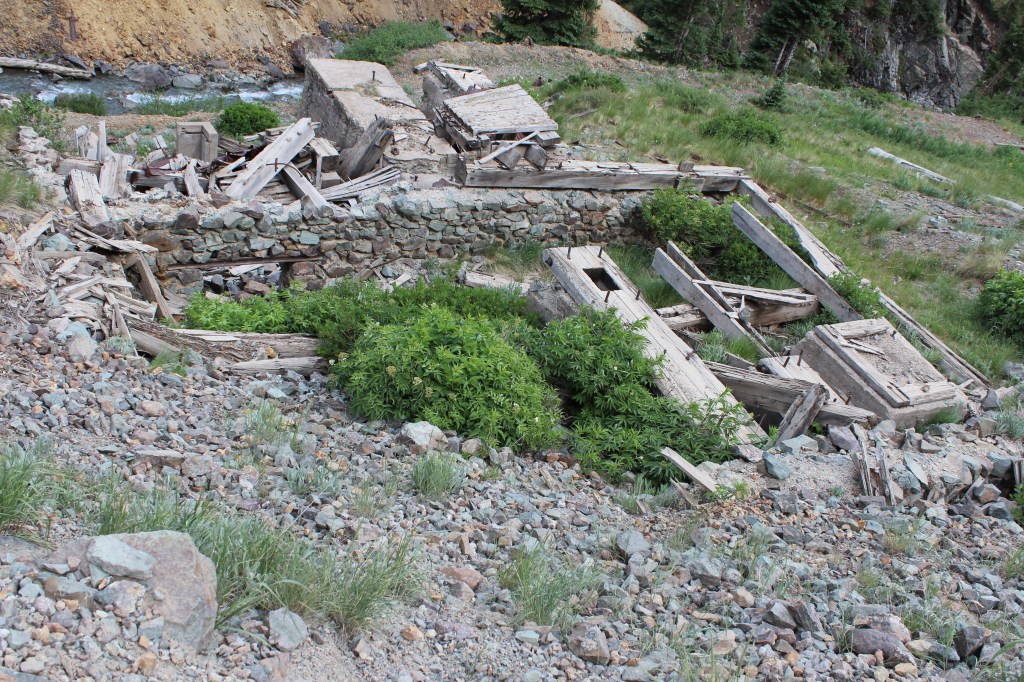
Next, it was time to head back down the canyon to the ghost town of Eureka (pronounced “you reek, uh”). This is more of a town site, rather than a traditional ghost town, as there are virtually no buildings standing in Eureka. As such, it’s hard to know exactly what the town boundaries are, so this next set of pictures are from the overall area between Animas Forks and Eureka and not necessarily within the specific town site of Eureka. Let’s start with a dead pedestrian bridge. No, it’s not a bridge for dead (or even undead) pedestrians. It’s the bridge itself that’s dead. See for yourself…
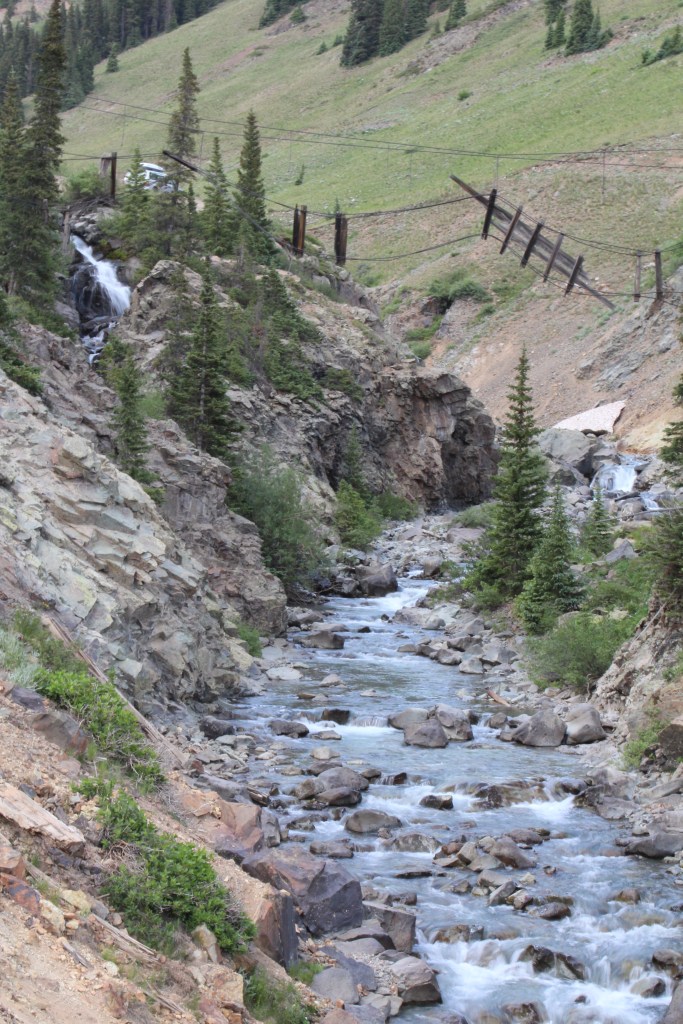

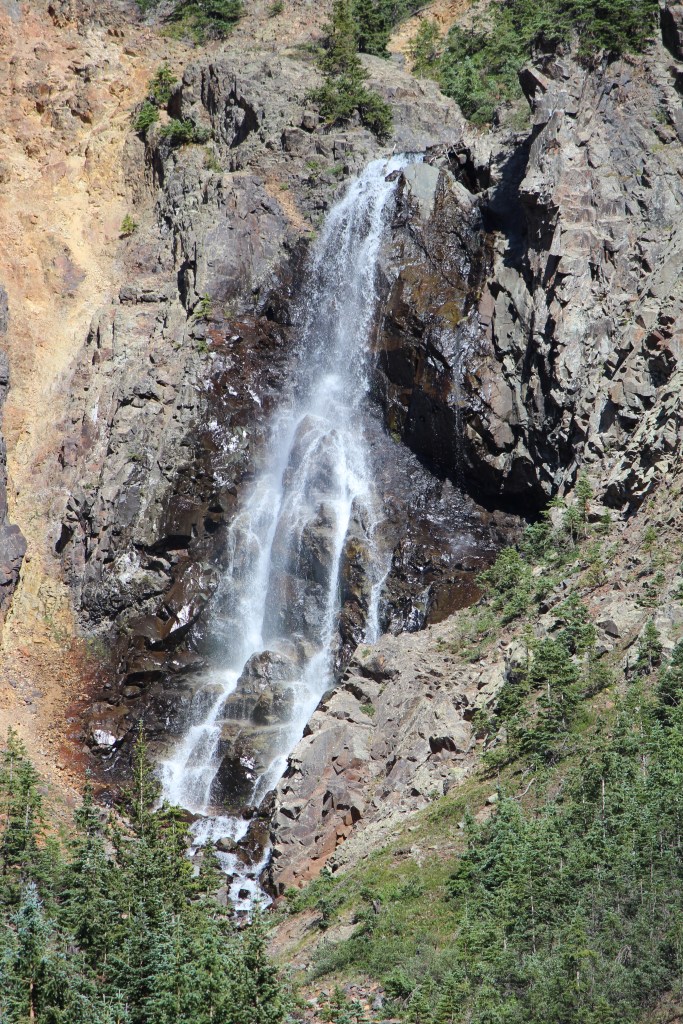
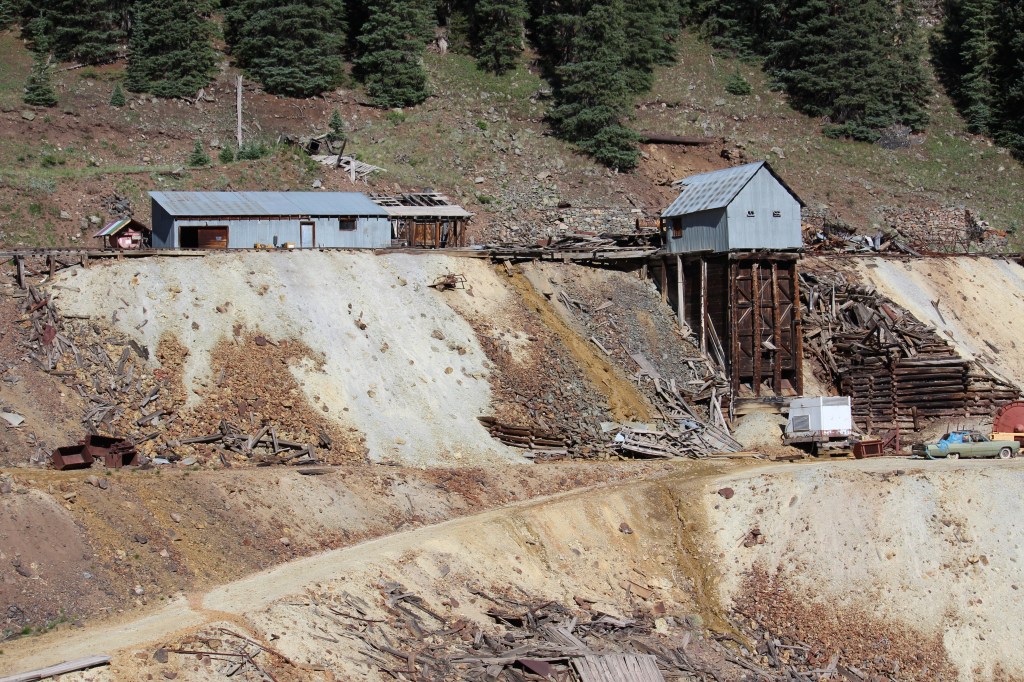
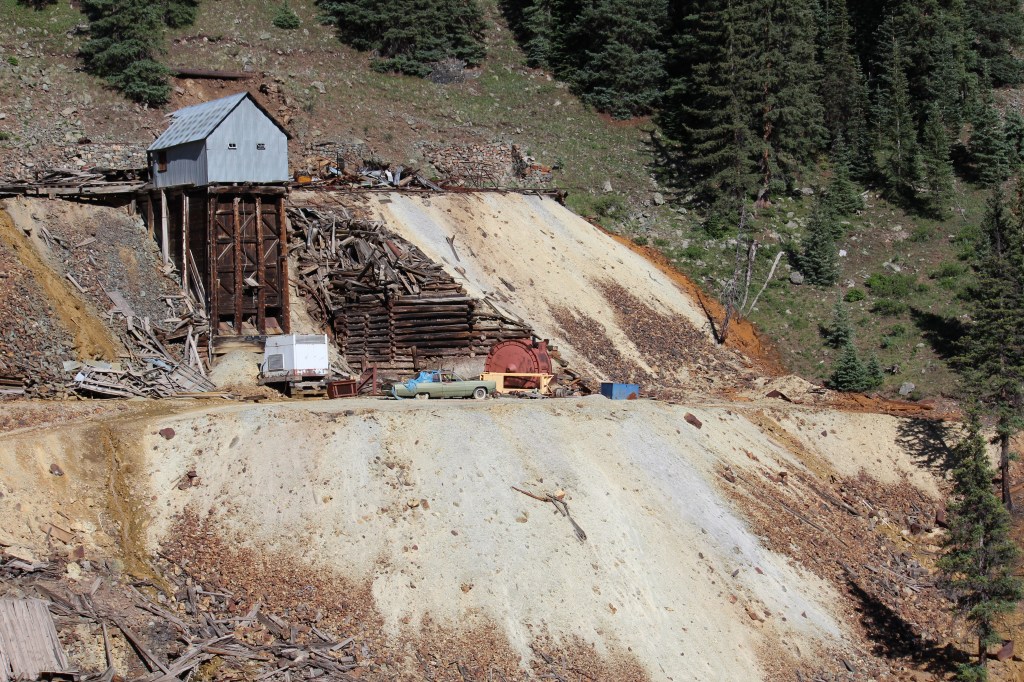
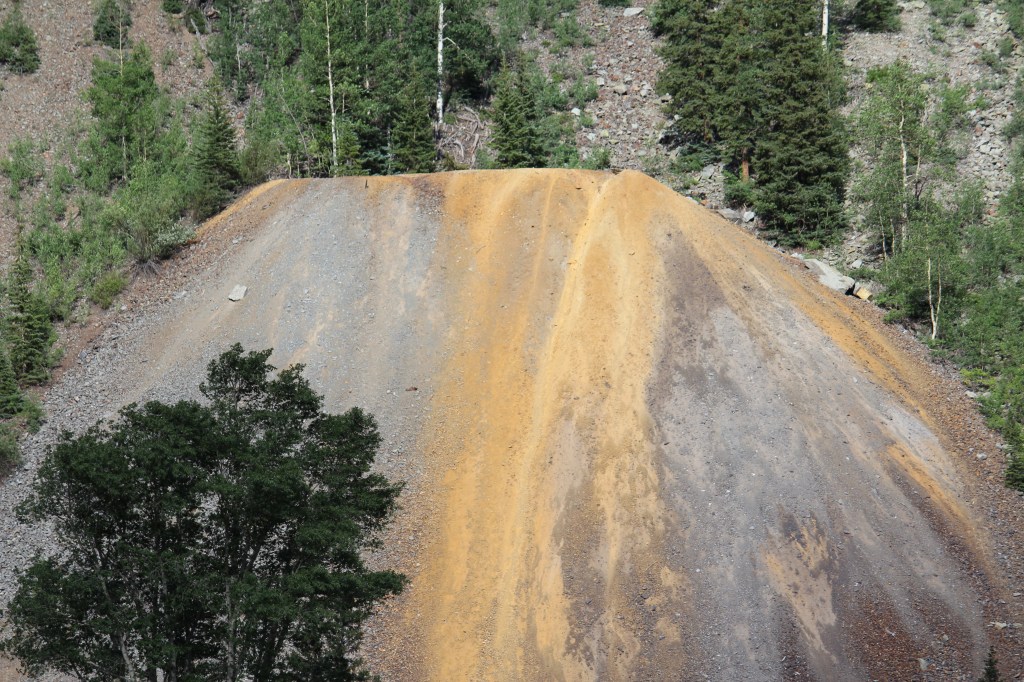

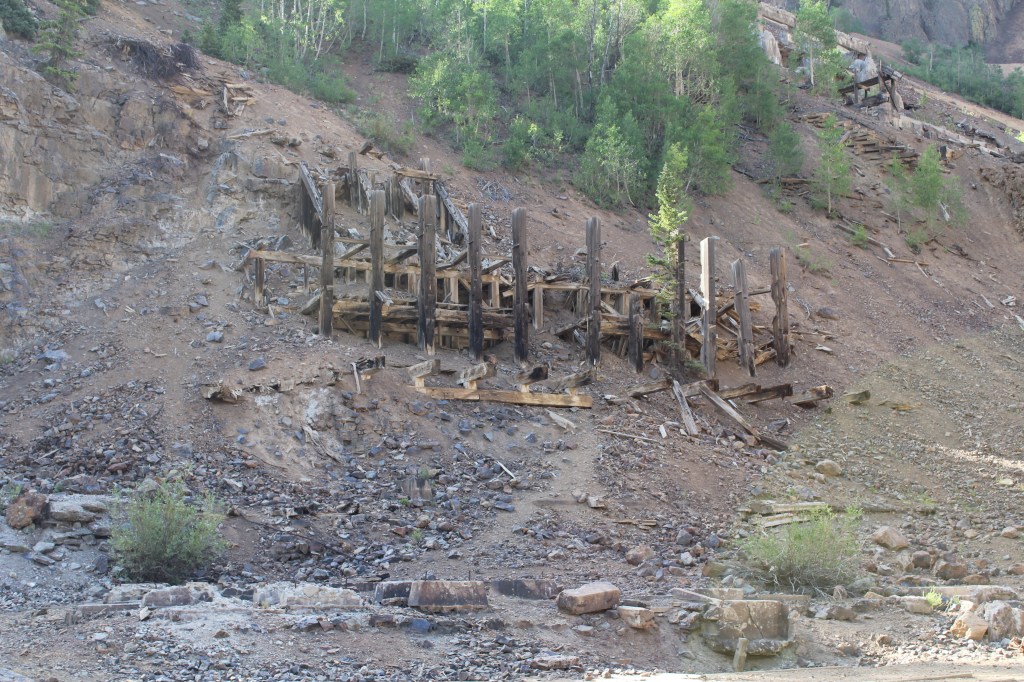
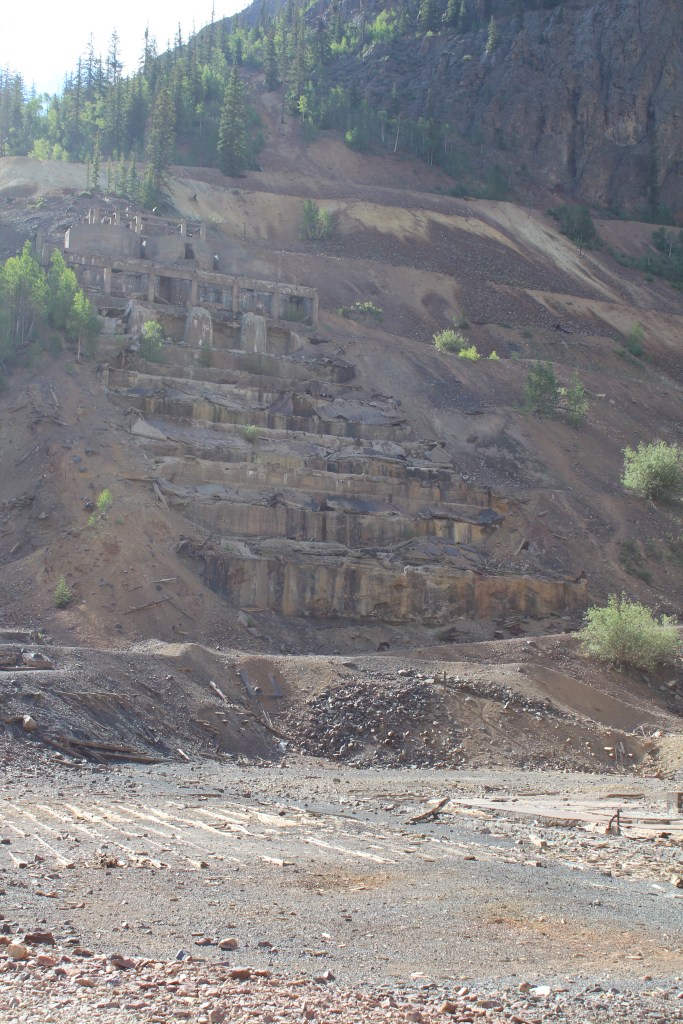
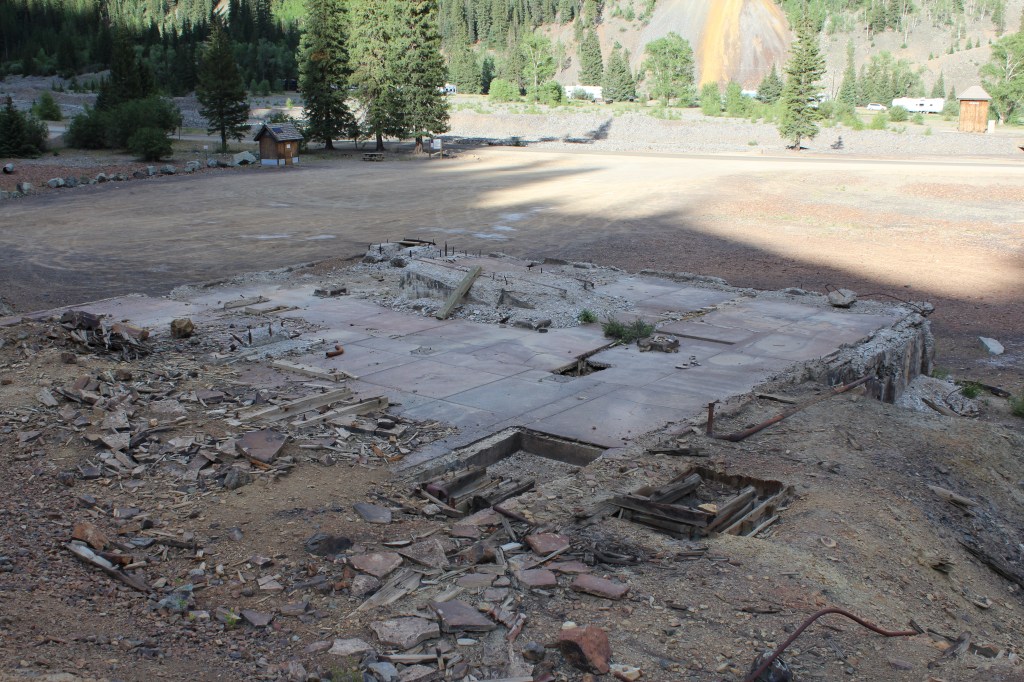
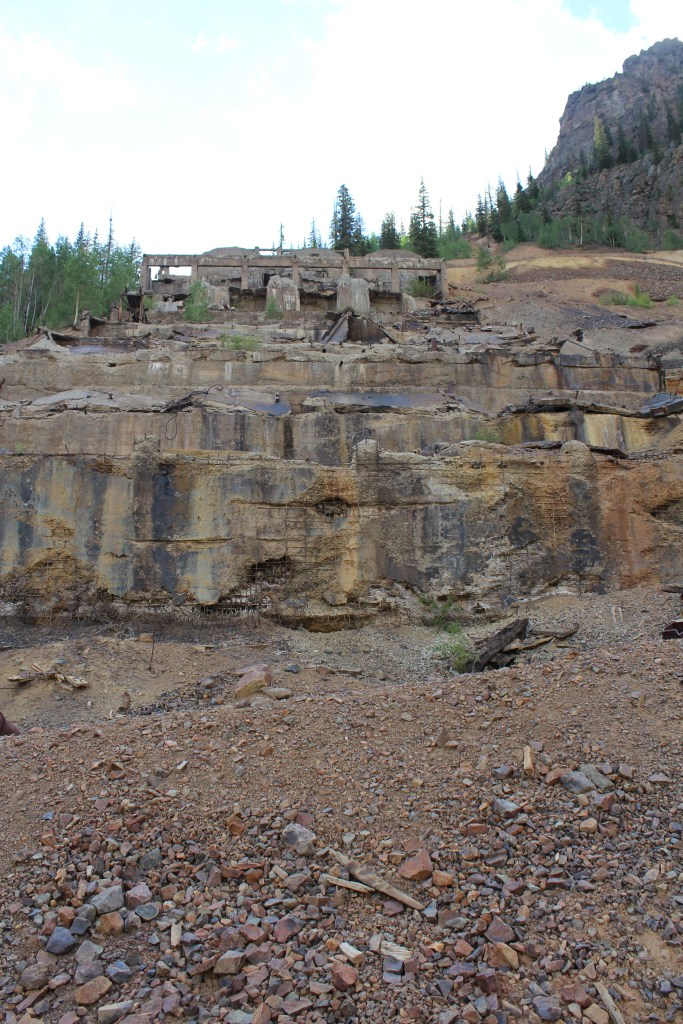
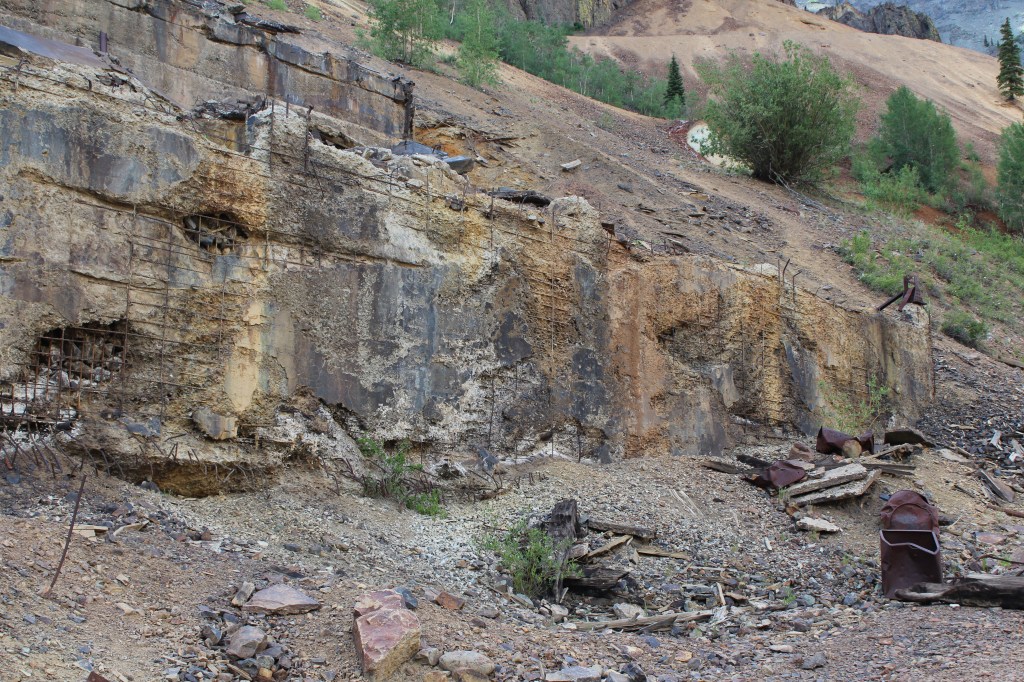
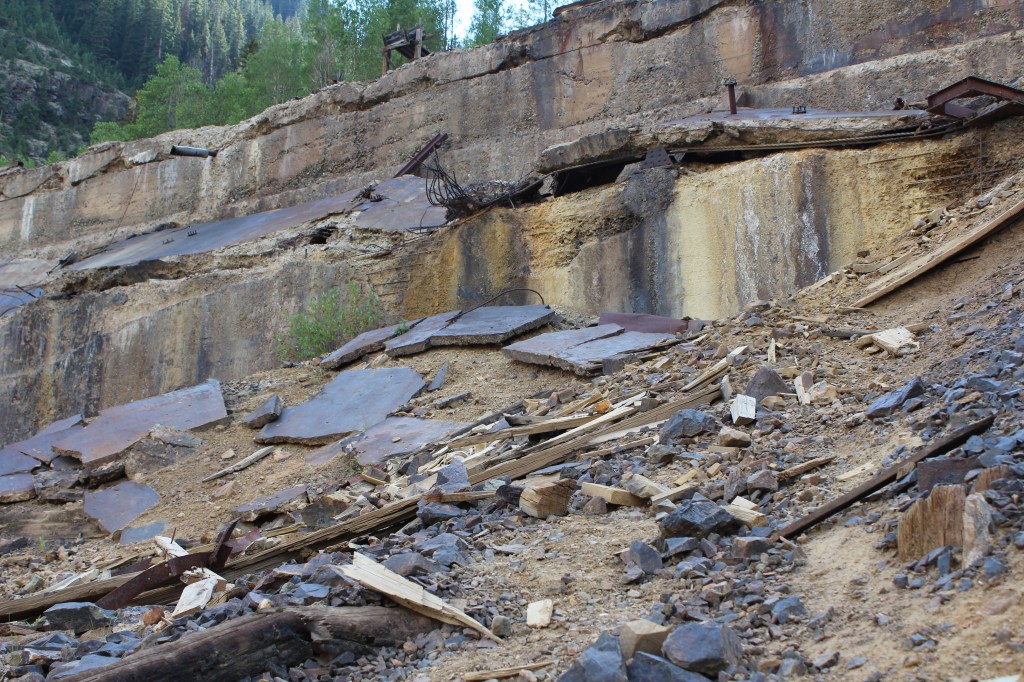
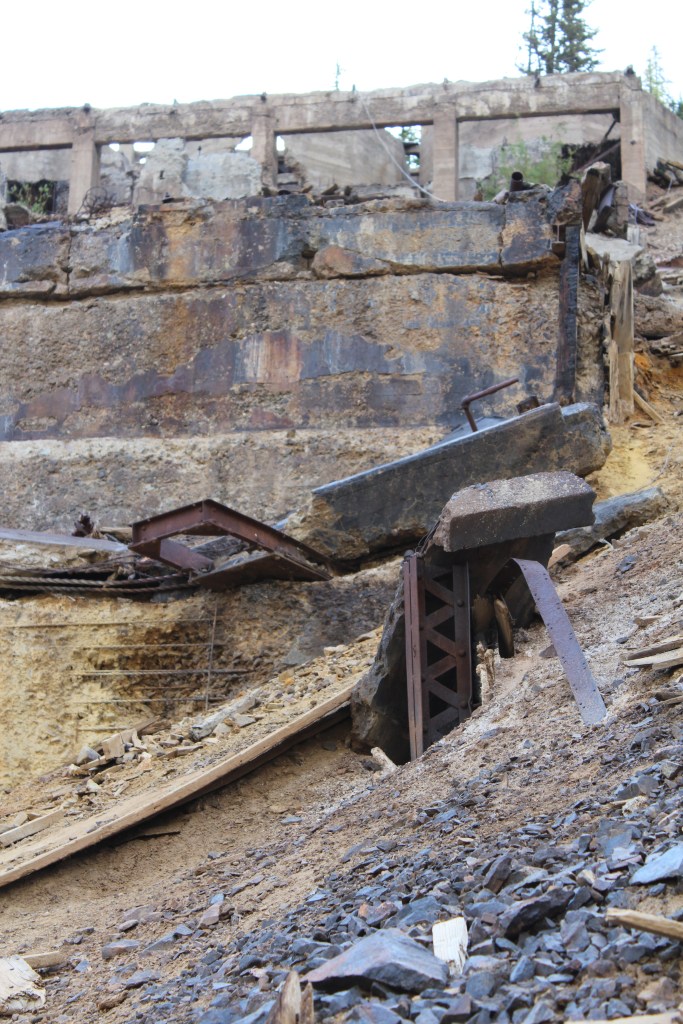
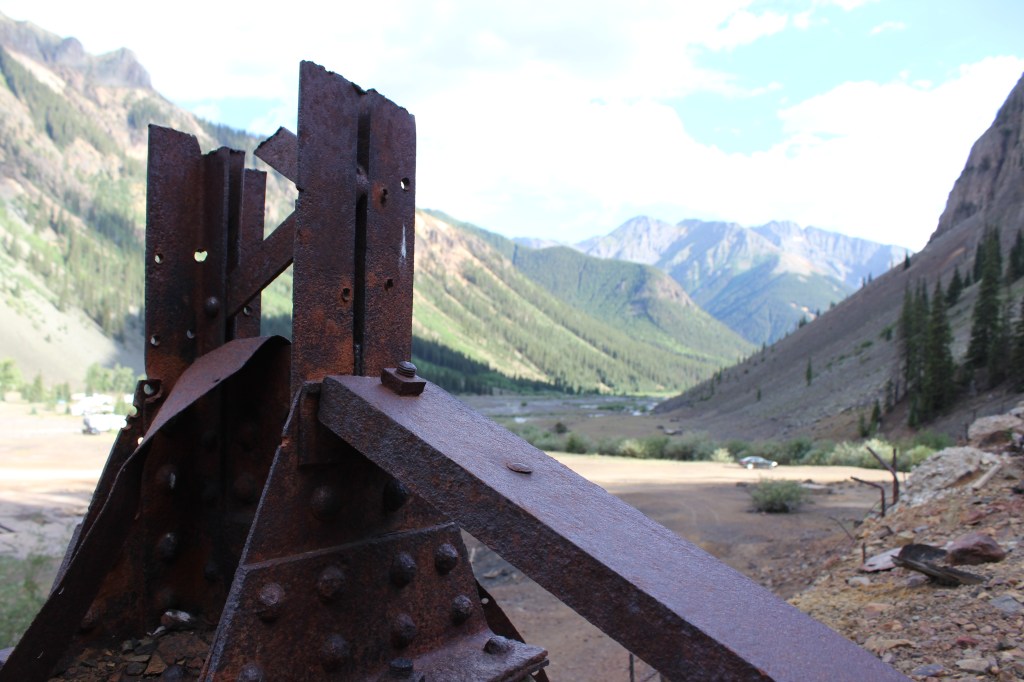
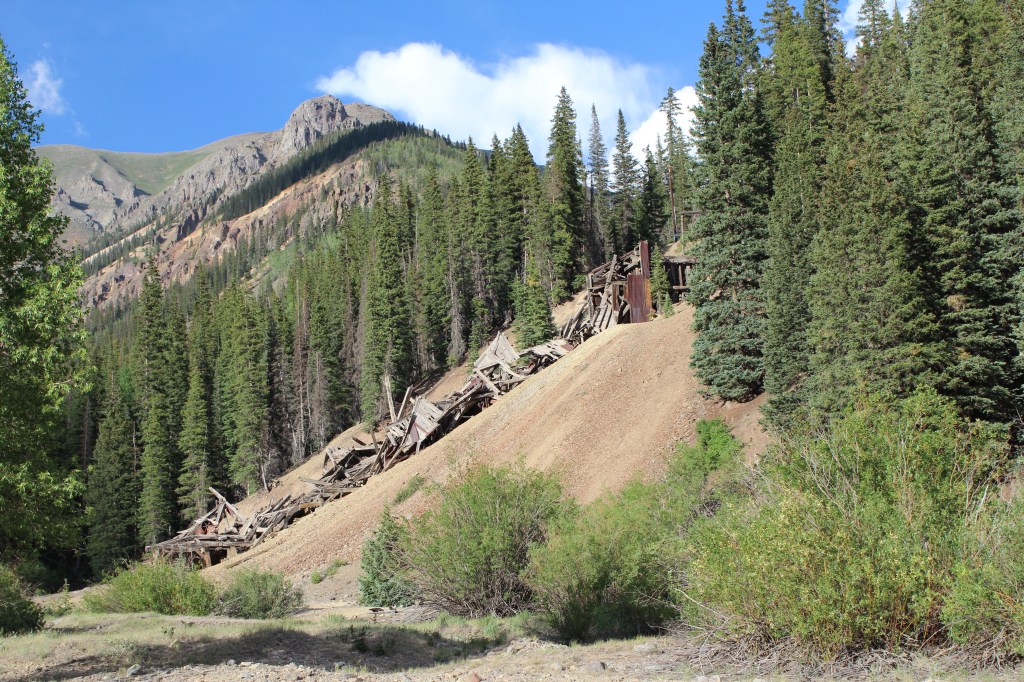
If you think back (or scroll back up) to the Gold Prince Mill in Animas Forks, it may strike you that there’s surprisingly little left of it, seeing as how it only dates back to the early 20th Century. The reason, referring again to the book Ghost Towns of Colorado by Philip Varney, is that the Gold Prince Mill was dismantled and used in the construction of Eureka’s Sunnyside Mill, which is featured in the gallery below. You’ll see there’s not much left of this one either. I’m guessing it, too, was purposefully dismantled after it was closed for good in 1938.



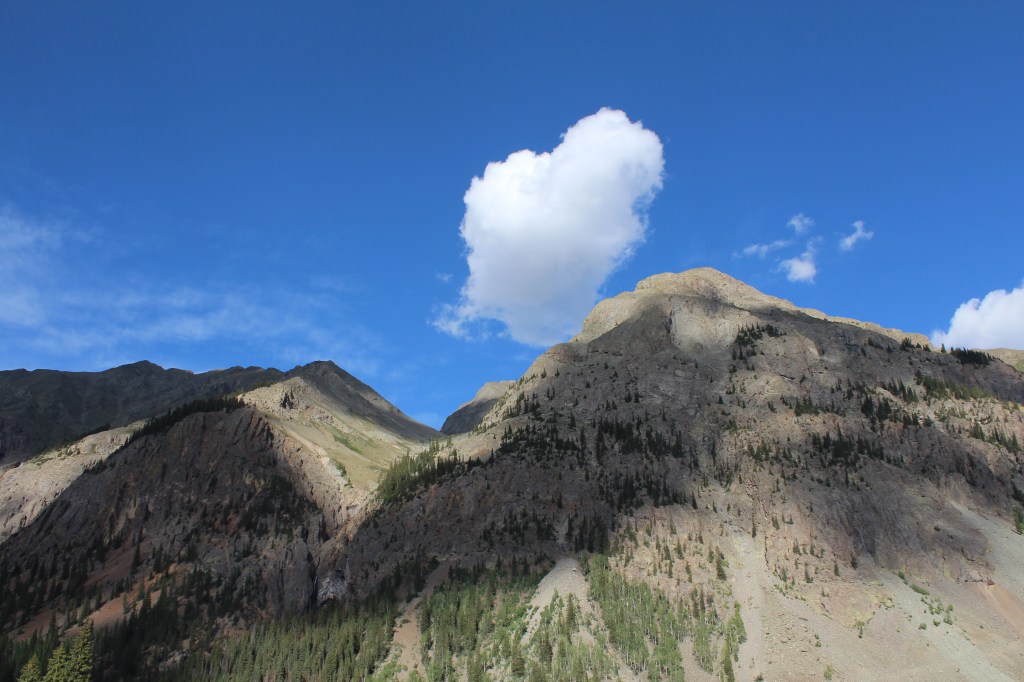
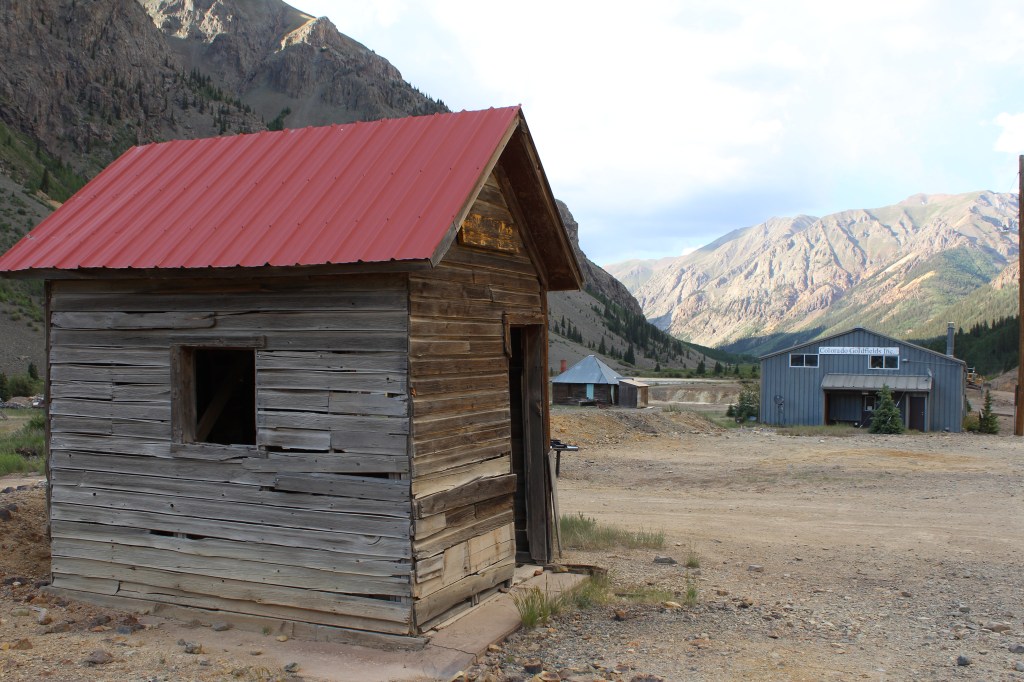
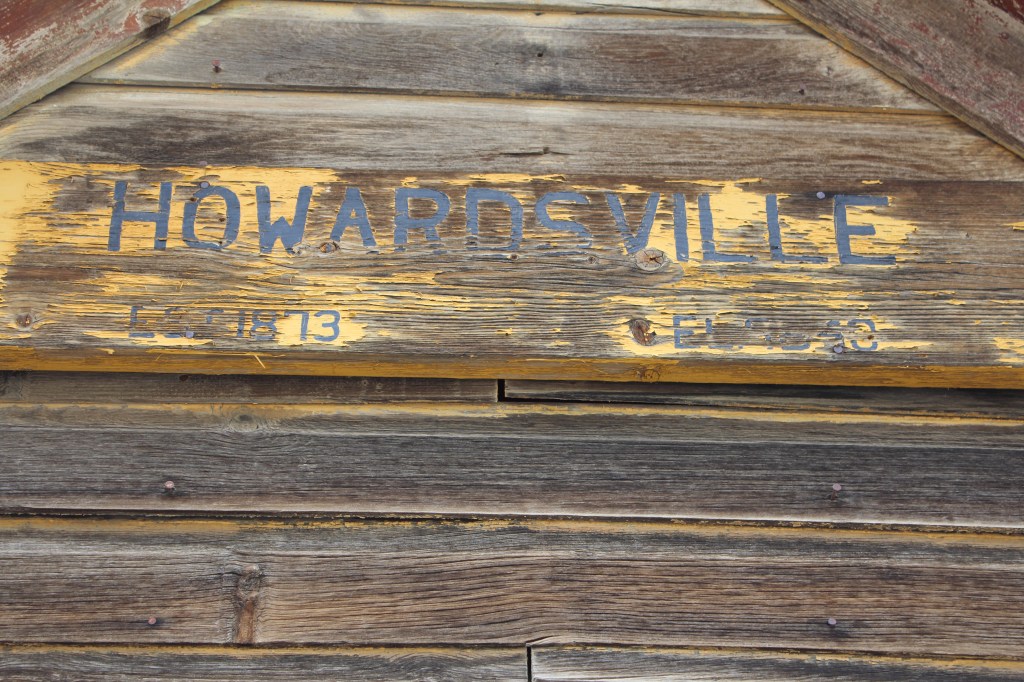
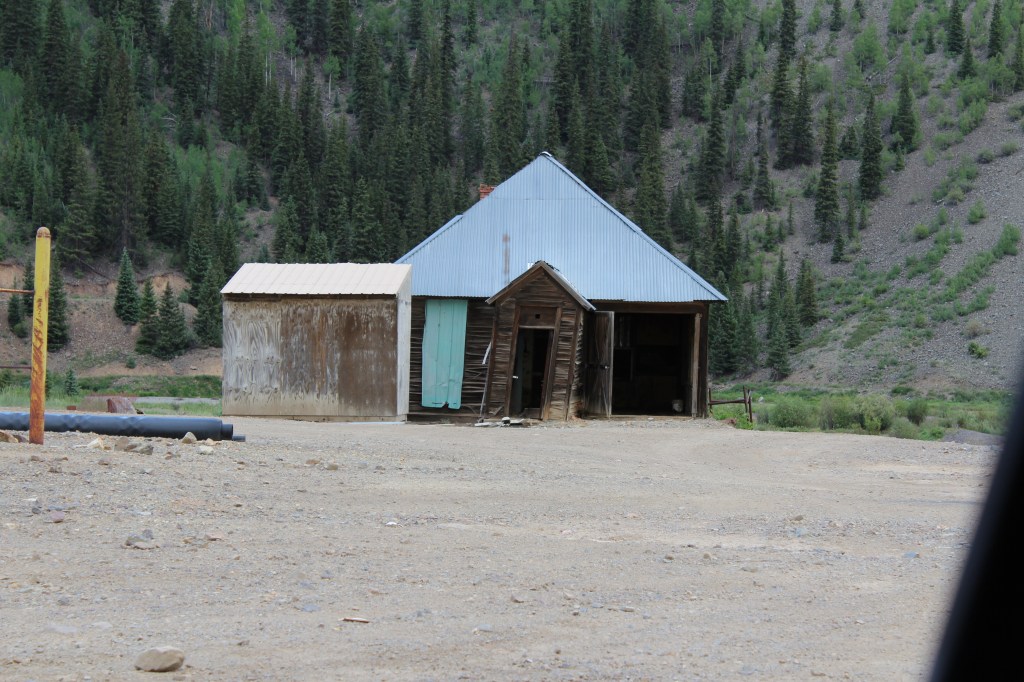
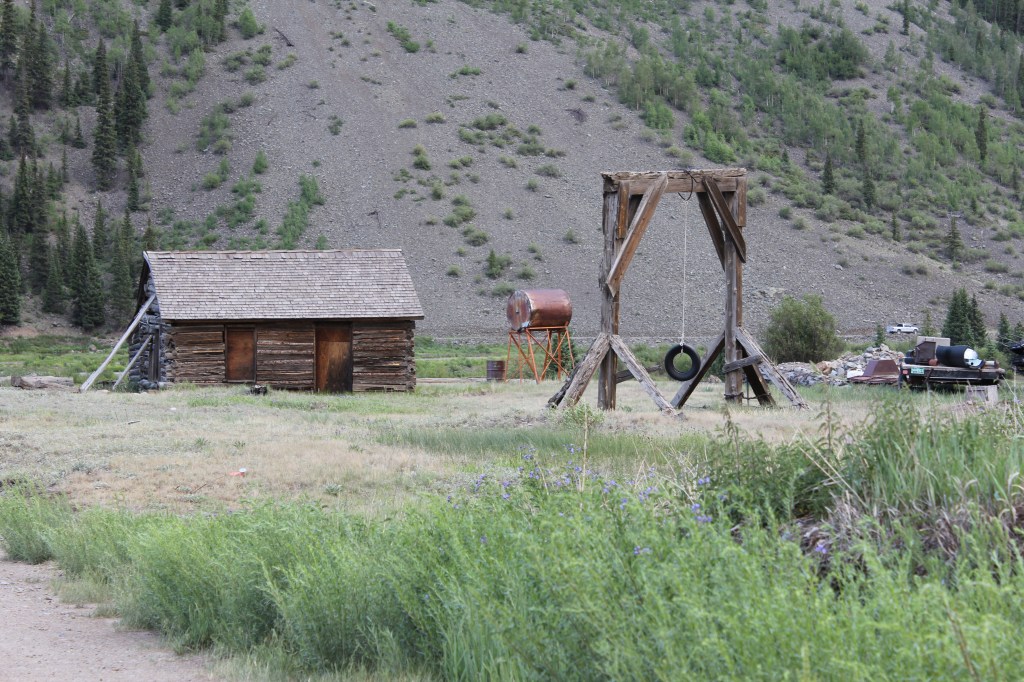
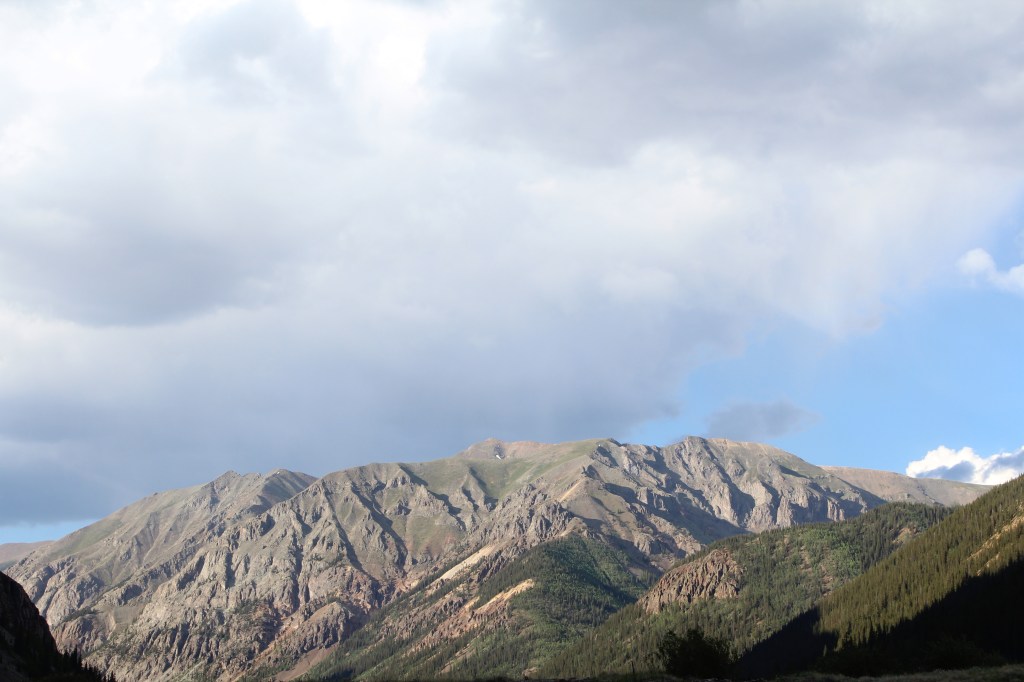
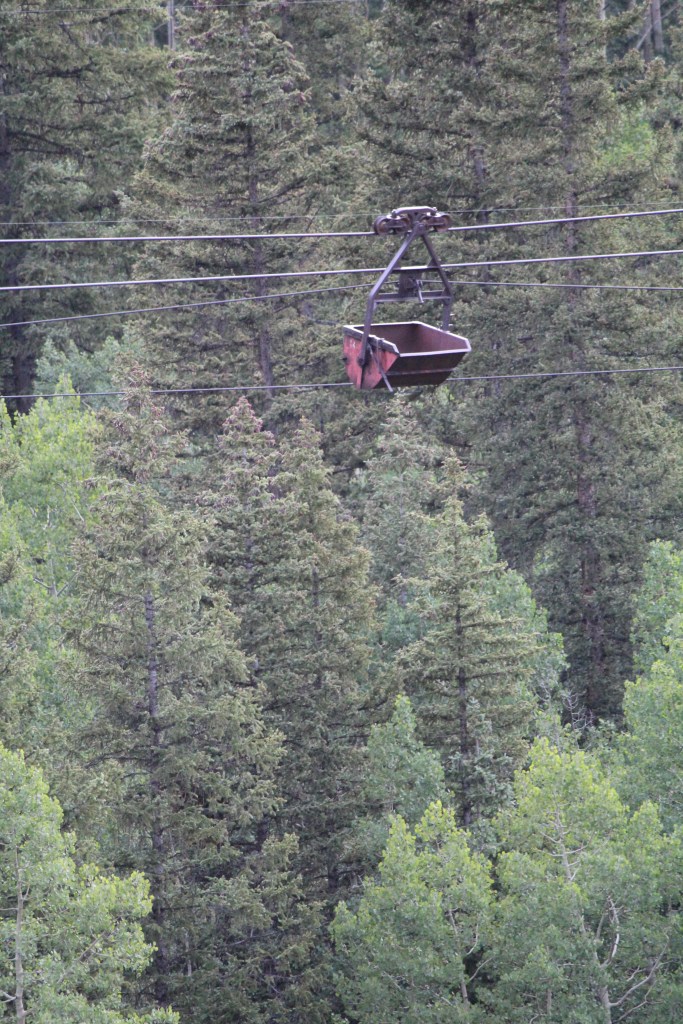
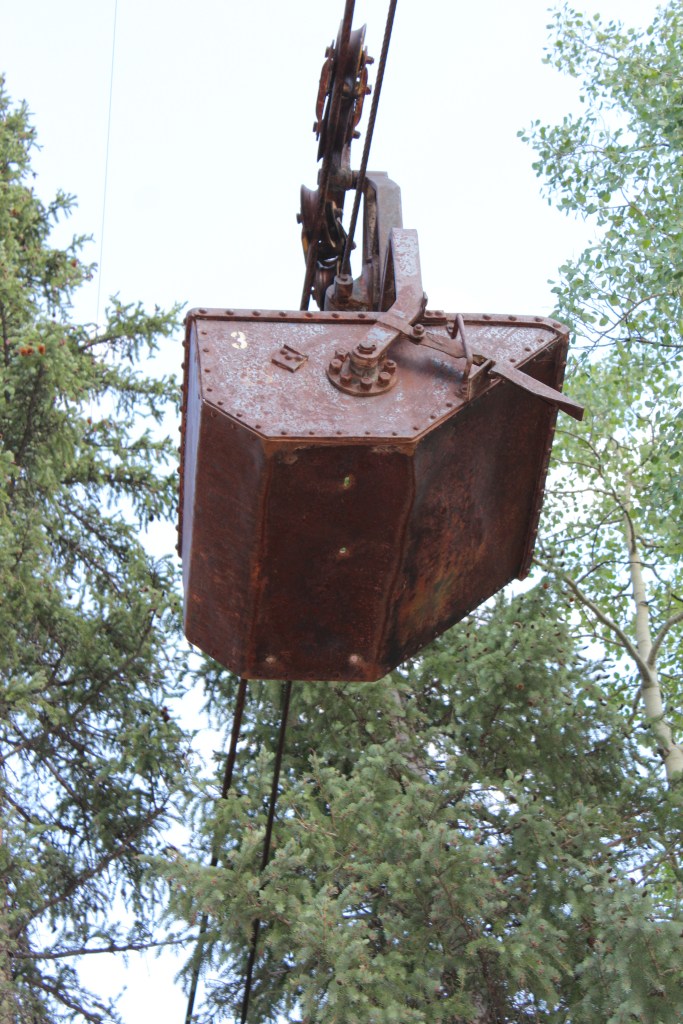
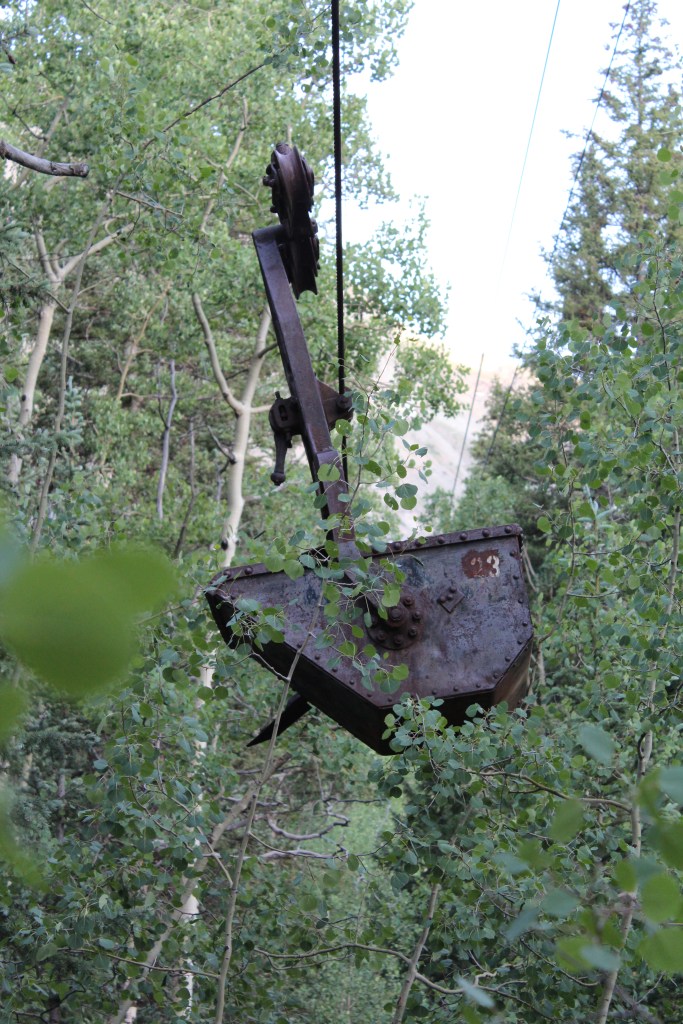
My final stop of the day was Howardsville, Colorado. This may have been the most interesting stop of the day, due to its amazingly intact aerial trams – more on that below. For now, let’s just take a look around town, shall we?

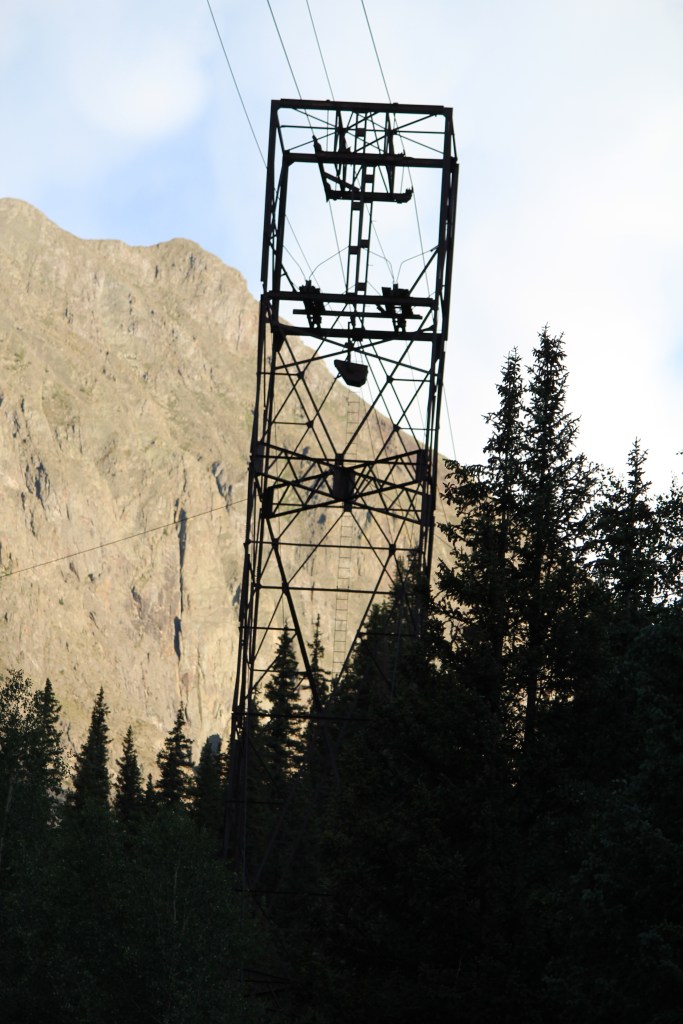
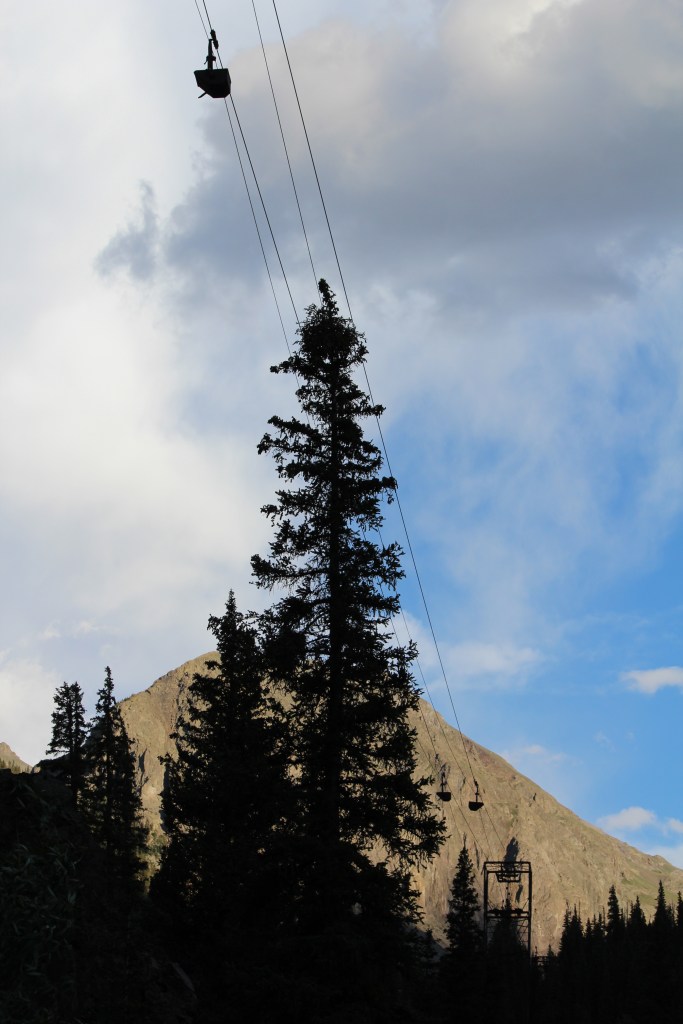
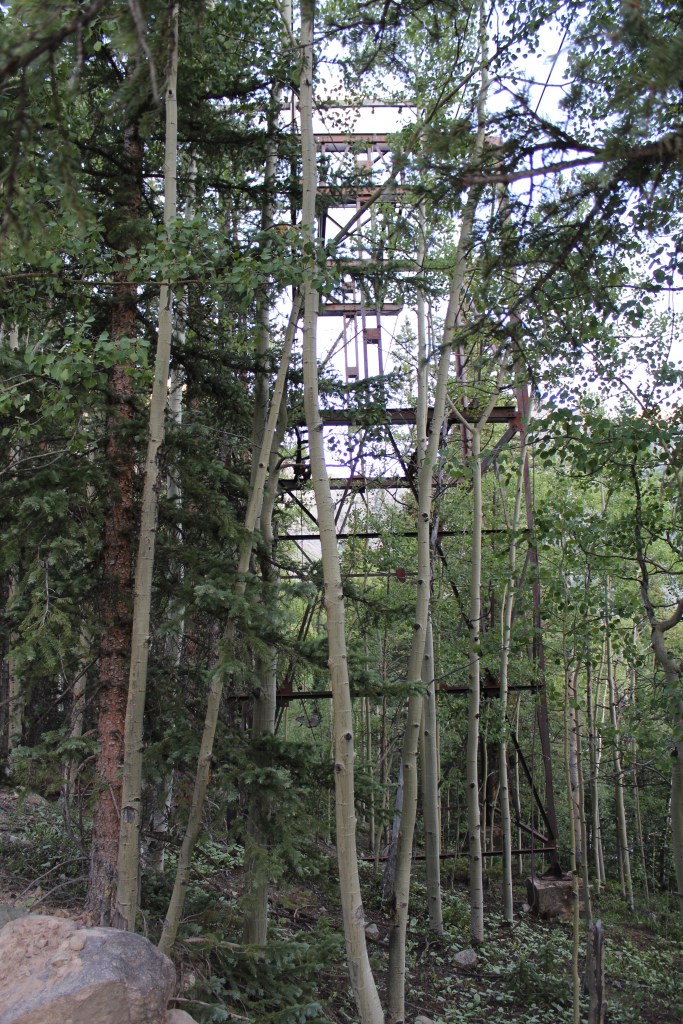
Thanks to Indiana Jones movies, runaway mine train rides at amusement parks, and some of the photos I have posted previously, you are no doubt familiar with ore carts. Generally speaking, ore carts roll on iron rails, like a miniature railroad. But what is a mine owner to do when the mine entrance is located way up on the side (or even the top) of a mountain? How does the ore get to the mill, when the mountainside is too steep and/or treacherous to support one of these miniature railways? The answer is often an aerial tramway. When you hear the words “aerial tramway” you may think of a ski lift, and you’d be right. The aerial tramways employed by mines are basically ski lifts; the main difference being that the seats have been replaced with iron buckets. These buckets carry ore down from the mine and carry supplies up to the mine. And though they were not designed to be seating for humans, they often carried the miners to and from the mine. I have seen old tram towers at Gilman, Nevadaville, and a couple other Colorado mining districts, but Howardsville is the only place I can think of where a long-abandoned aerial tram still hangs in the air, as if suspended in time. And there’s not just one, but two of ’em! Photos of one are below; photos of the other can be found at the end of part three of this series.


Afternoon Delight!
And so my day ended. The next morning, I checked out of the hotel in Silverton and headed north to my next major stop: Black Canyon of the Gunnison National Park. But that’s a story for next week. Until then, Happy Christmas, Merry Hannukah, and a belated Joyous Cedstice!
 Voyages with Parkinson's