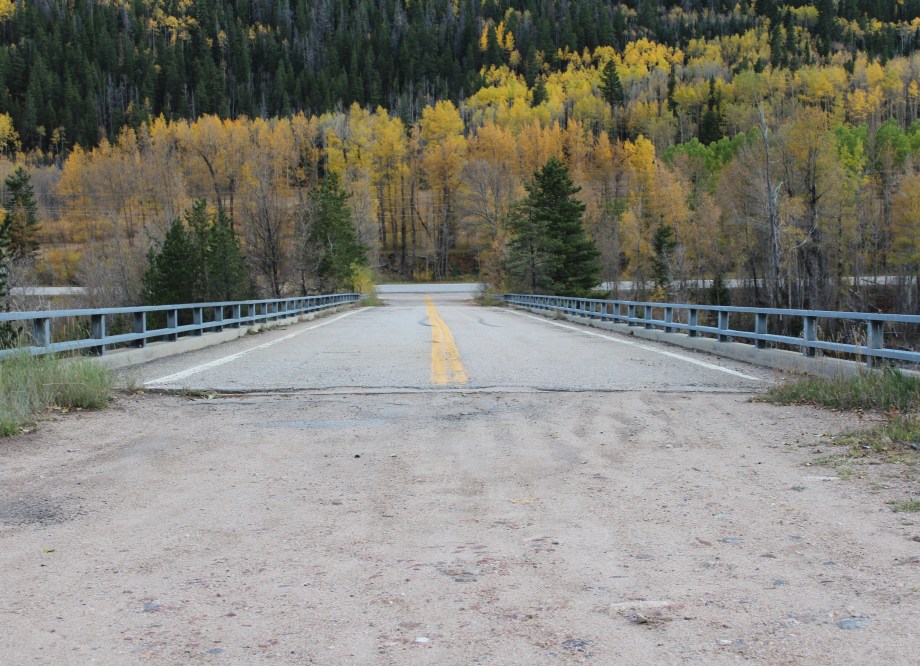
A long time ago, in a state far, far away (i.e., Colorado in the early 2000’s), I went driving west of Silver Plume to see if I could find any vestiges of the old silver / gold mining days along Silver Valley Road. This road mostly consists of the old U.S. Highway 6, though it is now basically a frontage road for U.S. Interstate Highway 70. As I puttered slowly along, I watched for side roads that might lead to anything interesting, and I came upon this:

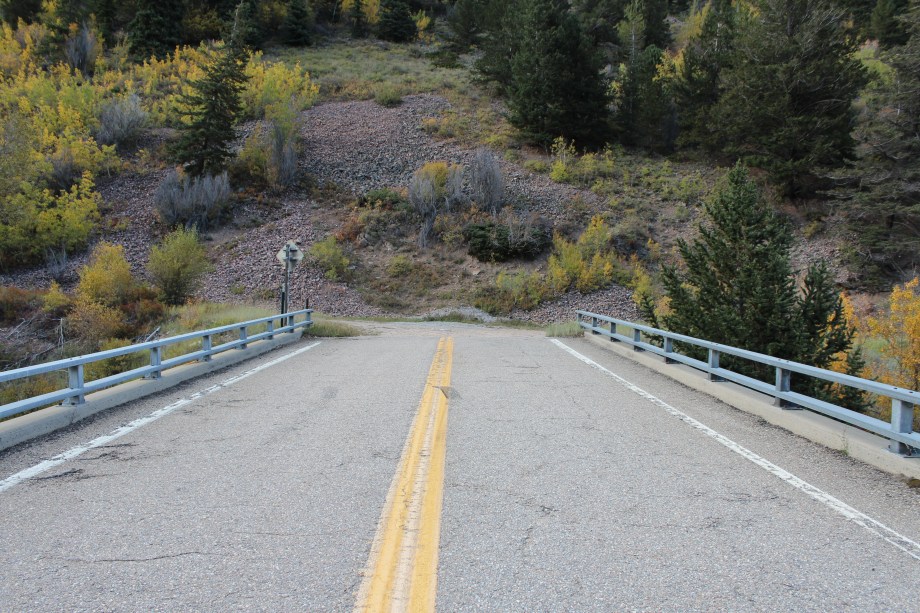
Once I reached the end of the pavement, I pulled my car off to the side and got out to look around. I found that the road forks, giving birth to three old-looking roads; each of the three was the caliber of road that we used to call “two-tracks” when I was a yung’n. It seems to me that all three were seriously overgrown and didn’t look drivable. So, I headed back across the overpass and continued along my way. For many years, the existence of this seemingly pointless overpass remained lodged in my brain. Then, on my most recent visit to Colorado (in October 2022), I had some spare time on my way from the mountains back down to the cities. I decided to take the opportunity to thoroughly photograph what I have for years called the Overpass to Nowhere. I started with a picture of the intersection where the frontage road meets the mystery road, looking uphill (west) along the frontage road…

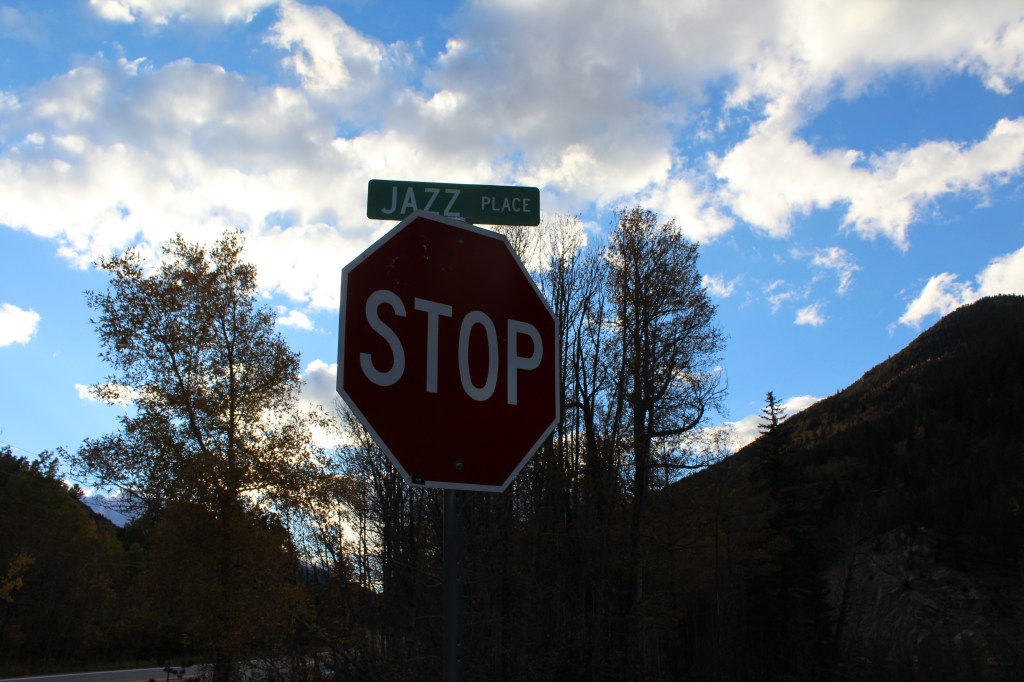
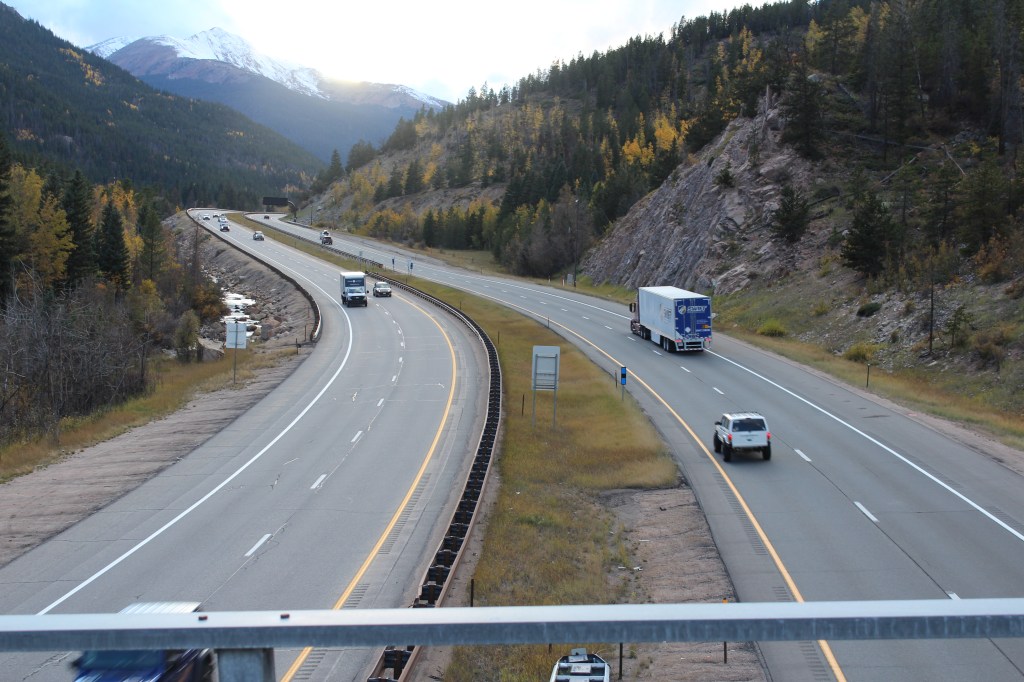

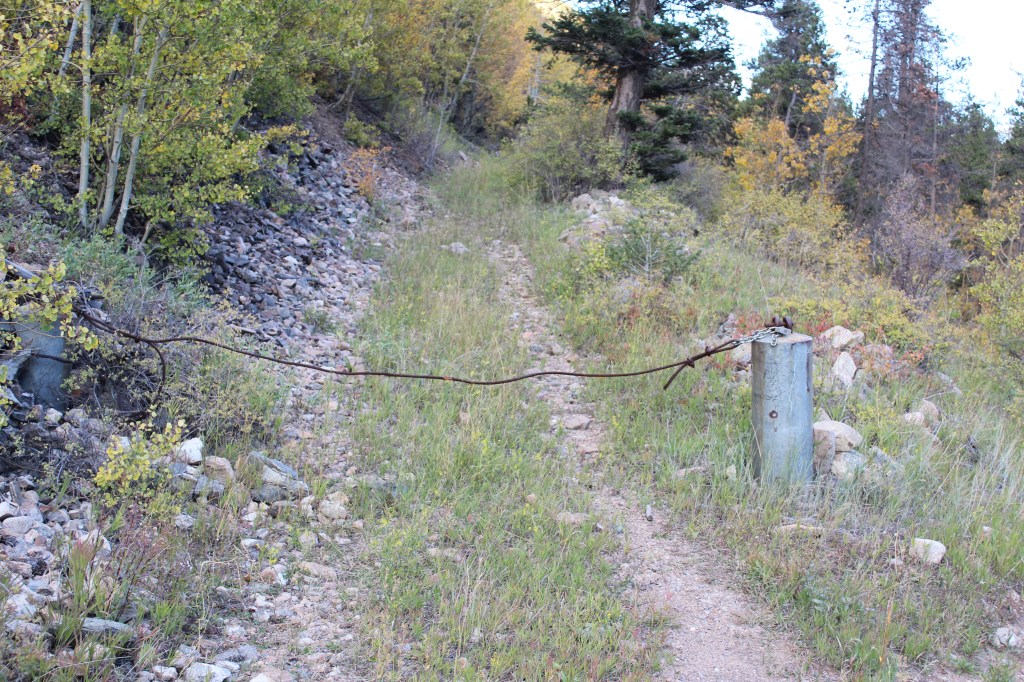

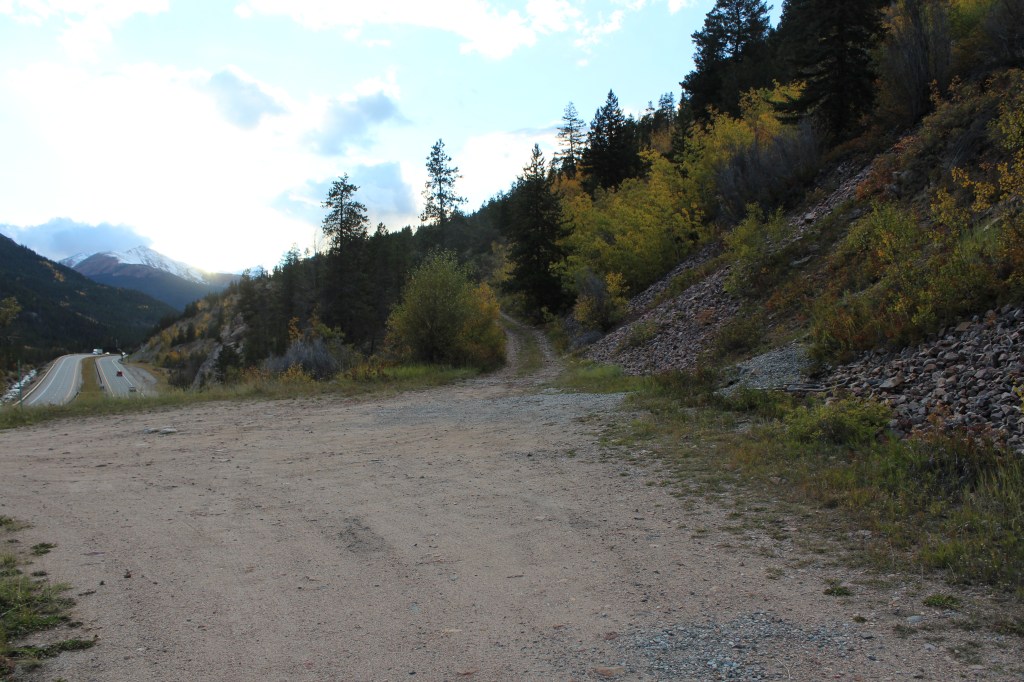
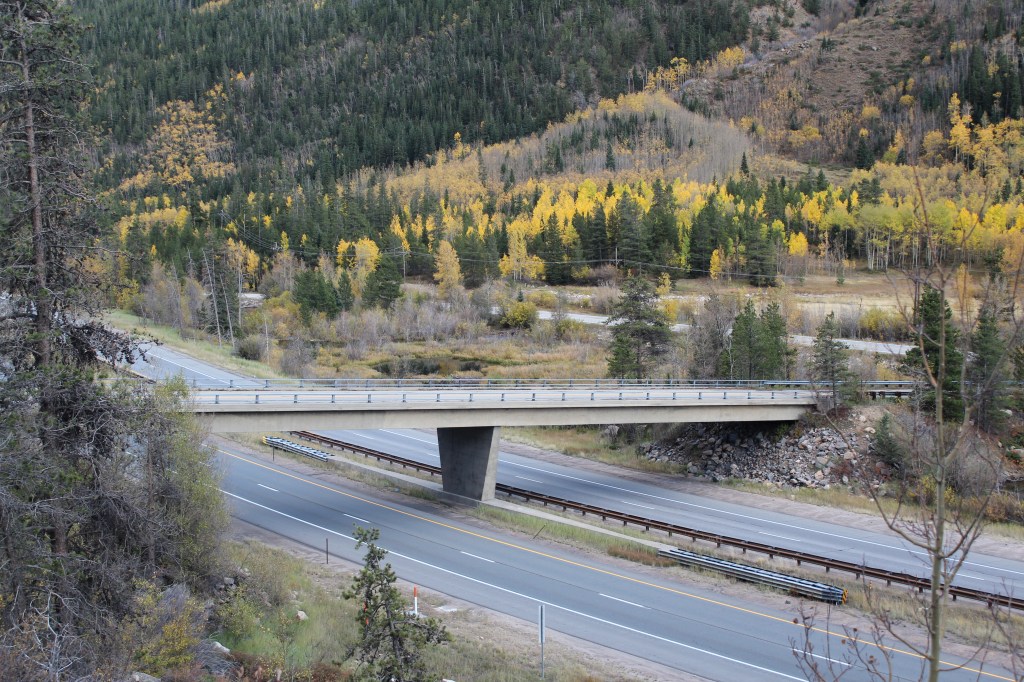
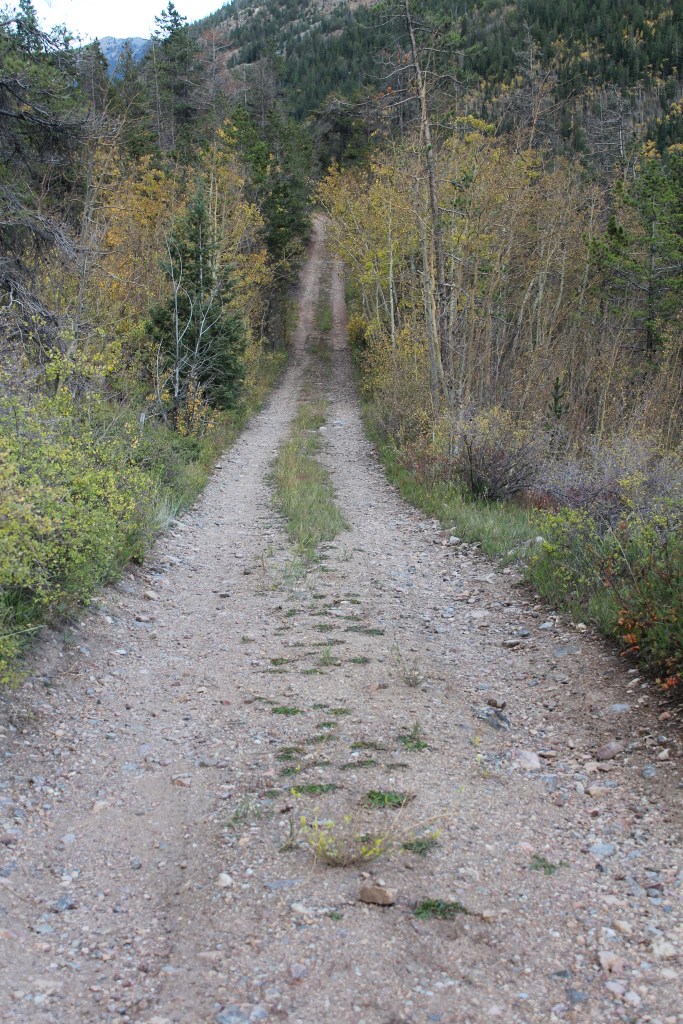
Since two of the three forks now appear navigable, I was tempted to try driving them to find out what (if anything) they may lead to. Then it occurred to me: they might be driveways leading to private homes. But if that were the case, I would expect to see “No Trespassing” and/or “Private Drive” signs, and maybe even gates. There were no such warnings or obstacles. On the other hand, there were also no signs indicating these roads lead to any forest access, or any other public facilities. At this point, I had used up my spare time, so I didn’t explore any further. I continued on my way downhill to the Mile High City, leaving the further exploration of Jazz Place for another day…or perhaps another method.
Over the years, I have occasionally turned to Google in an attempt to find out more about this seemingly purposeless overpass, but I was never able to come up with a combination of keywords that produced any relevant results. Now that I had a street name to go on, I was hopeful that I could finally uncover something. Alas and alack! Even combining “Jazz Place” with any and all of the pertinent keywords I could think of, I was still getting nowhere. Suddenly, to my own shock and disfigurement, I realized I had never looked at the Overpass to Nowhere on Google Maps! So, I fired it up. To my amazement, Google Maps actually shows all three of the branches as legit roads. What’s more: they have numbers! The left fork is identified as Forest Service Road 534.1, while the right and middle forks are both labeled as Forest Service Road 534.1A. Armed with this knowledge and Google Earth Pro, I was able to finally come up with some answers.
The middle fork appears to be about a quarter of a mile long, and ends at what may have been a silver mine. The right fork goes about half a mile before ending near some foundations that may represent an old ore mill. The left fork goes about three quarters of a mile before branching again into three dead-end roads, none of which has any clear reason for existing. According to the U.S. Forest Service, these roads are open to “distributed camping”. However, I also found where one camper claims county cops came calling and kicked him to the curb. Well, not the curb; they told him camping wasn’t allowed there.
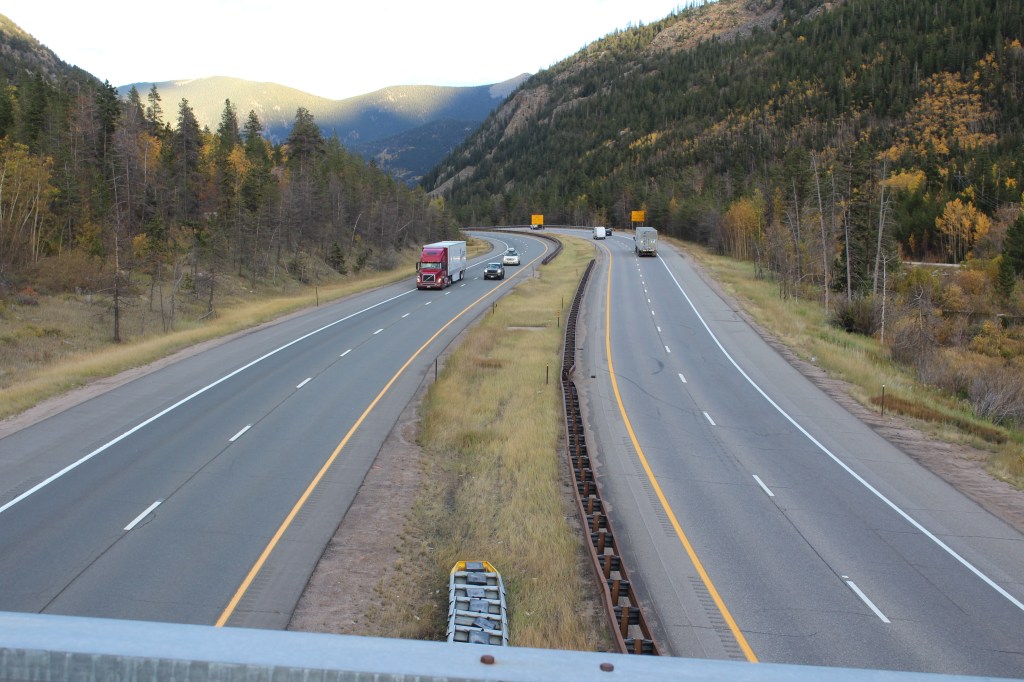
This portion of Interstate 70 was not built until the 1970s; I assume that’s when this overpass was built. All mining activities in this area had been abandoned by the 1940s at the absolute latest. So, it seems the overpass was built to allow access to mines and/or mills that had already been defunct for decades and/or to allow access to camp sites that the local police won’t allow people to use. And even if you could use them, they’re on a mountainside overlooking a major U.S. Interstate Highway – and who wants to hear semi-trucks all night when they’re trying to escape to the great outdoors? Thus, when all is said and done, it remains the Overpass to Nowhere.
 Voyages with Parkinson's