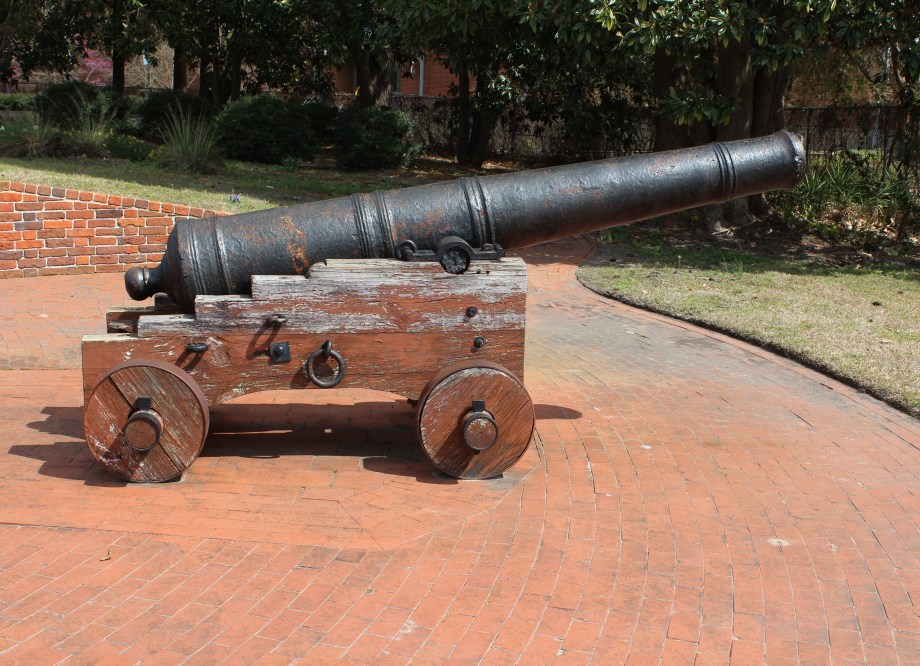
When I stopped working, in January 2020, it was my intention to take a trip of at least one week, every other month. Obviously, COVID-19 interfered with that, but when I set off that Spring on my first trip to North Carolina’s coast, I had no idea I’d end up cutting the trip short due to all the businesses, museums, and beaches closing. But this was planned to be a long trip, so I still got to see a lot before heading home. So much, in fact, that I’m spreading it across two ThrowBack Thursdays. So read on for part one of my adventures on the North Carolina coast.
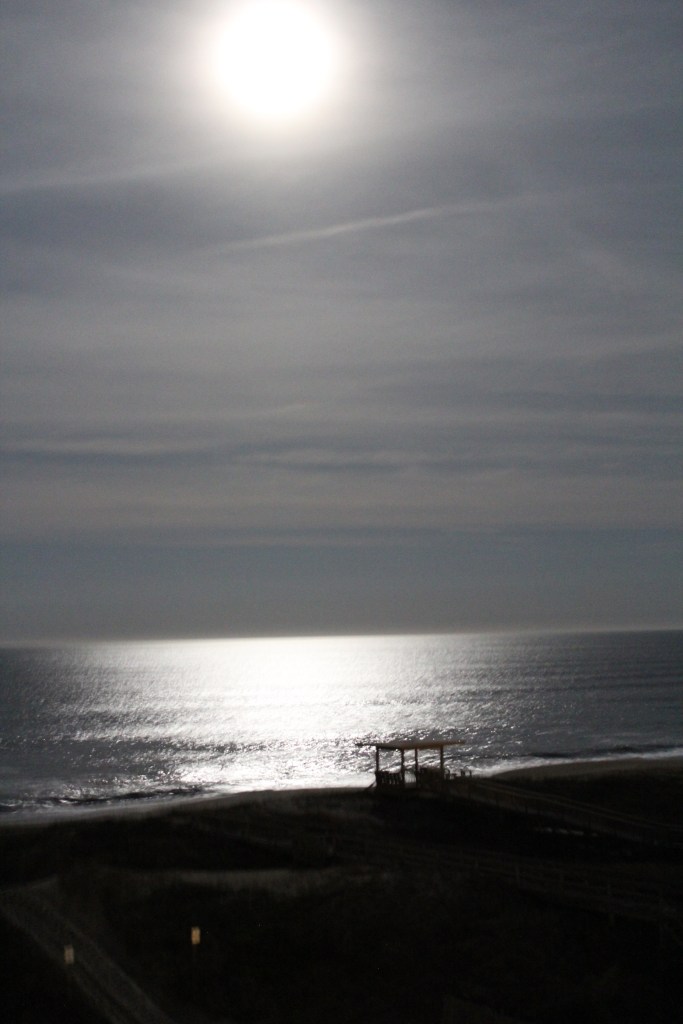
It was late afternoon when I arrived at the Best Western Ocean Reef Suites in the town of Kill Devil Hills, North Carolina. Once I got checked in, I headed straight to the hills and killed some devils. When I got back to the hotel, I realized the lobby and parking lot were a freakin’ mess! But this seemed to be due to a remodeling in progress, and every hotel has to go through remodeling at some point(s) during its life, so I overlooked the mess. Besides, the room itself was fine, and the view from the balcony…well, take a look for yourself…
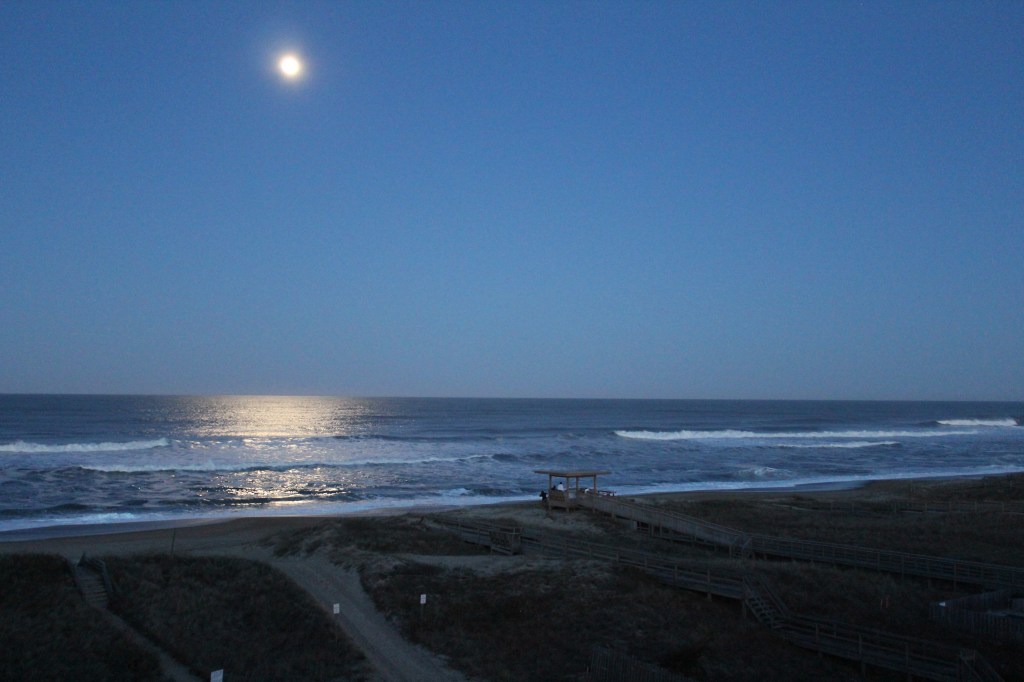
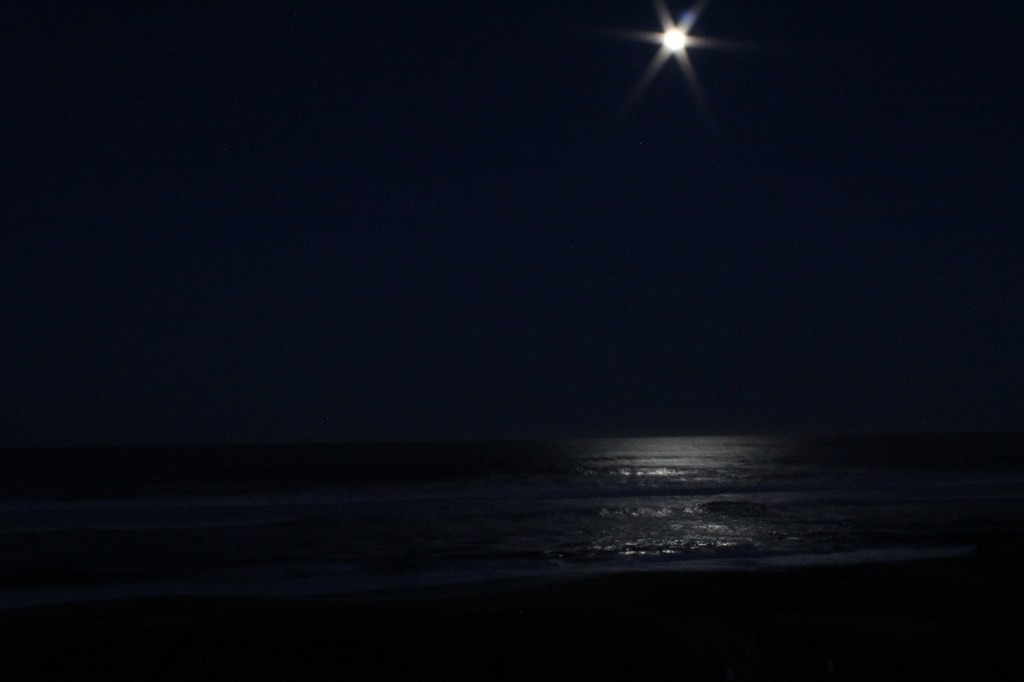
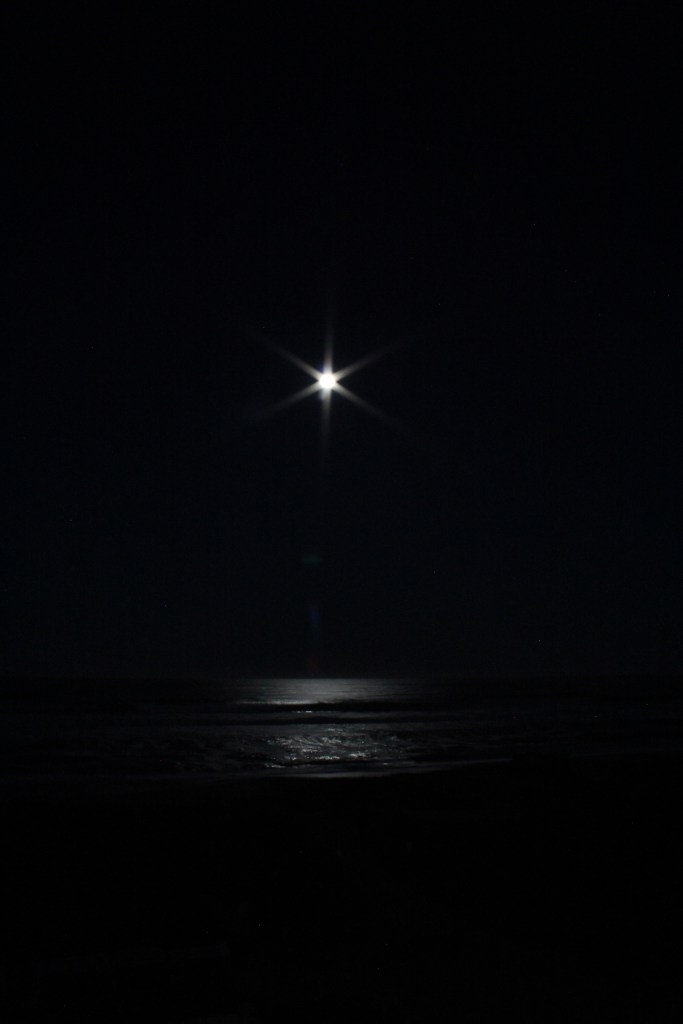
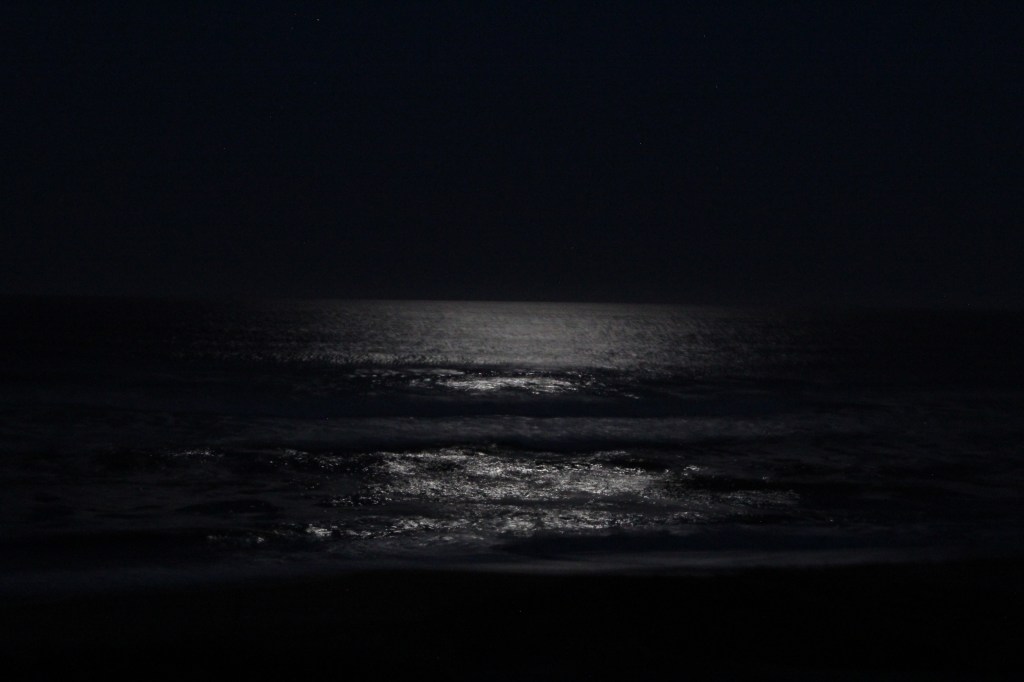
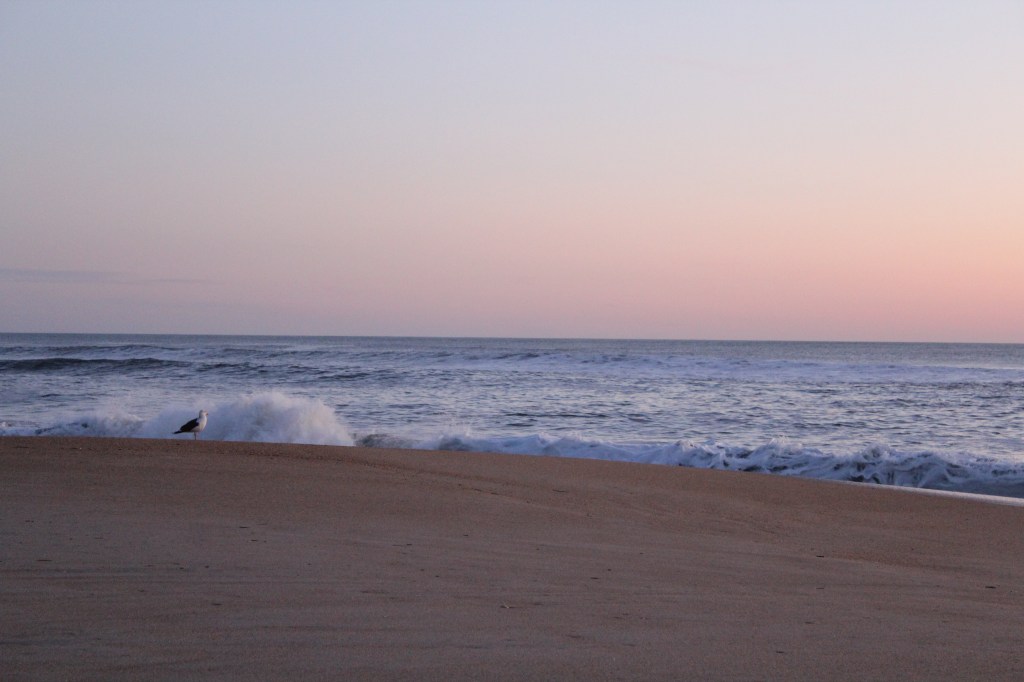
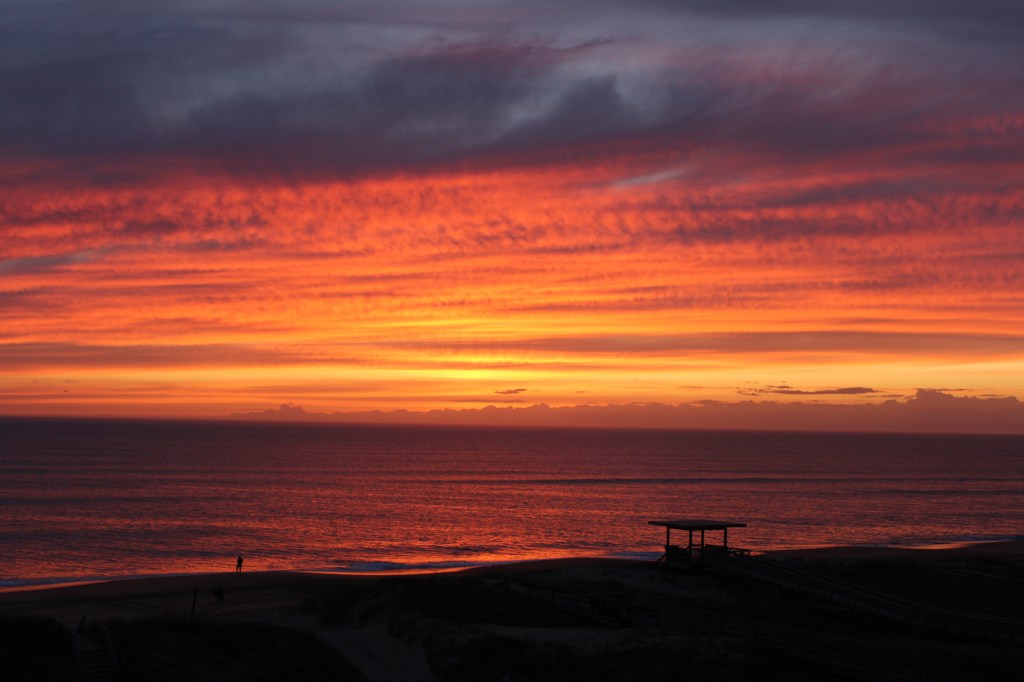
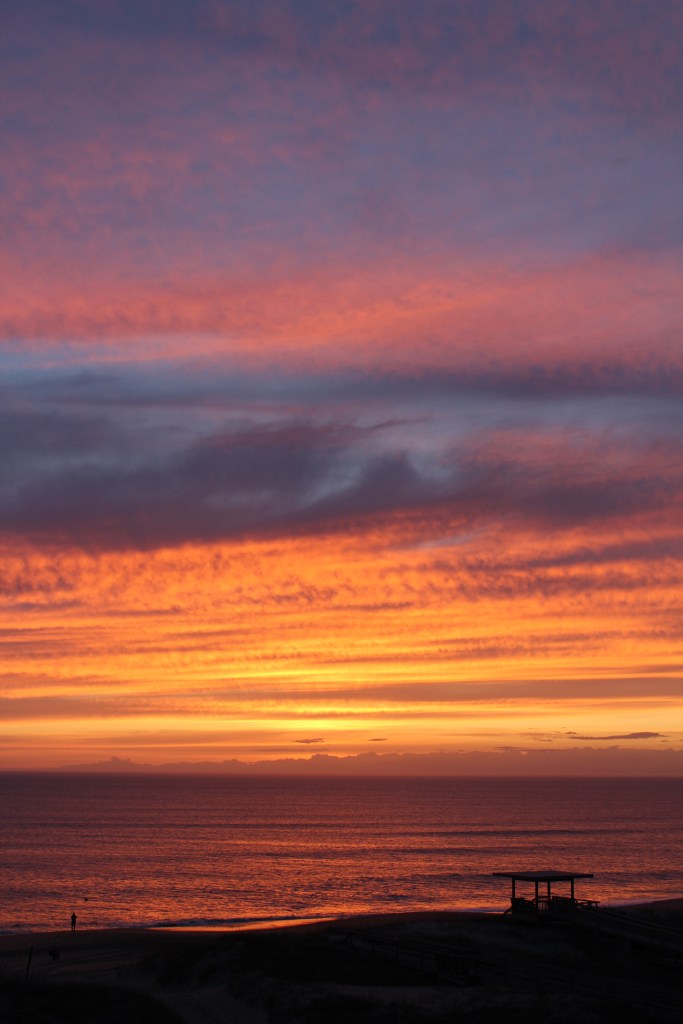
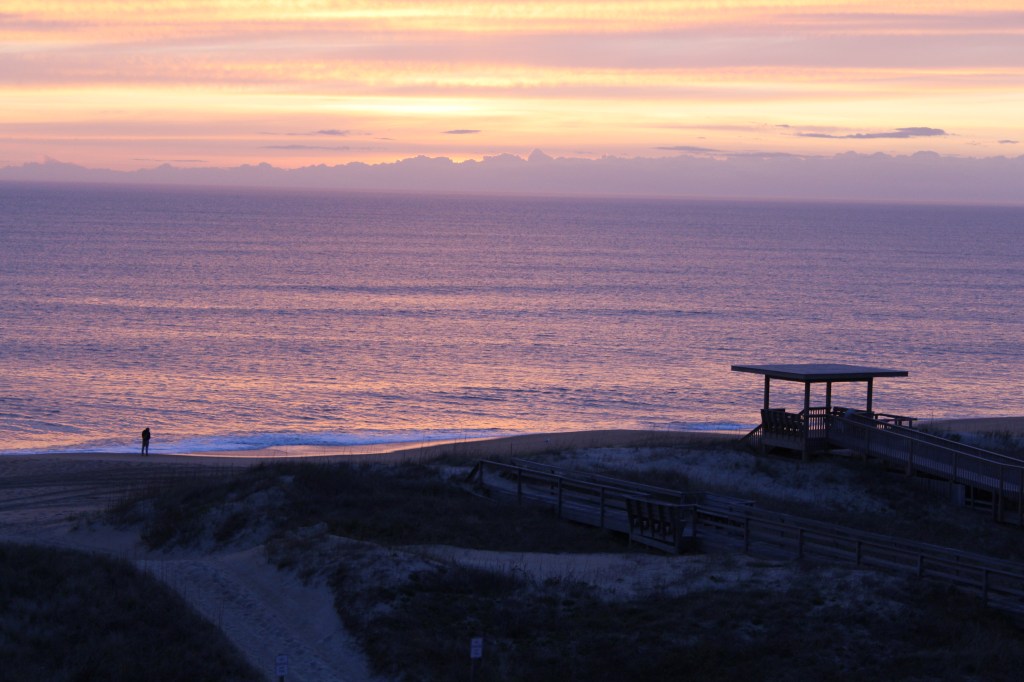
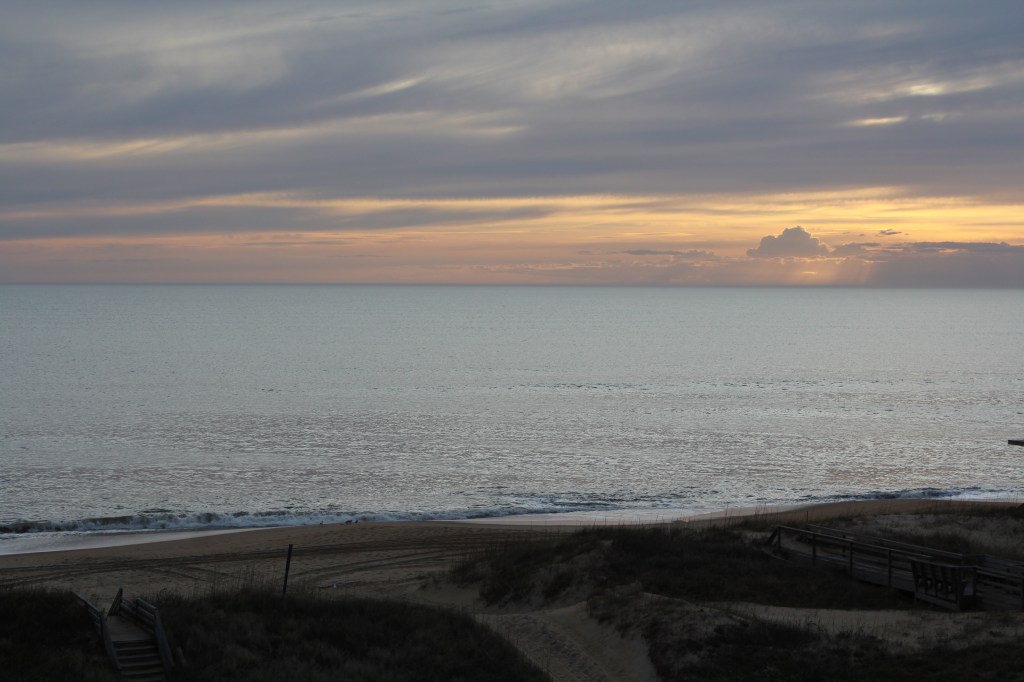
After seeing the moon rise, I knew I had to get up early enough to capture the sunrise as well. So I did…
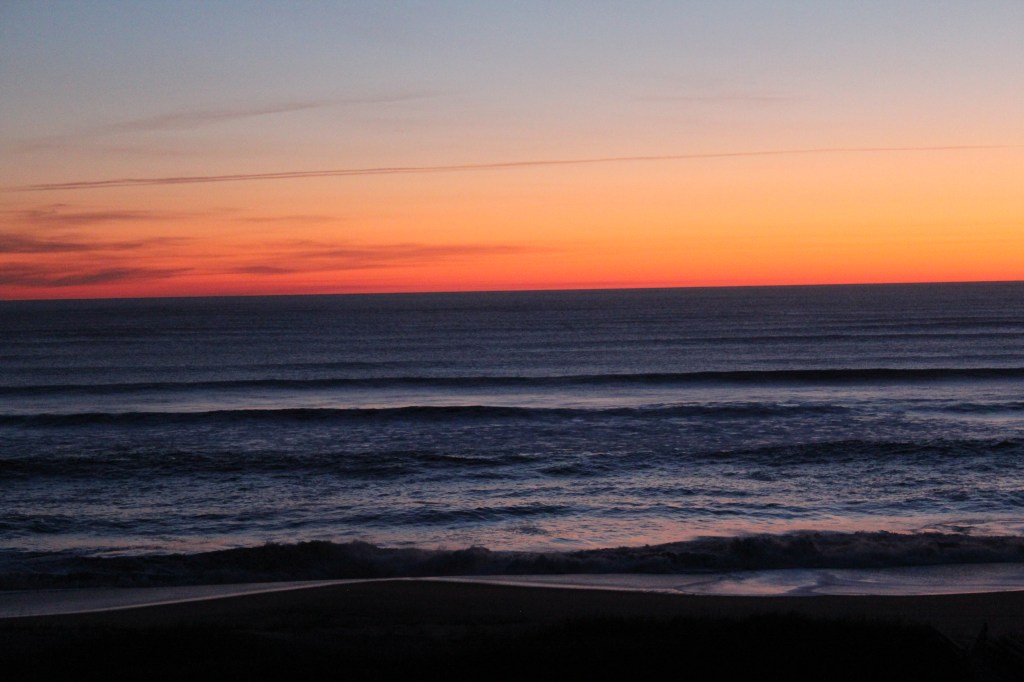
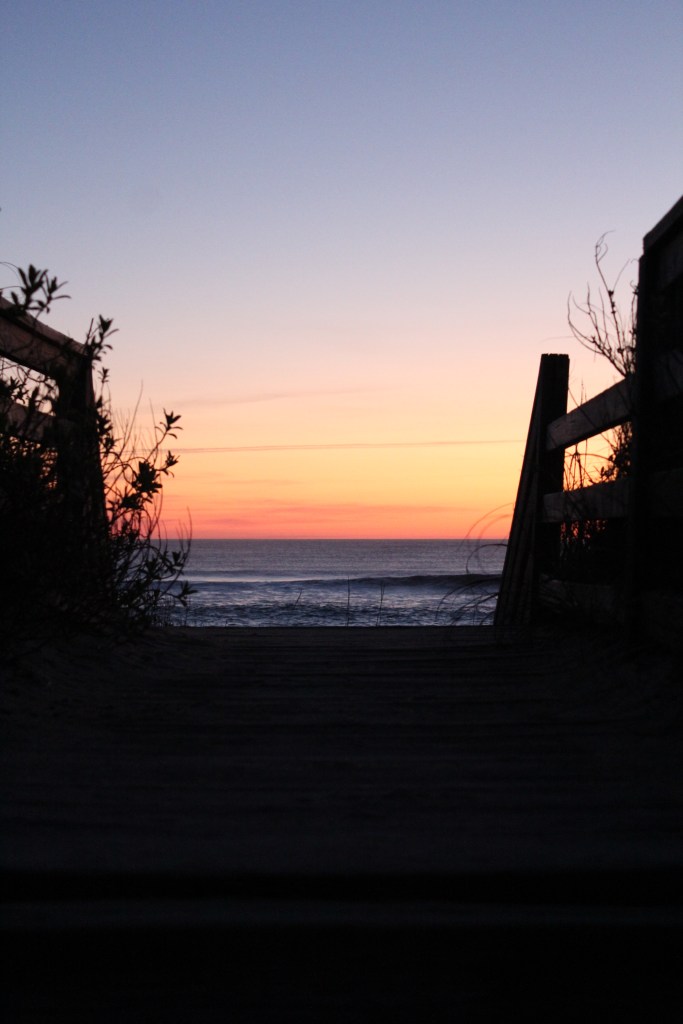
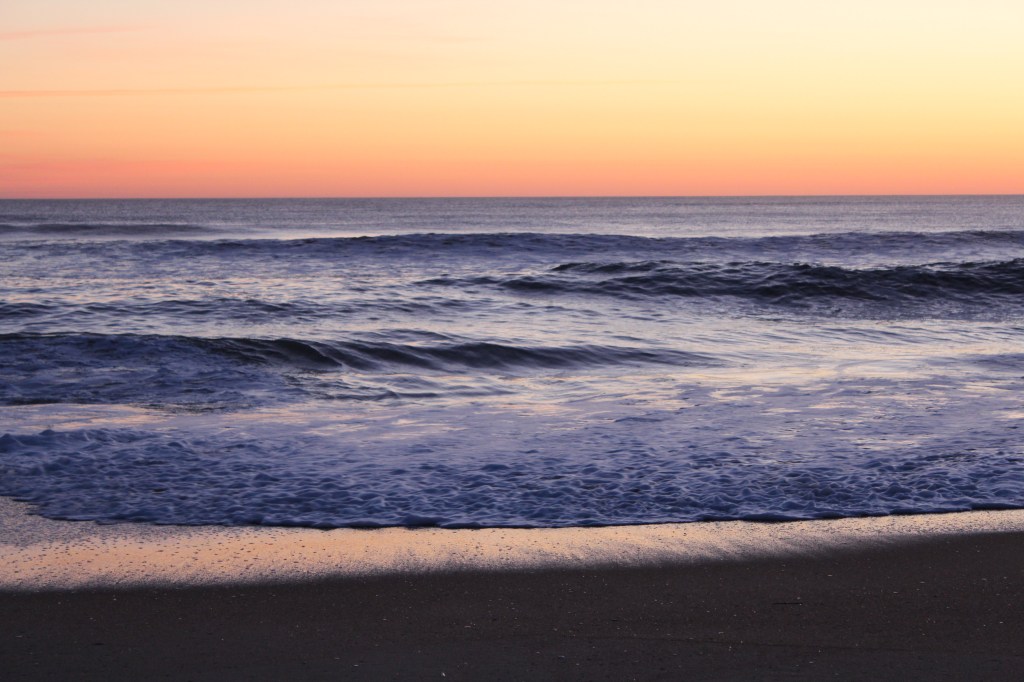
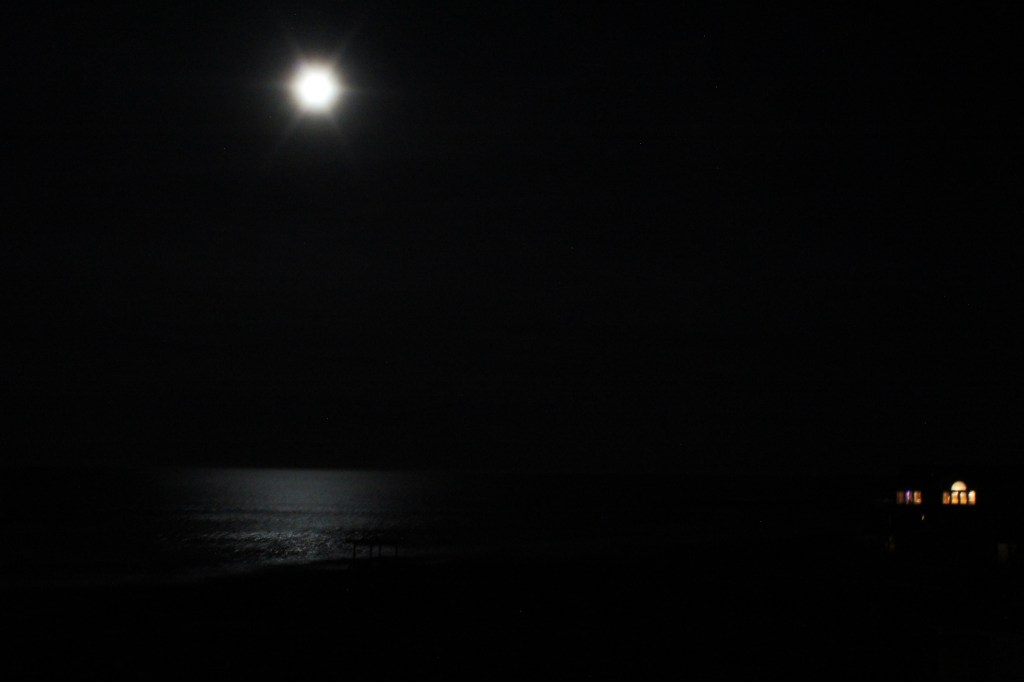
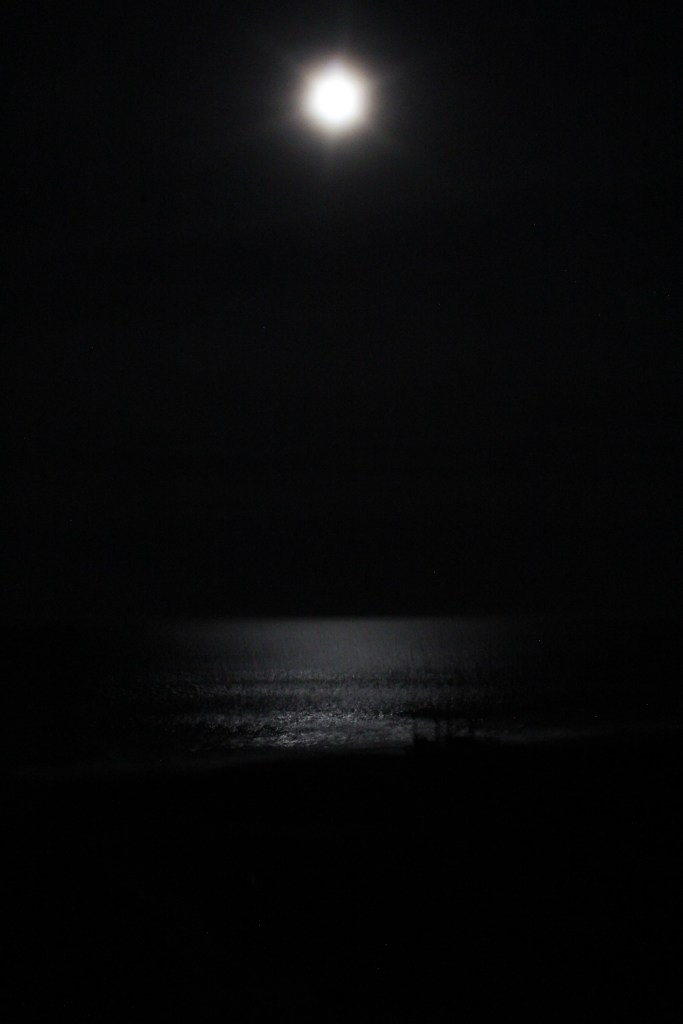
After I (hopefully) had some breakfast, I walked to the nearby Wright Brothers National Memorial. This is where the Wright Brothers made their first successful flights, and there are markers on the ground showing the start and end points of each of the first four flights. It’s almost funny how close together they all are. Those first few flights were incredibly short! There is a museum on the grounds as well, and it’s very well done. It gives the FULL story of the Wright brothers and their sister in great detail. One of the things I learned here is that the Wright brothers chose Kill Devil Hills as their testing ground specifically because they wanted a site with a consistent and strong headwind, which this place definitely provides. That, and the fact that sand is softer than many other natural surfaces (i.e., they anticipated a lot of crashes). After spending most of the day at the memorial, I was looking forward to getting some more moon rise pictures, which I did:
Of course, I was up early enough the next morning to get more sunrise pics. View them, won’t you?
My next destination was Fort Raleigh National Historic Site. I knew nothing about this place going in; it was simply something I had spotted on a map of the area while plotting this trip. All I knew was the name of the place, and that it’s located on an island between the Outer Banks and the mainland. I had no idea the name of the island was Roanoke! Yes, the Roanoke Island, site of England’s first attempted colony in North America! It makes no sense to me that they didn’t name this place Roanoke Colony National Historic Site. Are they trying to hide what is already hidden in the mists of history?
So, here’s what I thought I knew about the Roanoke Colony when I arrived on Roanoke Island:
A bunch of English folks were dropped off at Roanoke Island, tasked with establishing a colony. A couple years later, a ship was dispatched from England to check on the colonists but could find no trace of them.
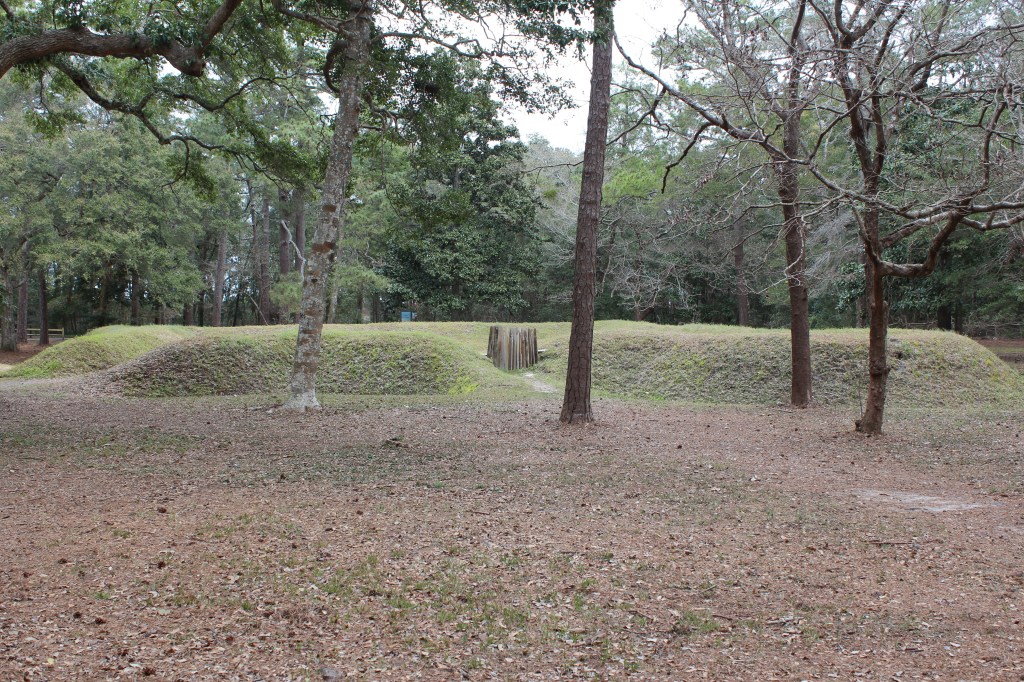
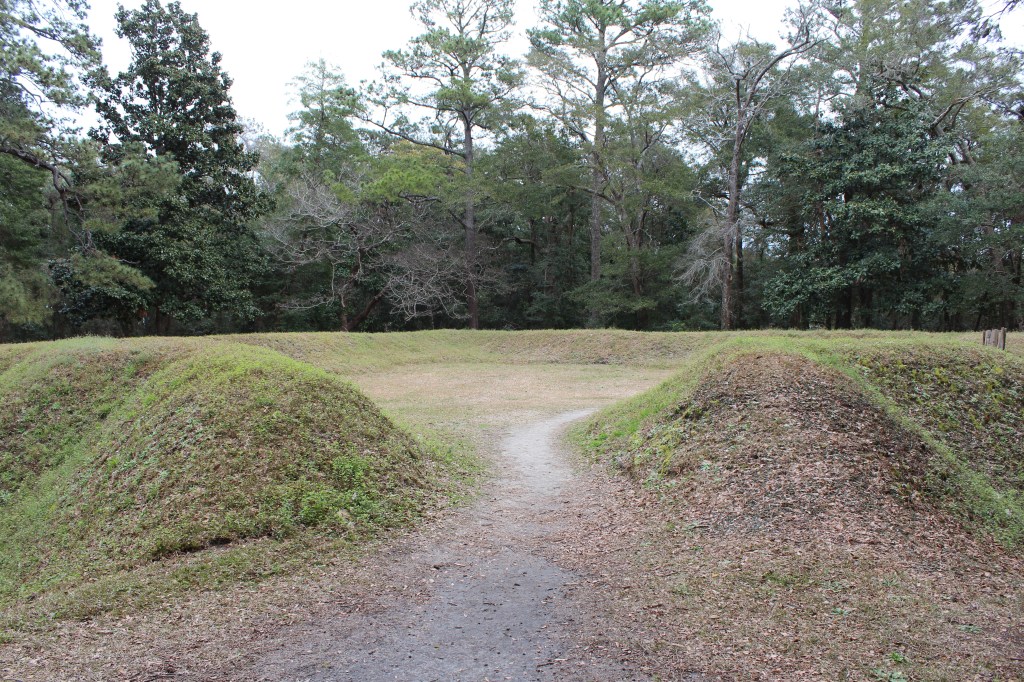
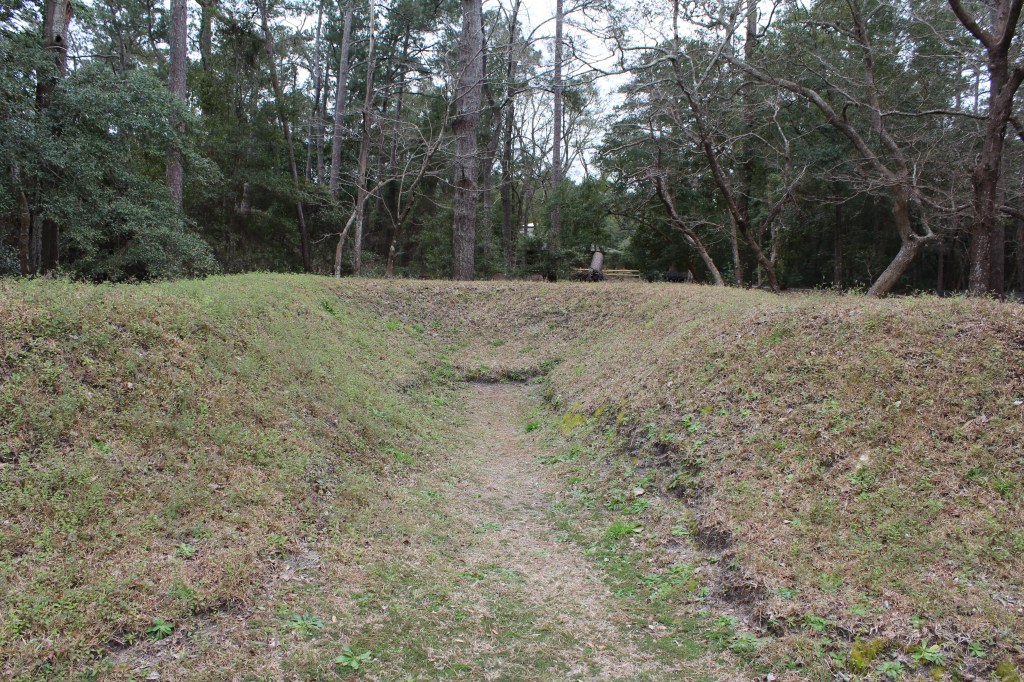
Turns out, it’s more complicated than that. First off, the “Lost Colony” was actually the second attempt to establish a colony on Roanoke Island. The first attempt was in 1585. These colonists built a small earthen fortification which they named Fort Raleigh (hence the name of the historic site), before deciding to abandon Roanoke and go back to England, which they successfully did. In 1587, a second group of colonists, led by John White, landed at Roanoke Island. After some problematic run-ins with the natives, White returned to England with the same fleet they rode in on, intending to acquire and return with needed supplies within a few months. But by this time, England was at war with Spain, and various wartime constraints and events prevented him from returning until three years later. When he finally returned, he found the colony protected by a wooden fortification but devoid of people. Unfortunately, the fleet had to move on, so they were unable to stay and investigate. Since then, there has been no trace found of the colonists, or even the wooden fortification reported by White.
As I roamed the grounds of this historic site, I found myself pondering. Not about what happened to the colonists, but rather, what happened to the fortification. I came up with an elaborate theory, which I may write up and post some time. For now, I’ll just tell you that it involves beavers and young male fish joining drug gangs.
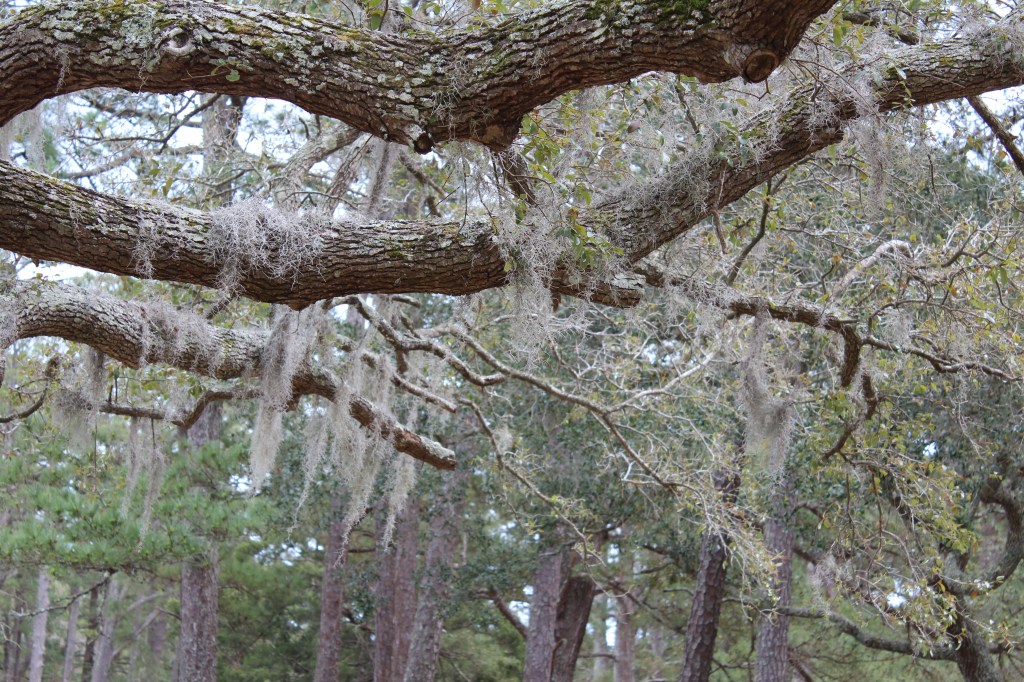
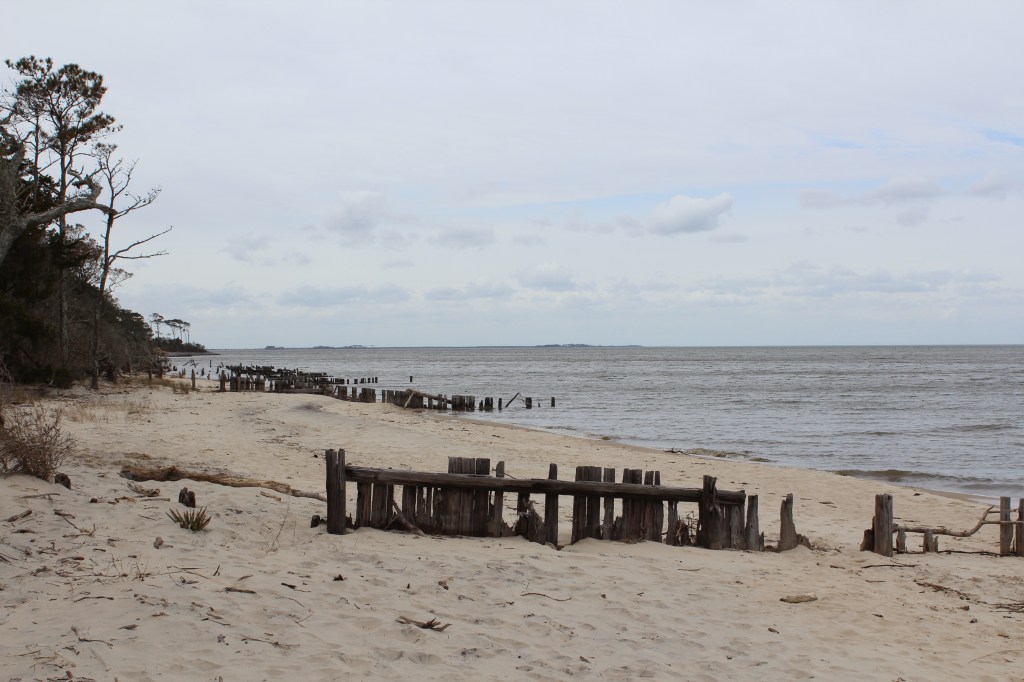
Oh, yeah. I also took a few pics while roaming the grounds:
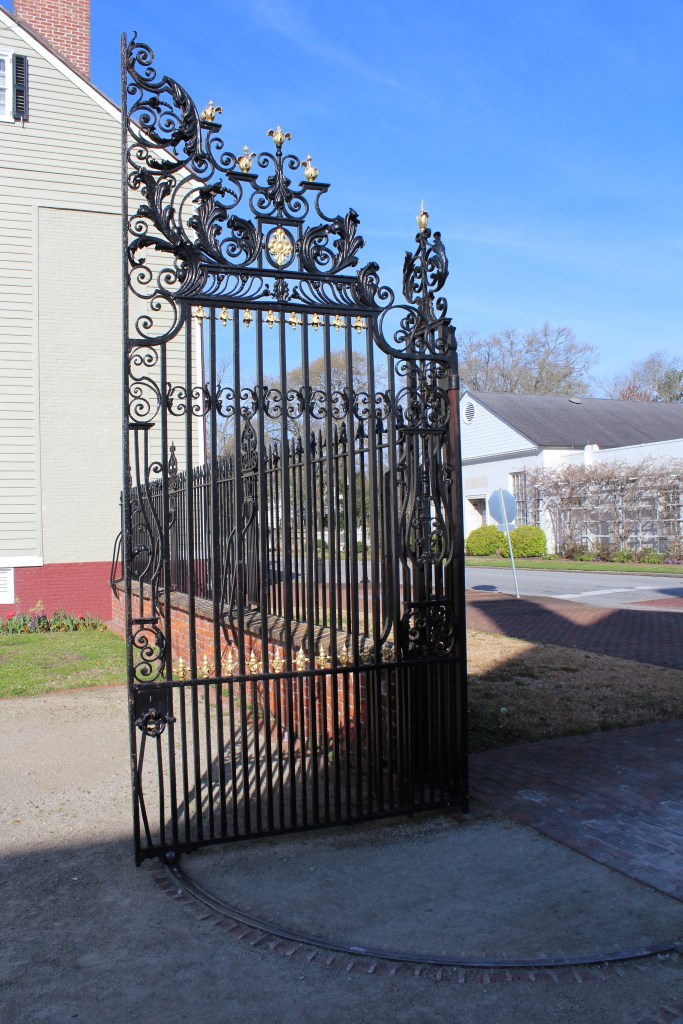
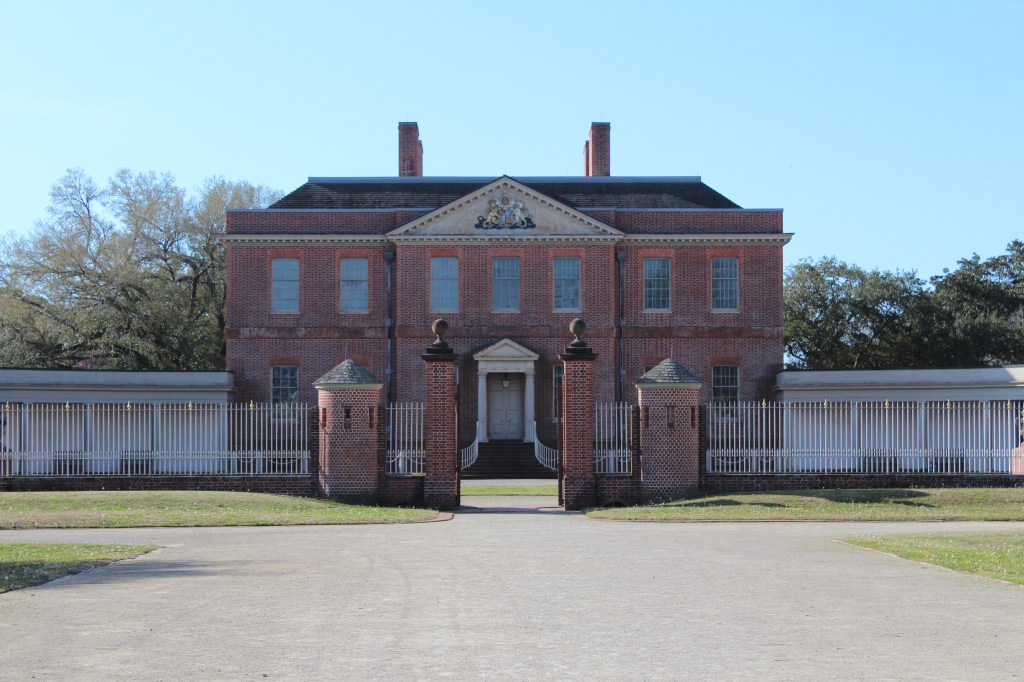
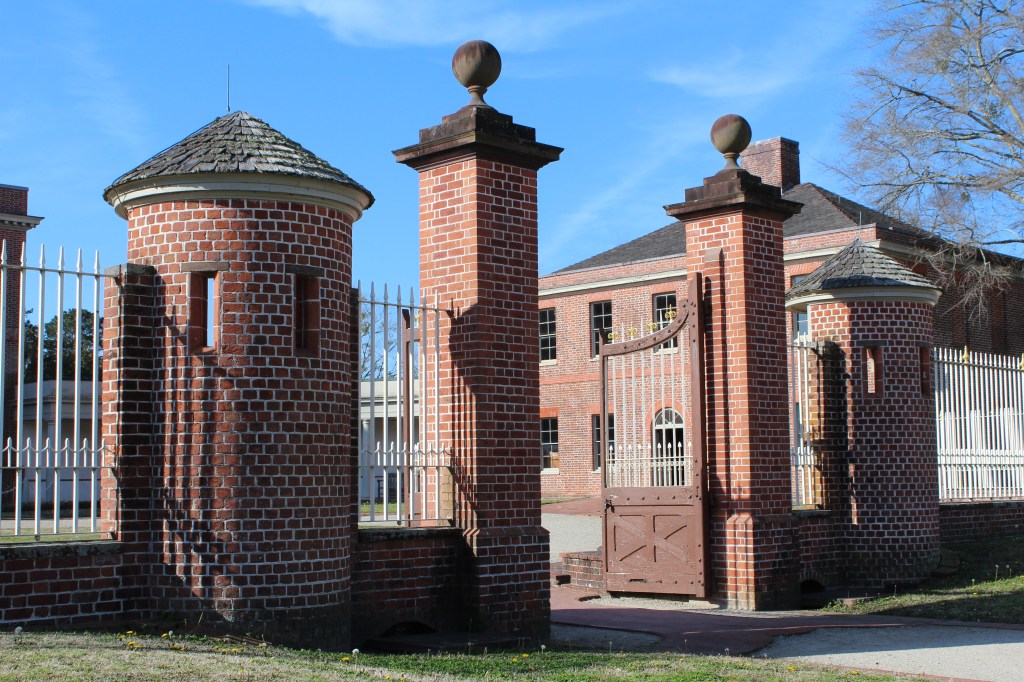
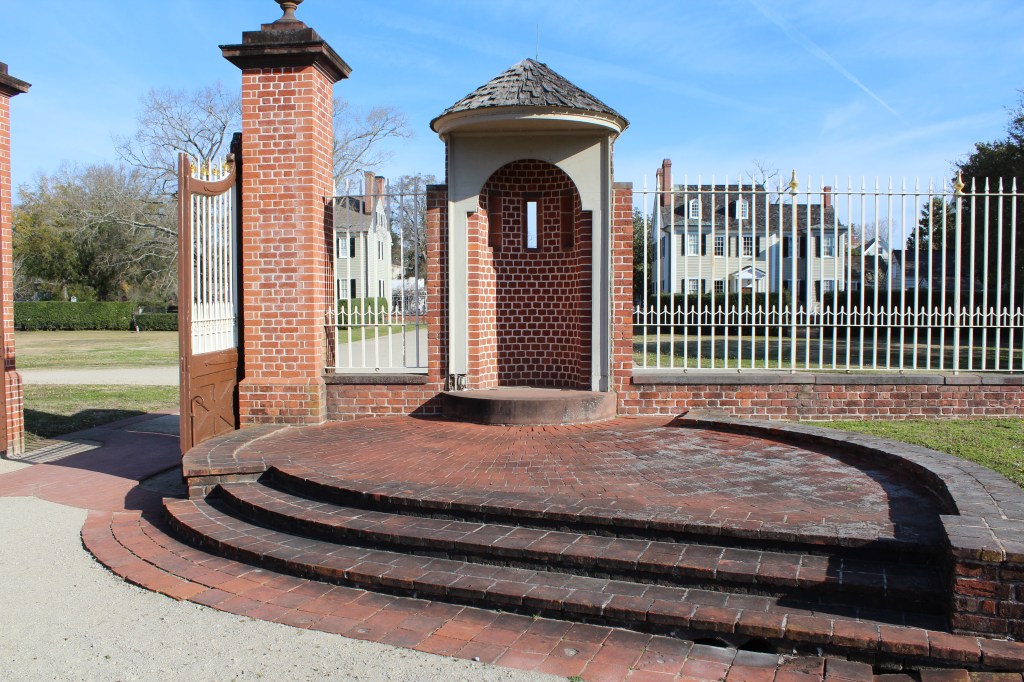
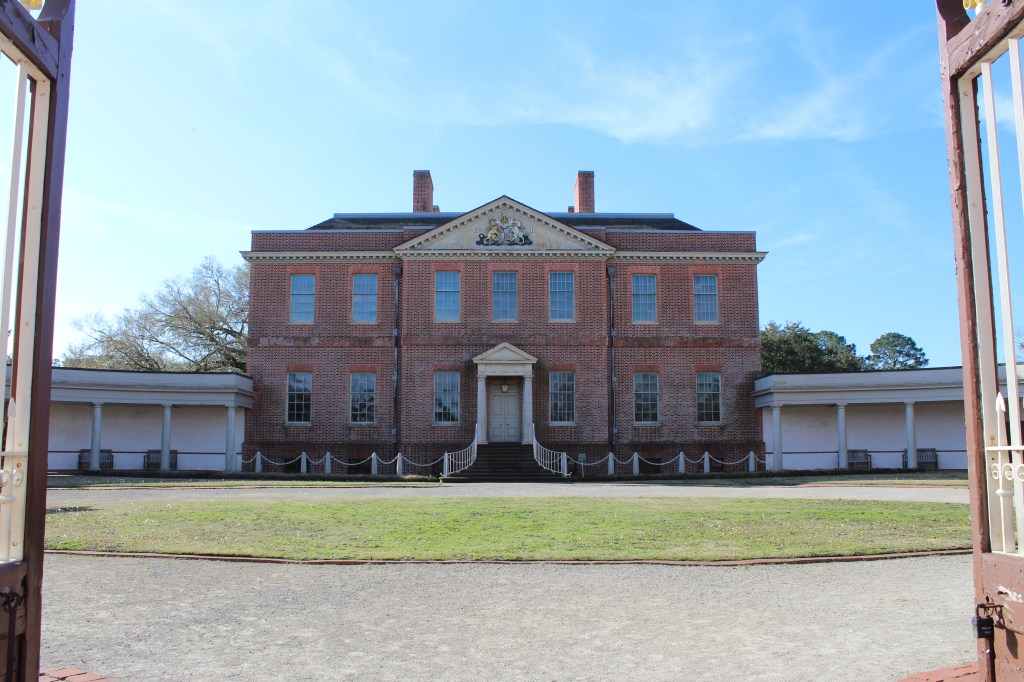
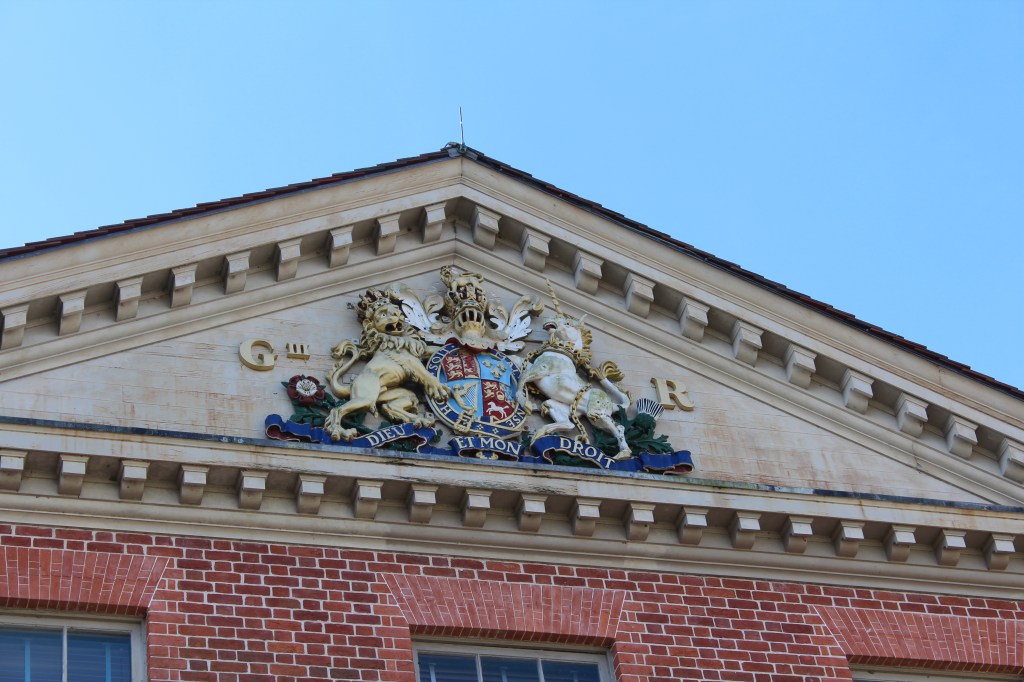
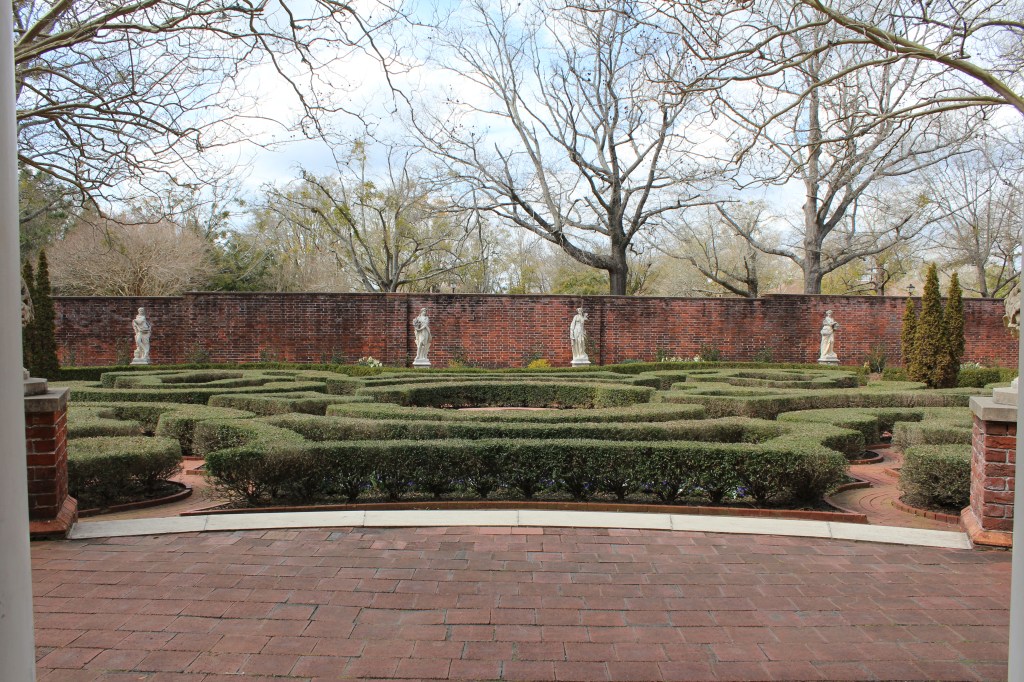
From Fort Raleigh National Historic Site, I took to the road and drove to the city of New Bern. New Bern is one of North Carolina’s oldest cities, and was the capital of North Carolina during the last years of British rule. Having been the capital, it should come as no surprise that the city is home to the Royal Governor’s Mansion, also known as Tryon Palace (named for William Tryon, who was Governor of the colony from 1764 to 1771). Sadly, the original palace burned down in 1798. But the original blueprints still existed, and it has since been rebuilt on the original site. I took the tour of the building itself, then went back outside to stroll around the property. See it now:
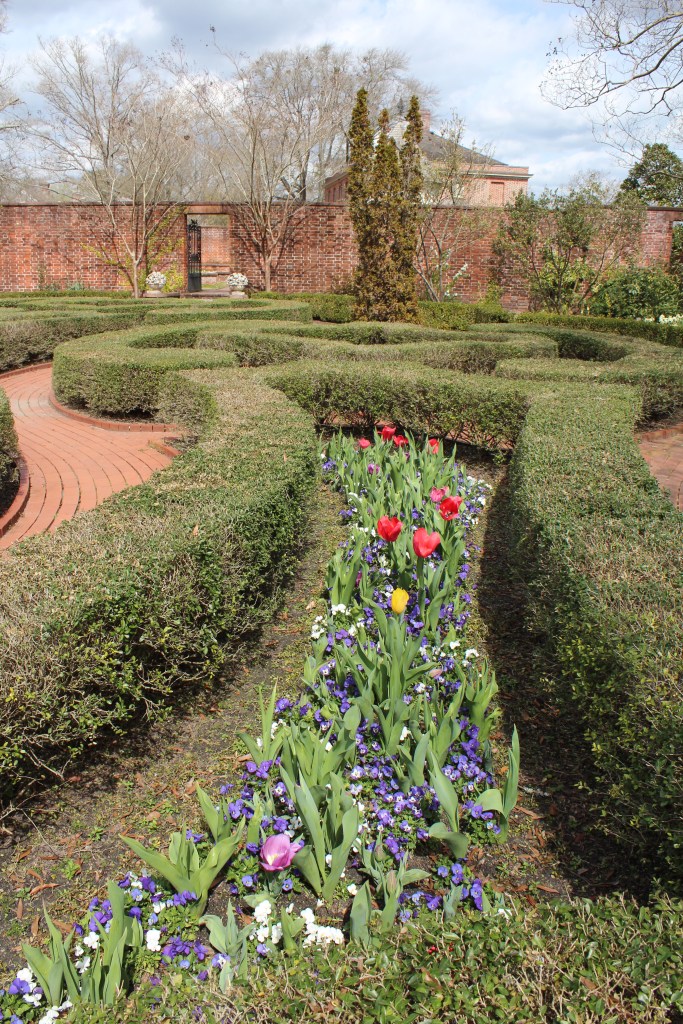
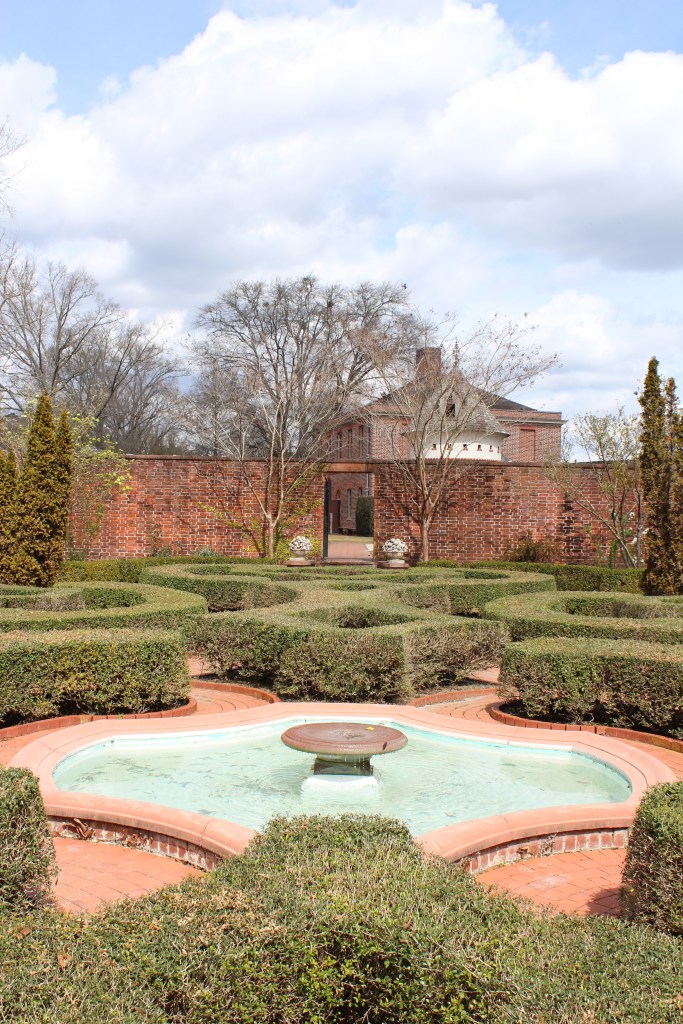
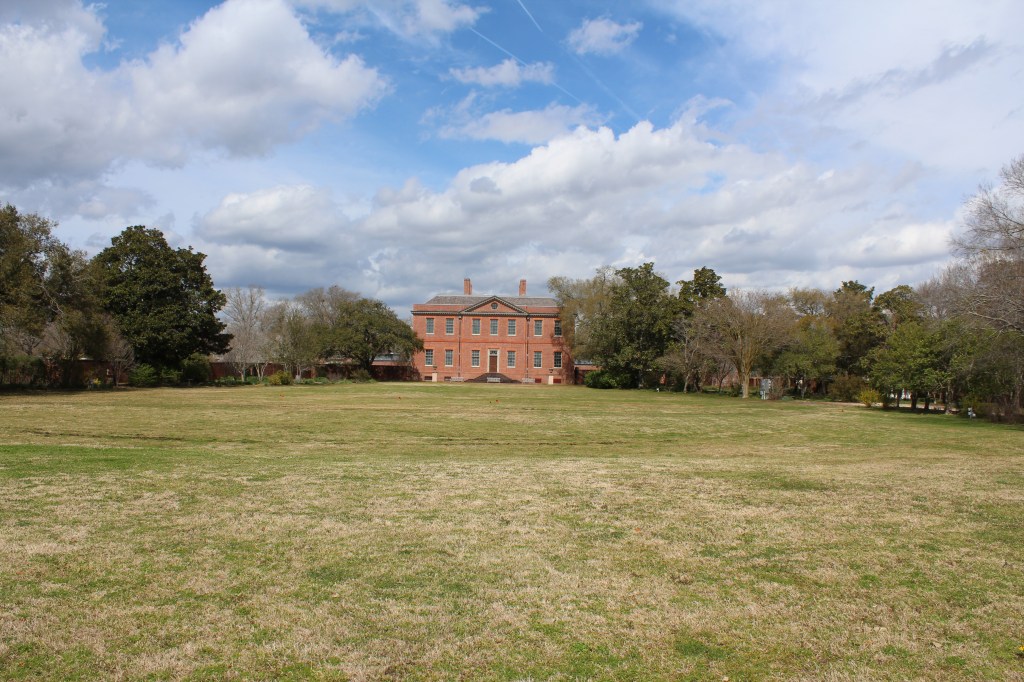
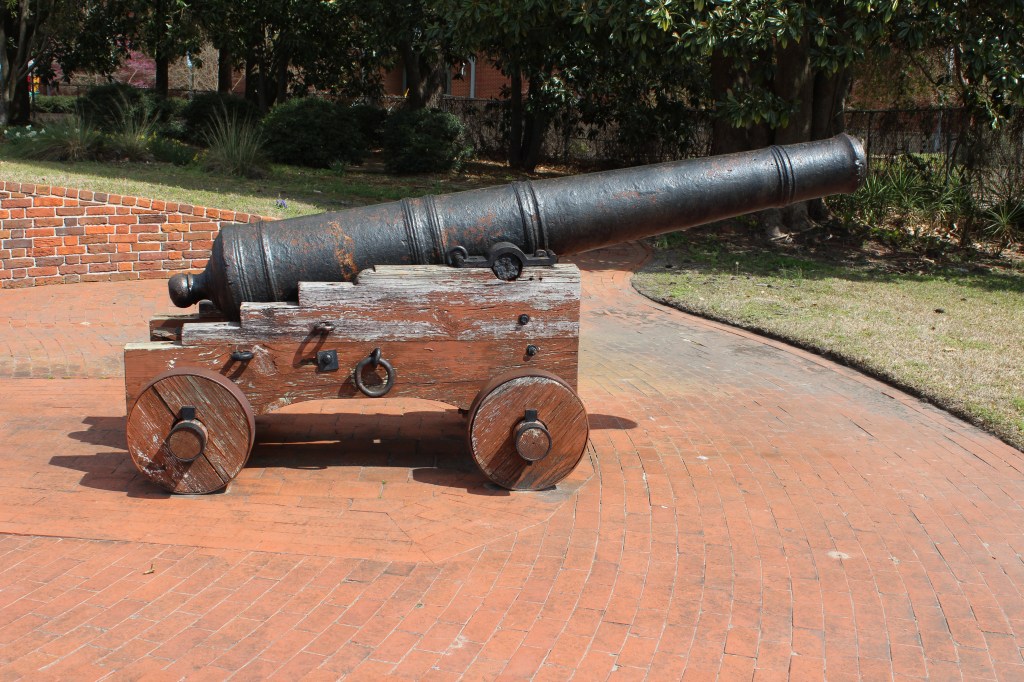
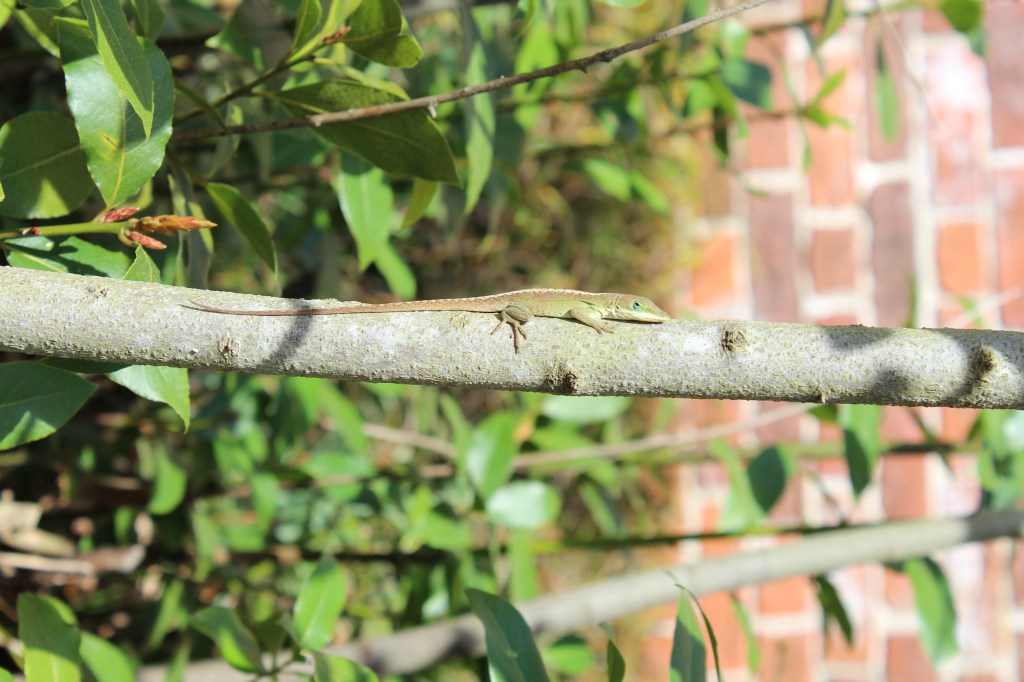
And this, folks, is where I’m cutting this post off. Come back next week for a little more of New Bern, and visits to a coastal defense fort and a most beauteous garden. And maybe David Lee Roth with an elephant gun…but almost certainly not.
 Voyages with Parkinson's