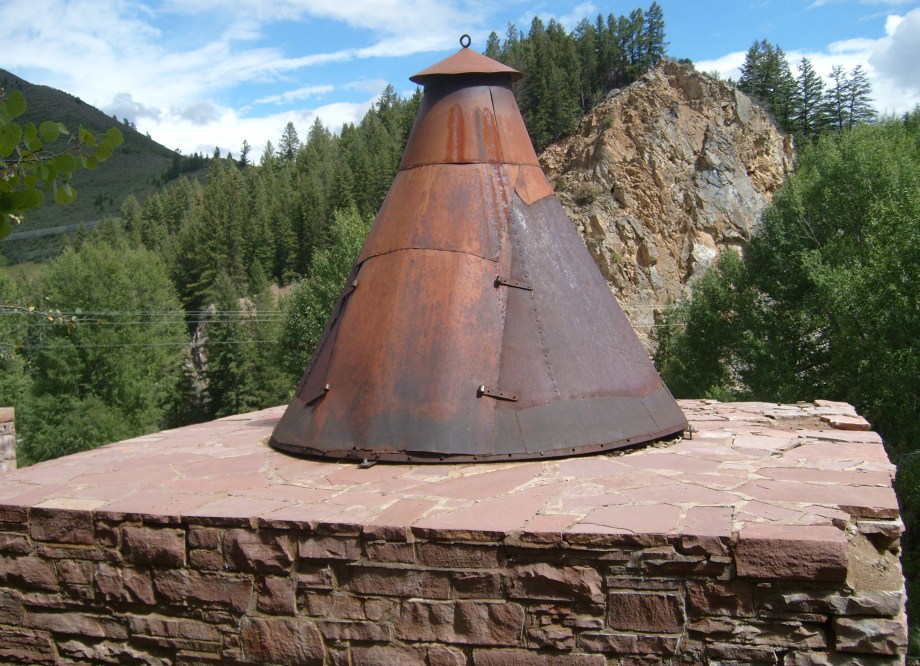
Let us take a step back. (It’s nothing new, we do it every week.) Back just over a decade, to my last year of living in Colorado. That spring (and many other springs) I went with some bicyclin’ friends to the home of another bicyclin’ friend, in the city of Glenwood Springs, Colorado. I can hear you asking, what’s the scenery like in Glenwood Springs? Yes. Seriously. I can hear you. You need to disable your microphone. But in answer to your question:
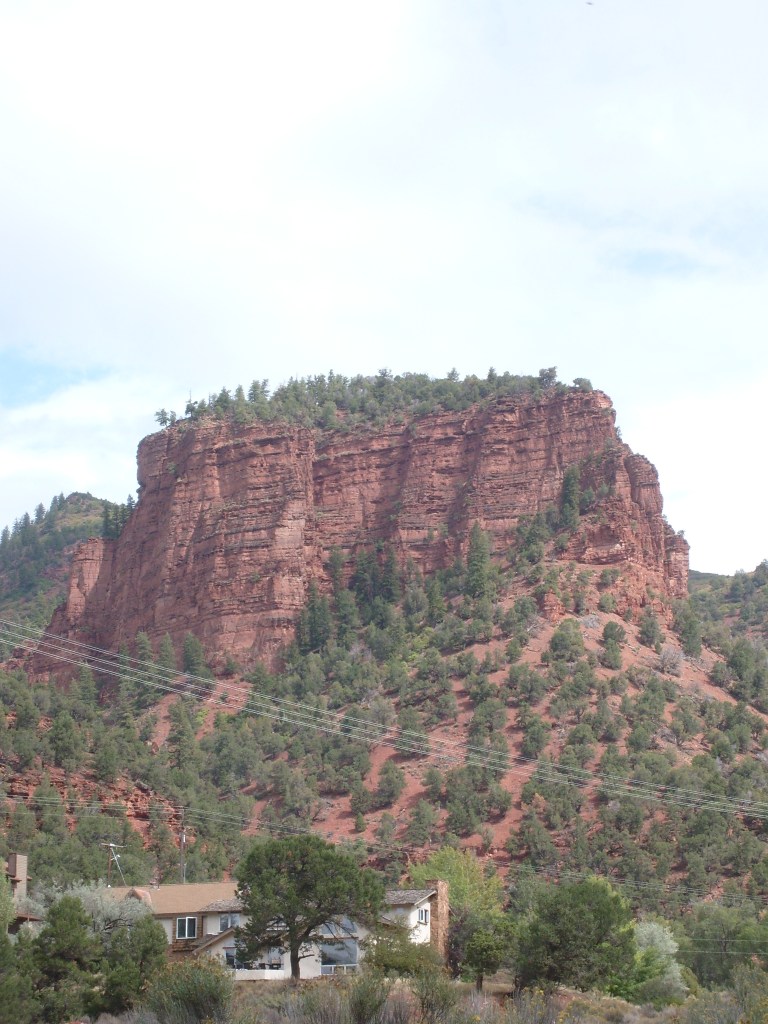
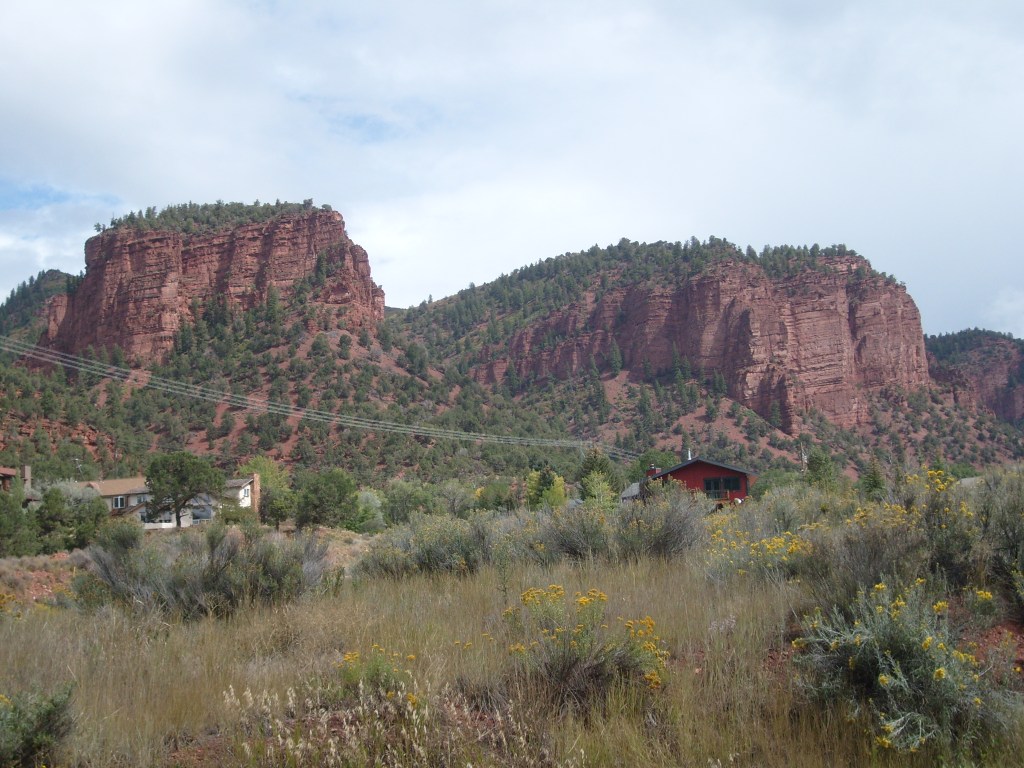
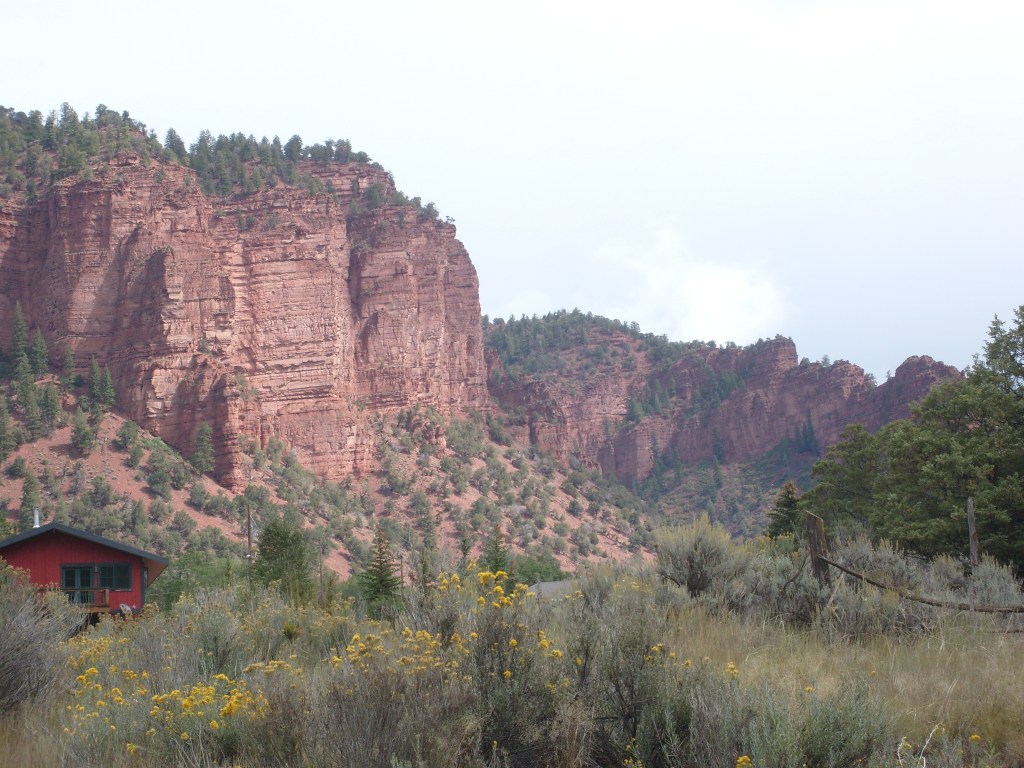
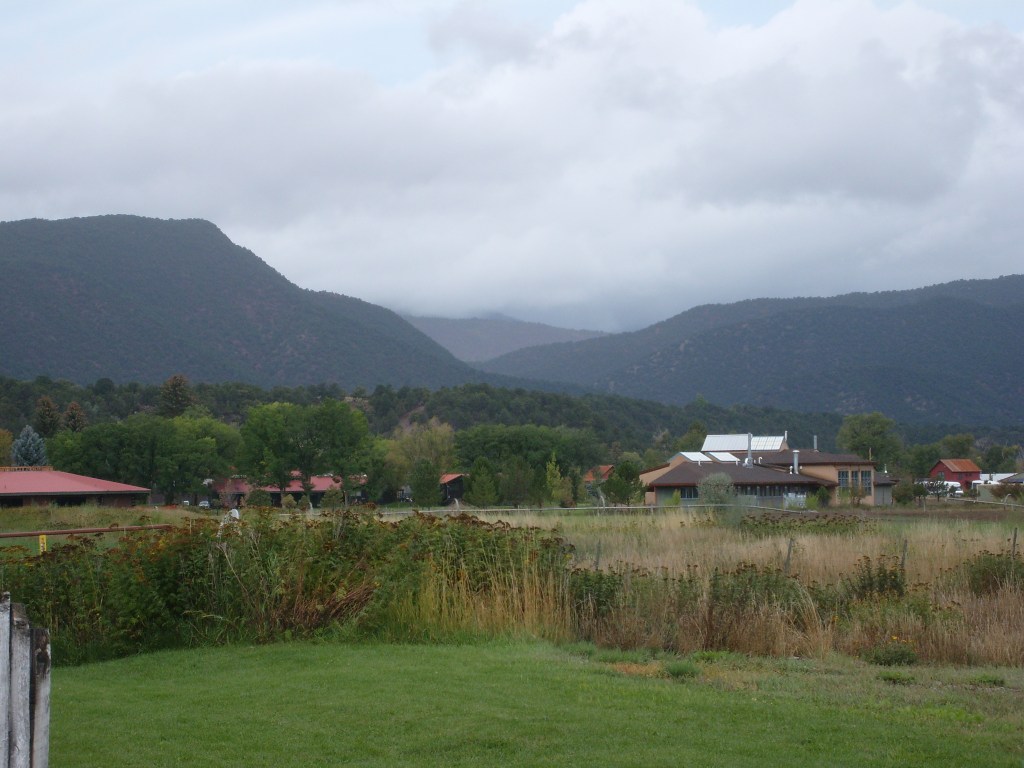
On this visit to Glenwood, we decided to drive up a nearby canyon, following the route of the long-defunct Colorado Midland Railroad, to see one particular relic of that railroad. I’ll get to that in a bit. But first, we encountered…
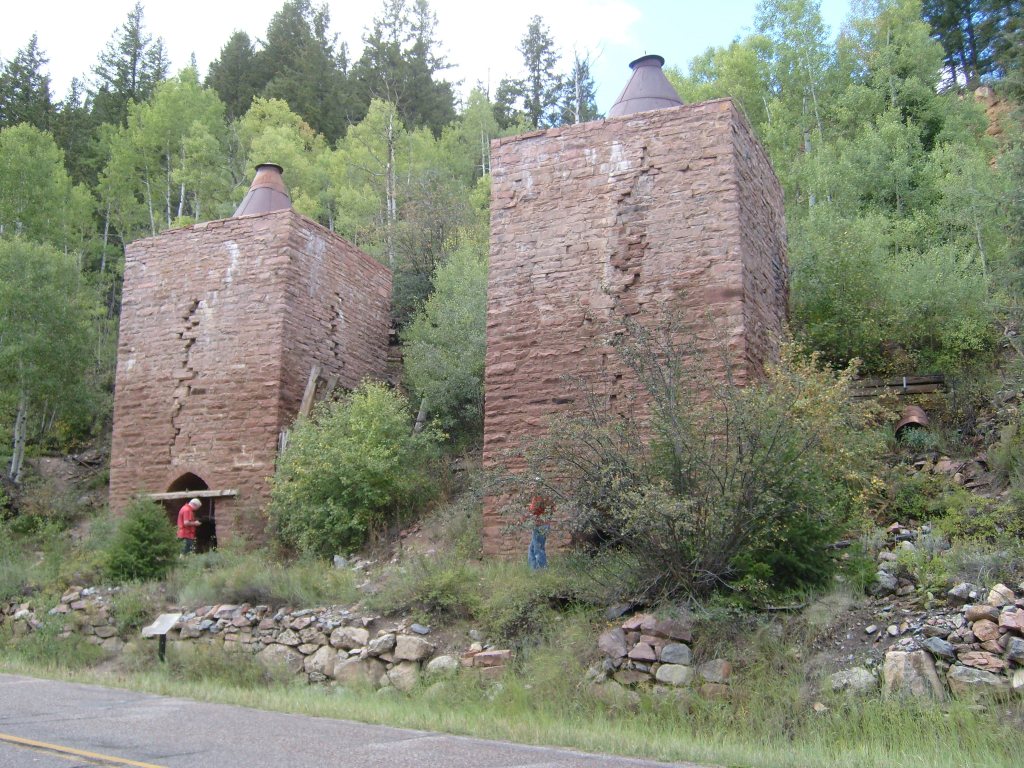
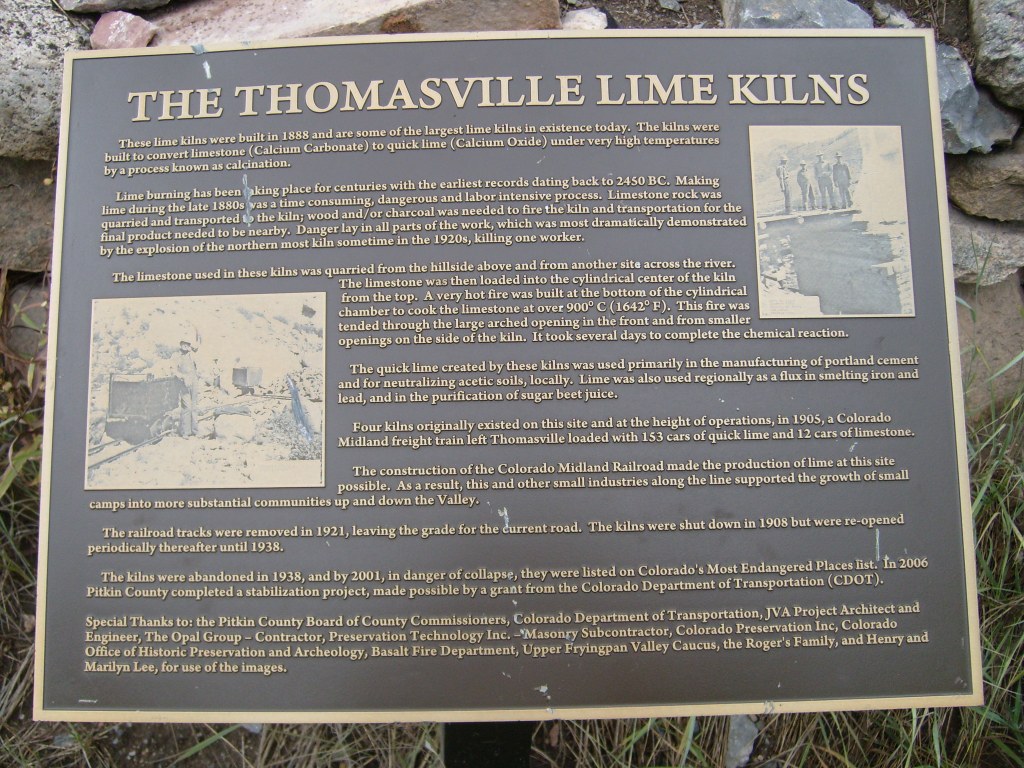
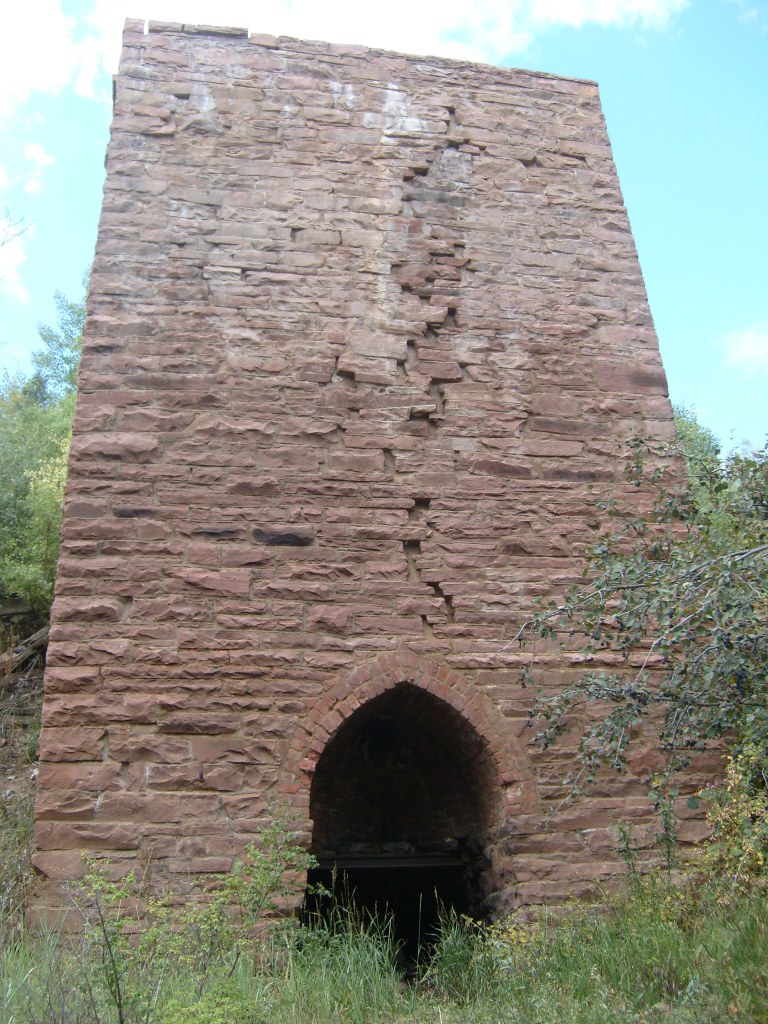
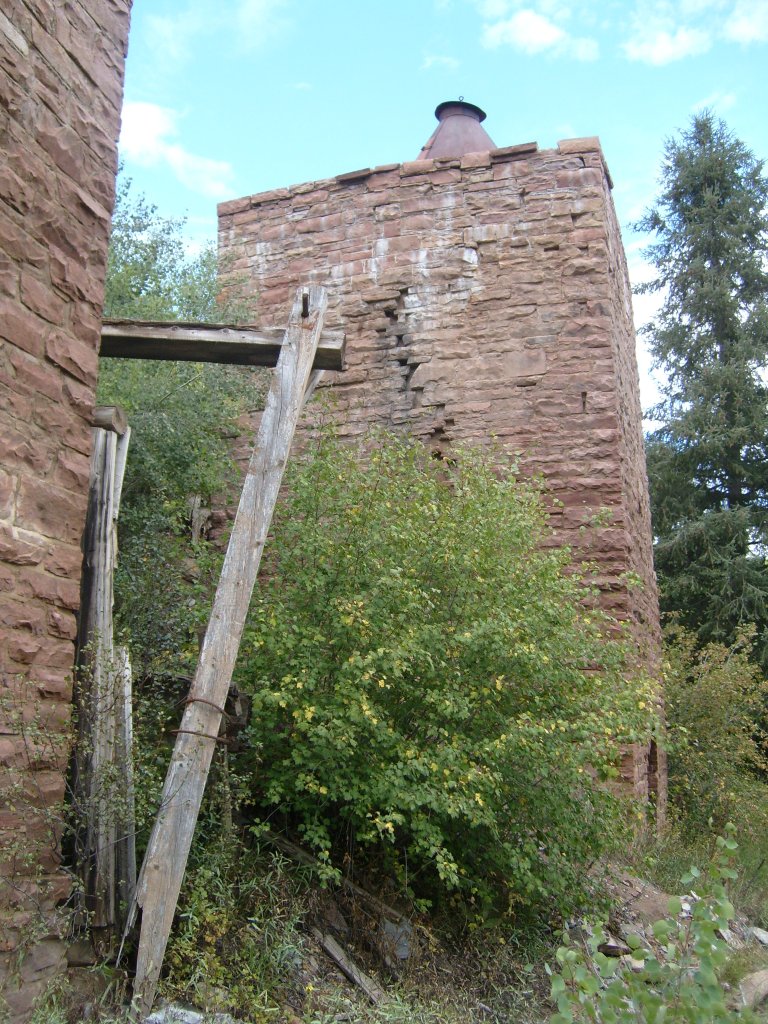
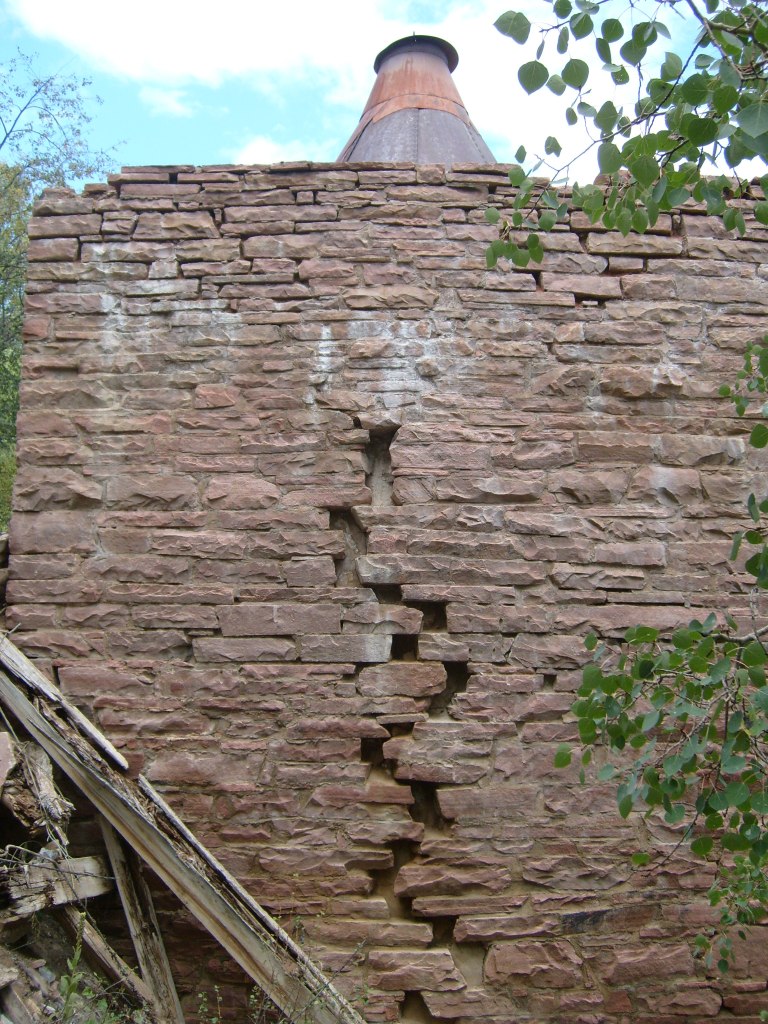
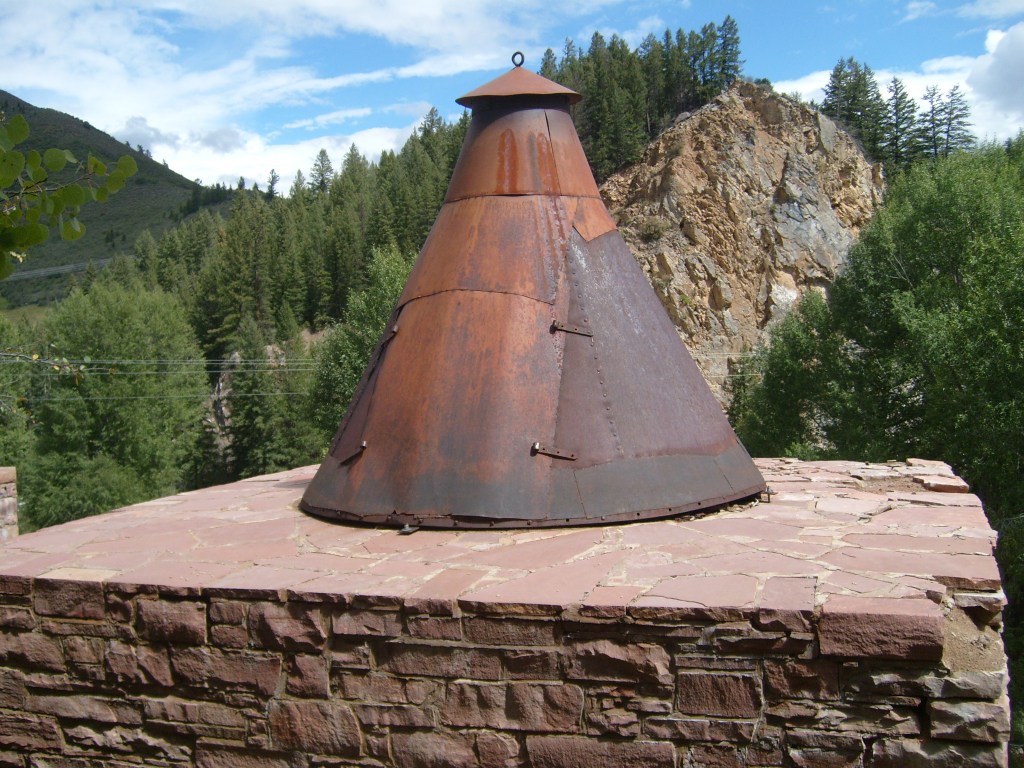
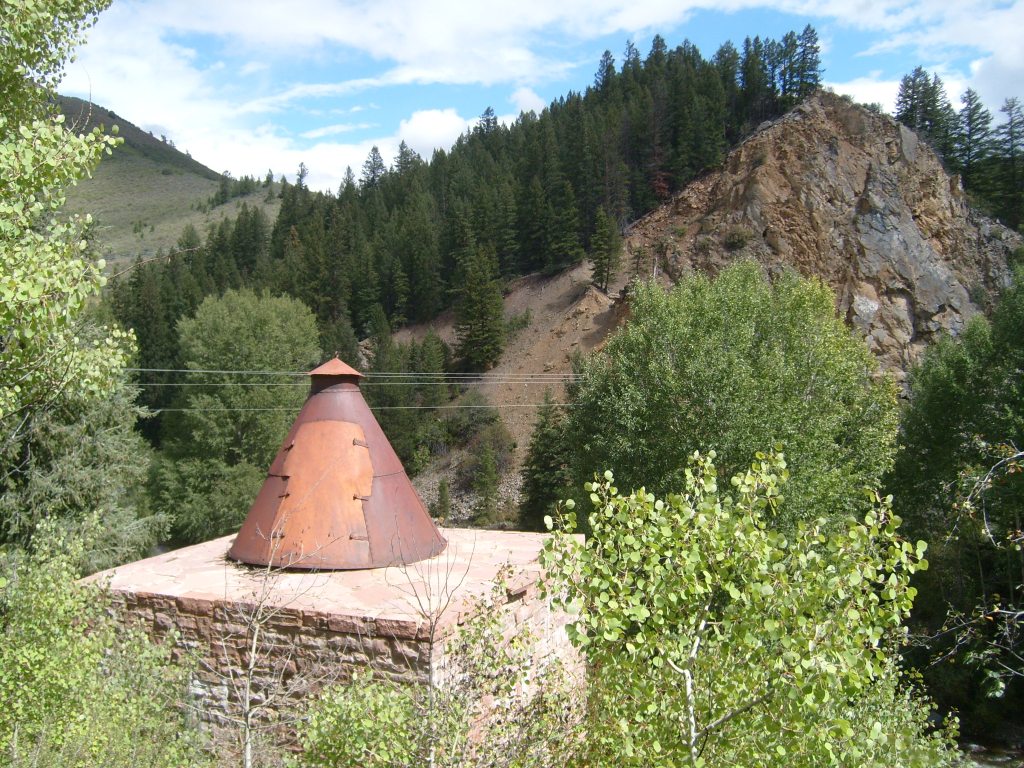

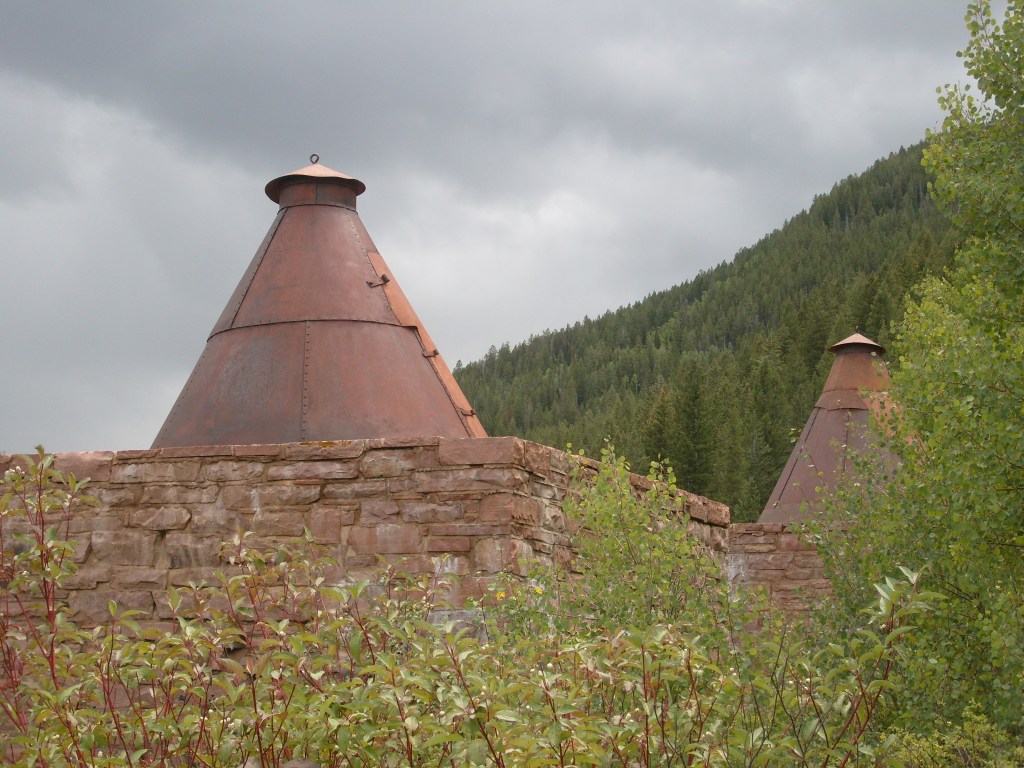
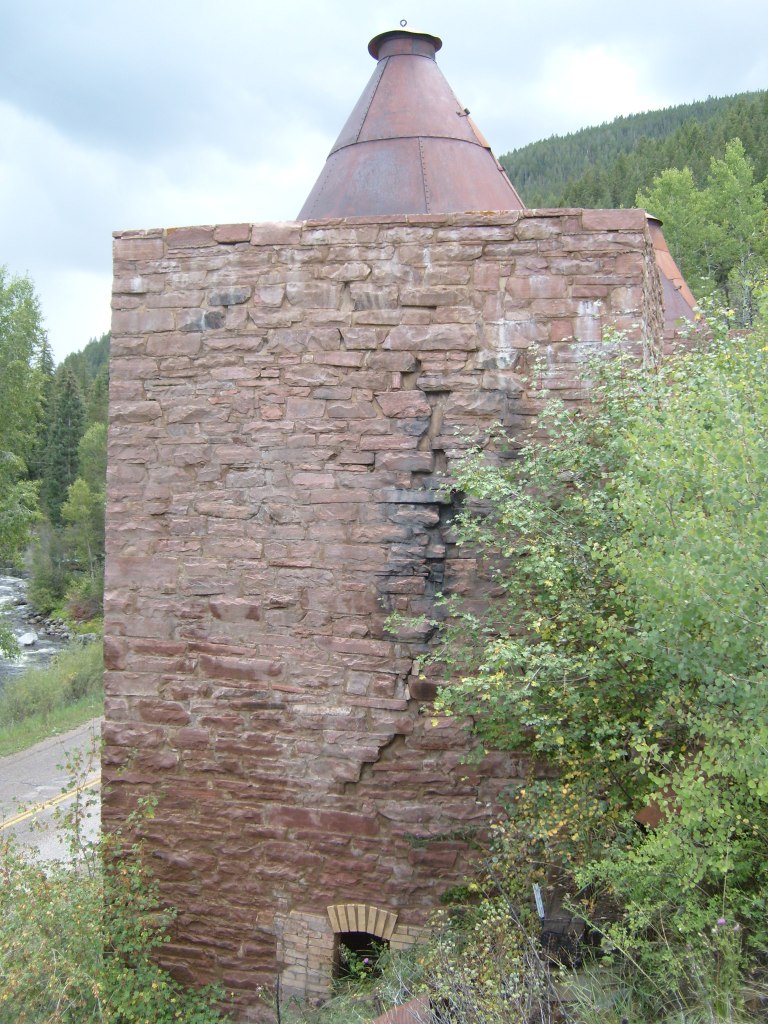
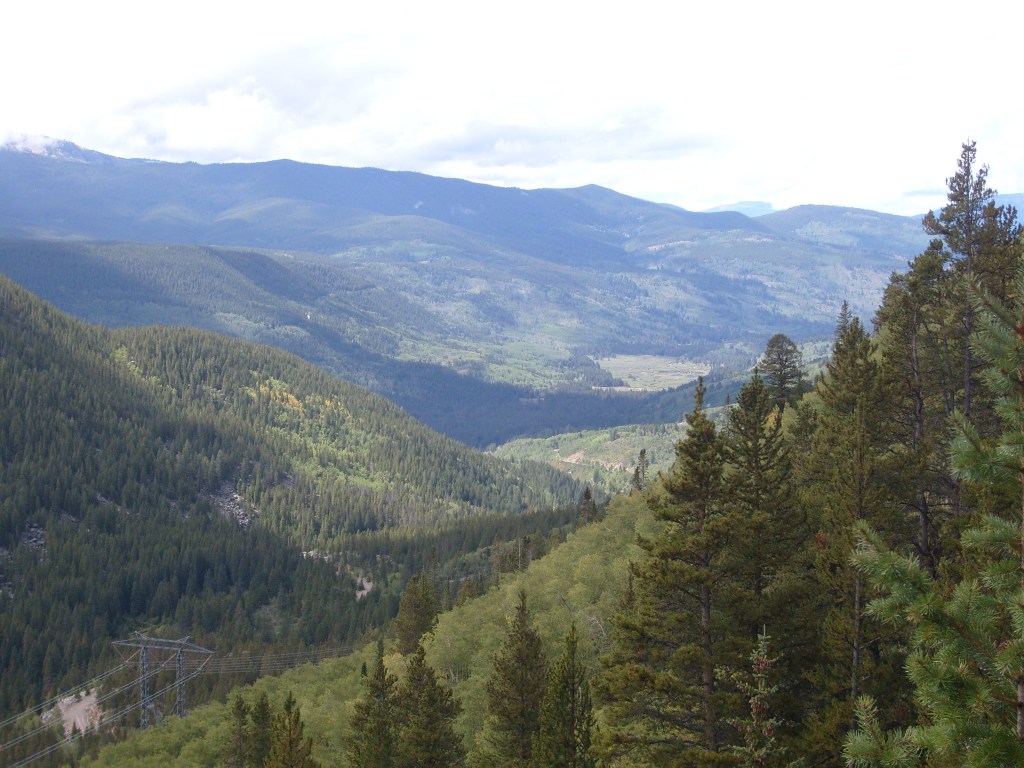

Thomasville Lime Kilns and Hagerman Pass, near Glenwood Springs, Colorado (taken Spring 2013)
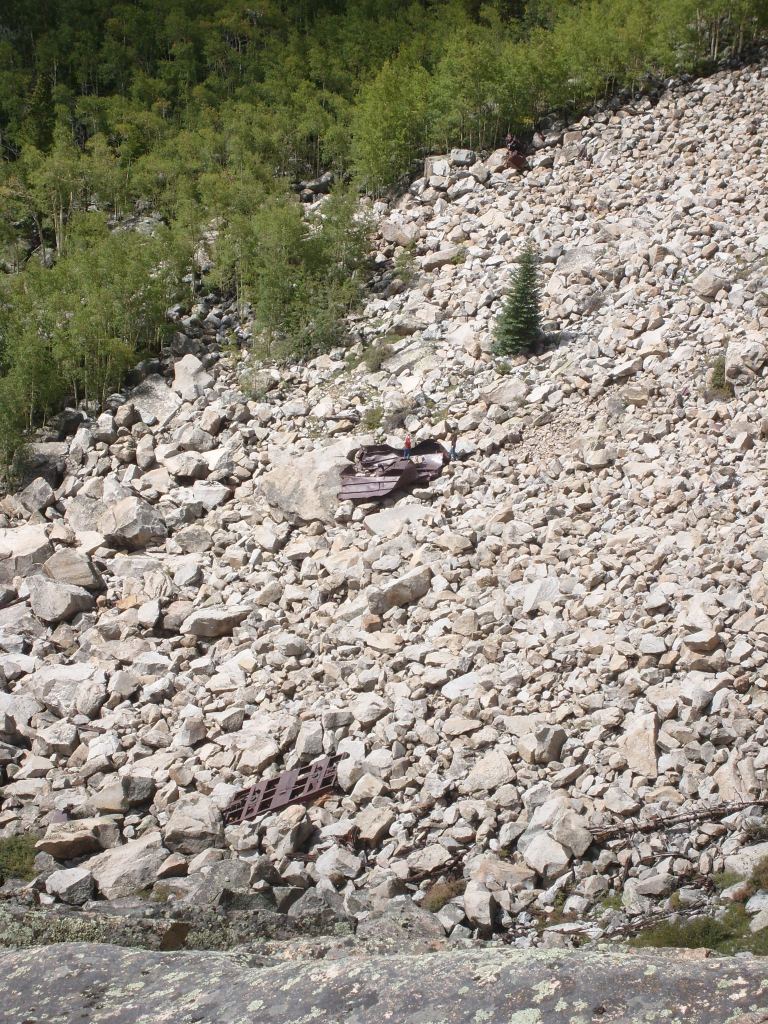
Having recently read an old book on the Colorado Midland Railroad, I was intrigued by one particular incident mentioned therein. There is a short stretch of track (now 4-wheel drive road) called Hell Gap. On one side of the road, there is nothing but rock, towering above you. On the other side, there’s nothing but air – a significant drop onto a steep scree slope. I don’t remember the circumstances or the specific year, but at some point during the late 19th century, a coal car (a.k.a. locomotive tender) derailed right at Hell Gap, and went tumbling down the mountainside. Luckily, it was the only thing that derailed, so no one was hurt. However, the battered but still intact coal car was plainly visible to railroad passengers. Upper management at the railroad company feared seeing this would unnerve their passengers, so they hired a couple of students from a local college, gave ’em a few sticks of dynamite, and told them to blow up the coal car.
Apparently, the railroad execs were not that smart. The coal car was made of iron. Iron does not shatter, nor does it vaporize or burn (with the possible exception of a nuclear explosion, but that was not an option). So the college kids got to play with dynamite, and only managed to separate the body of the car from its frame, which I imagine left the scene looking even more horrendous than it already looked. In any case, the book said that the old coal car can still be seen to this day. And folks, it can indeed be seen, right where it came to rest well over a century ago. Sadly, I did not yet have my Good Camera when I visited the site, so this is the best I can give ya:
The next day, I did something I’d been wanting to do for over 20 years: I rode the bike trail that runs through Glenwood Canyon. Unfortunately, it turned out to be a rainy and relatively cold day, so I rushed through the canyon, not stopping to get many pictures. But here are the few I did get:
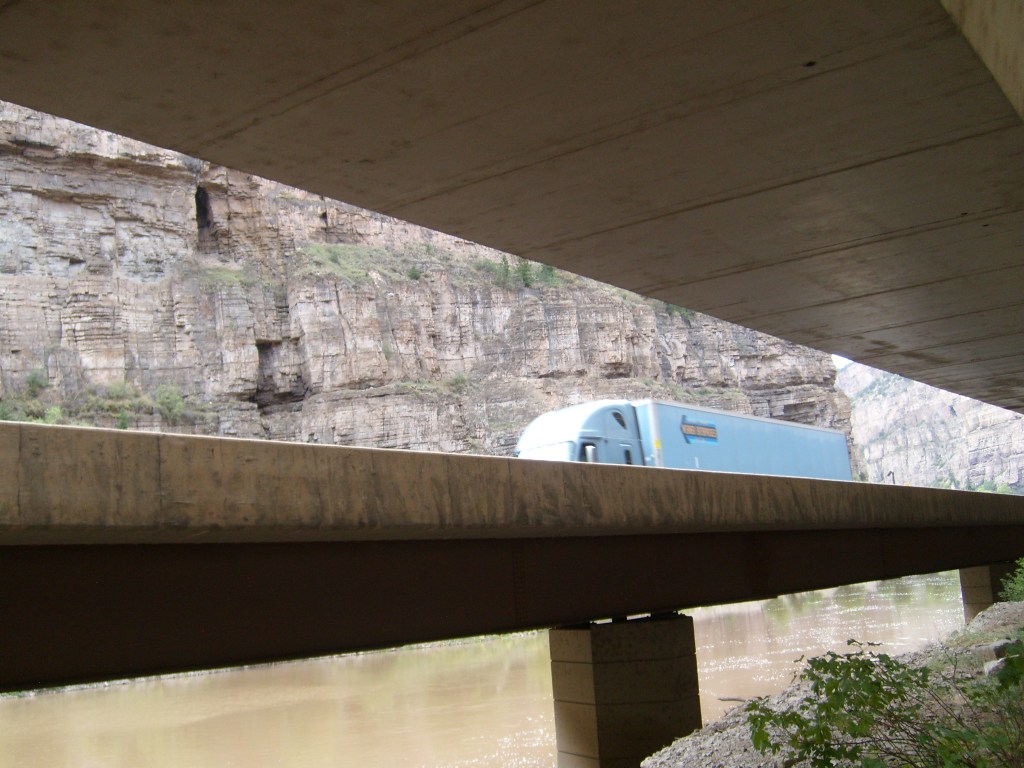
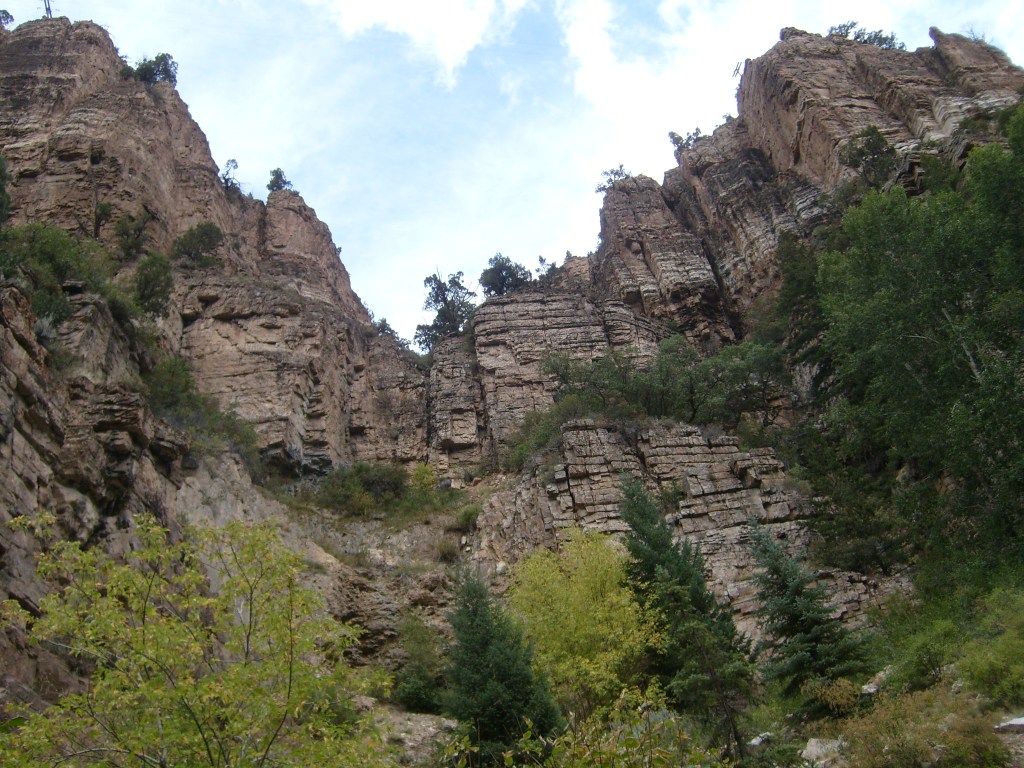

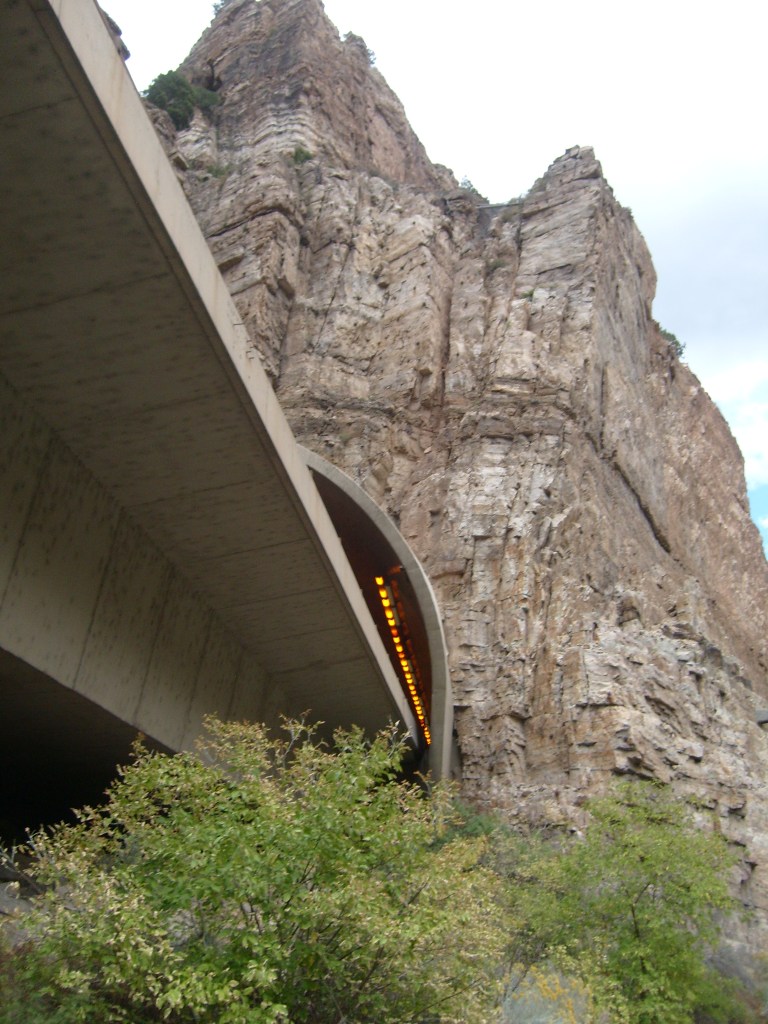
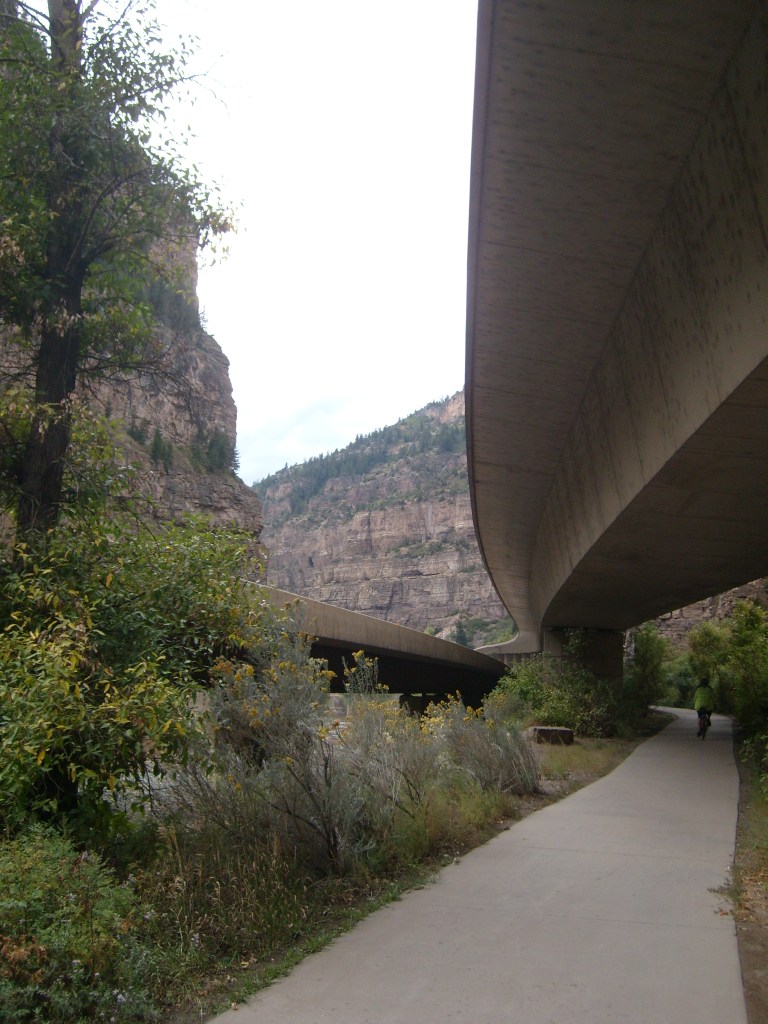
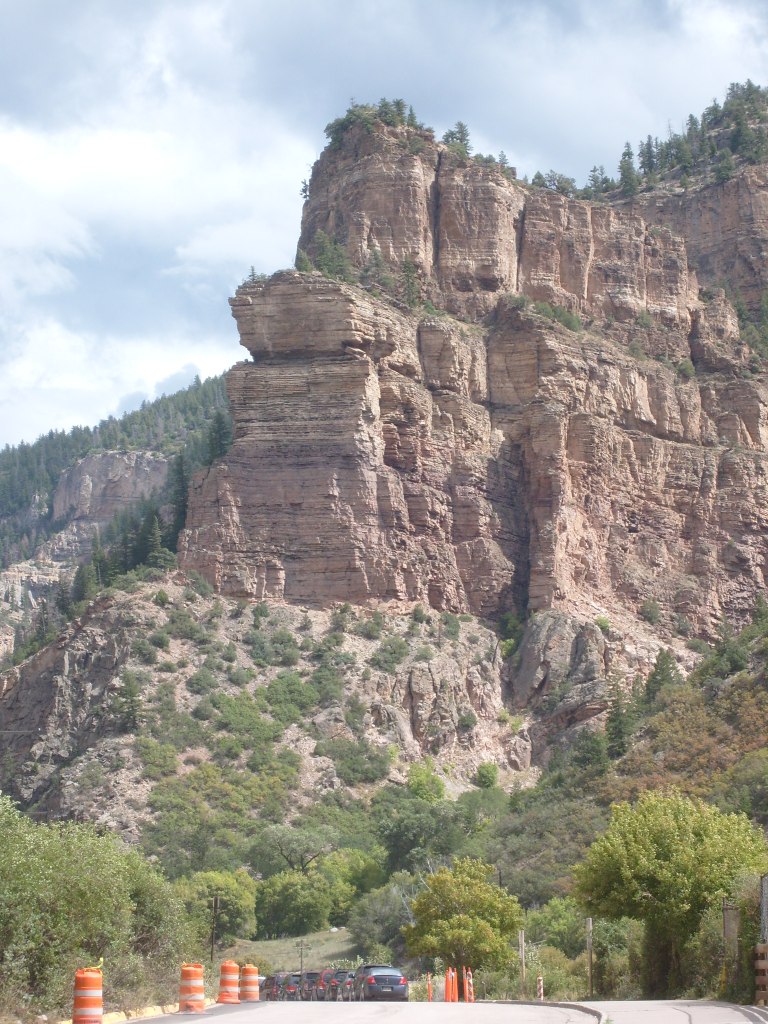
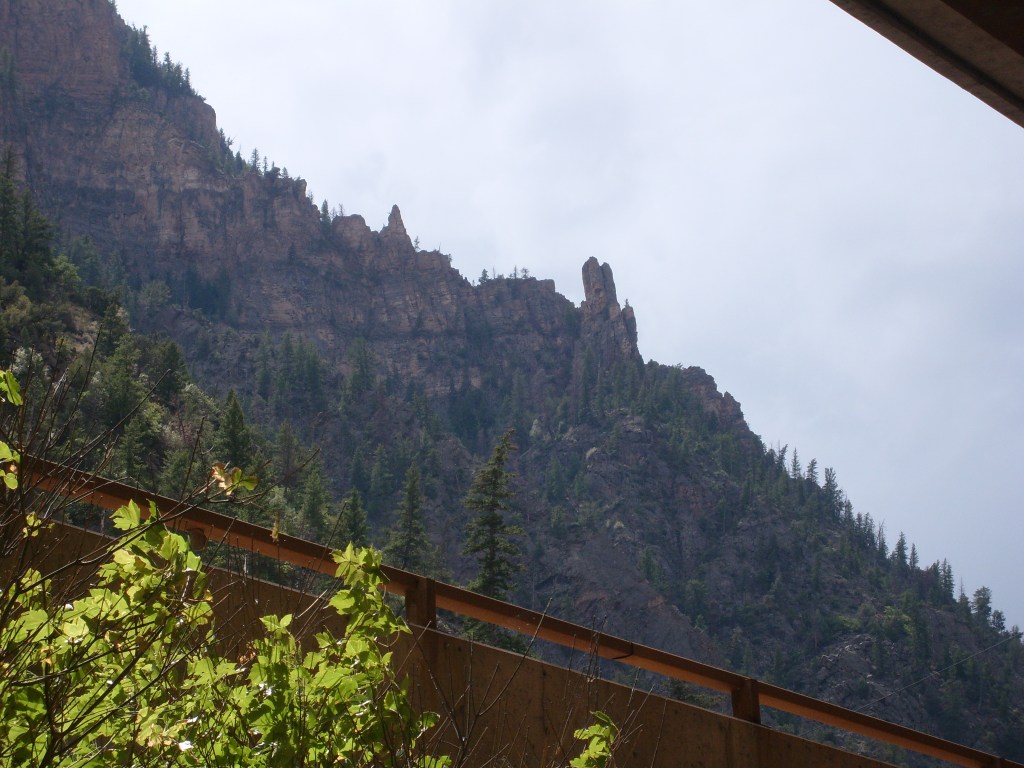

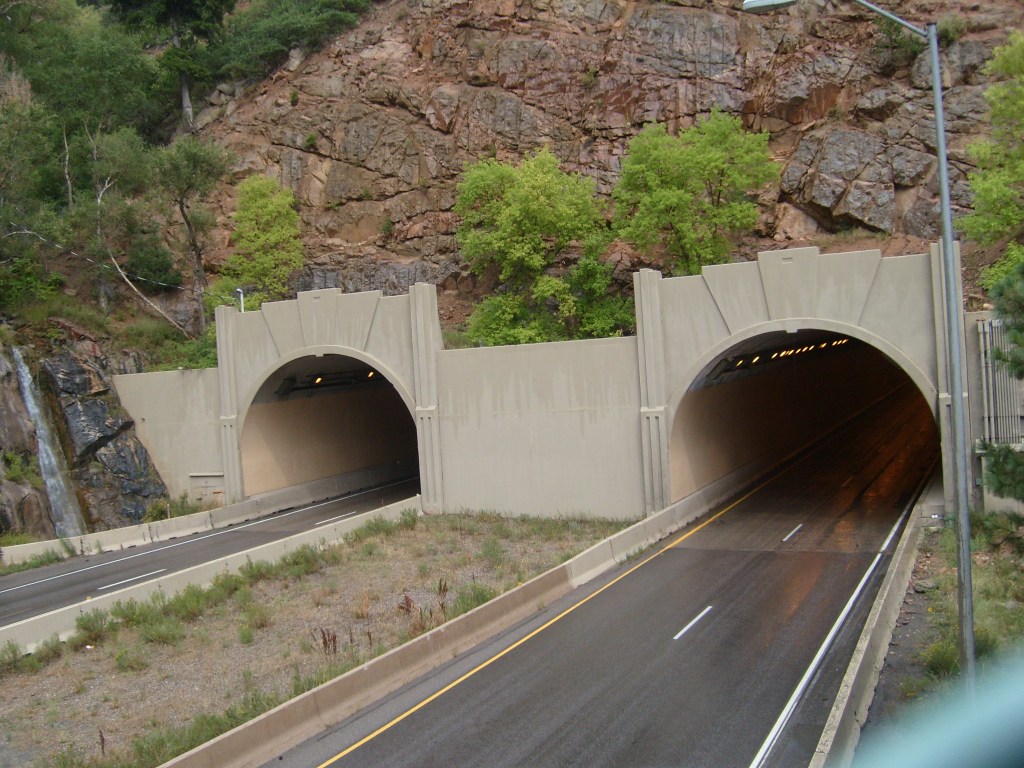
I have to go now. My dog is screaming obscenities at the neighbors again. There will be no ThrowBack Thursday next week (and probably the week after), as I will be reporting “live” on my first-ever visit to Vermont. Yup. I’m gonna be a Leafer.
 Voyages with Parkinson's