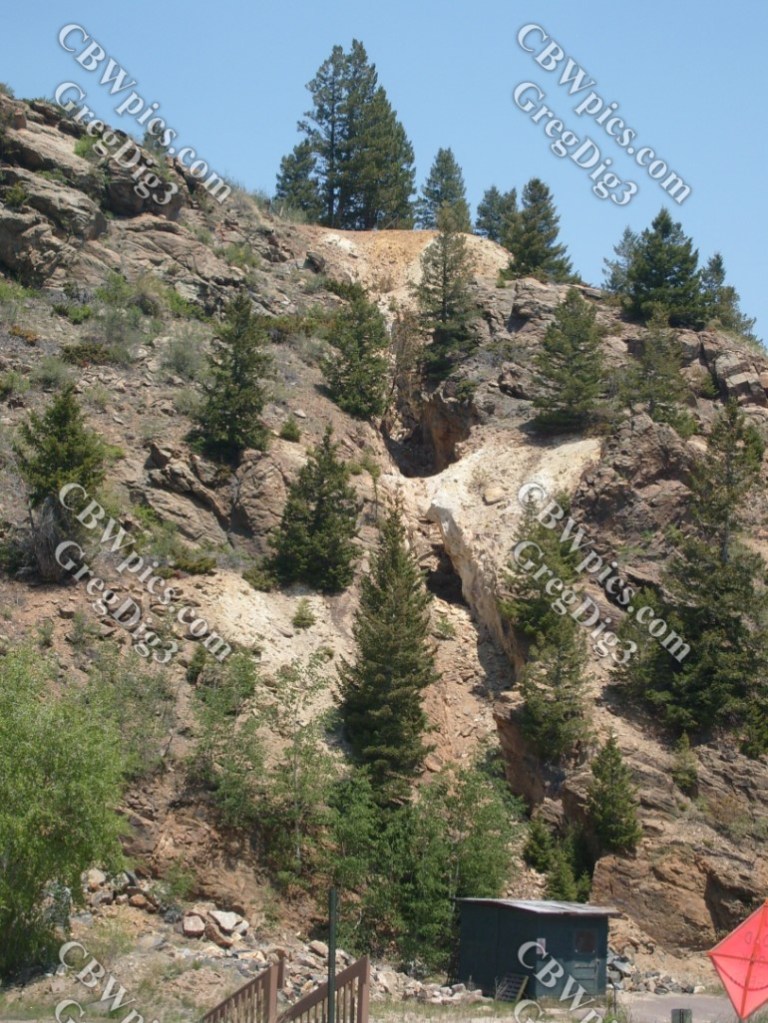
Today on ThrowBack Thursday, we pay a visit to where it all began (depending on how you define “it”, and “all”, and “began”). Gold was officially first discovered in what was to become Colorado in late 1858. These initial discoveries were (as is almost always the case) found in streambeds. In early 1859, the “Pike’s Peak Gold Rush” was in full swing; prospectors were swarming the mountains, trying to find where the gold in the streambed deposits had washed down from. The first to discover an actual gold vein was a feller by the name o’ John H. Gregory. A town immediately sprang up around Mr. Gregory’s diggings, which were cleverly dubbed Gregory Diggings. The town was initially called Mountain City, but it was quickly engulfed by the city of Black Hawk, which was founded a short distance downhill. It wasn’t long before the neighborhood formerly known as Mountain City was overrun by mines, and was no longer recognizable as a city.
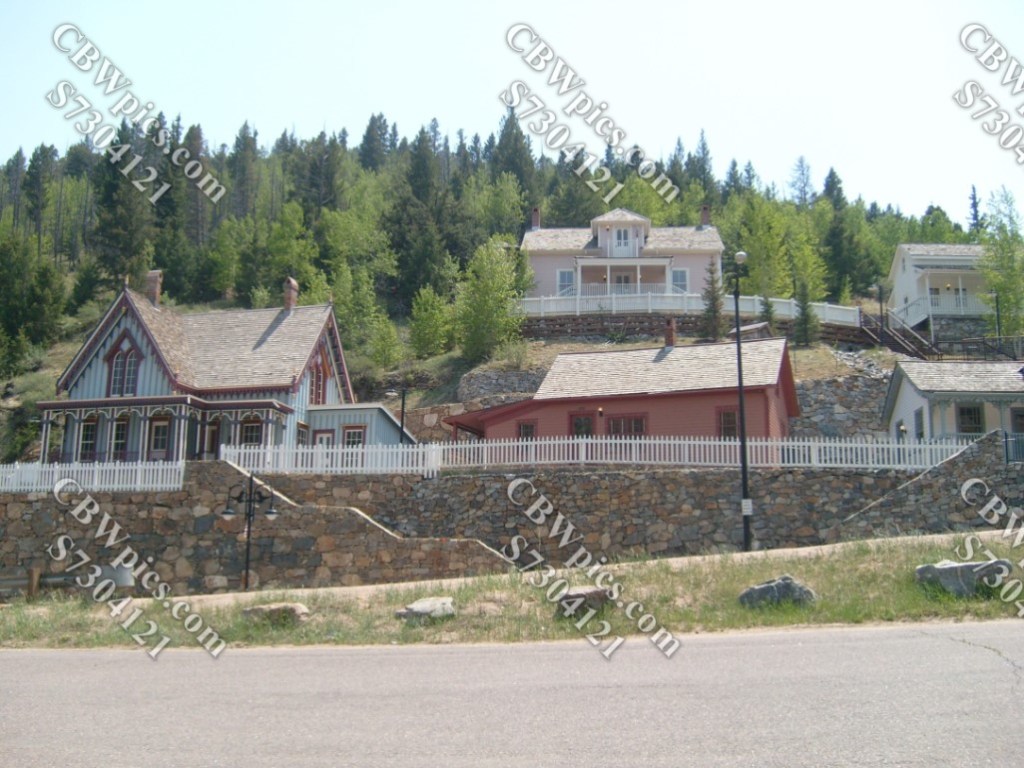
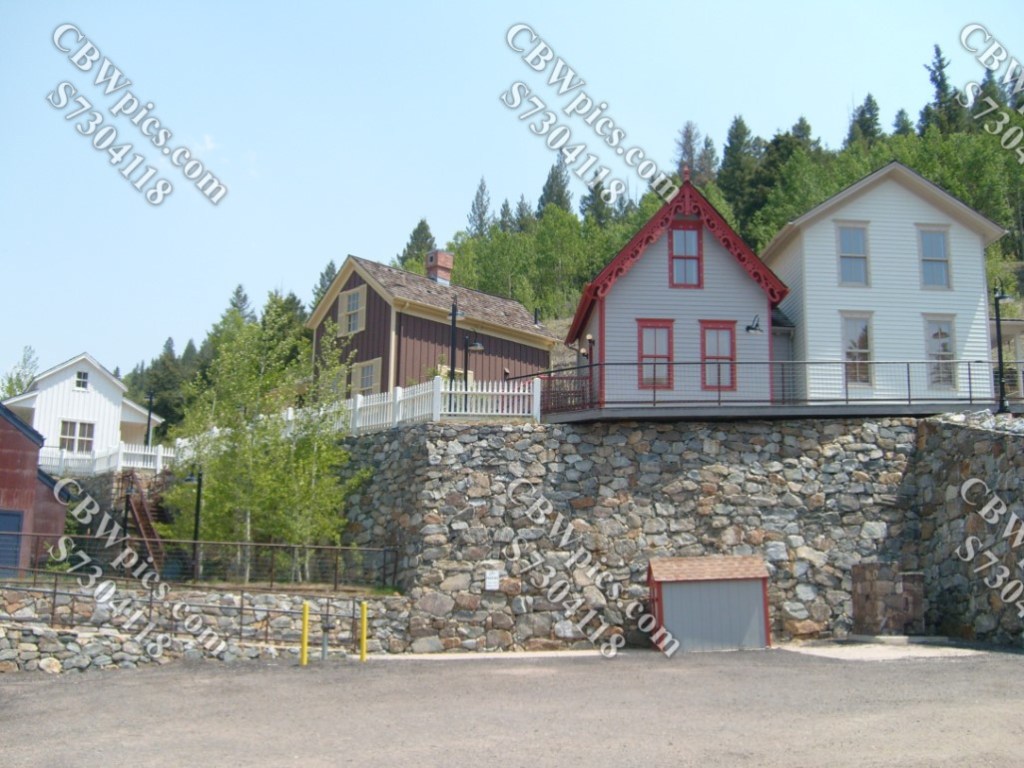
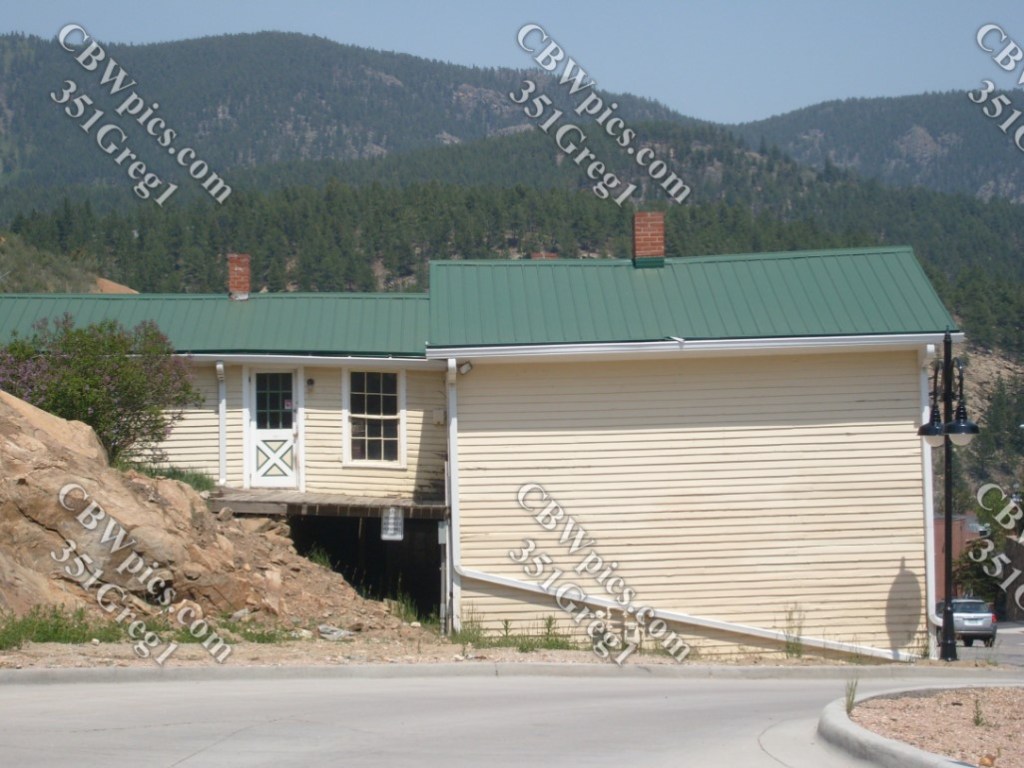
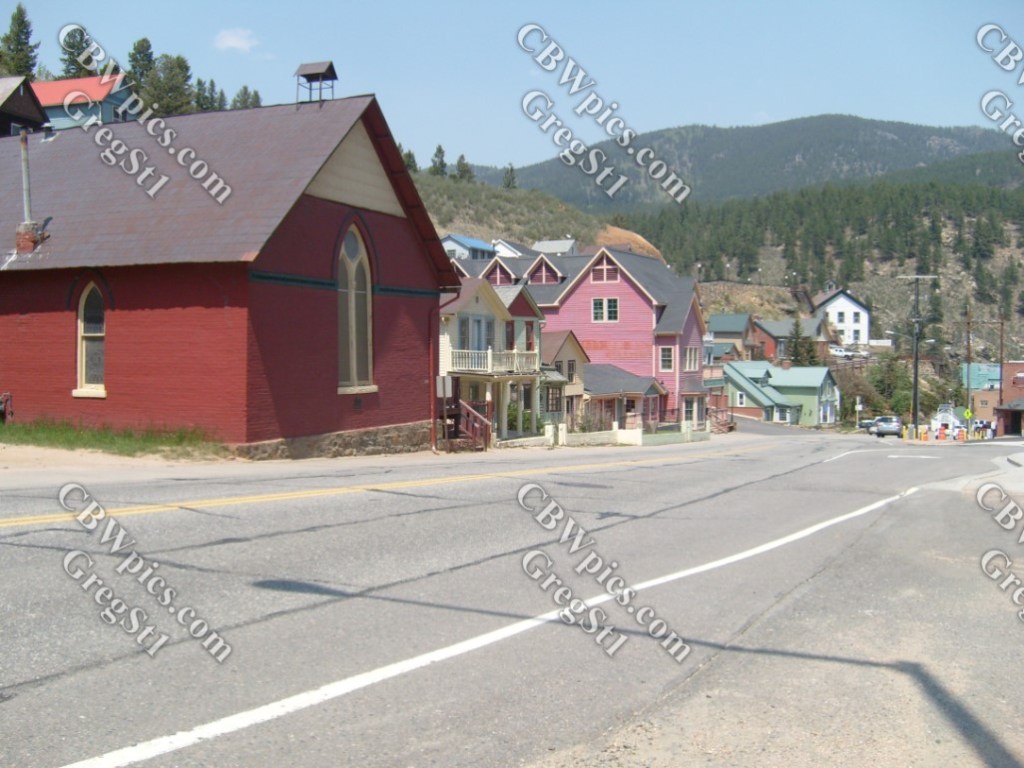
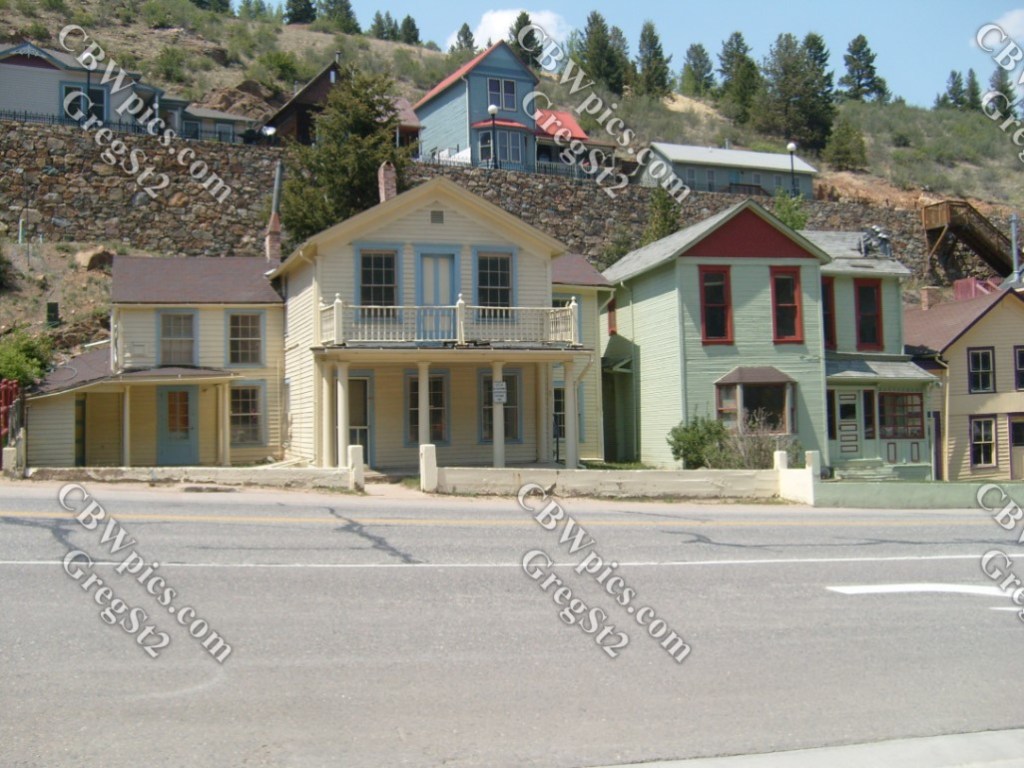
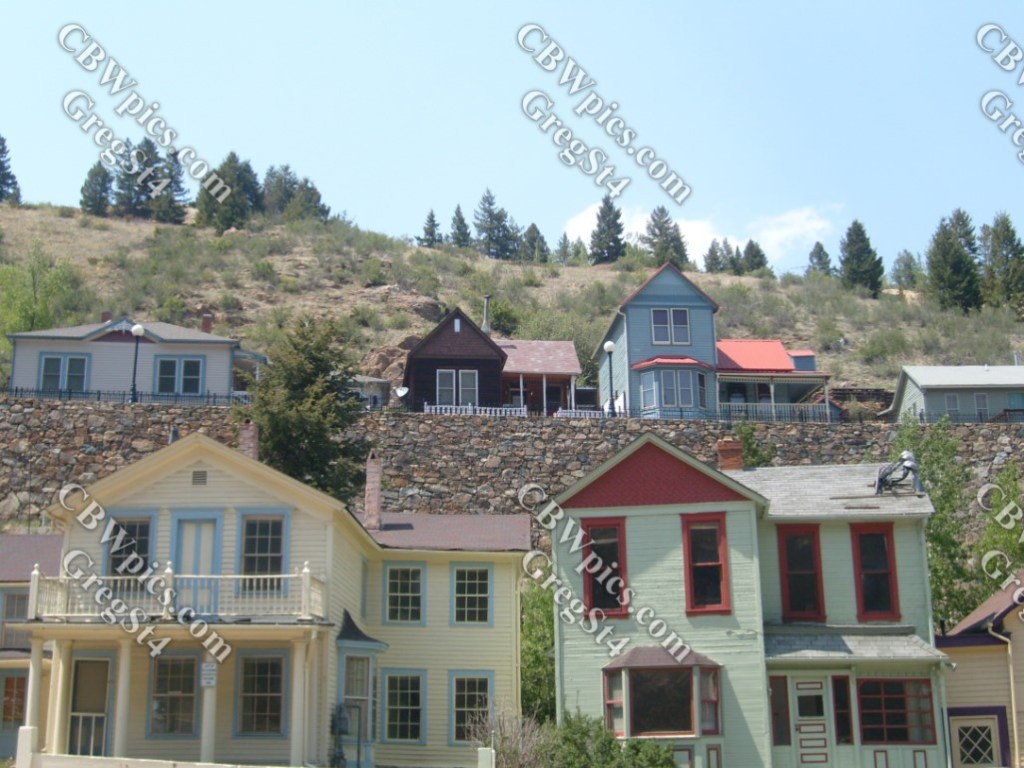
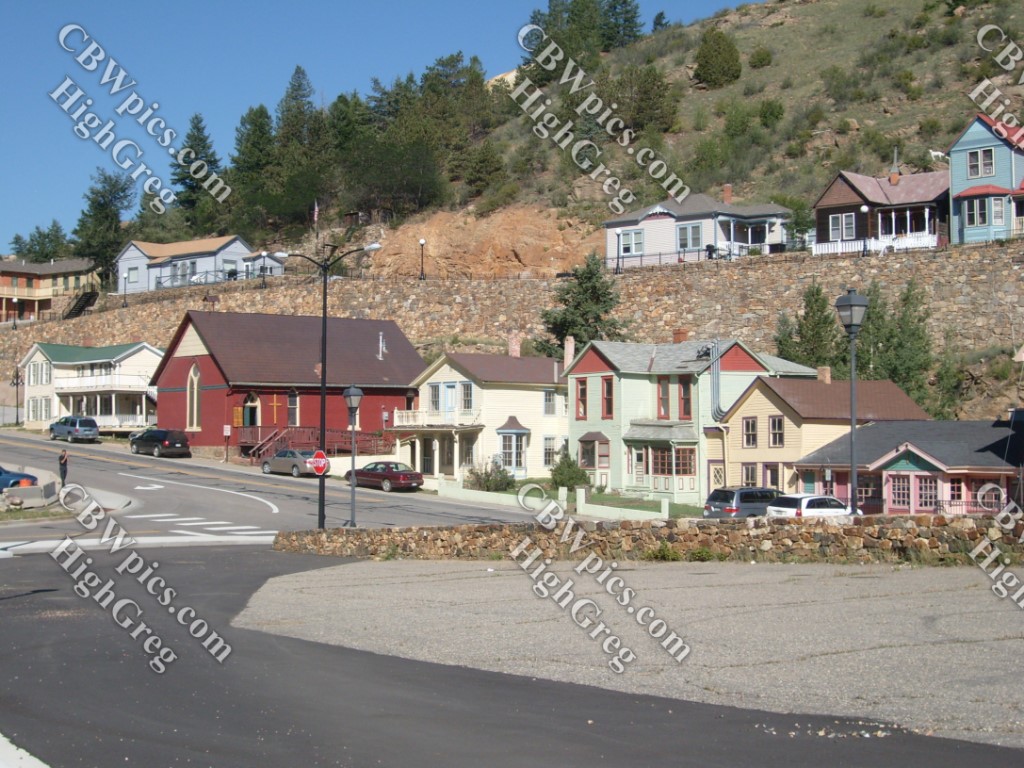
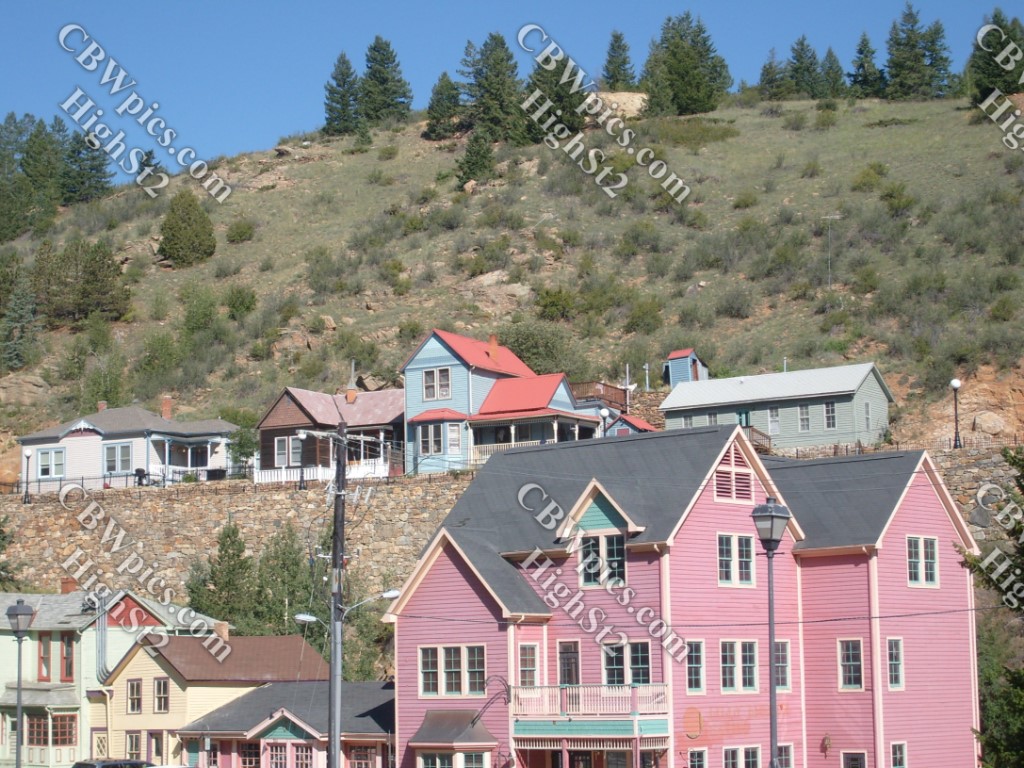
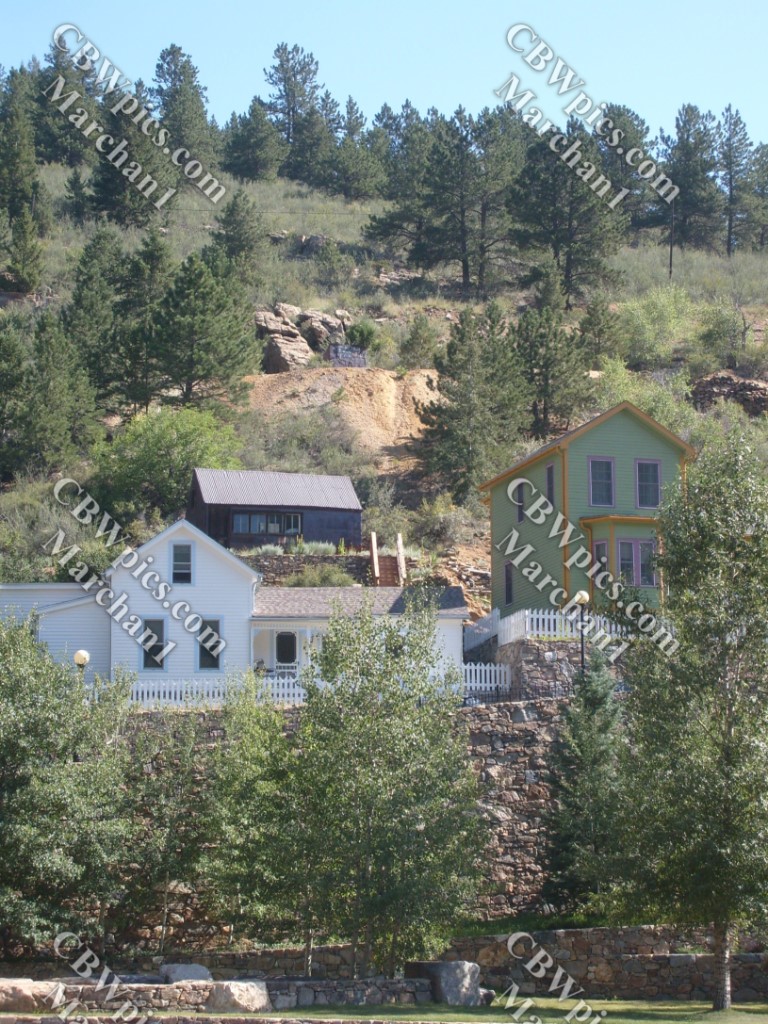
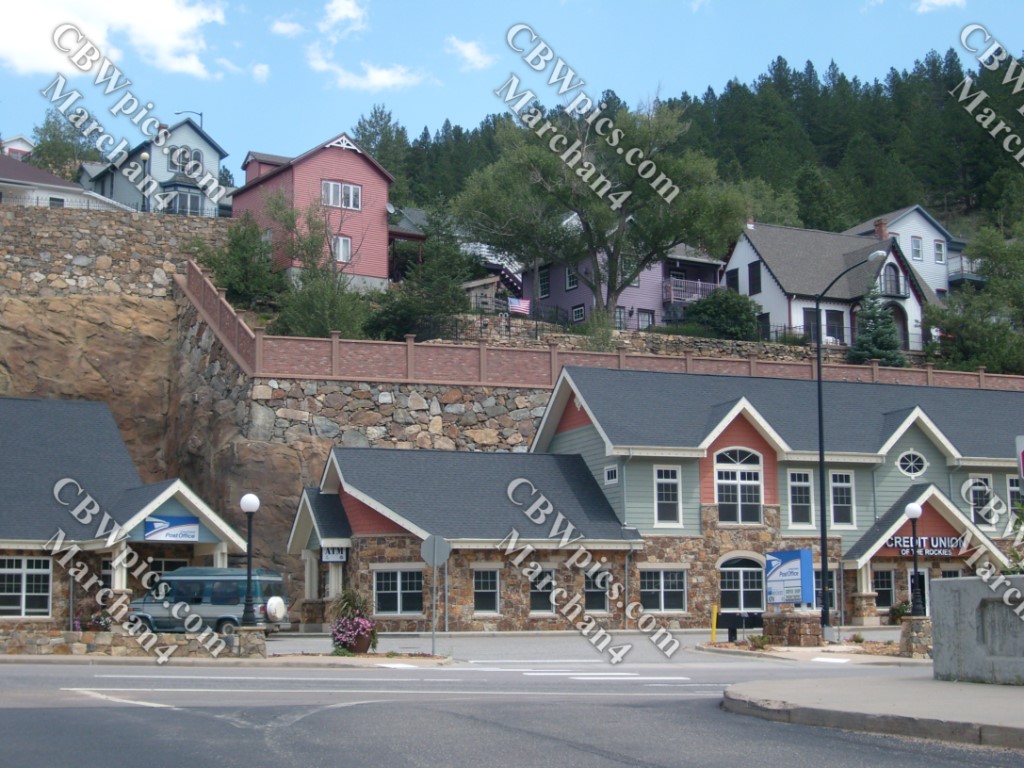
Skip ahead to the early 1990’s. Casino gambling is legalized in Black Hawk and neighboring Central City. In these small, mountainous towns, space for casinos and parking is hard to come by. It doesn’t take long before casinos start blasting mountainsides away to make space for multi-level parking structures and larger casinos. But some of these mountainsides are occupied by historic houses and businesses. To preserve these historic buildings, a decision is made to re-locate them to the old Mountain City area. Thus, a portion of this heavily mined area has been reborn as Mountain City Historic Park. Let’s begin today’s tour with a few establishing shots…
Mountain City Historic Park, Black Hawk, Colorado
Pretty neat, huh? Let’s get up close for a better look at some o’ these old places:
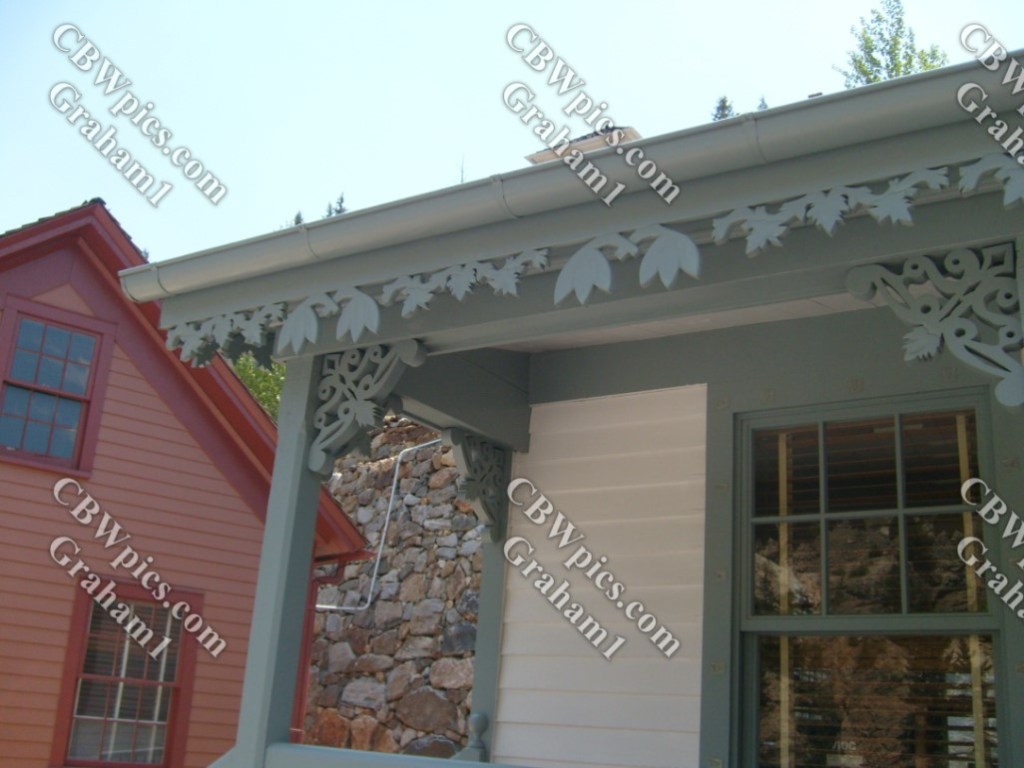
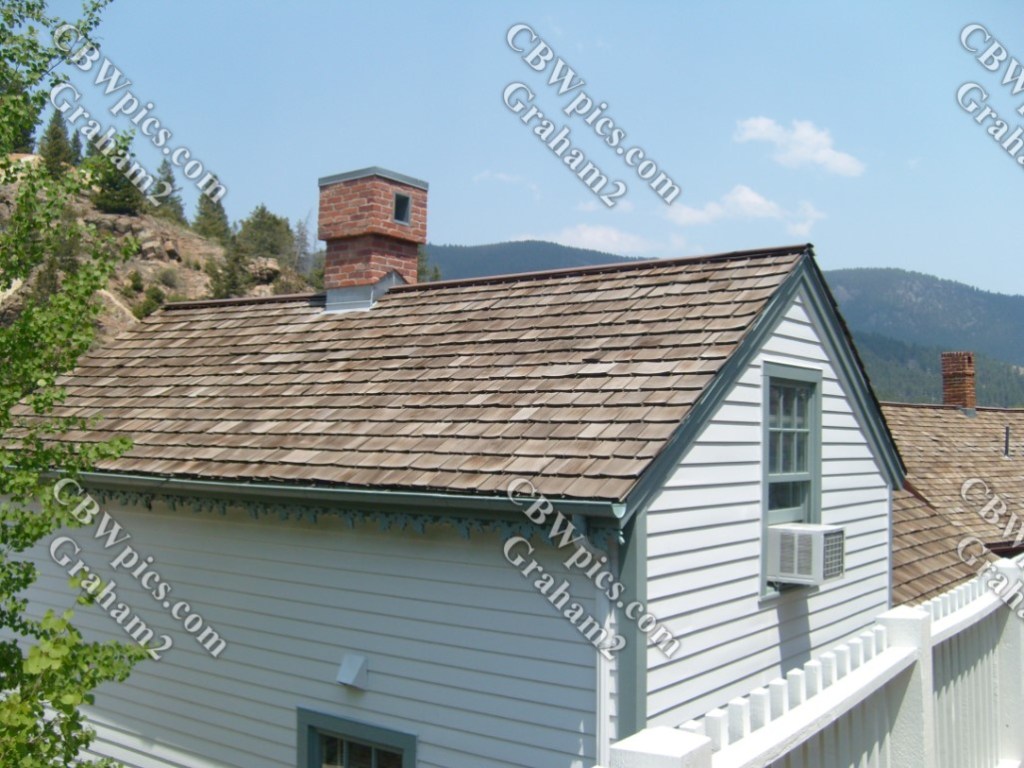
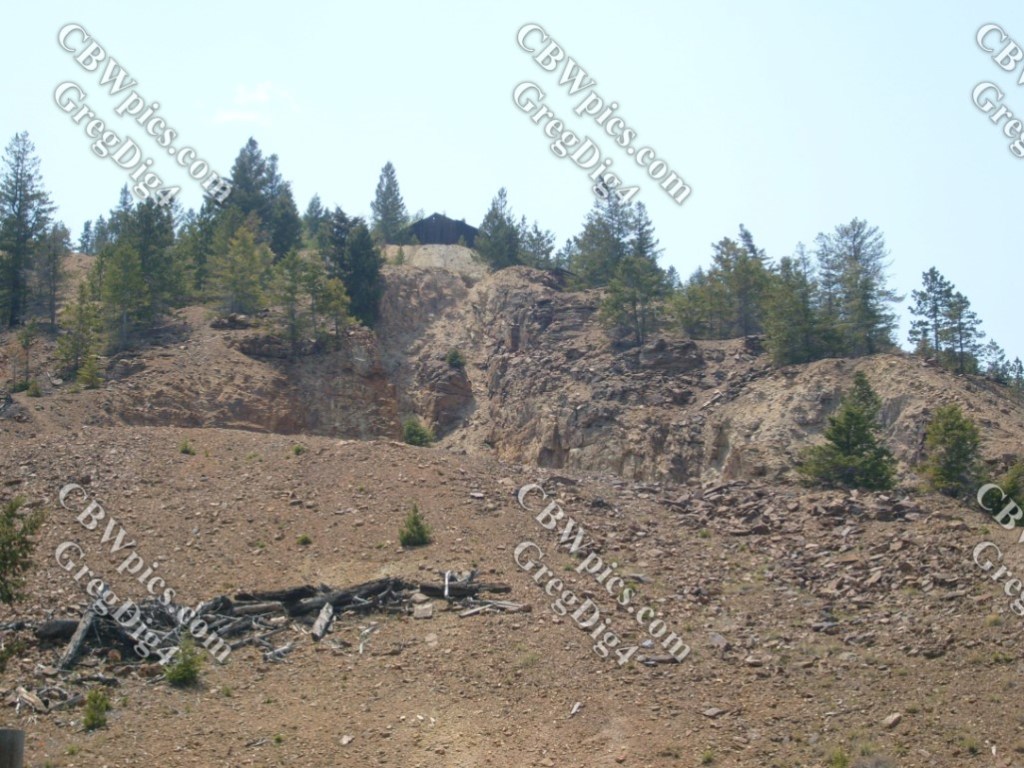
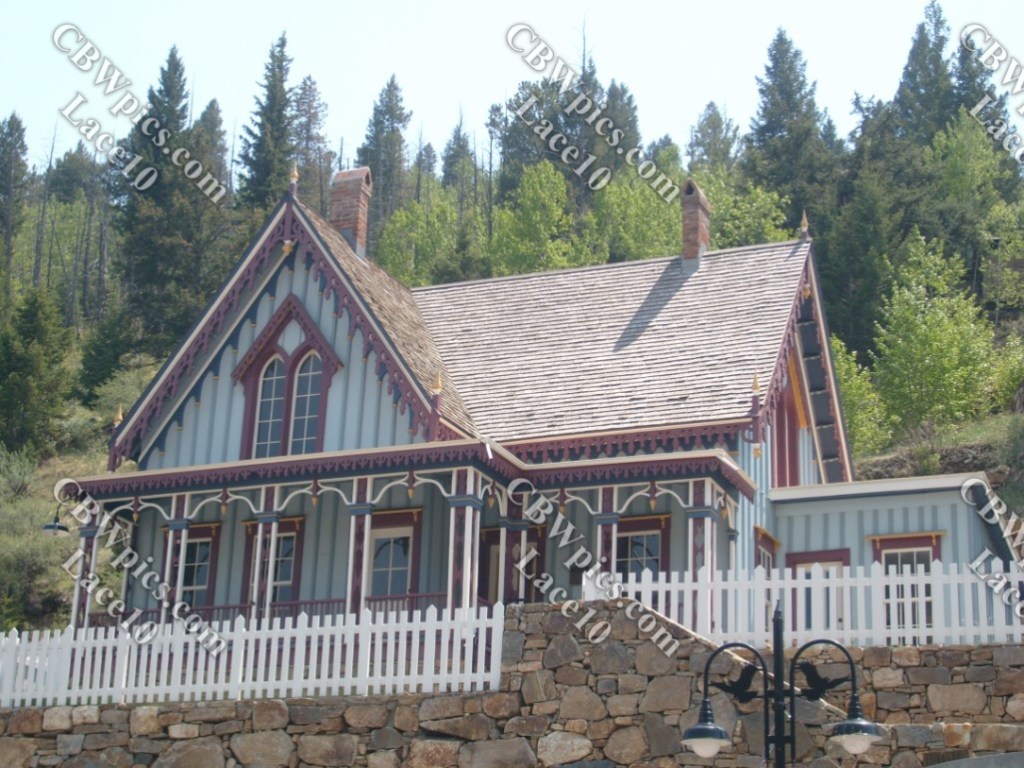
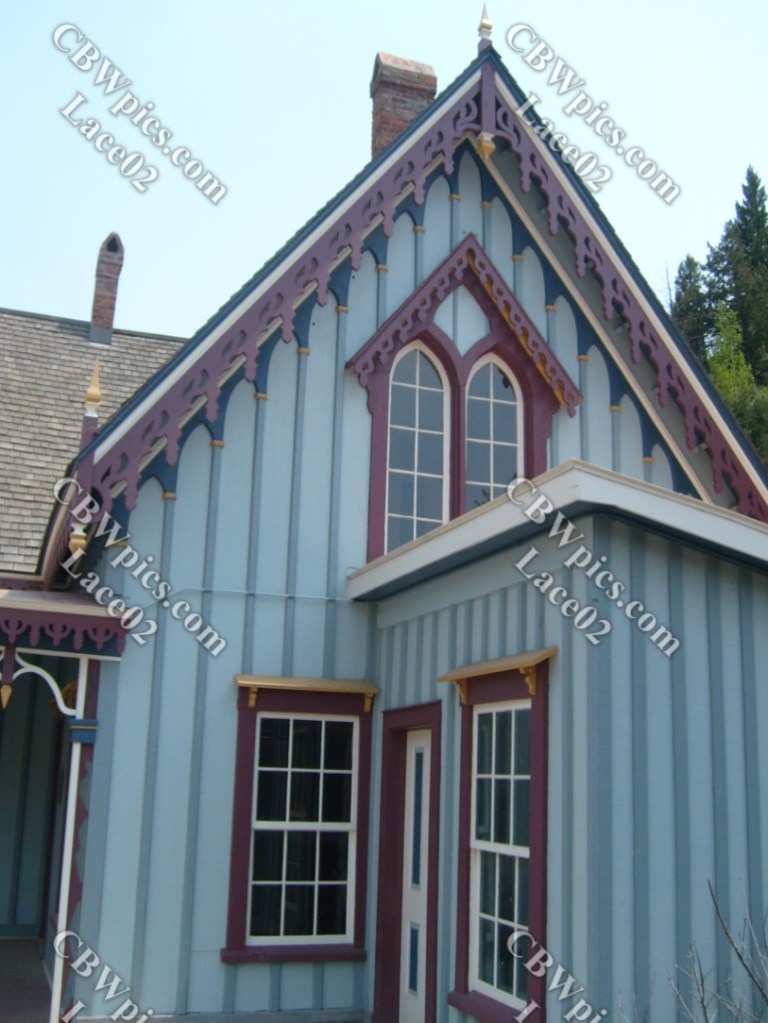
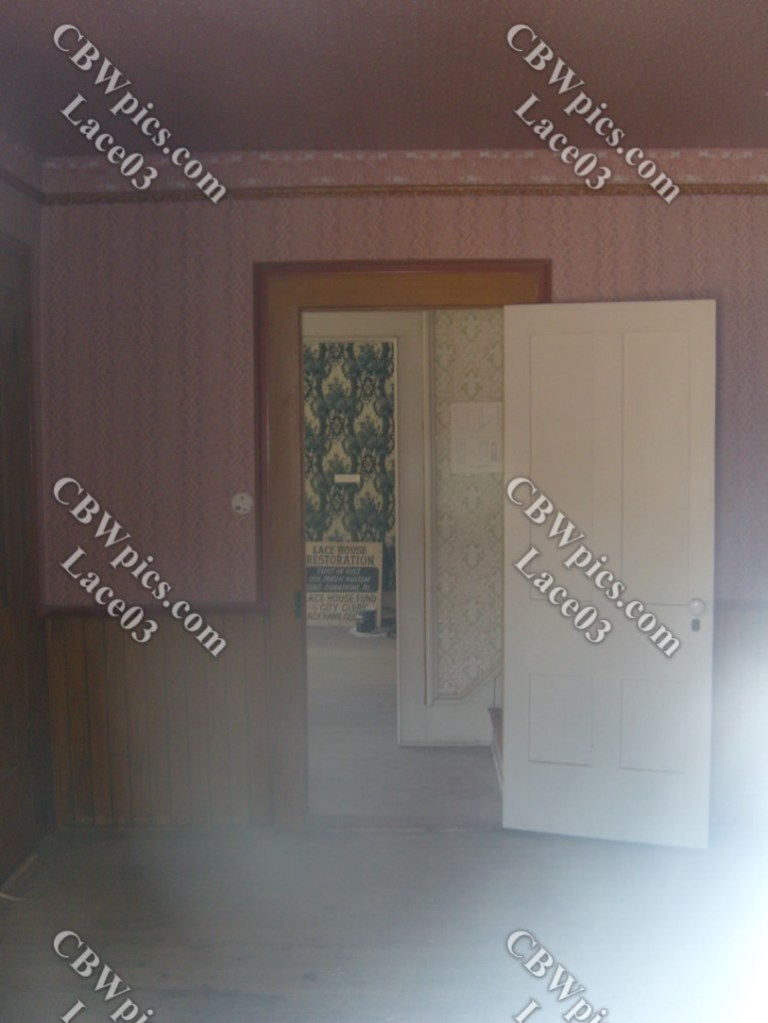
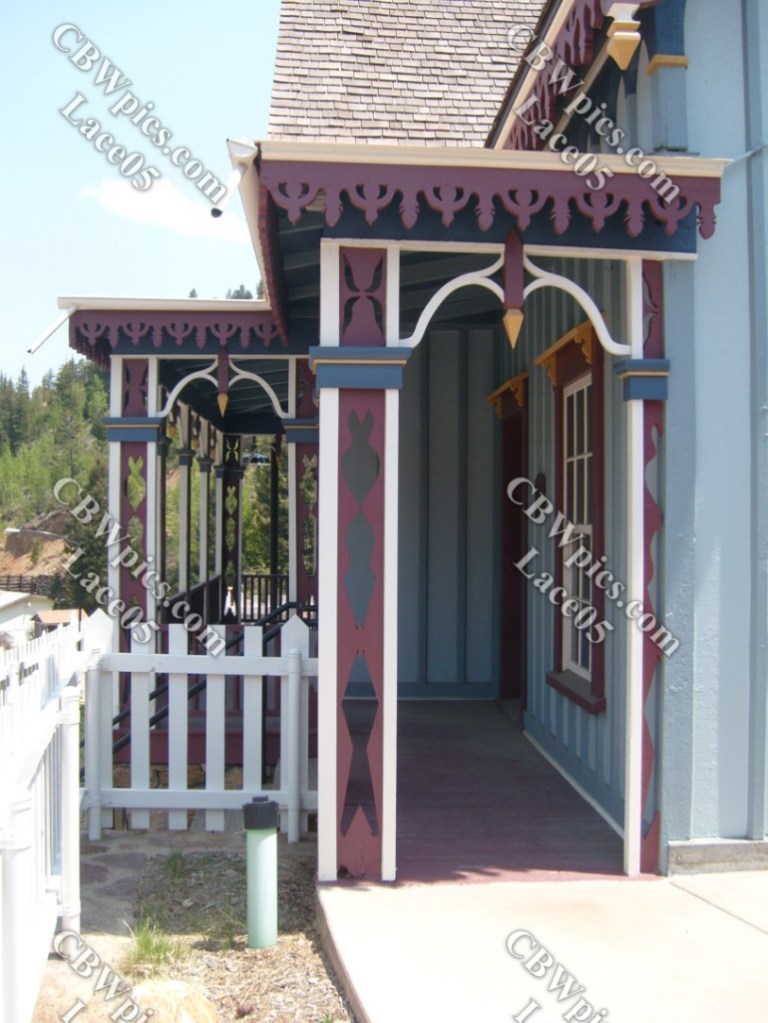
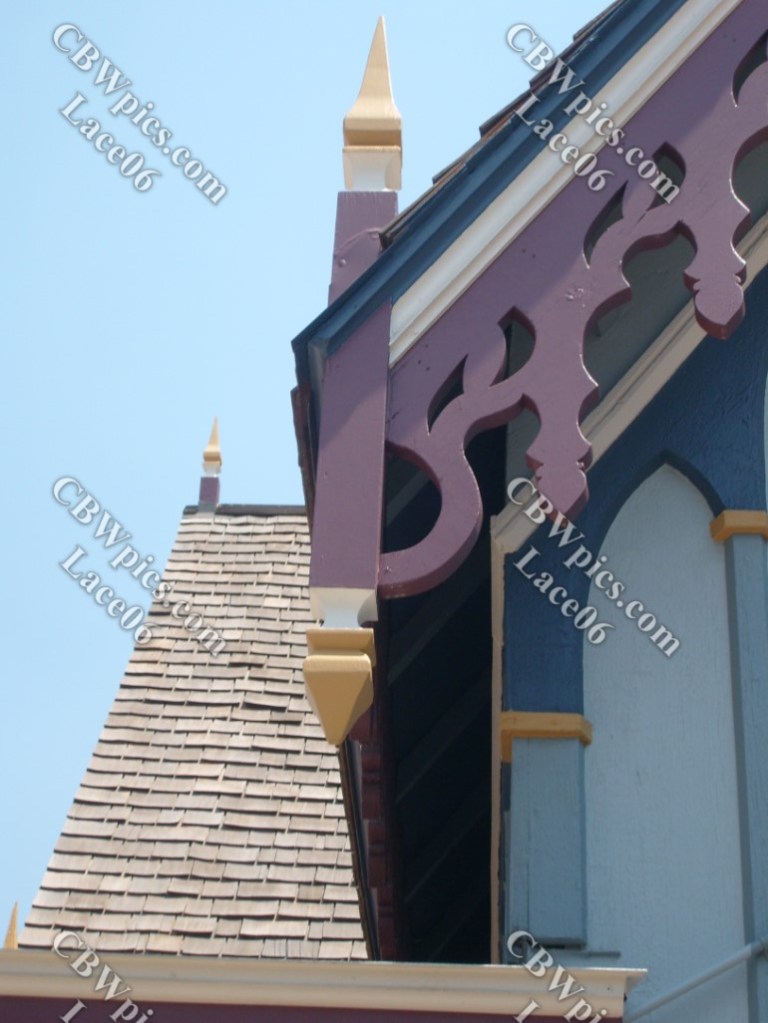
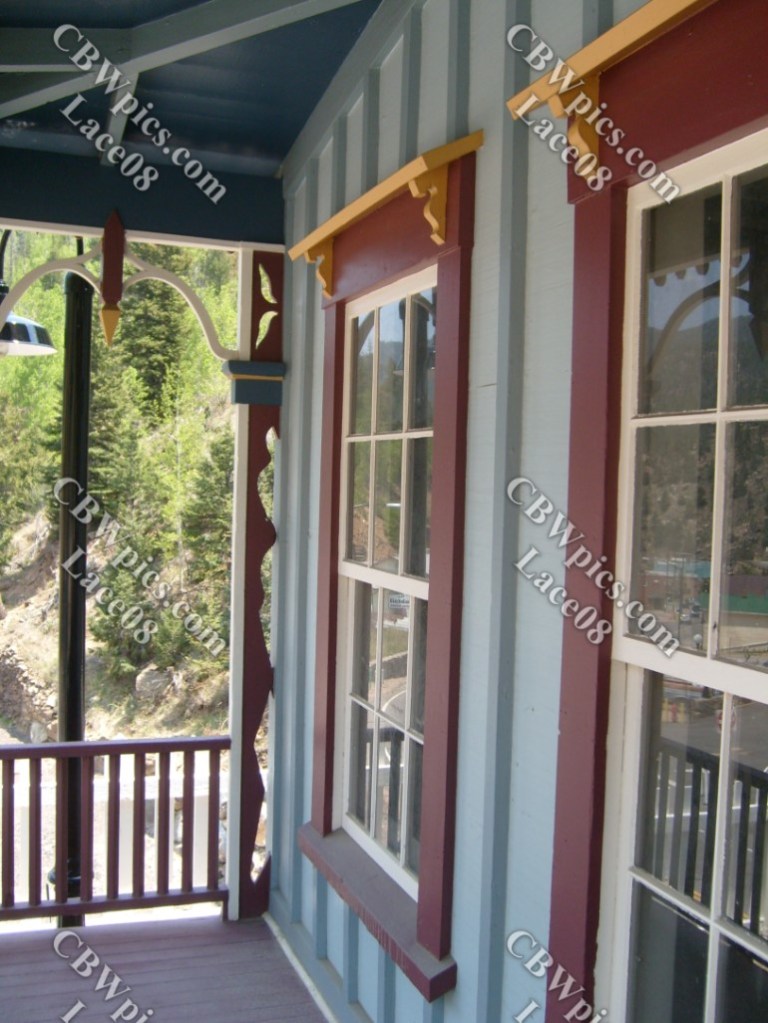
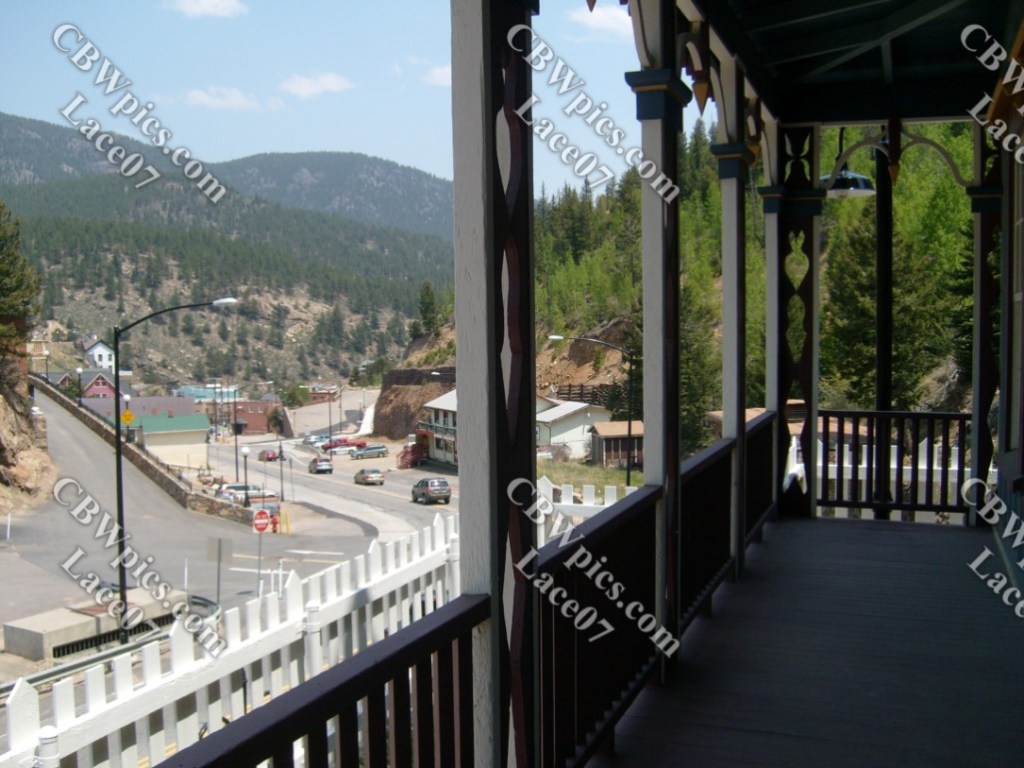
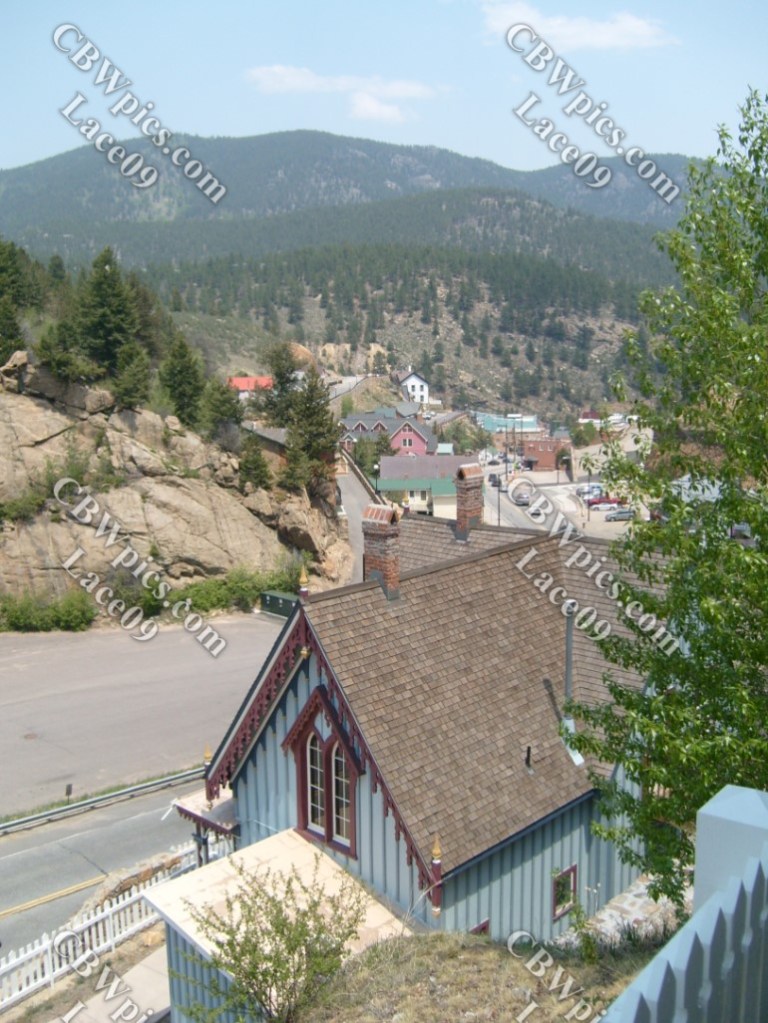
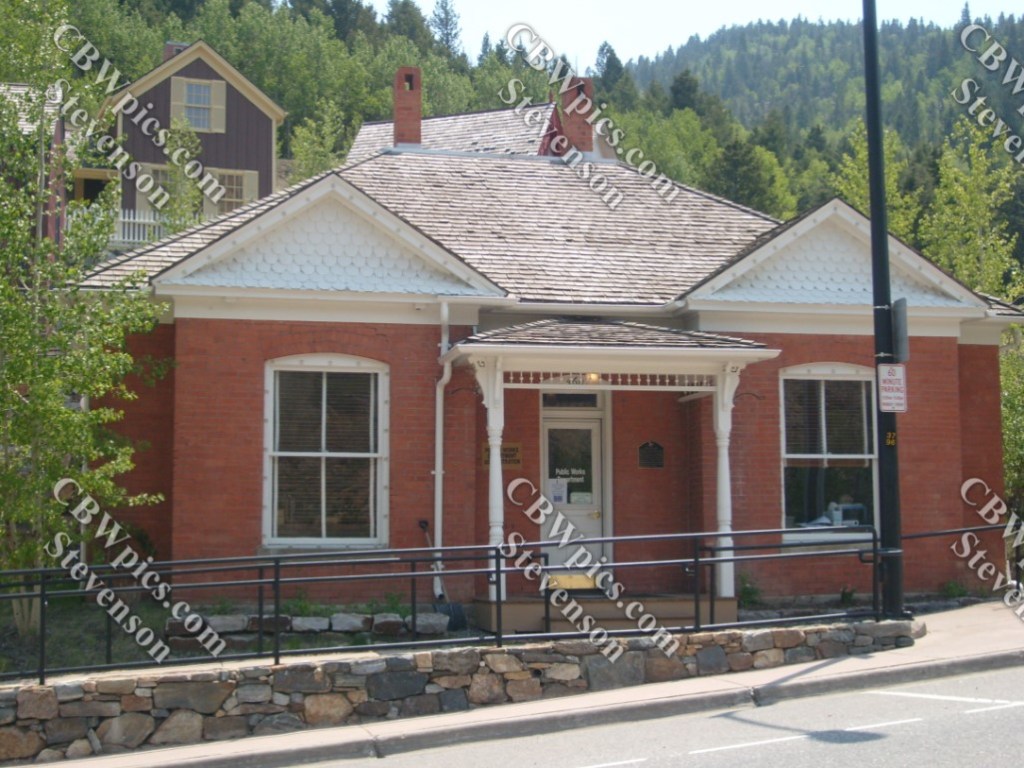
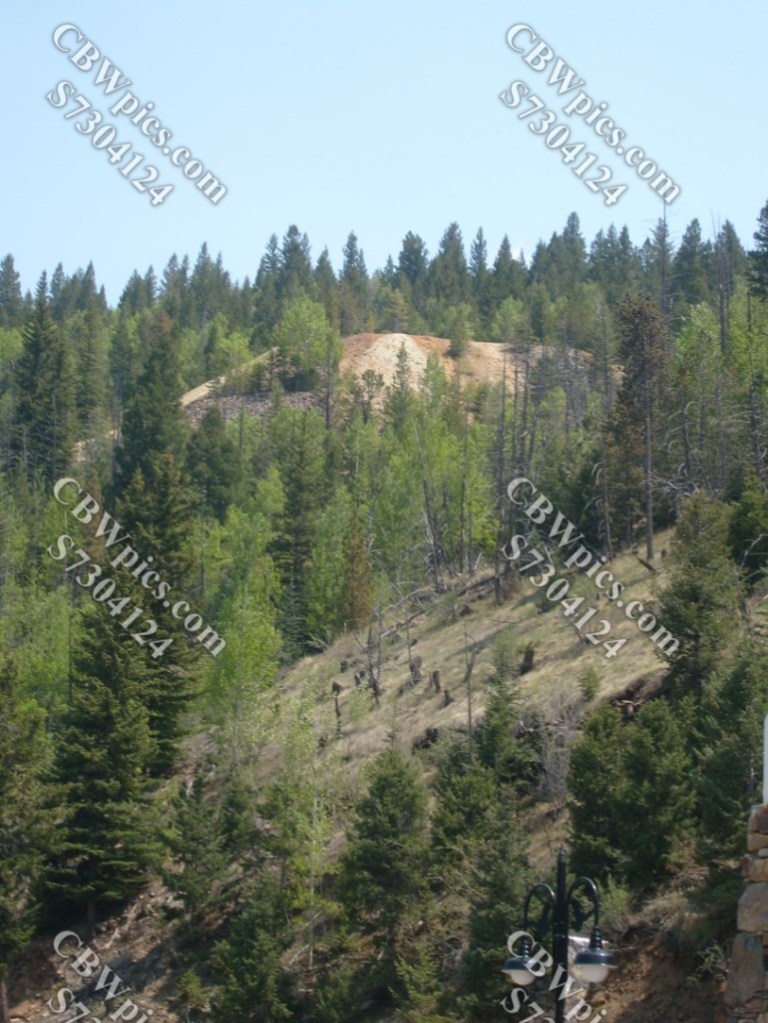
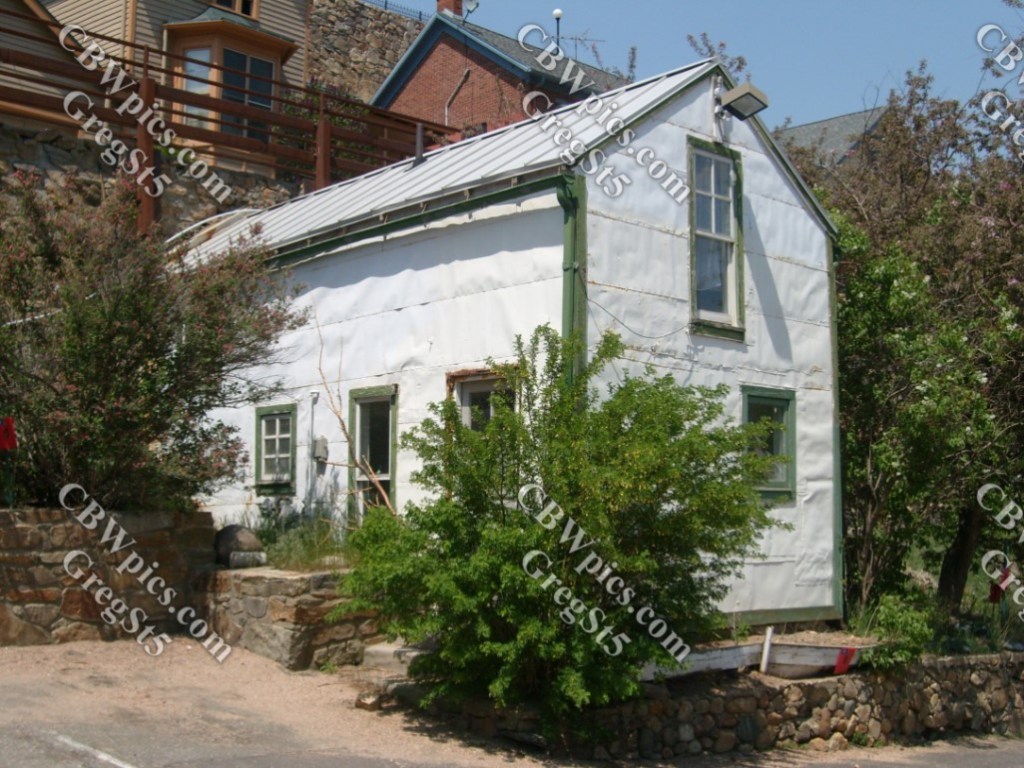
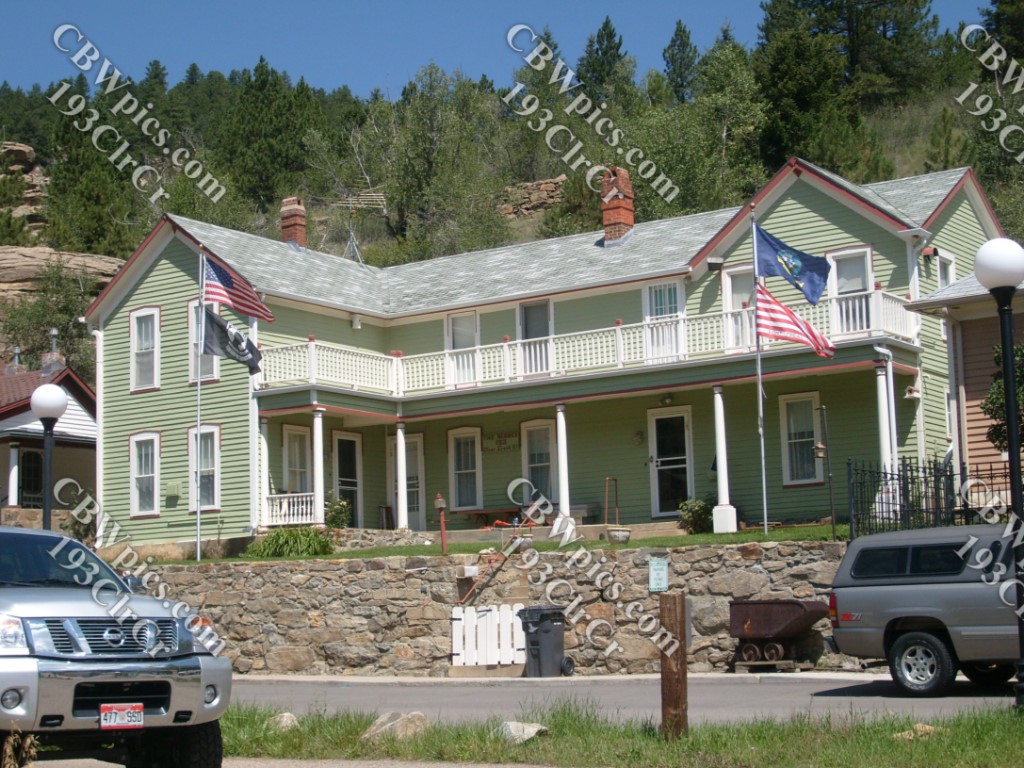
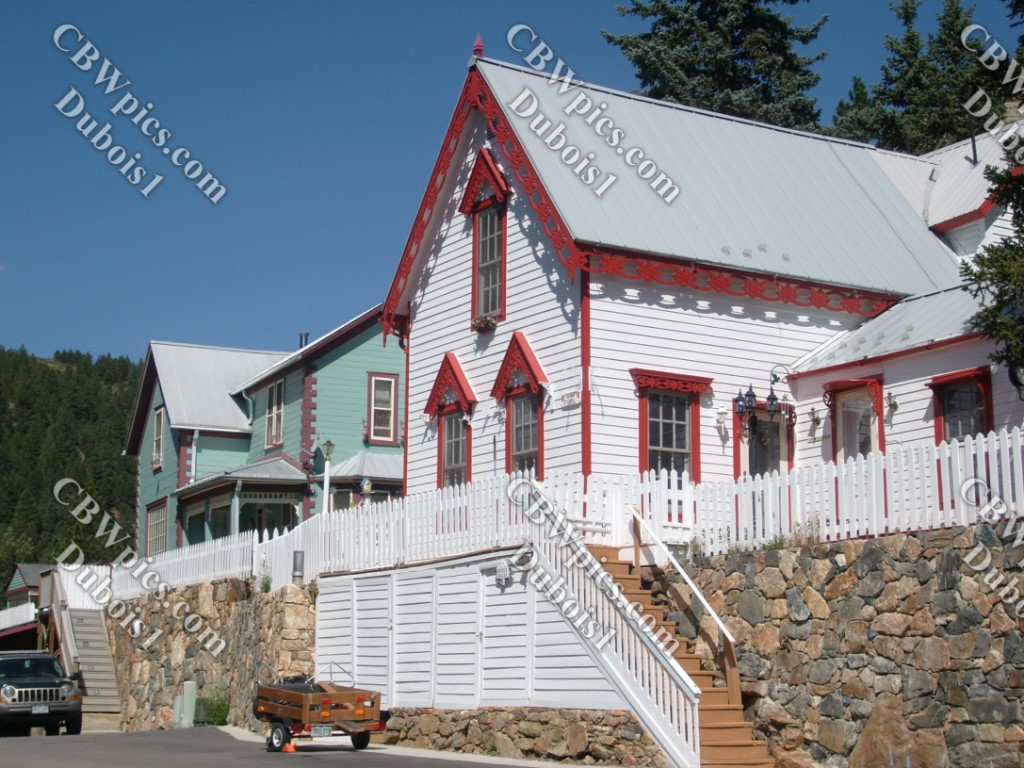
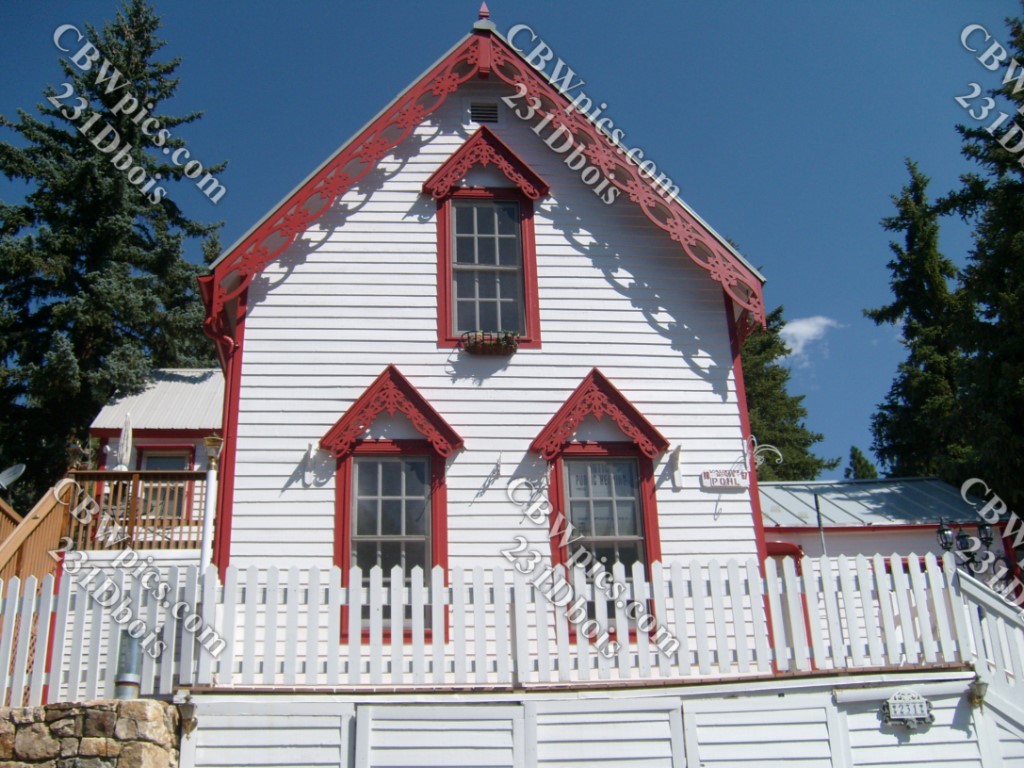
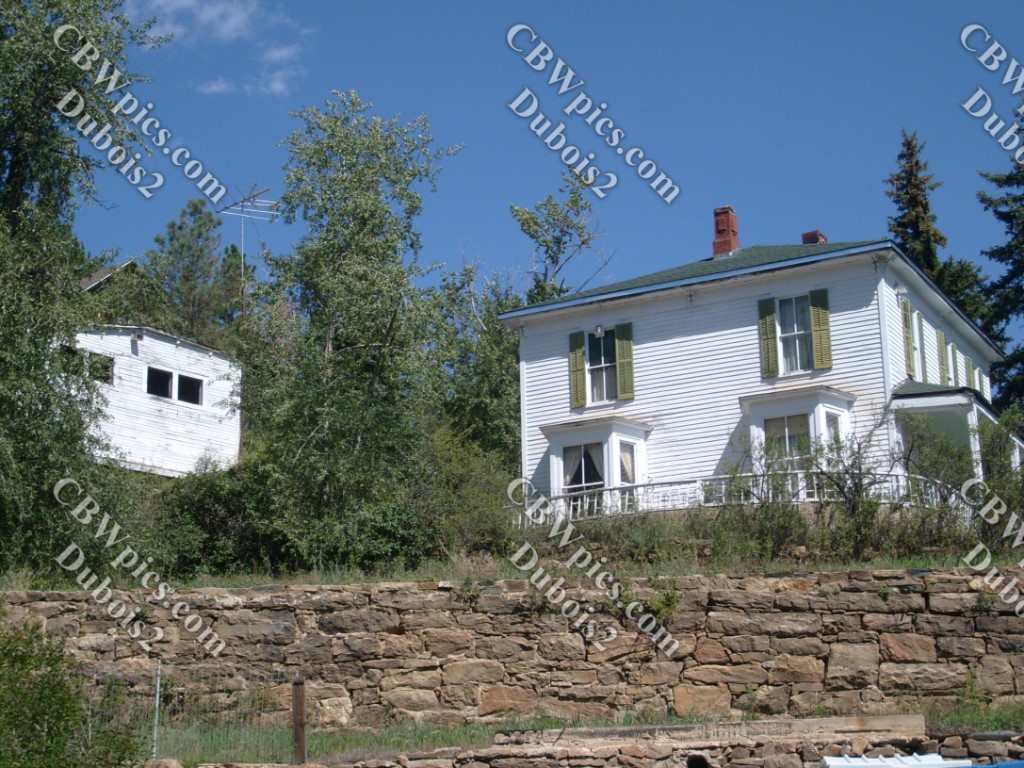
Ornate trim on the Graham HouseThe old Graham House’s ornate trim, and its unusual chimneyThis is Gregory Diggings. It was the first gold “mine” in Colorado.Surface mine adjacent to Mountain City Historic ParkThe beautifully restored Lace House, which was built in 1863……a spectacular example of Carpenter Gothic architecture.The interior of the Lace House was still being restored.Front porch of the Lace HouseThey don’t make ’em like this anymore!Lace House front porchView down Gregory Street from the Lace House front porchLooking down at the Lace House, towards downtown Black Hawk.The old Peterson-Martin houseOrnate trim on the old Peterson-Martin houseHuge tailings pile from one of the bigger old mines.Stevenson HouseMountain City Historic Park, Black Hawk, Colorado
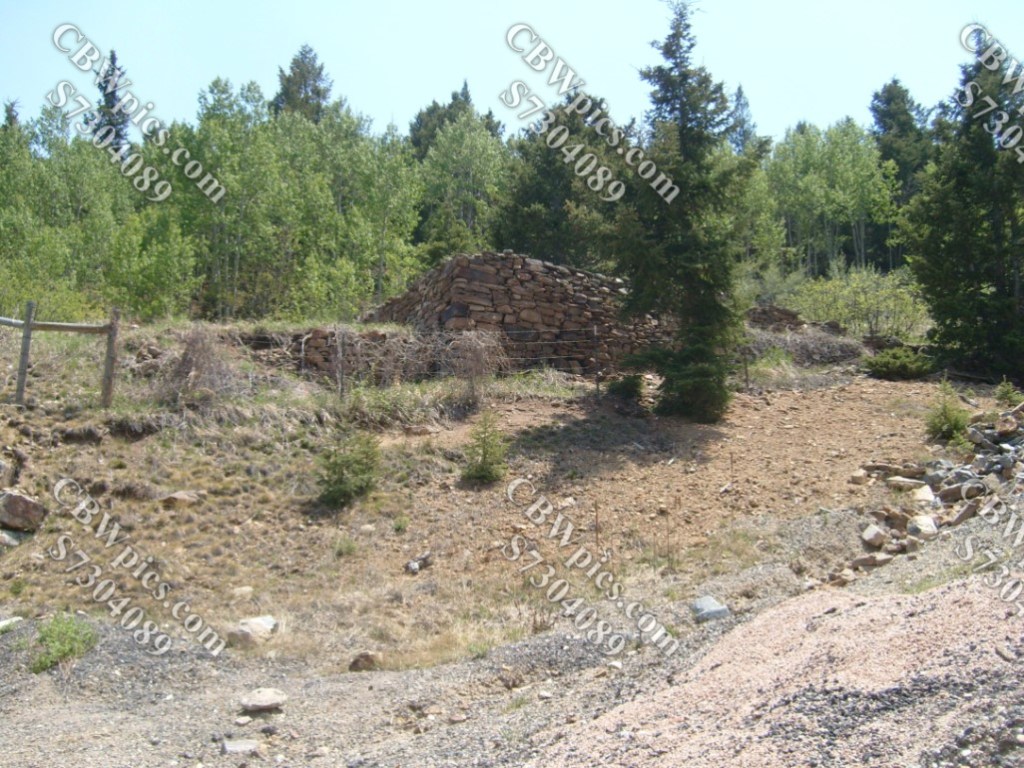
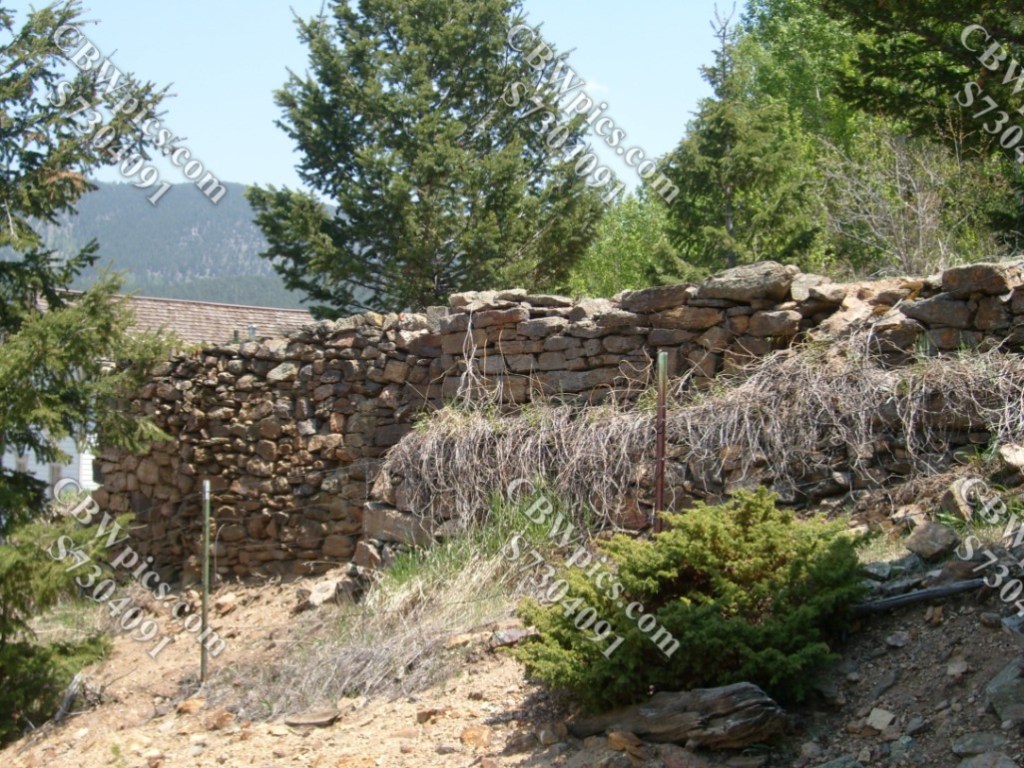
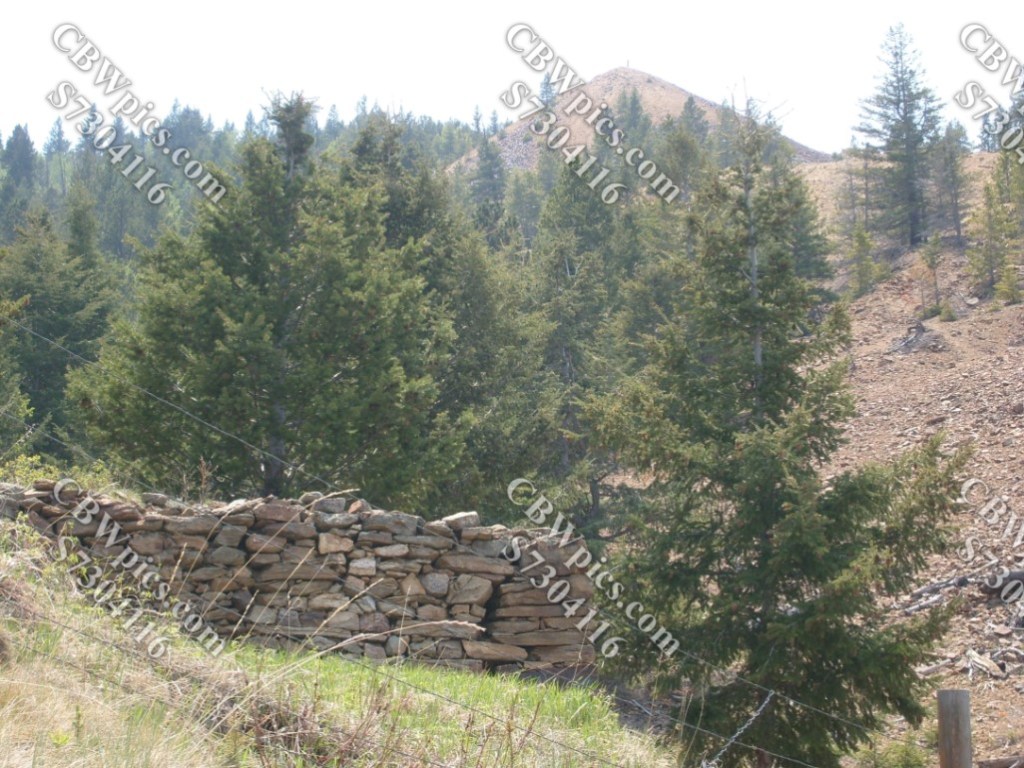
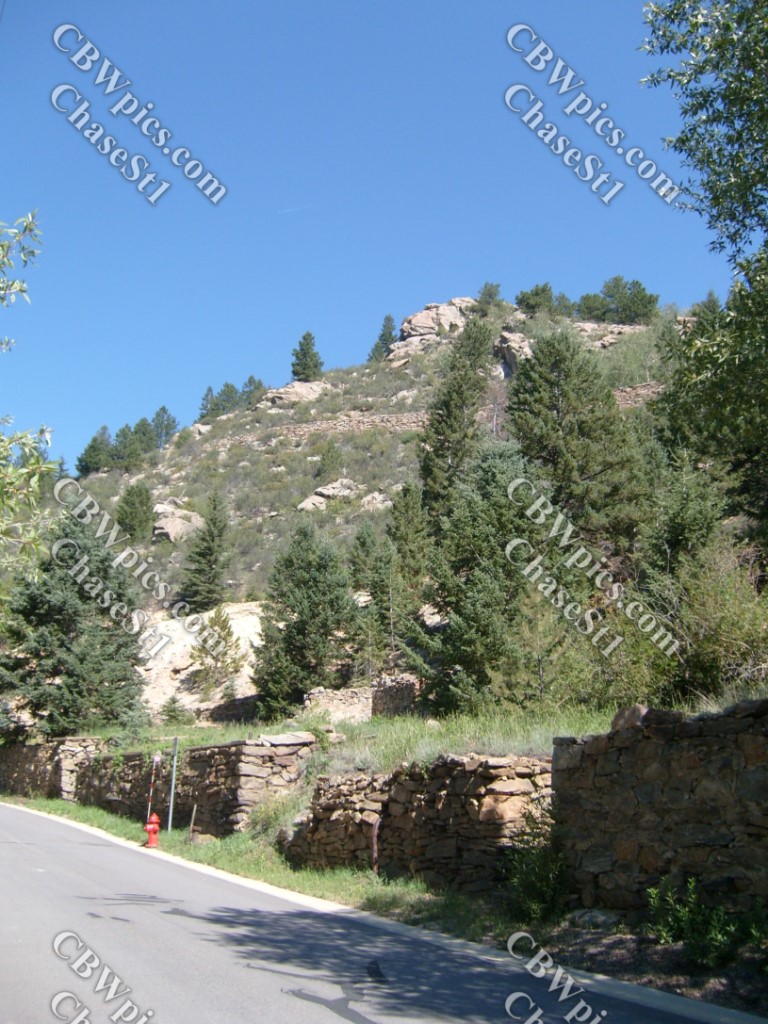
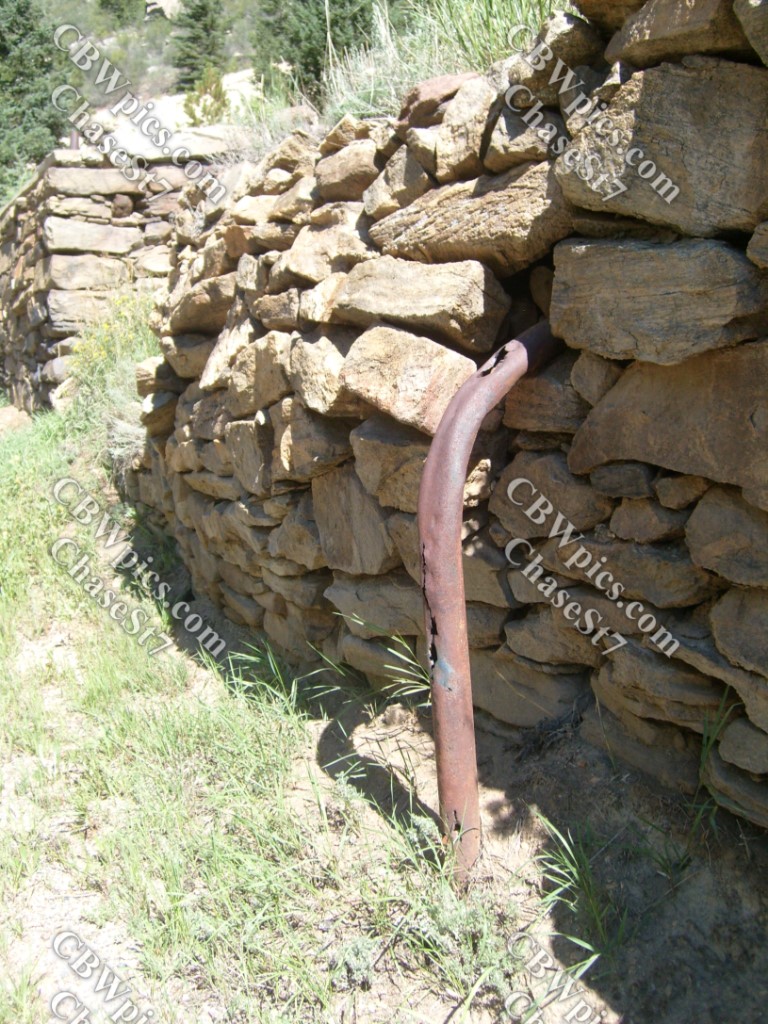
Long before the modern casinos began blasting mountainsides to carve out flat areas, folks were building onto the mountainsides to create terraces like the ones pictured below.
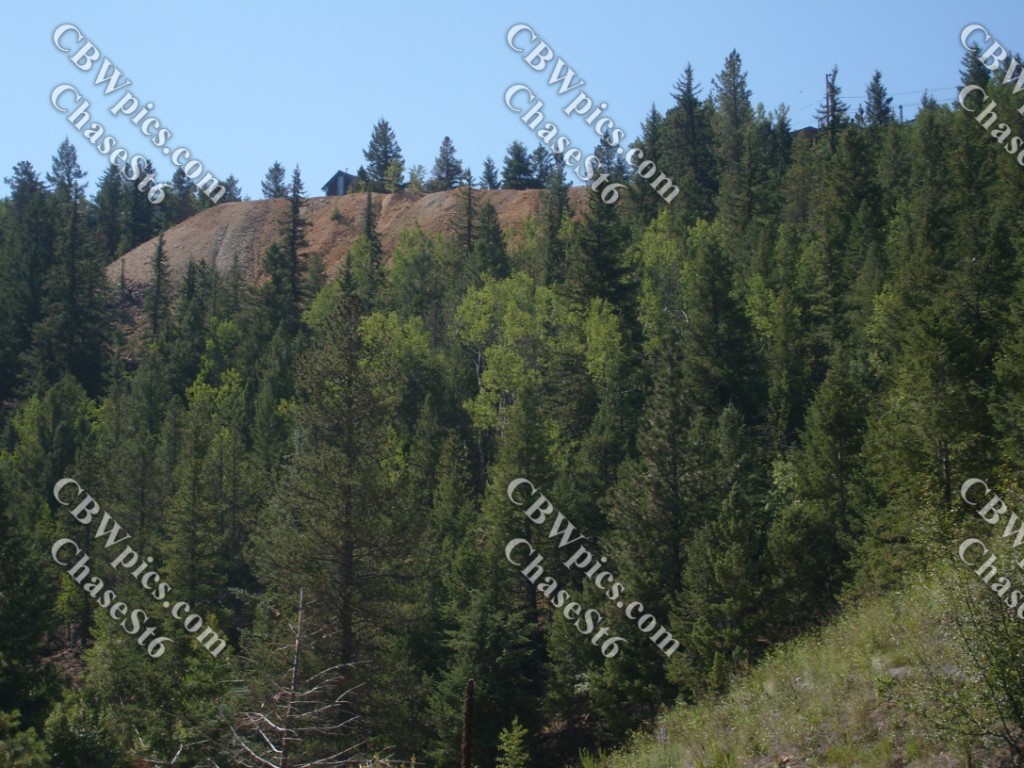
There was likely a house or store or mine office on this terrace.There was likely a house or store or mine office on this terrace.This terrace still has something on it; I couldn’t get closer to see what. Another tailings pile near the old Mountain CityMountain City Historic Park, Black Hawk, Colorado
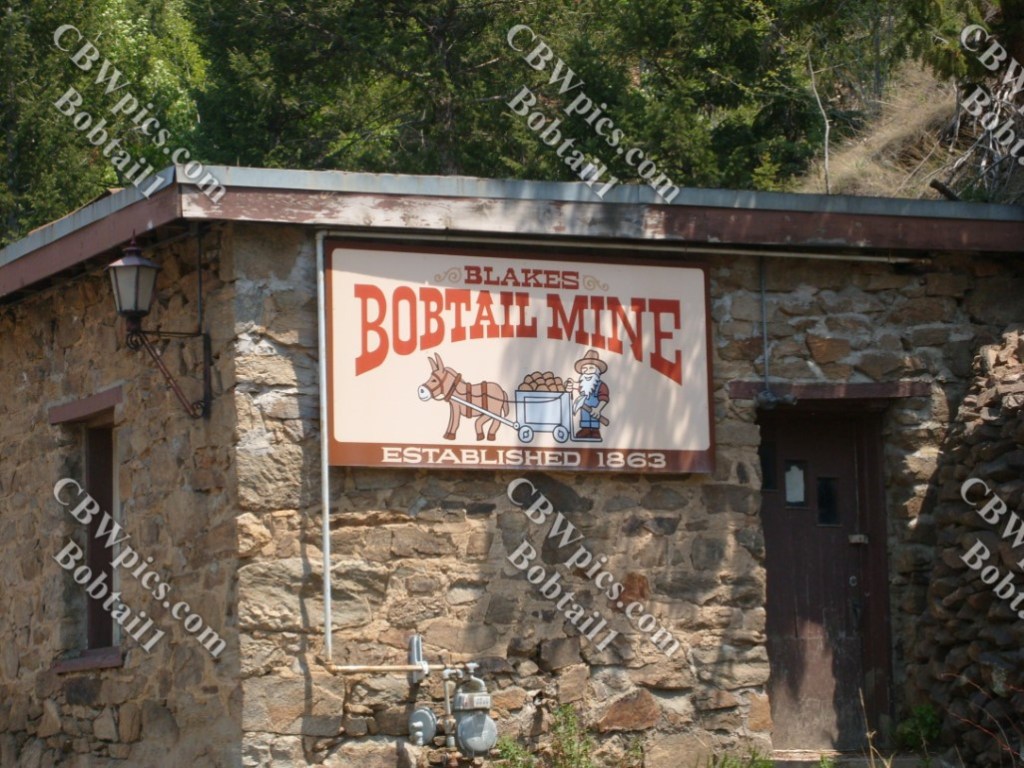
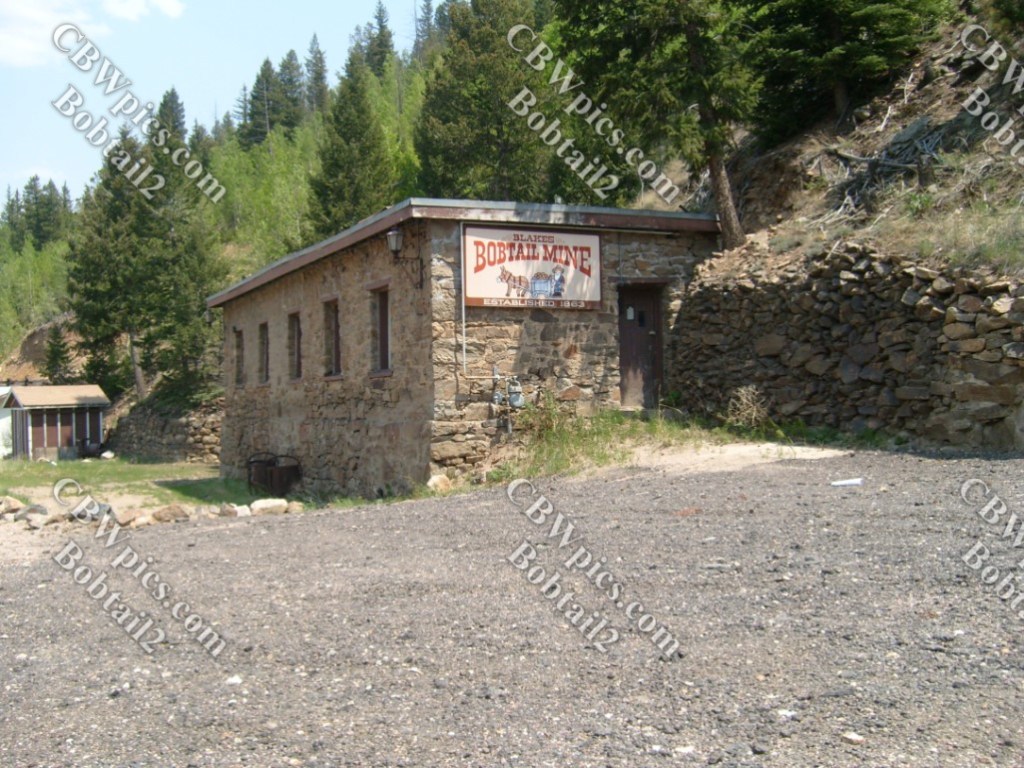
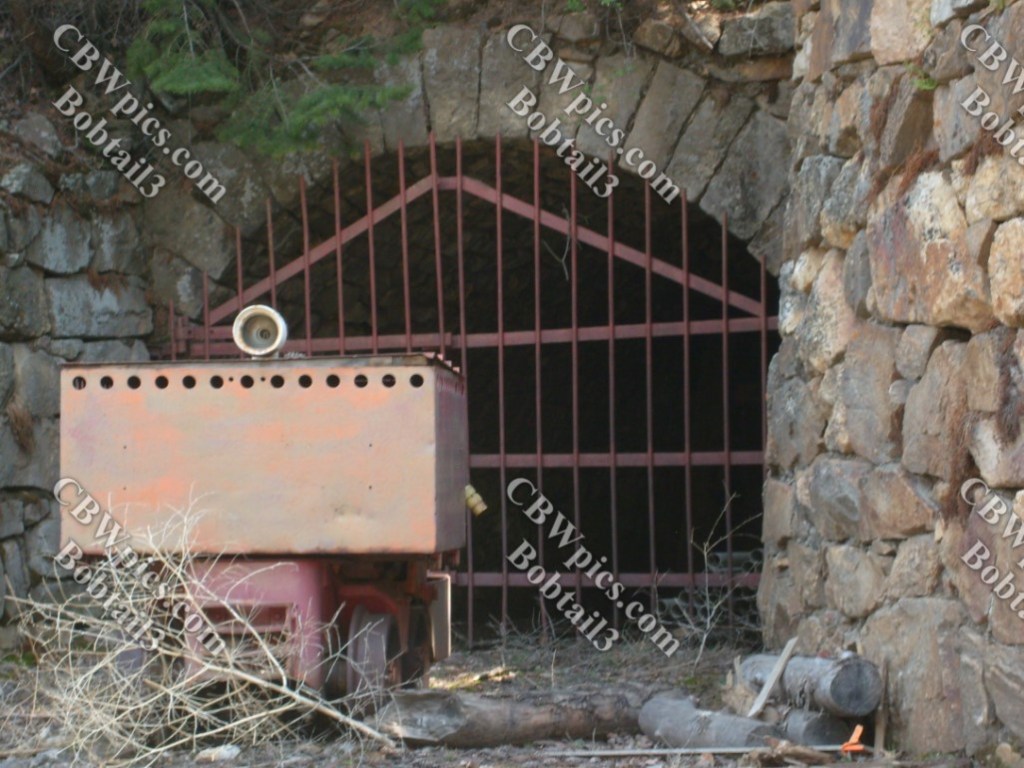
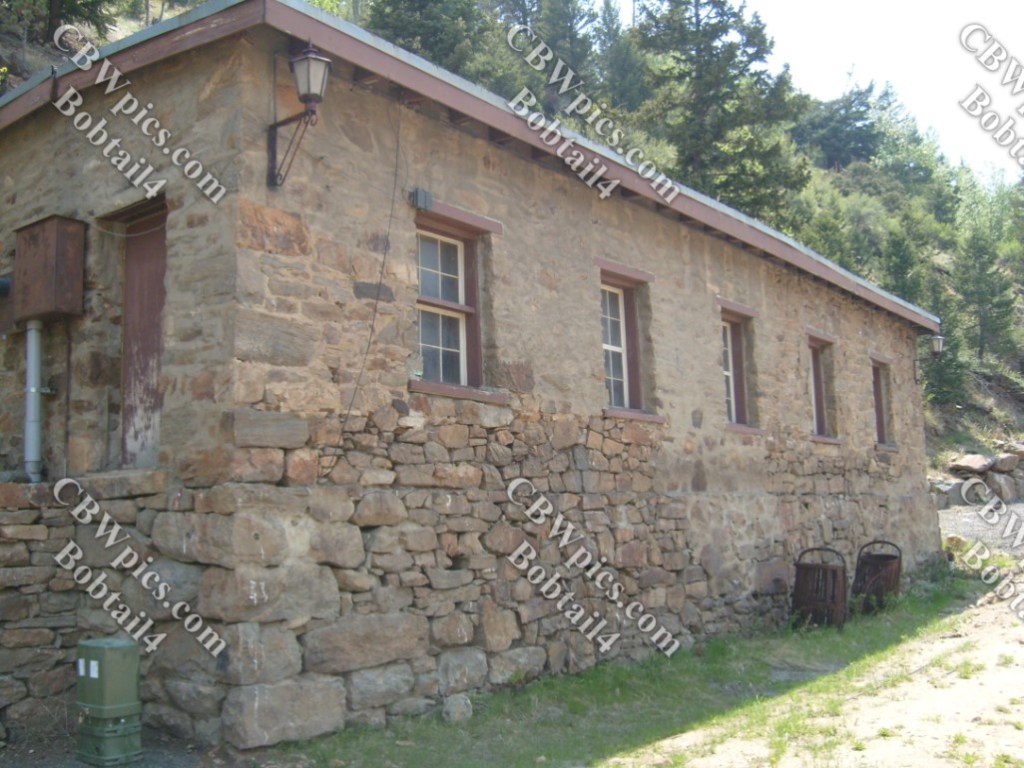
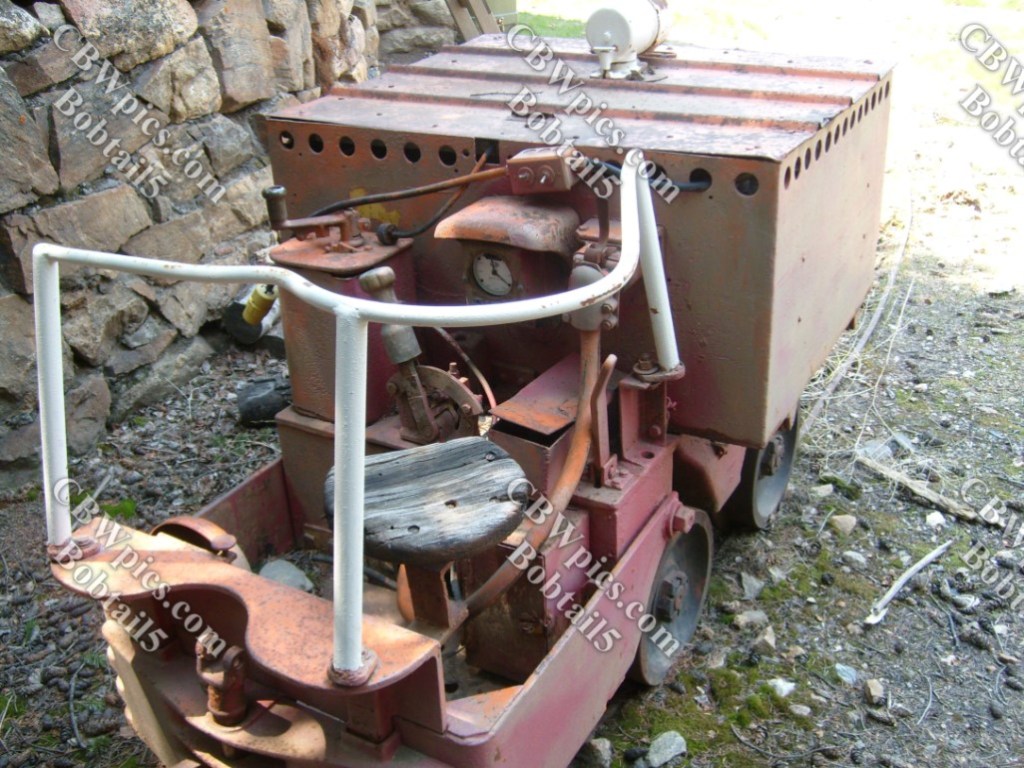
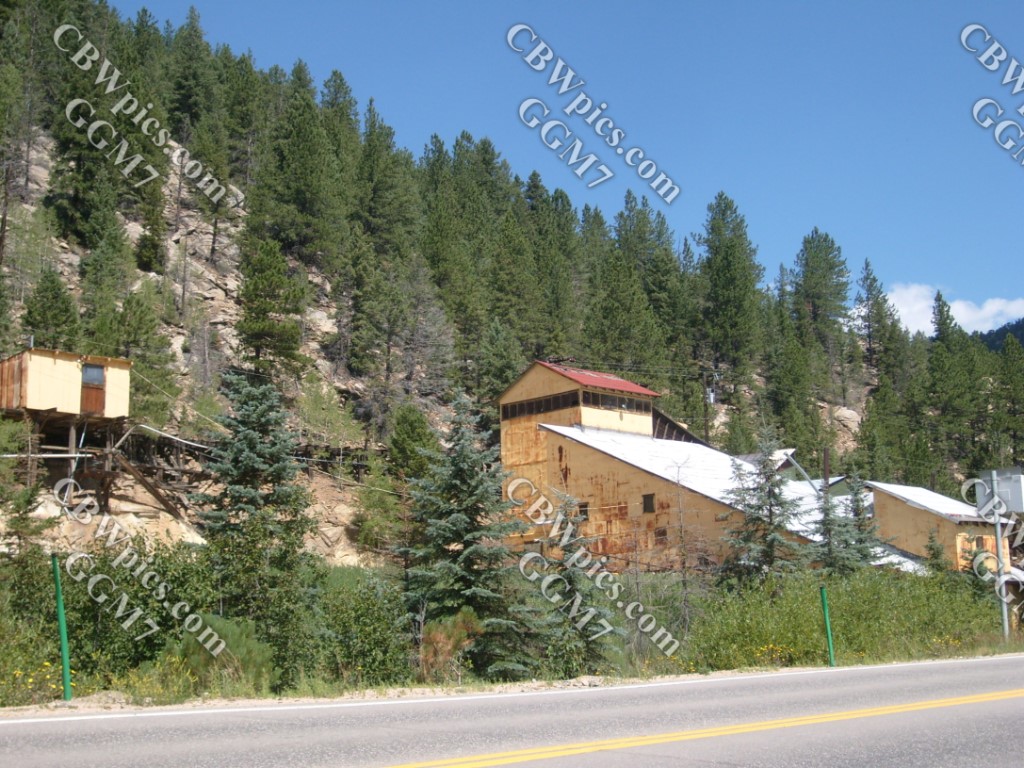
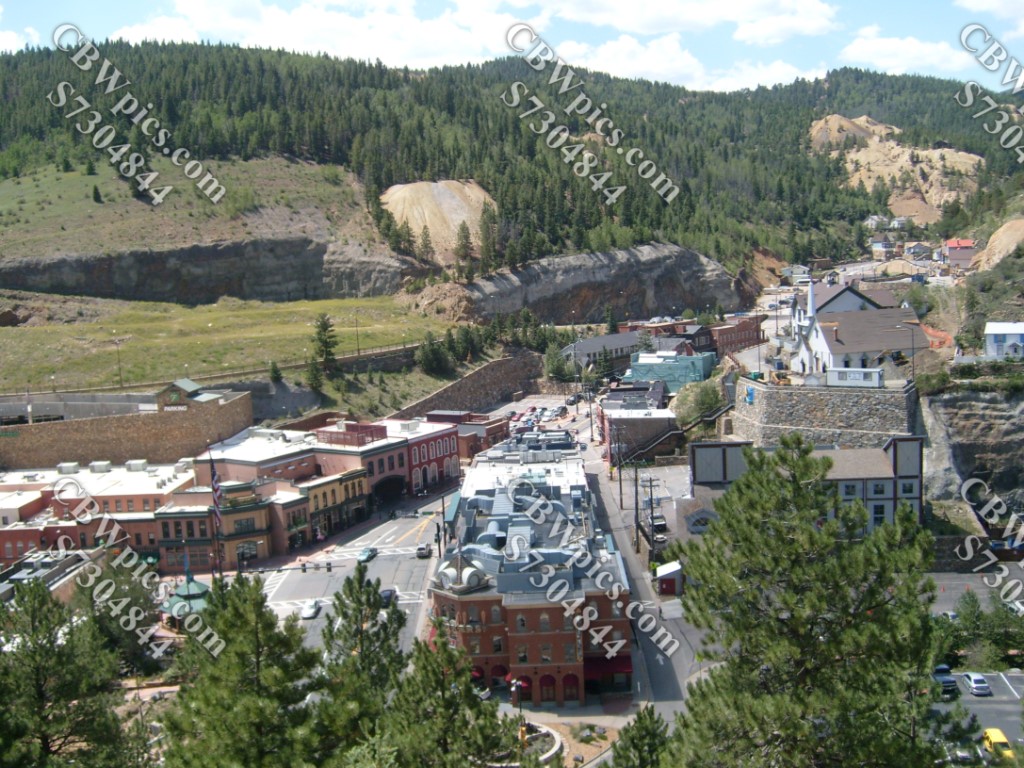
Not all of Black Hawk’s historic buildings have been moved to Mountain City. In fact, most of the city’s downtown buildings are intact and still standing in their original locations. Thus, we now leave the historic park, and start walking downhill. But before we reach downtown, we walk by the Bobtail Mine:
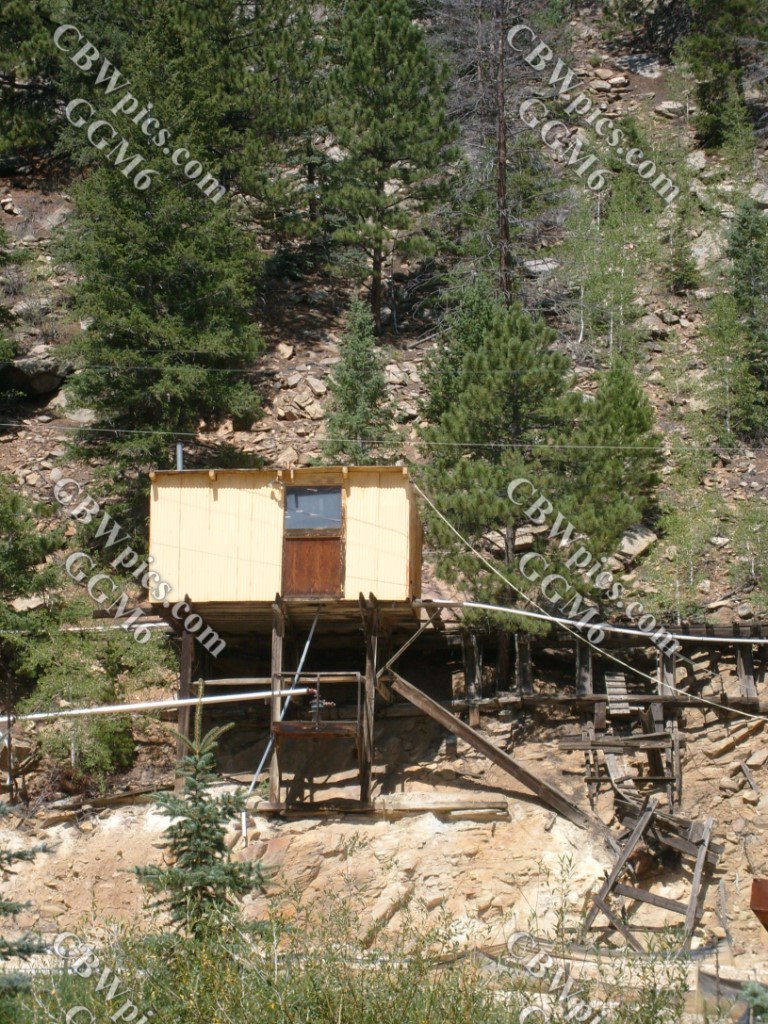
Bobtail MineBobtail MineEntrance to the Bobtail MineBobtail MineThis old beast still sits on the rails outside the Bobtail Mine.This old beast still sits on the rails just inside the Bobtail Mine.Bobtail Mine, Black Hawk, Colorado
Hey! Let’s keep heading down towards downtown…
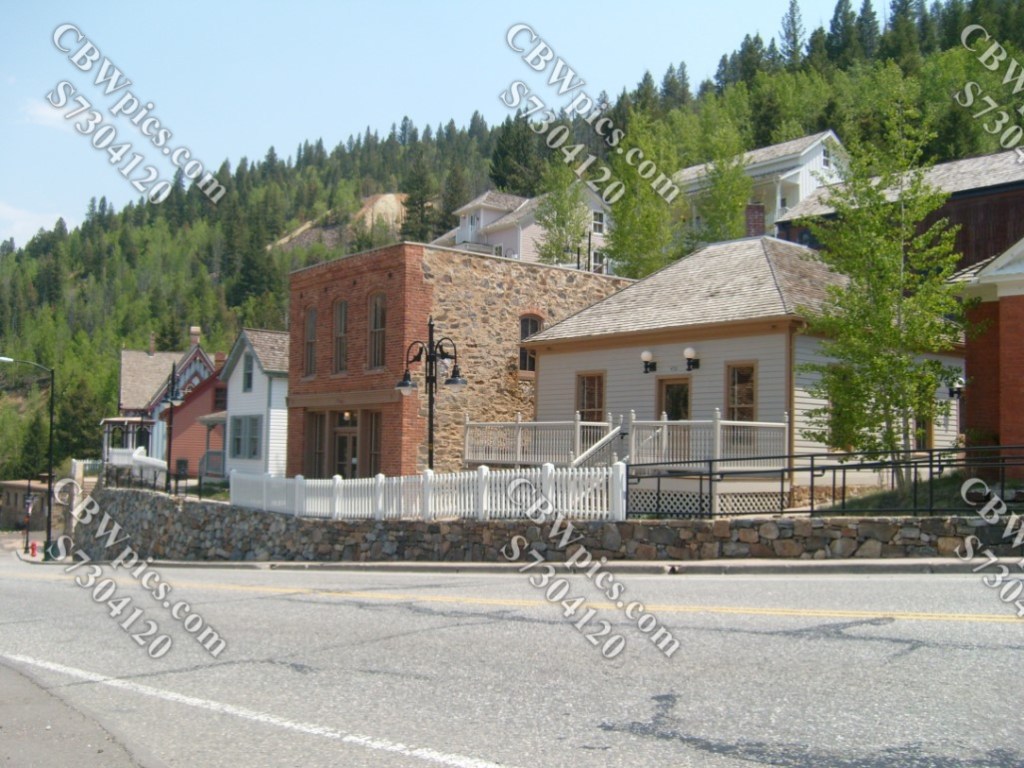
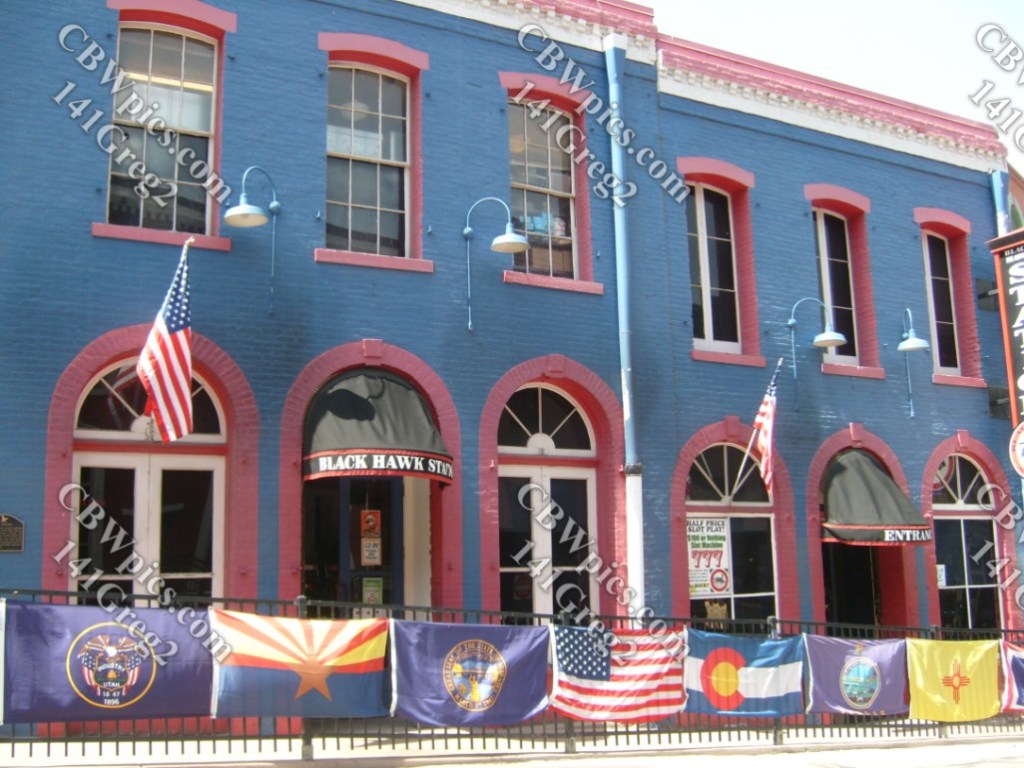
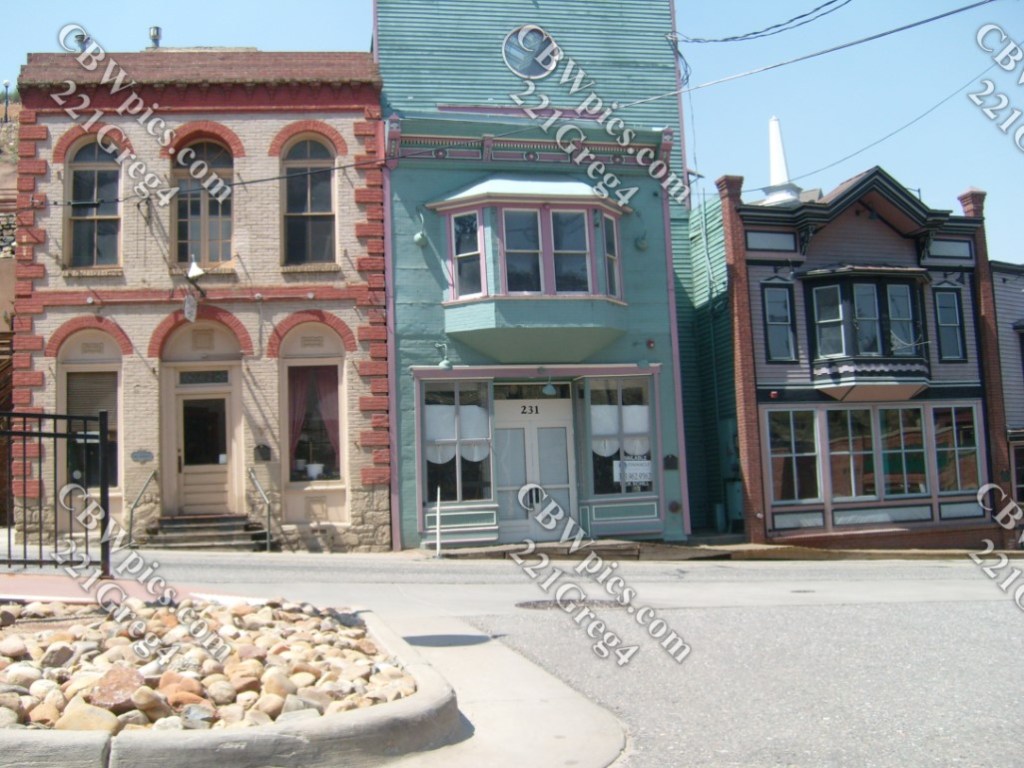
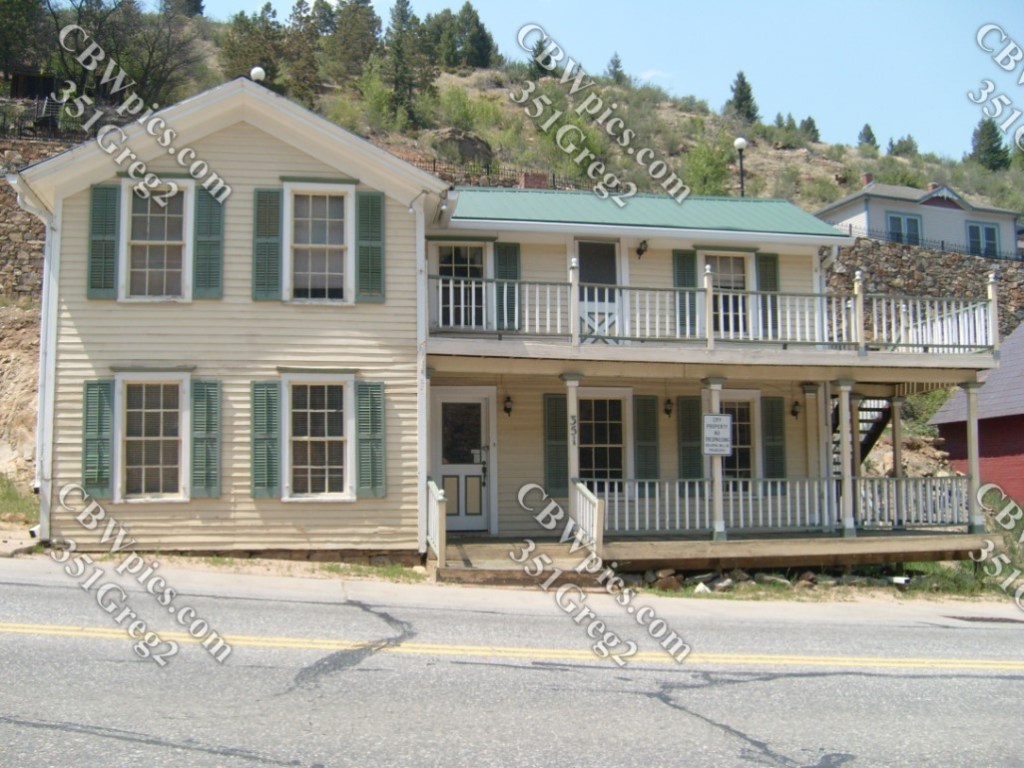
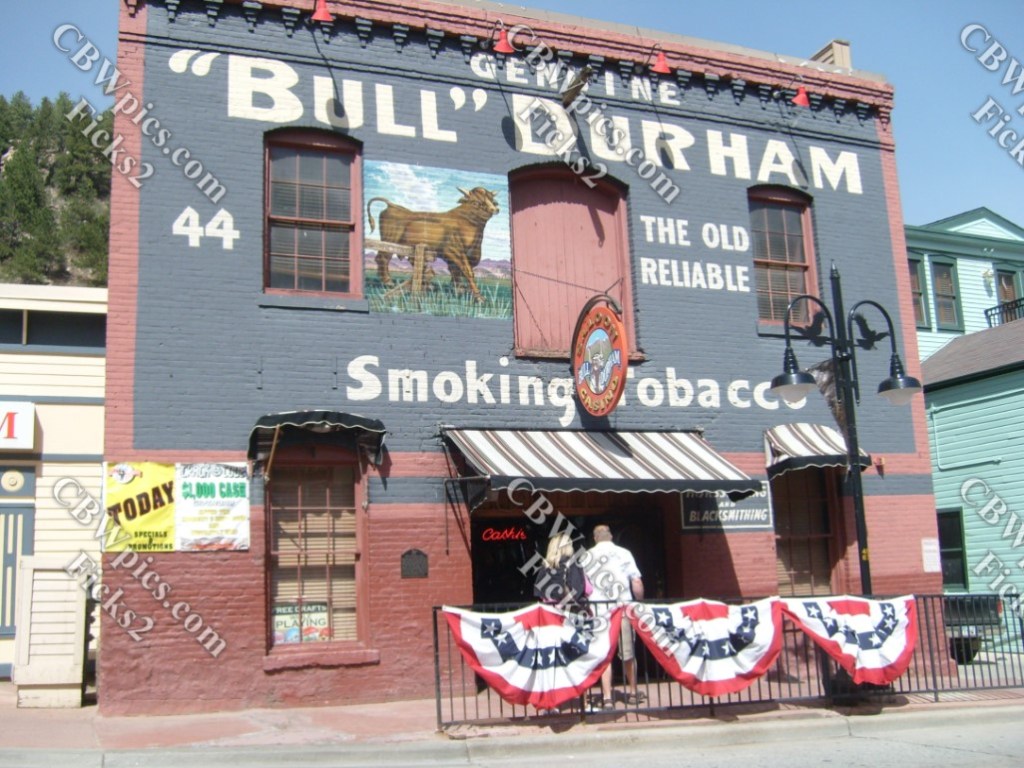
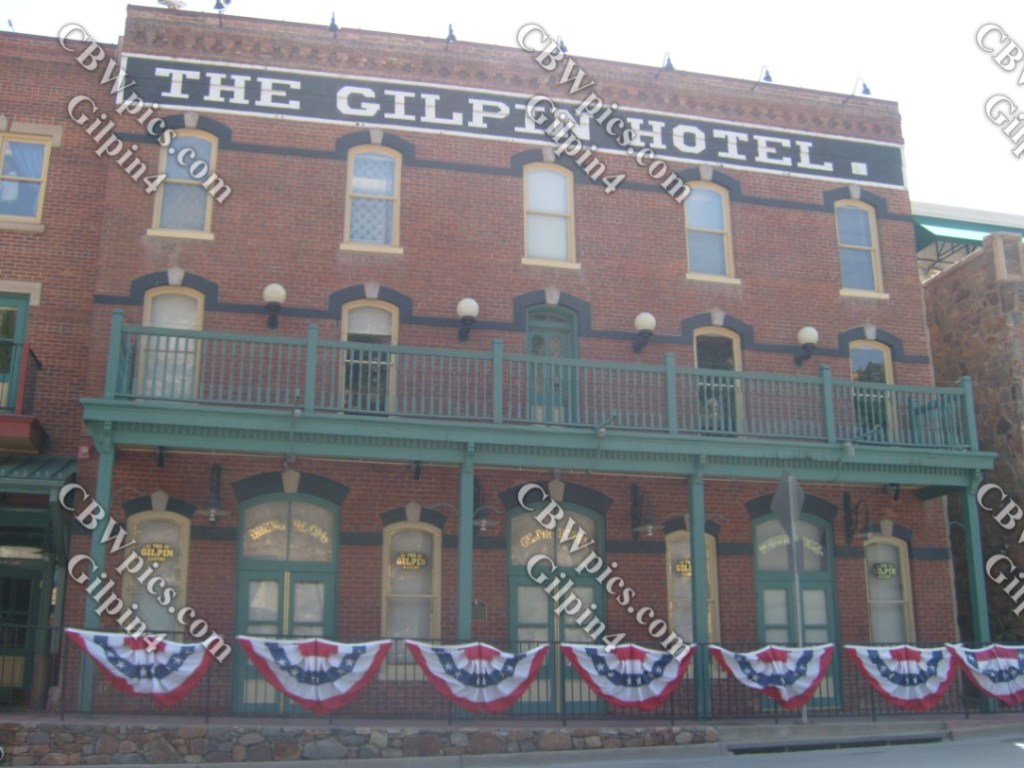
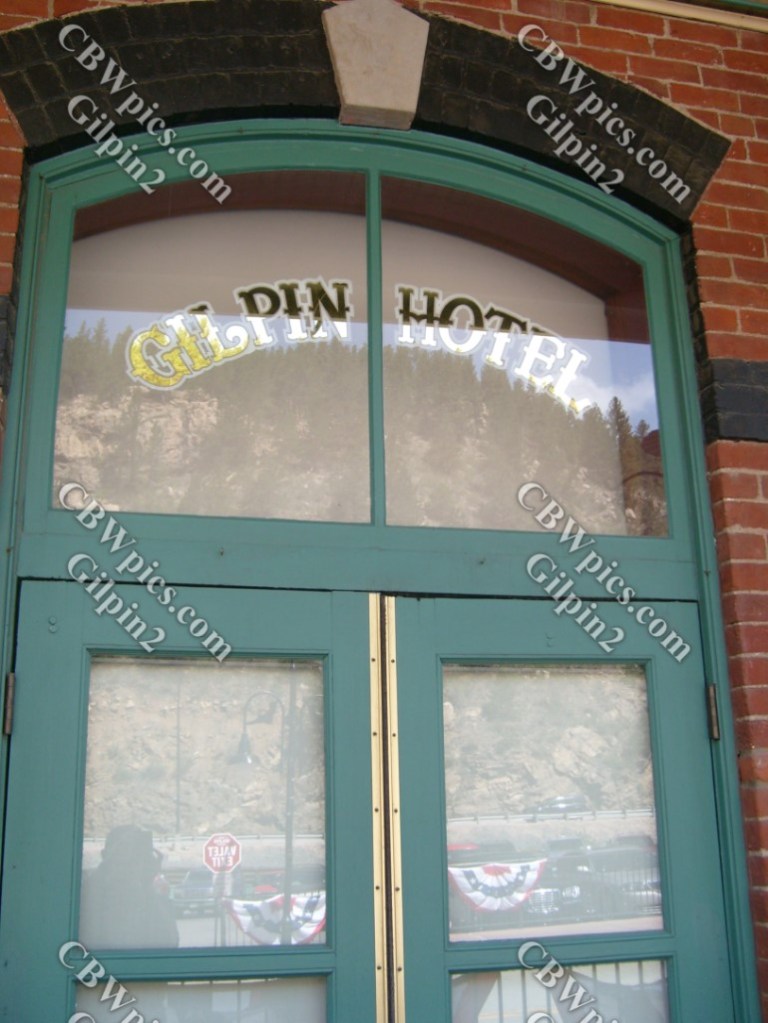
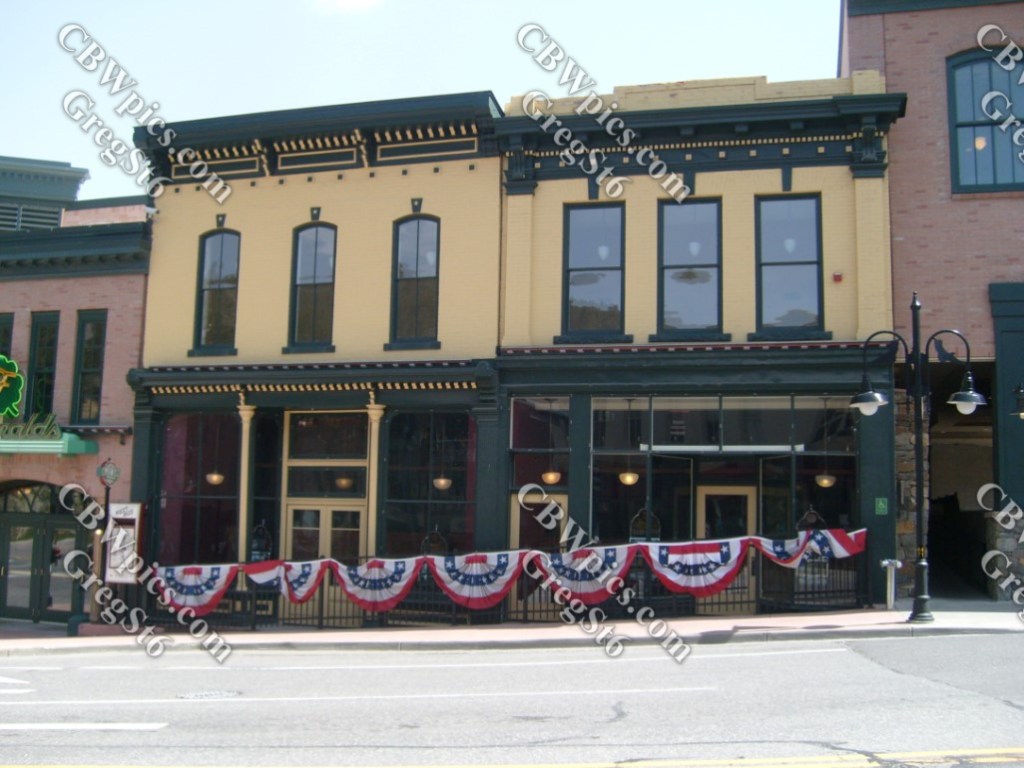
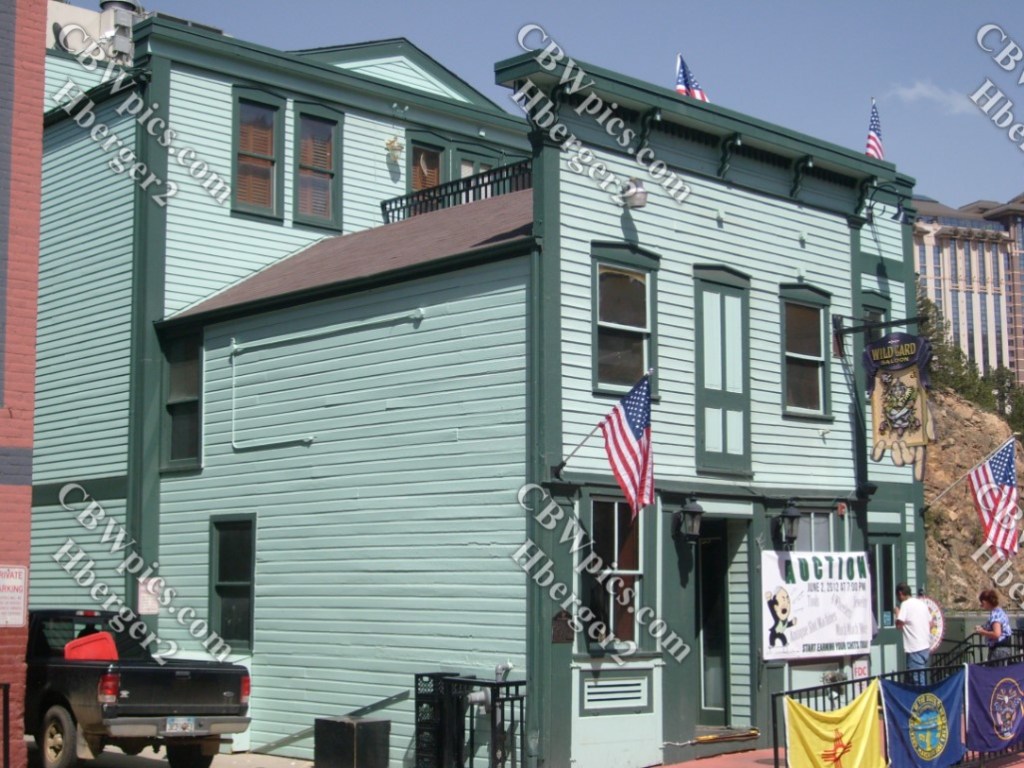
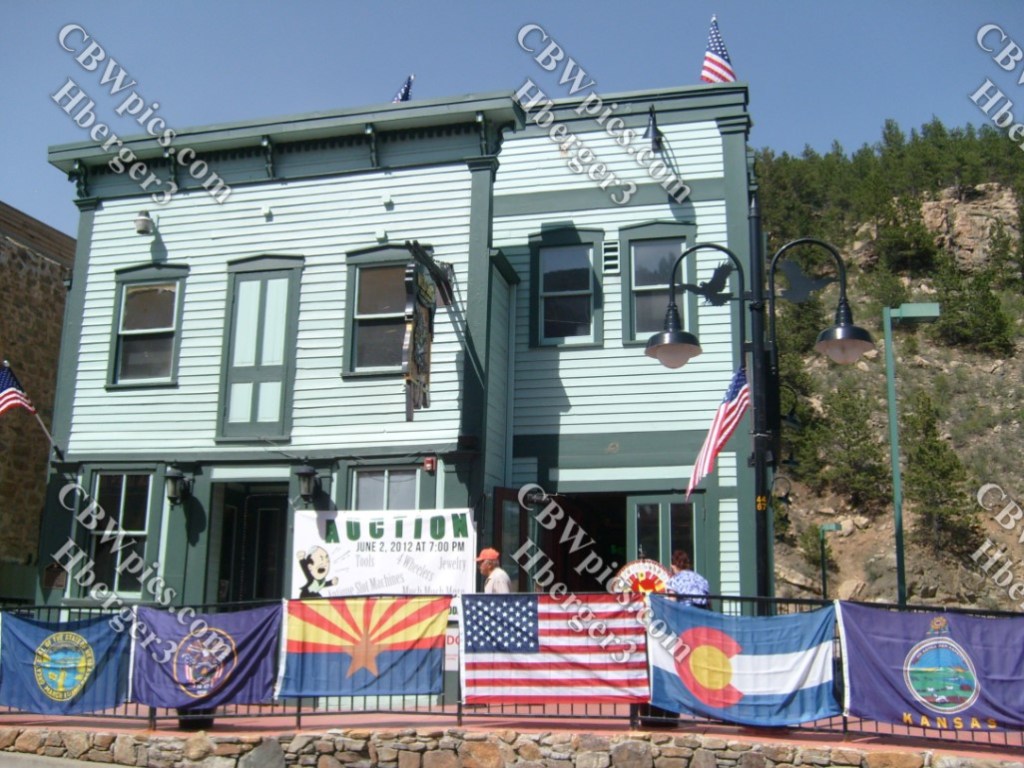
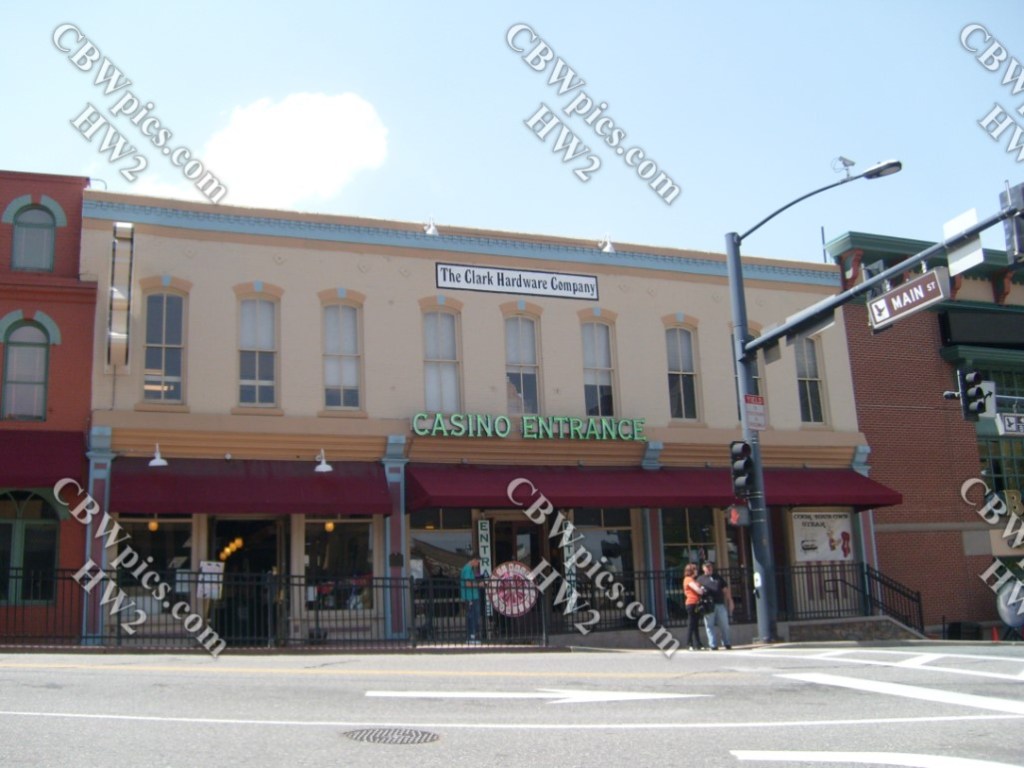
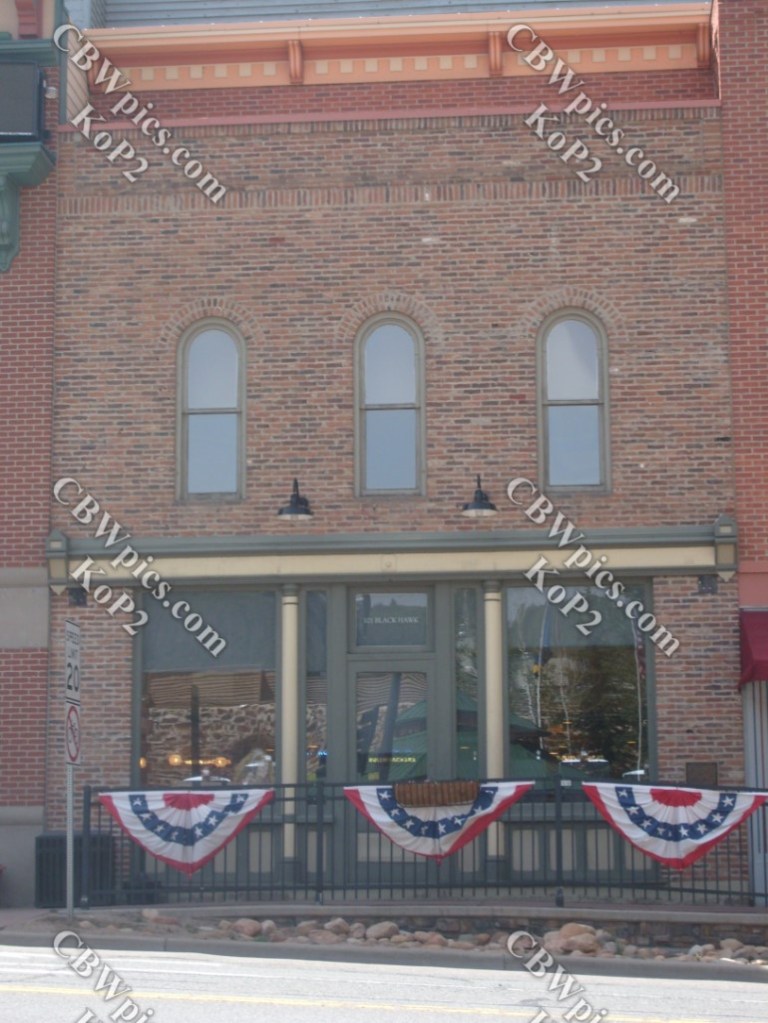
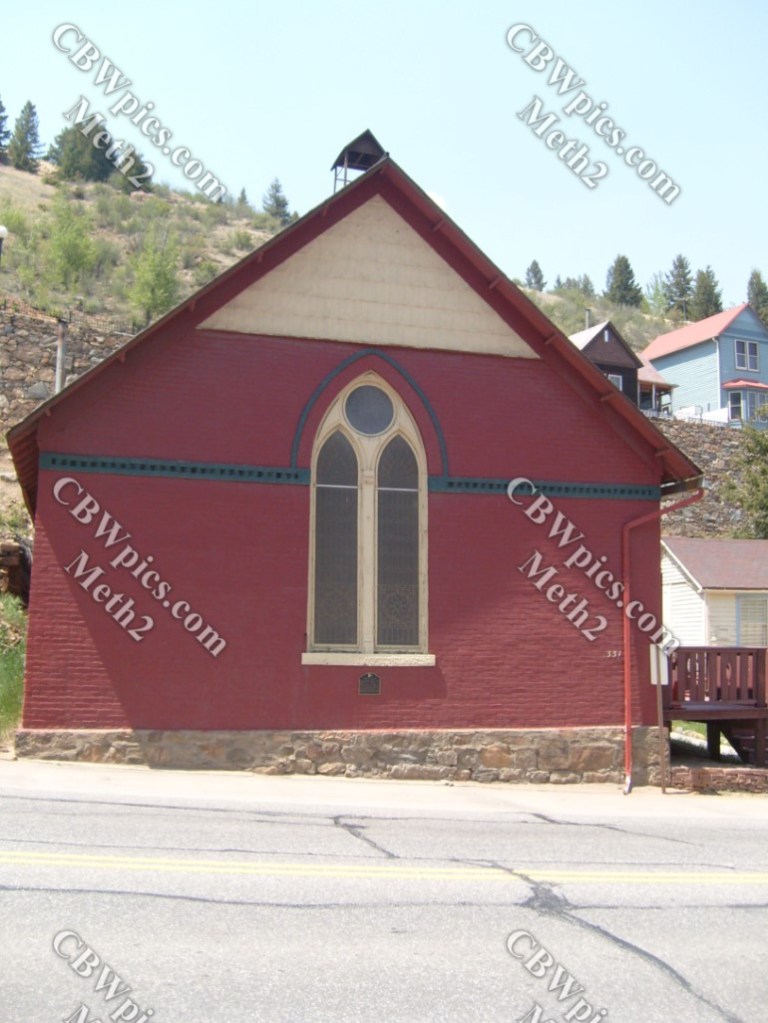
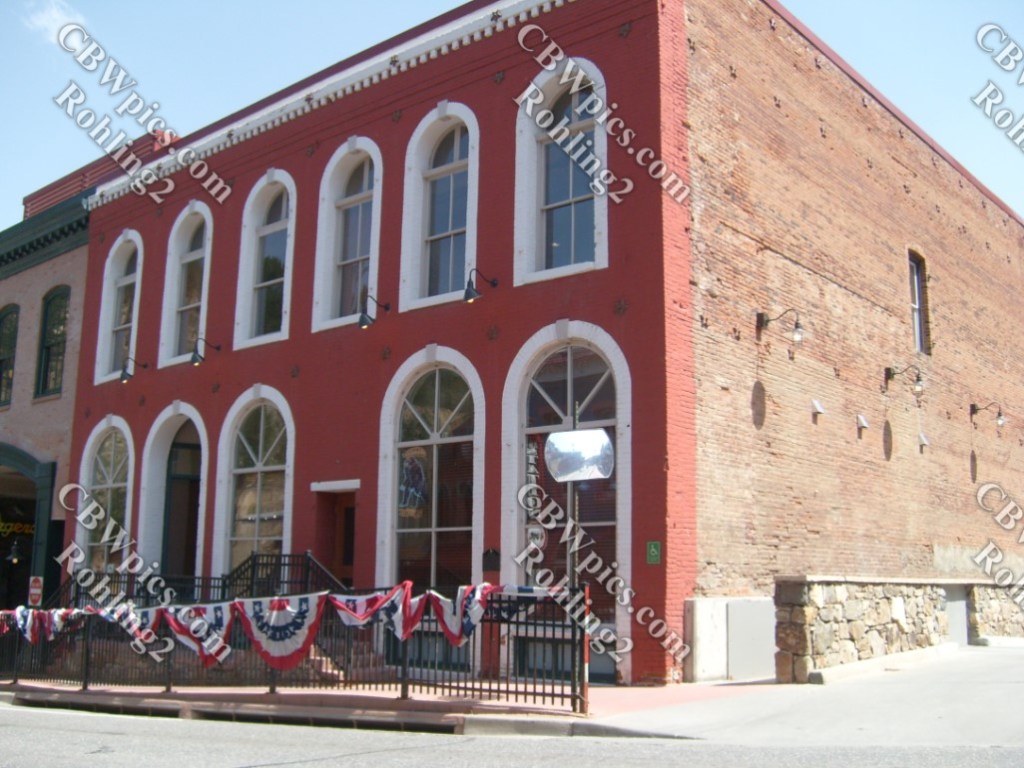
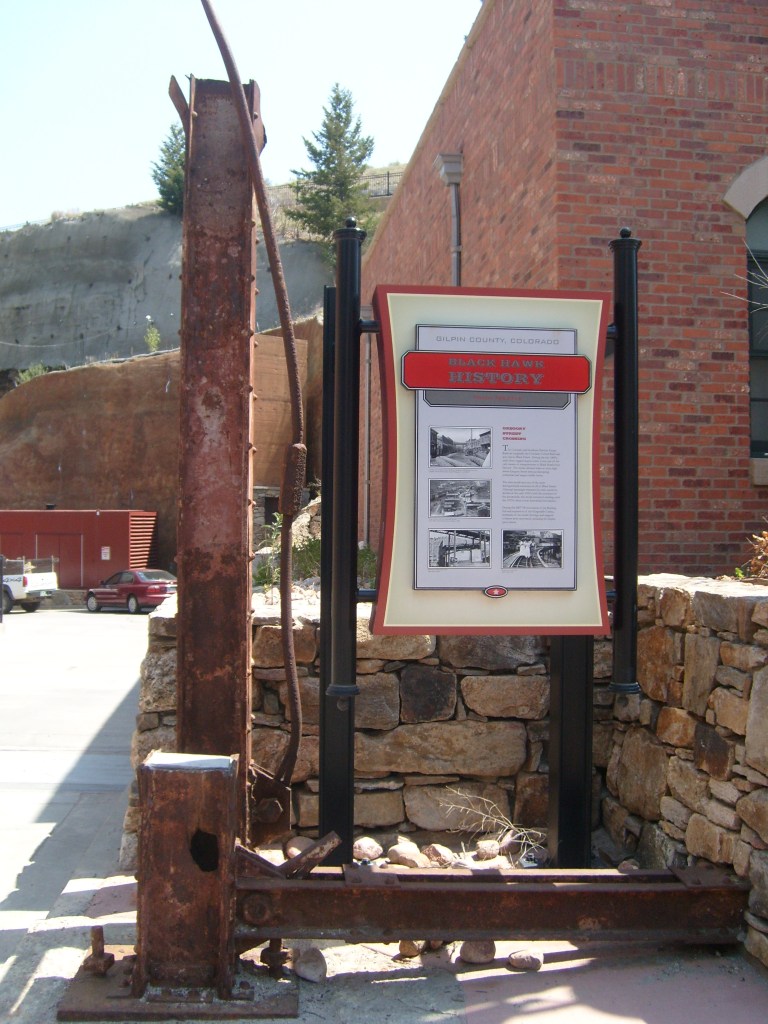
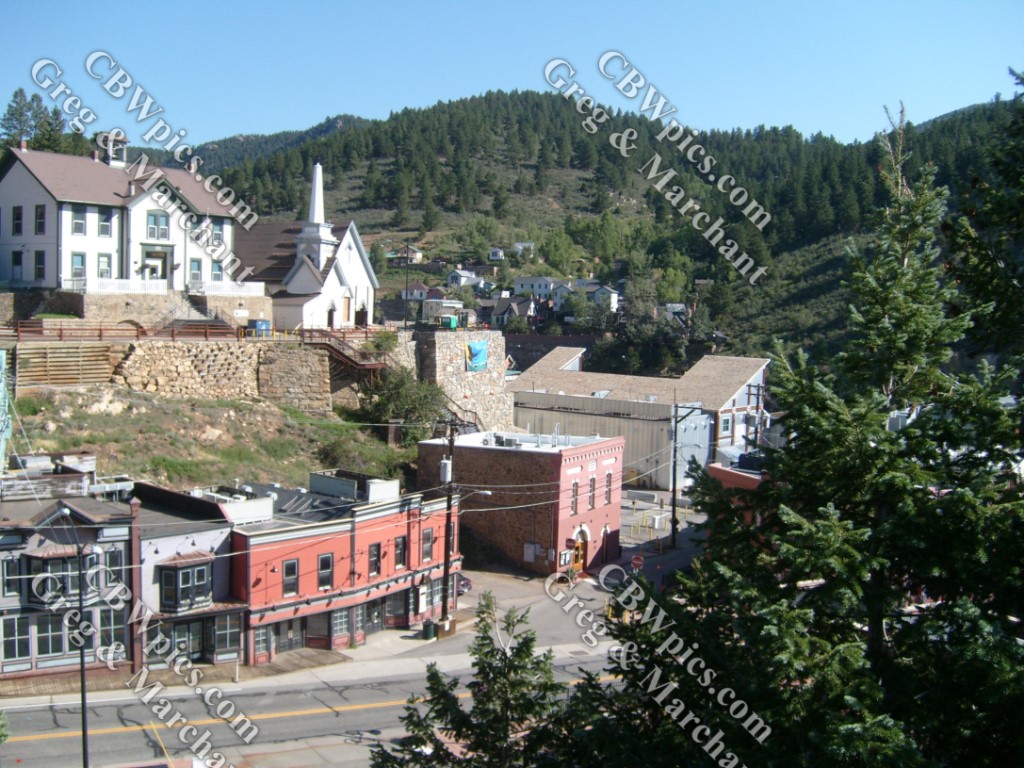
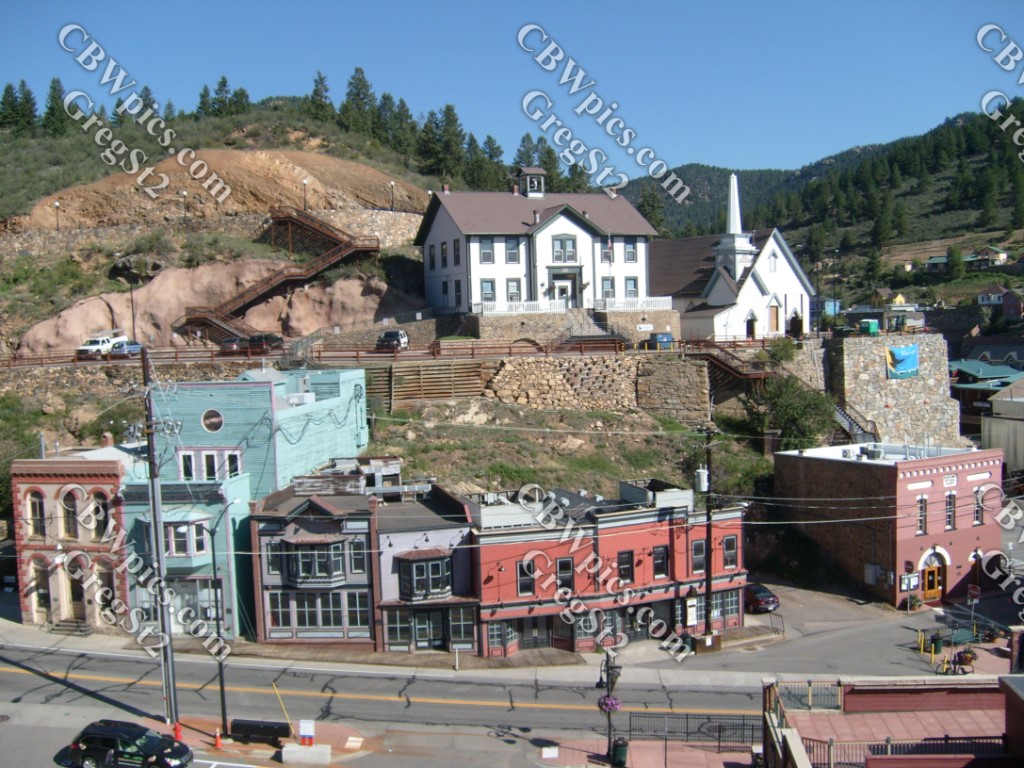
141 Gregory Street. This is actually 2 buildings, both built in the 1870’s.221 – 241 Gregory StreetAn interesting, um, deck (?) at 351 Gregory StreetFront of 351 Gregory StreetBlack Hawk City Hall (built 1877); historic schoolhouse & church aboveFick’s Carriage House, still sporting old school tobacco ad.Gilpin Hotel, built in 1896.Gilpin HotelLooking down the upper end of Gregory StreetOld buildings along Gregory Street (and more above on High Street)Need more pastel!Heppberger House, built in 1860’sHeppberger House, built in 1860’sHardware store (built 1875), located at Gregory and Main StreetsIOOF building on the right, bakery on the left.Knights of Pythias buildingIt being a Methodist Church, I believe those are crystal meth windows.Rohling Inn, built in 1864Old girders from a railroad bridge that passed over Gregory Street.Downtown Black Hawk, Colorado
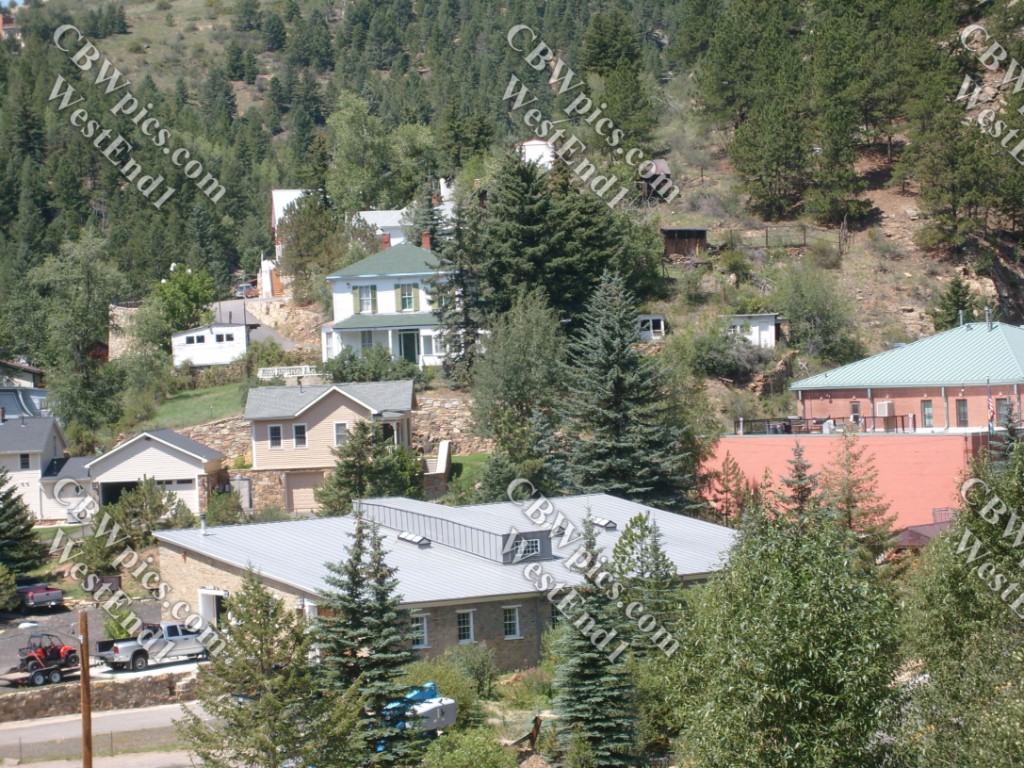
All of the photos above were taken in May 2012. At this point, I was done for the day. But I came back in August 2012 to photograph The Rest of the City. On this second occasion, I wandered through the parts of Black Hawk where tourists / gamblers rarely (if ever) go. See now, the neighborhoods of Black Hawk:
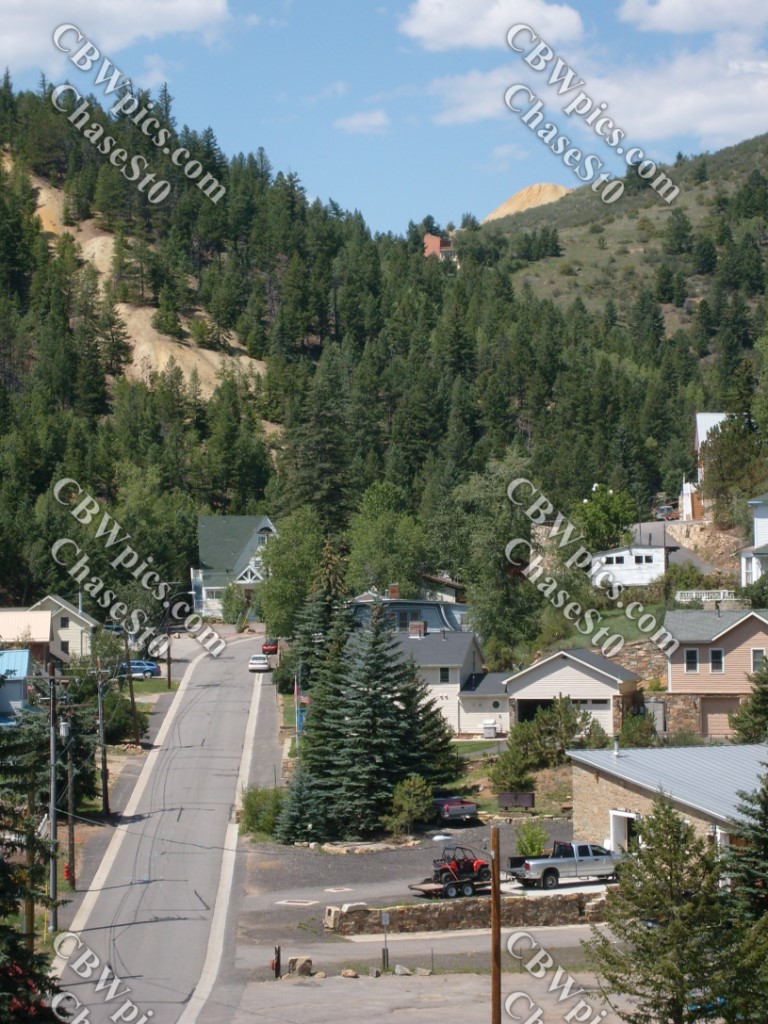
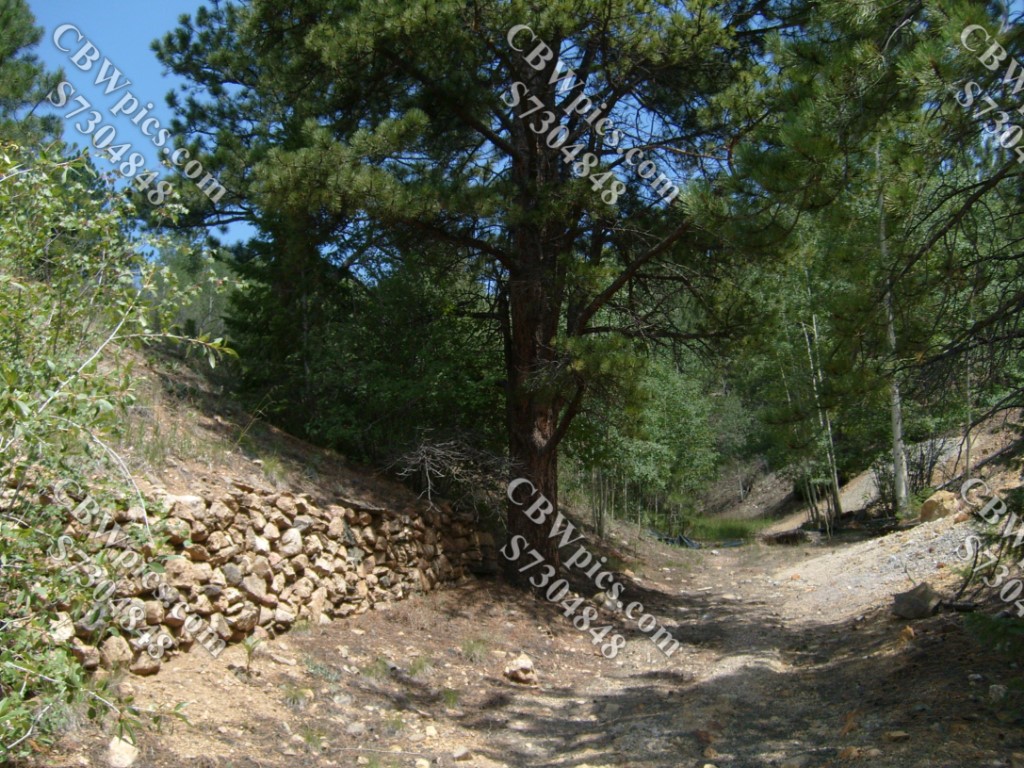
This appears to have been a boarding house or hotel originally.Funky abandoned houseSame funky abandoned house from a different angleA view up Chase StreetRock wall near top was the grade for the Gilpin Tramway, a small railroad.Mine remnants on Chase Street, including a rail for the ore cars.What’s this? Have we returned to Mountain City Historic Park?……No, it’s just a neighborhood that has managed to remain intact.More of the intact neighborhood
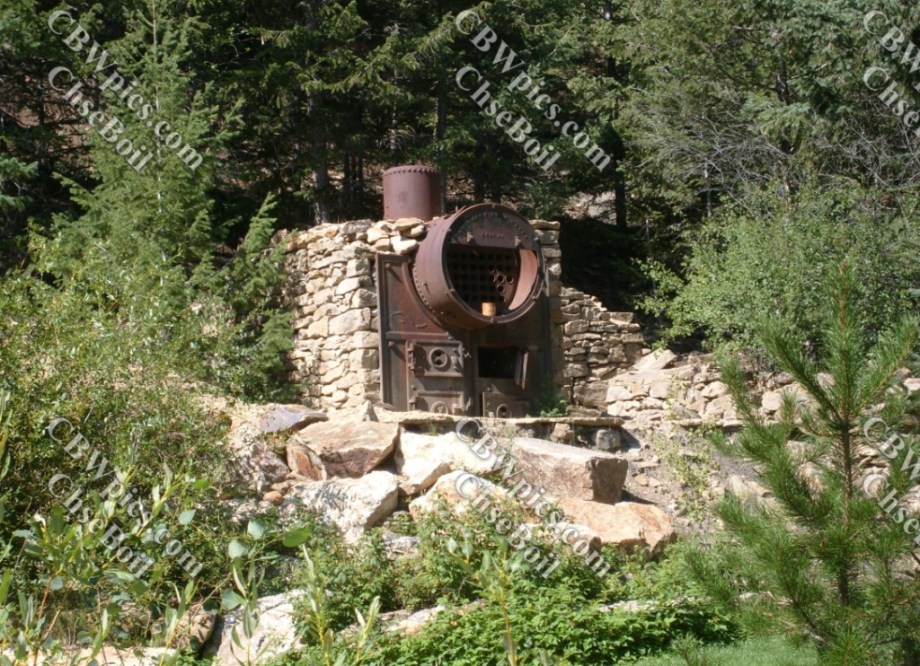
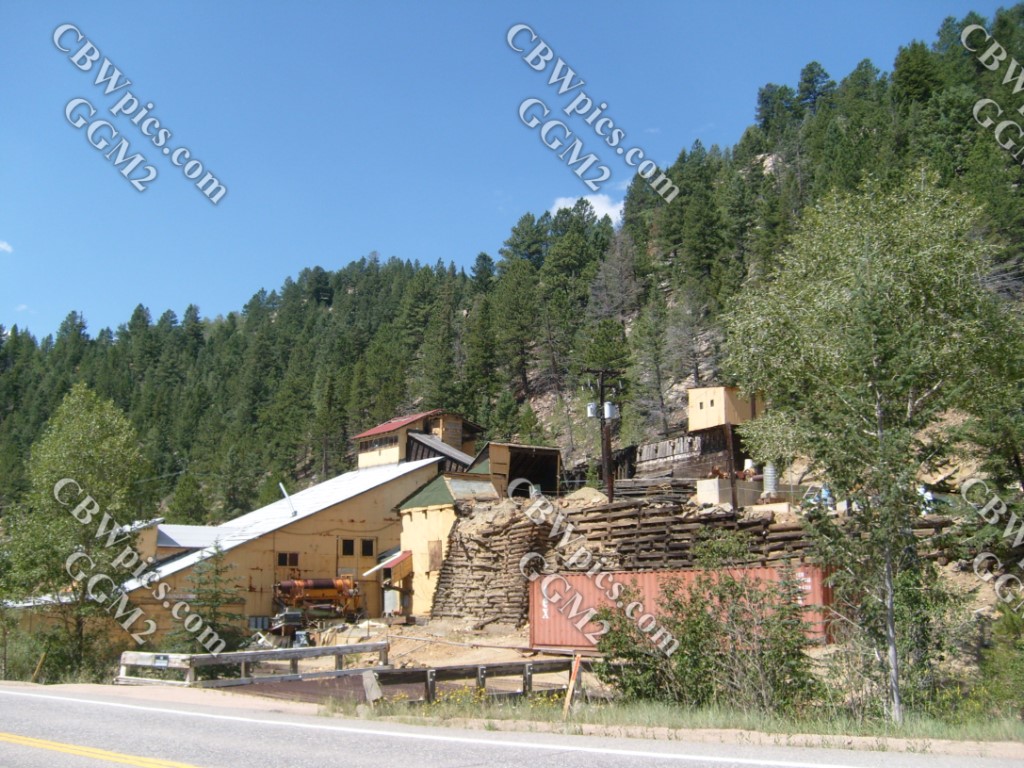
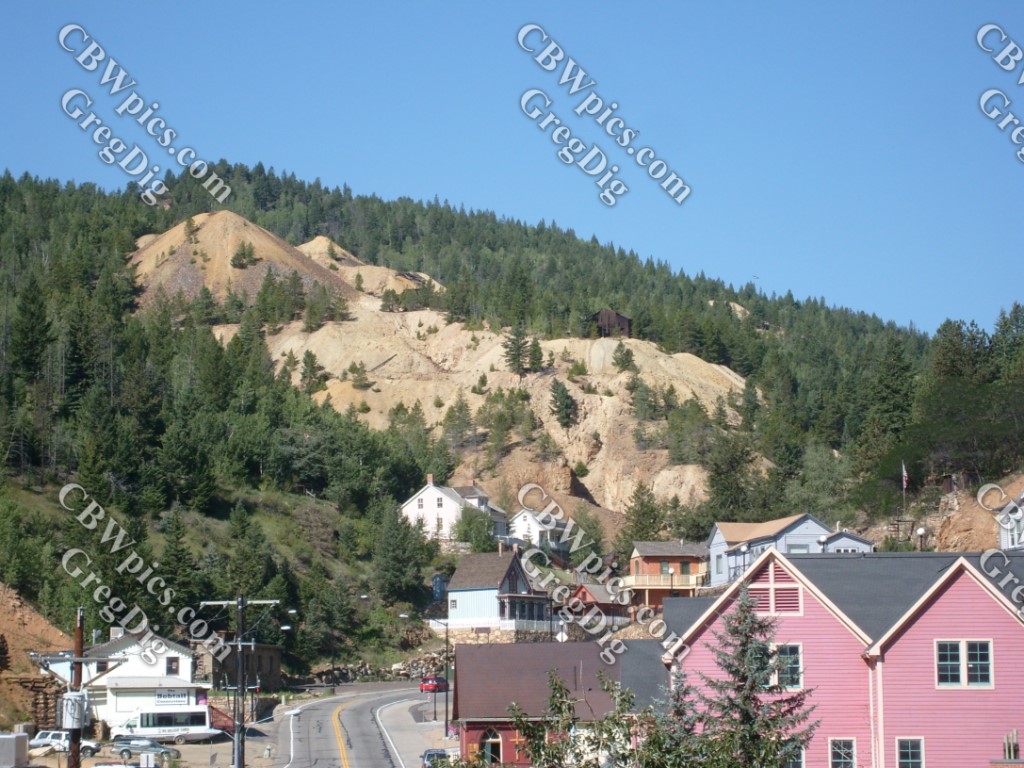
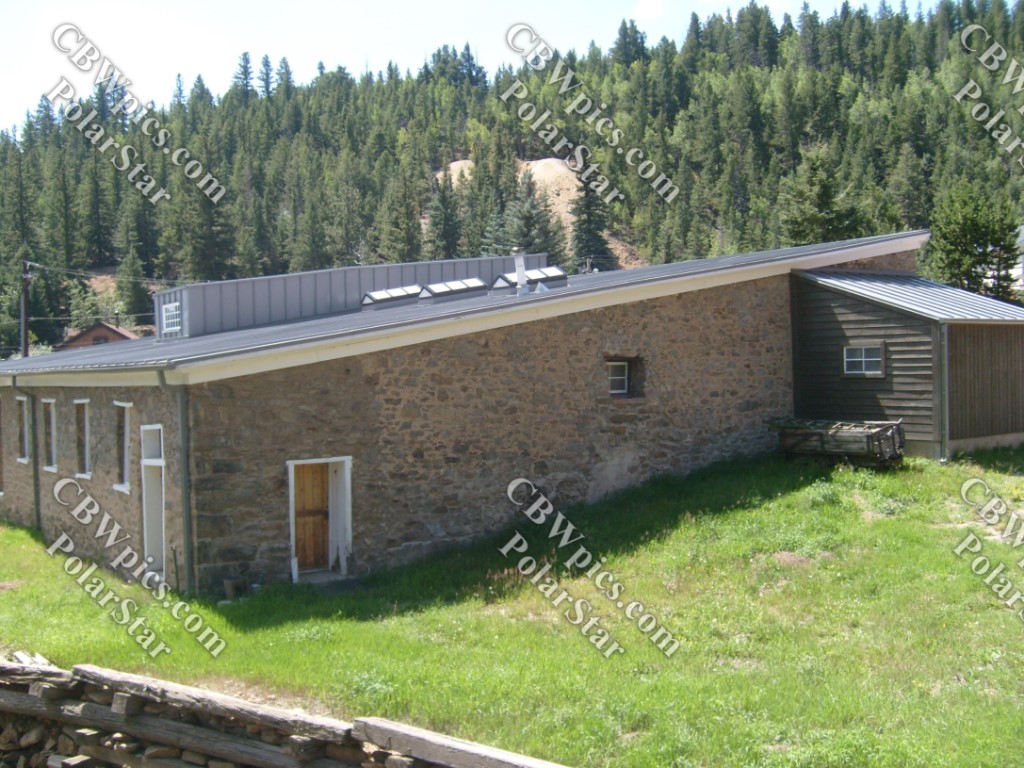
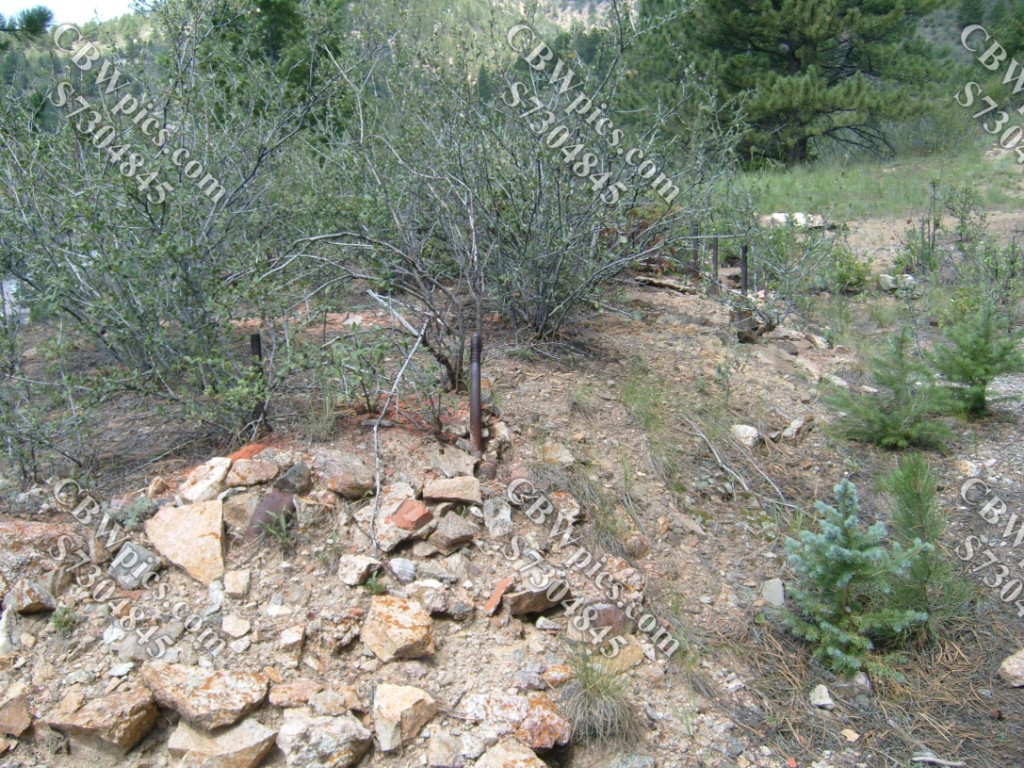
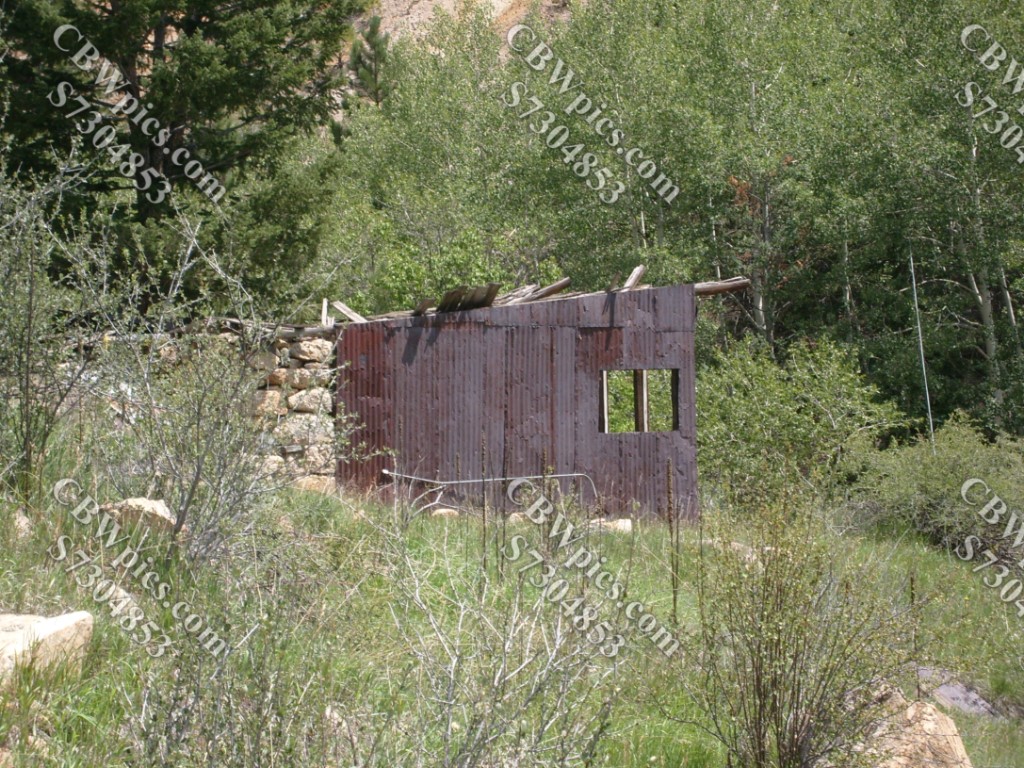
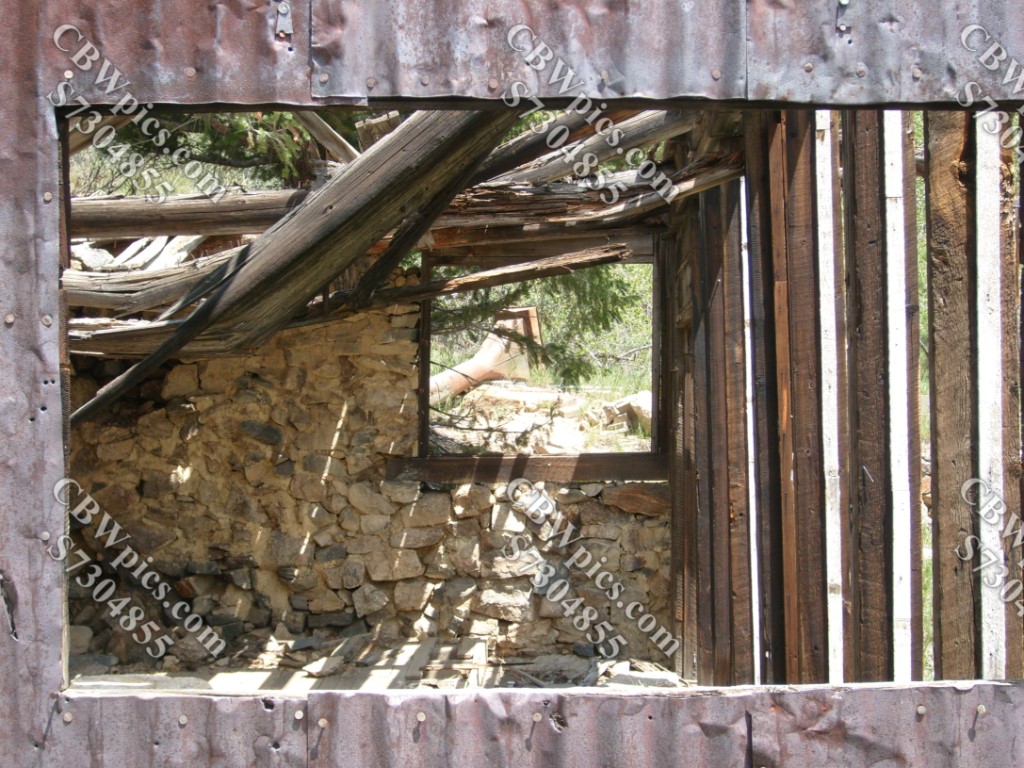
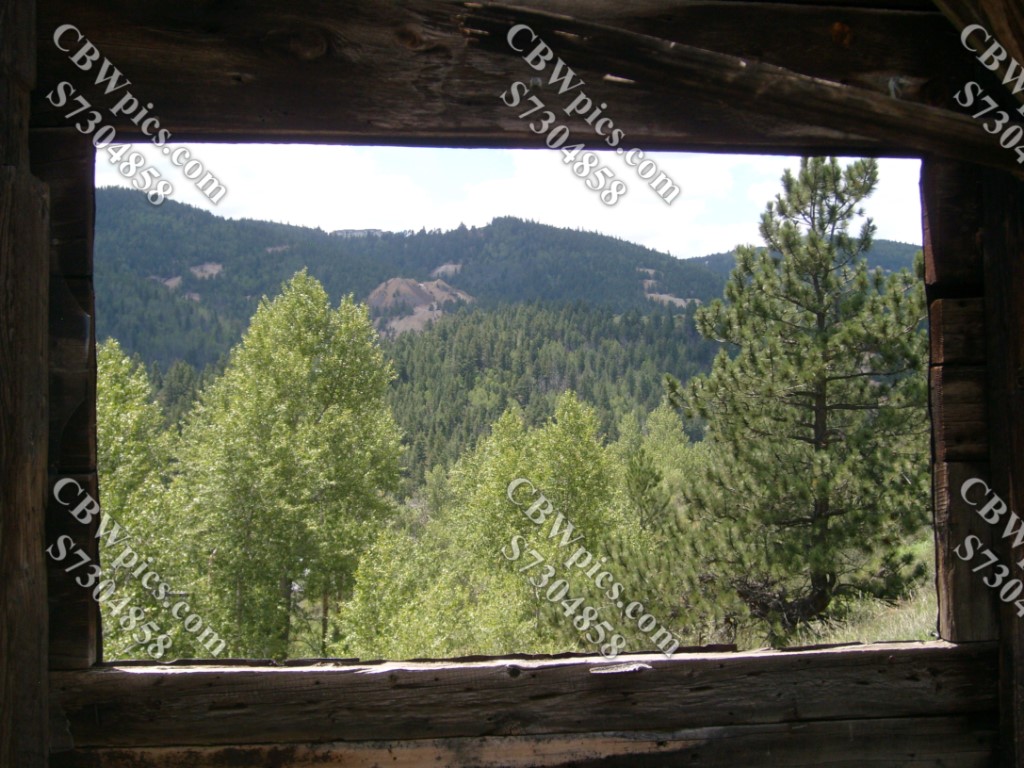
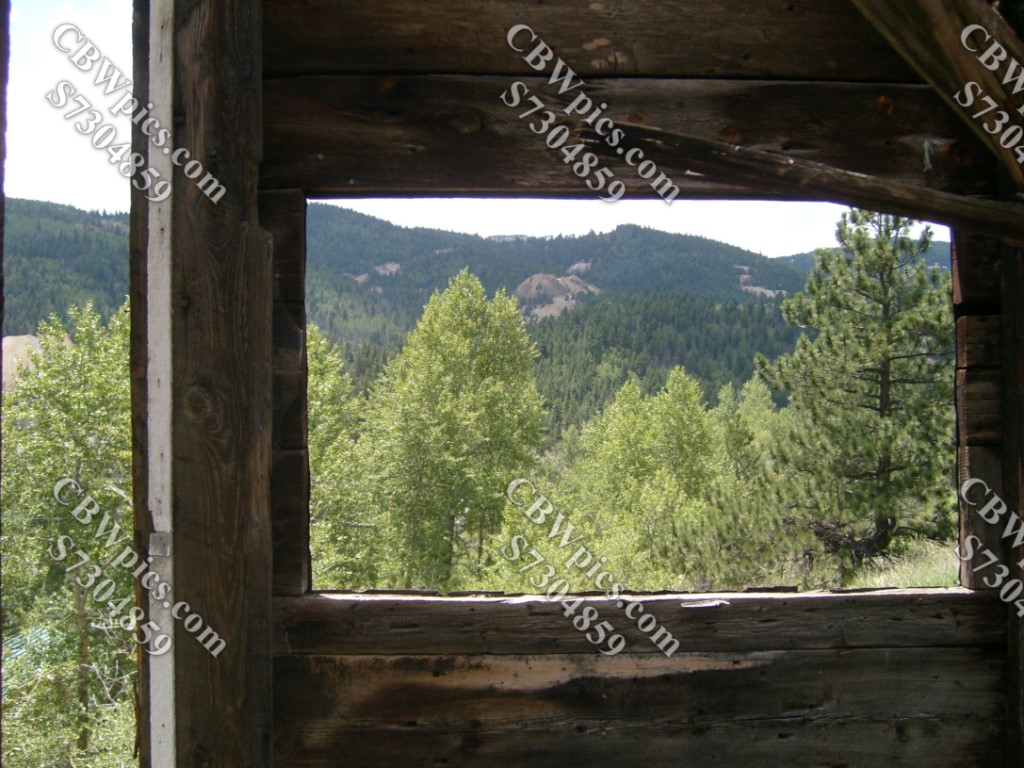
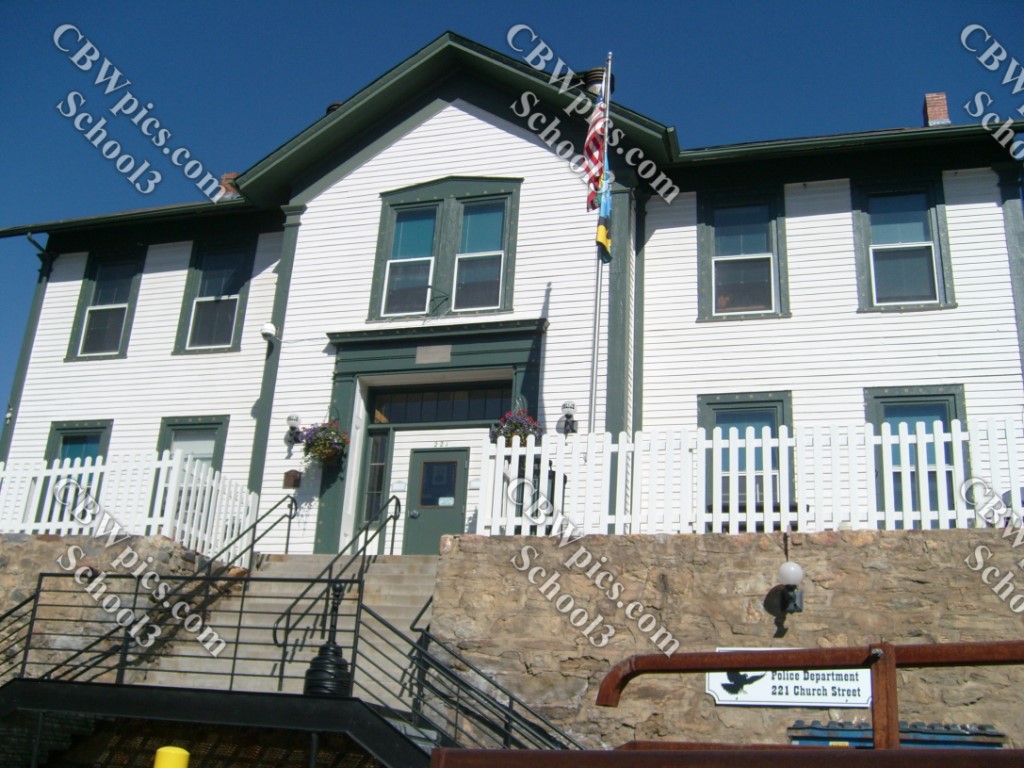
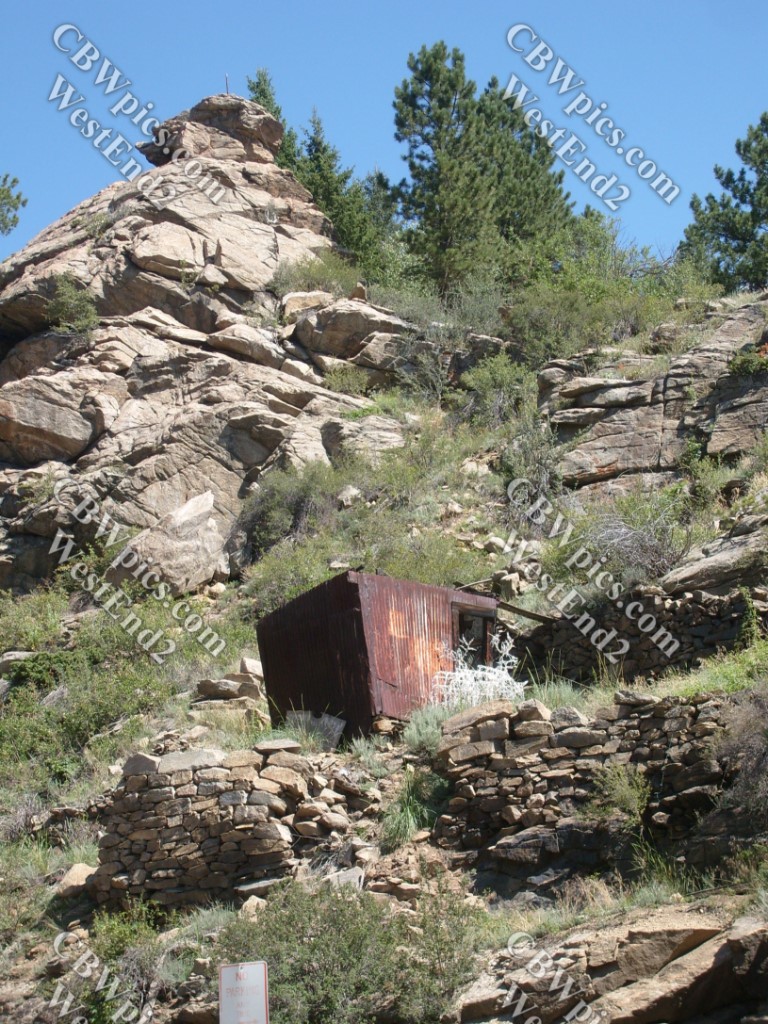
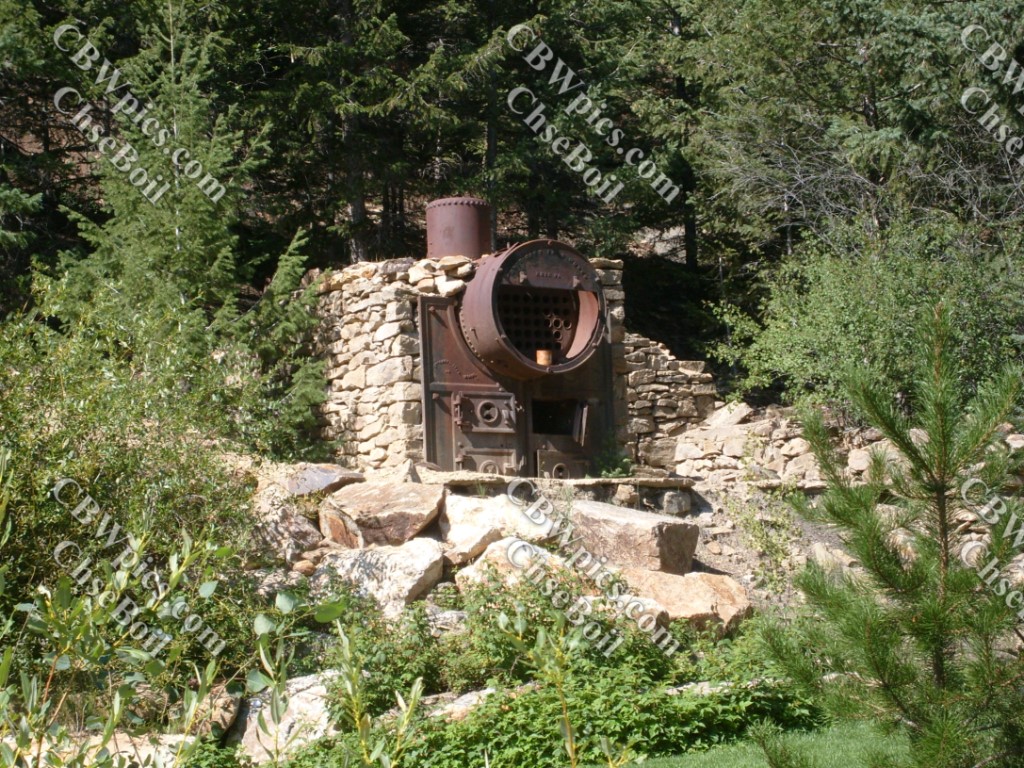
Black Hawk has been home to over 60 ore mills, but only two still stand……and this, the Golden Gilpin Mill, is one of them.Golden Gilpin Millpart of the Golden Gilpin MillGolden Gilpin MillCity Hall (center) from upside a hillLooking up Gregory Street at the Gregory DiggingsJust lookit all the stairs!Whoa, check it out! There’s still an outhouse behind City Hall.Black Hawk’s other remaining mill, The Polar Star.Looking down from an old mill site……where I found this foundation.one of the more colorful tailing piles I’ve seenan abandoned road just above townLong-abandoned structure next to long-abandoned road above townSame structure, different angleBroken glass, splintered wood, and rusty nails were all over the place… …making it very hazardous……so I went in…so that I could look outView from the abandoned buildingThis schoolhouse was built in 1870. It’s now the Police Department.Check out all the rustic outbuildings to the right of the houses.A boiler encased in stone walls.; a larger building likely surrounded this.Black Hawk, Colorado, U.S.A.
One final note: the official elevation of Black Hawk is 8,537 feet above sea level. That’s 1.6 miles high, and I hoofed it all over the city (twice) to get these pictures. Yet, I feel more exhausted from compiling this post than I felt after taking the pics. As always, let me know if you’d like me to make any of these photos available for purchase on my other site, C. B. Williams Photography. Come on back next Thursday. Hopefully, I’ll take you on an exploratory mission along the Peak-to-Peak Highway (or, more accurately, stretches of road that are no longer part of the Peak-to-Peak Highway). See ya!

















 Voyages with Parkinson's