Day 12:
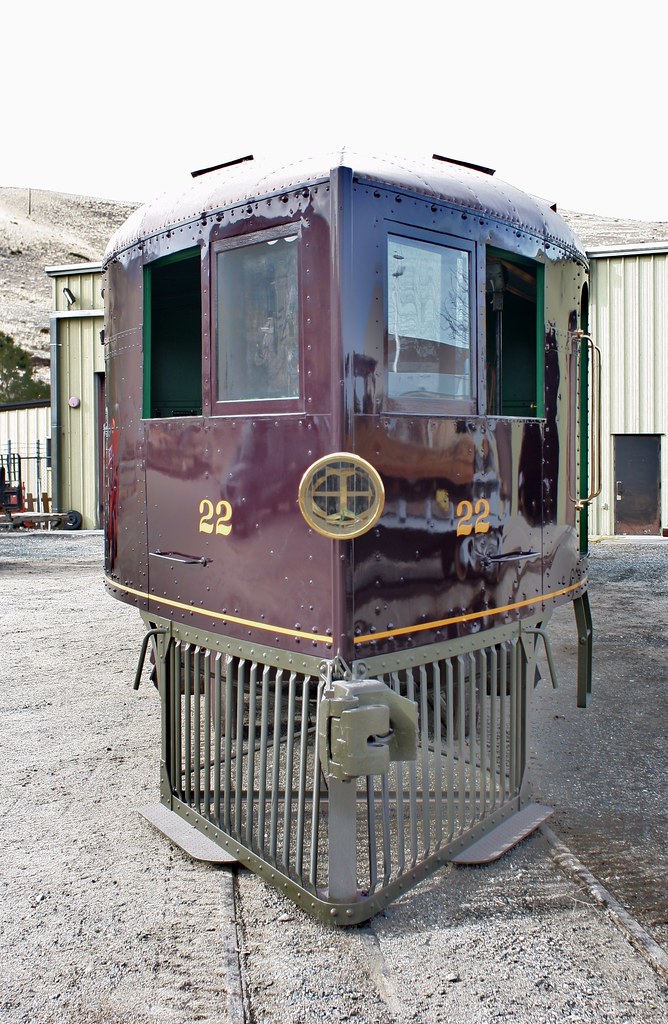
On this day, I went to the Nevada Railroad Museum. I wanted to see ONE thing here, as I had read a little about that one thing and was highly intrigued by it. That one thing was their McKeen Motor Car. The description I had read said that it was an experimental passenger car that was powered by not diesel, not steam, not electricity, but a gasoline engine. I was immediately reminded of the Galloping Geese of the Rio Grande Southern Railway. The galloping geese were also experimental cars powered by gasoline engines, but they weren’t built until the 1930’s; the McKeen Motor Car was built in 1908. Thus, I went in expecting to see something weird and wonky-looking, like the geeses. I was amazed to find it was one of the most elegant and luxurious-looking passenger cars I’ve ever seen. And while the front end is definitely unusual, I wouldn’t call it weird, and definitely not wonky. As I’ve said before, I don’t generally take pictures in museums, but I almost went back to the hotel for my camera for this thing. Ultimately, I decided my photography skills and the lighting conditions wouldn’t do it justice, but you at least need to see the front end of this thing, so here’s a link to a picture taken by someone else, when the car was outdoors (it was inside during my visit). That’s right, the front end is shaped like a wedge, to ‘slice’ through the air, 20 years before streamlining became popular. And the back end is rounded, again similar to some of the later streamliners. Those Yellow-Submarine-like windows can be opened: they swing inward and upward, and each has a sort of hook on the ceiling to hang from while open. The interior is quite luxuriant, but I couldn’t immediately find any pictures of it. Furthermore, you Nebraskans may find it interesting that the McKeen Motor Car Company was located in Omaha. There’s not an awful lot else to see at this museum, but admission is only eight bucks, so I say go ahead and see it if you’re in Carson City (or Tahoe or Reno).
I spent the evening in my hotel room watching the NCAA Men’s Basketball Final. Congrats to the University of Connecticut for man-handling Purdue, who lost largely because they were too focused on making boilers.
Day 13:
Day thirteen was scheduled as a day off. Normally, this would mean I wouldn’t go anywhere interesting or touristy, but when I went out for breakfast, I found a mom-and-pop eatery that sits across the street from the Nevada State Capitol. So, after breffy, I wandered into the capitol and took a self-guided tour (there are pamphlets near the front door). There’s also a small museum on the second floor. This state capitol building actually no longer hosts legislature sessions; those are held in a newer (and I presume larger) building on the capitol complex. But the thing that stood out the most for me was the fact that there’s no front lawn; instead, it has a front forest. So, if you’re casually driving by, you would probably think you were driving by a city park rather than the state capitol.
After the state capitol jaunt, I made the rest of the day a true day off. I played games and wrote for this blog, staying in my hotel room almost all day.
Day 14:
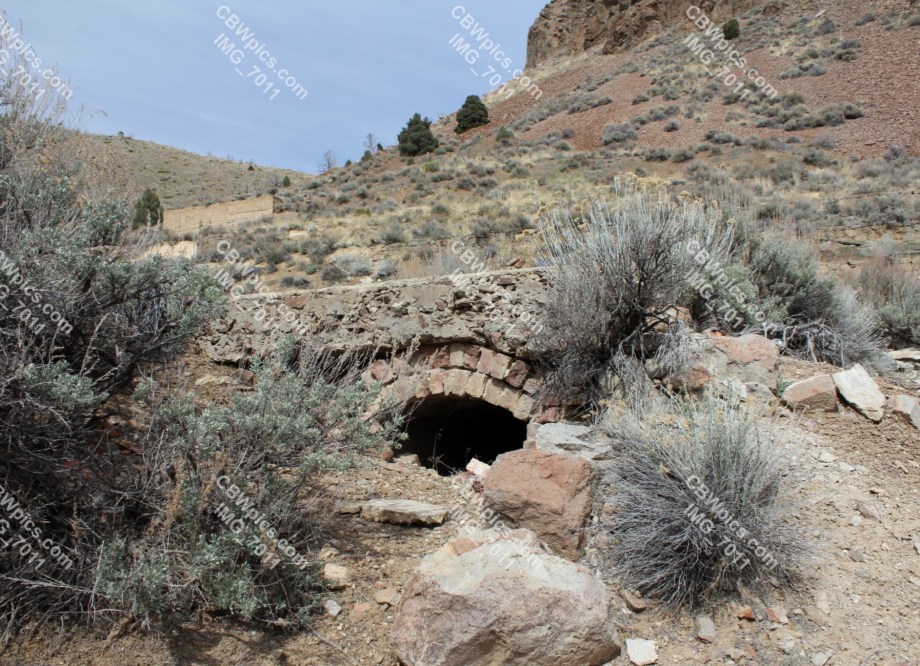
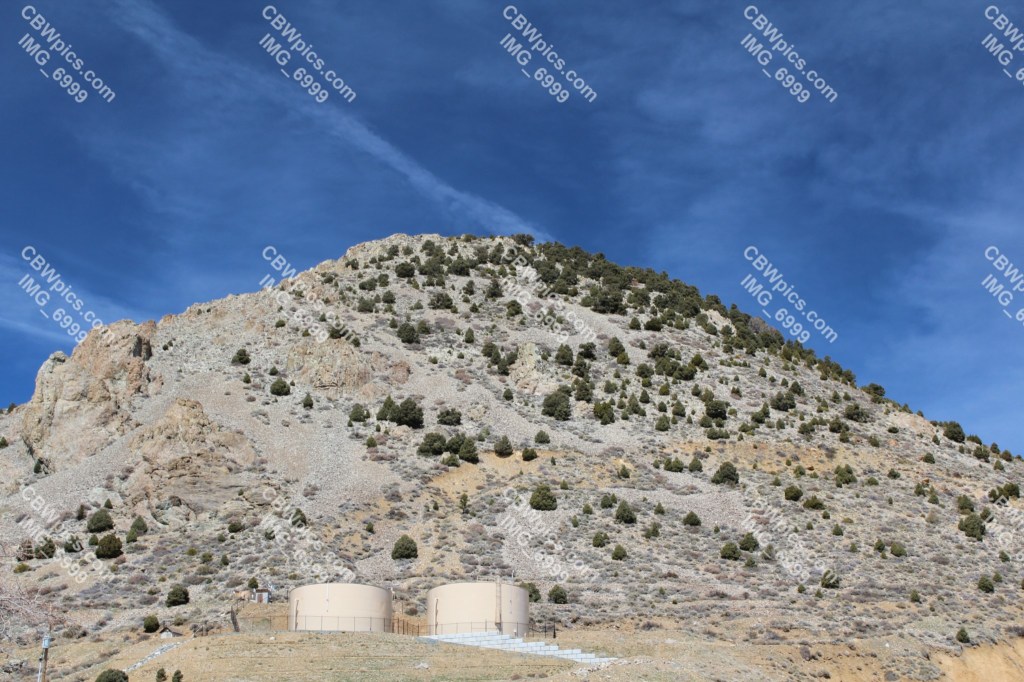
Today, I move my base of operations from Carson City to Reno. But we’re not going the direct route. Instead we’ll veer off to the east and explore the old mining towns of the Comstock Lode along the way. The Comstock Lode was a HUGE vein of precious metals found in the mountains of what is now western Nevada. It was the first major silver discovery in the U.S., beginning a silver rush in 1859 (the same year Colorado experienced its first gold rush). Several mining camps sprang up in the area, and many are still inhabited today. The plan is to visit three of them. The first is Silver City. Let’s take a look around town, eh!
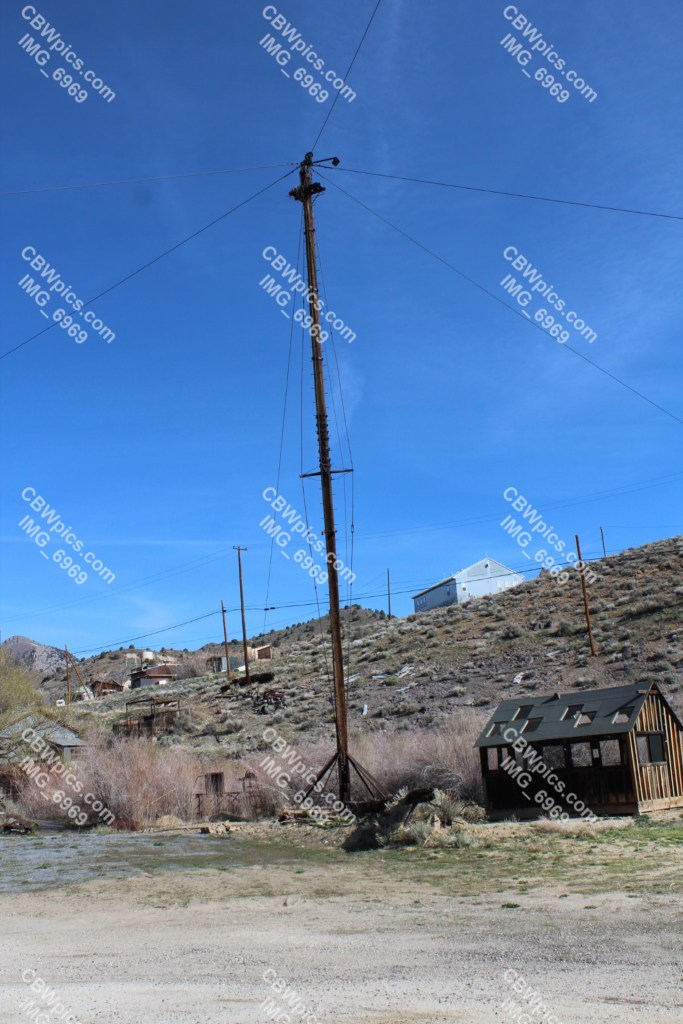
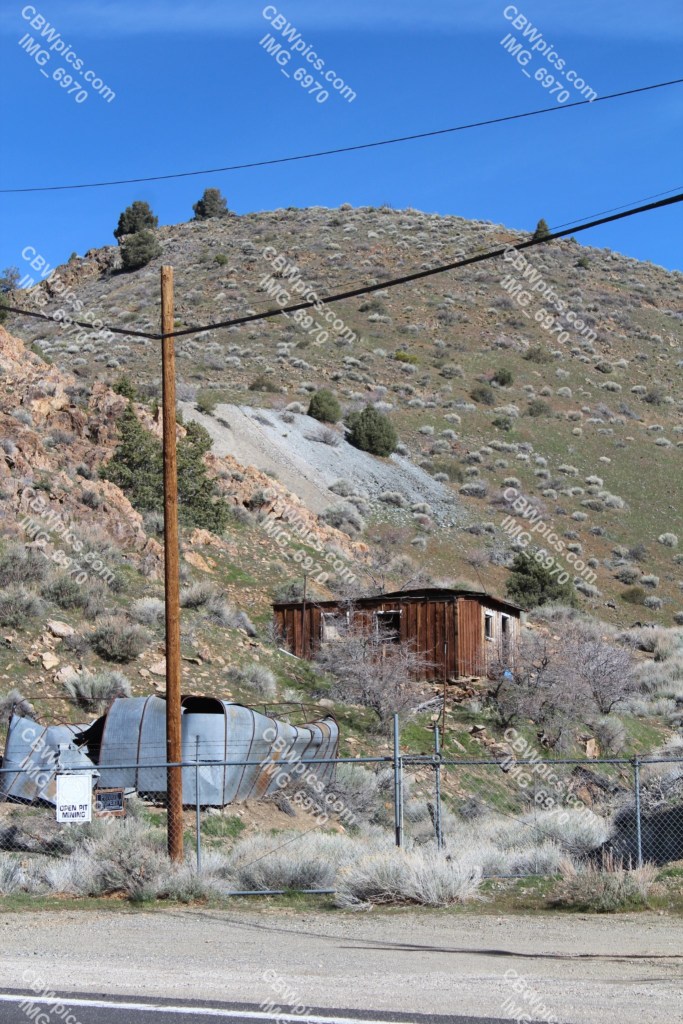
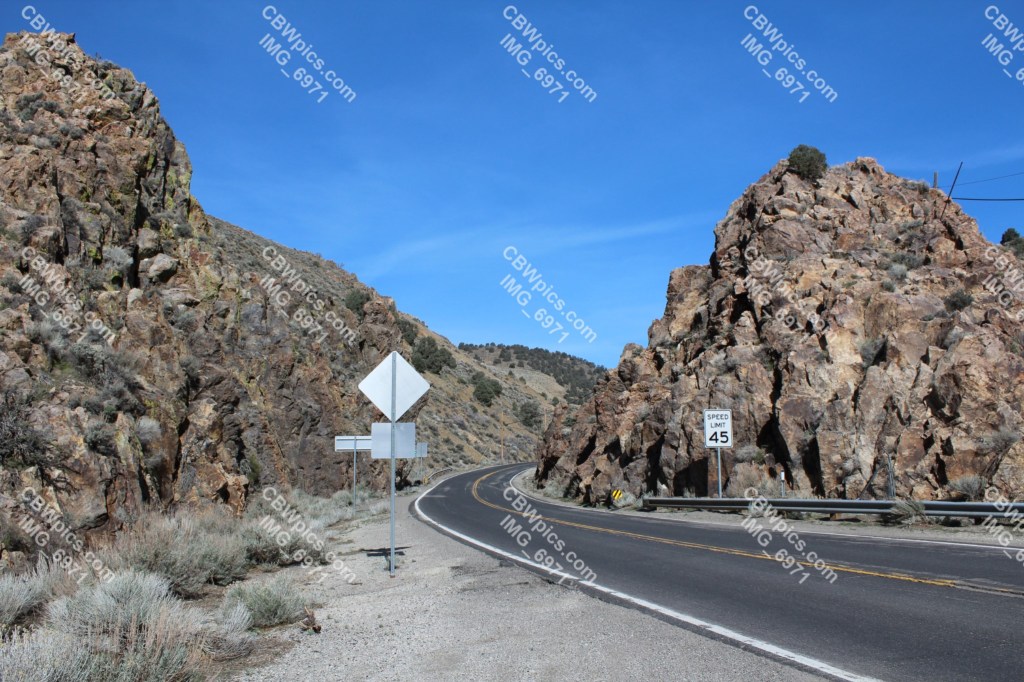
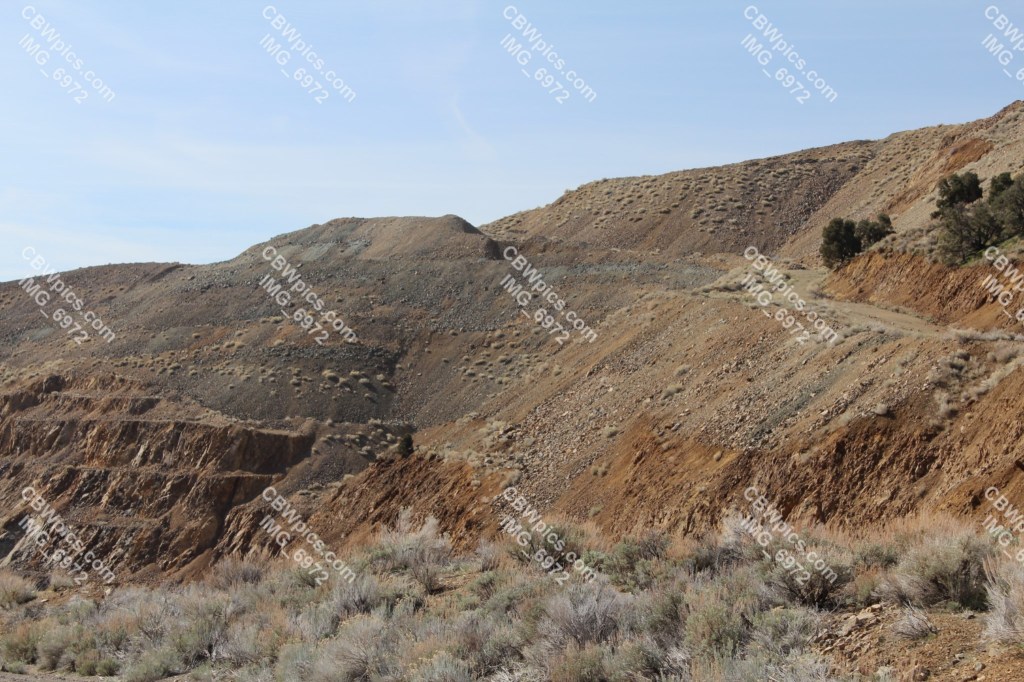
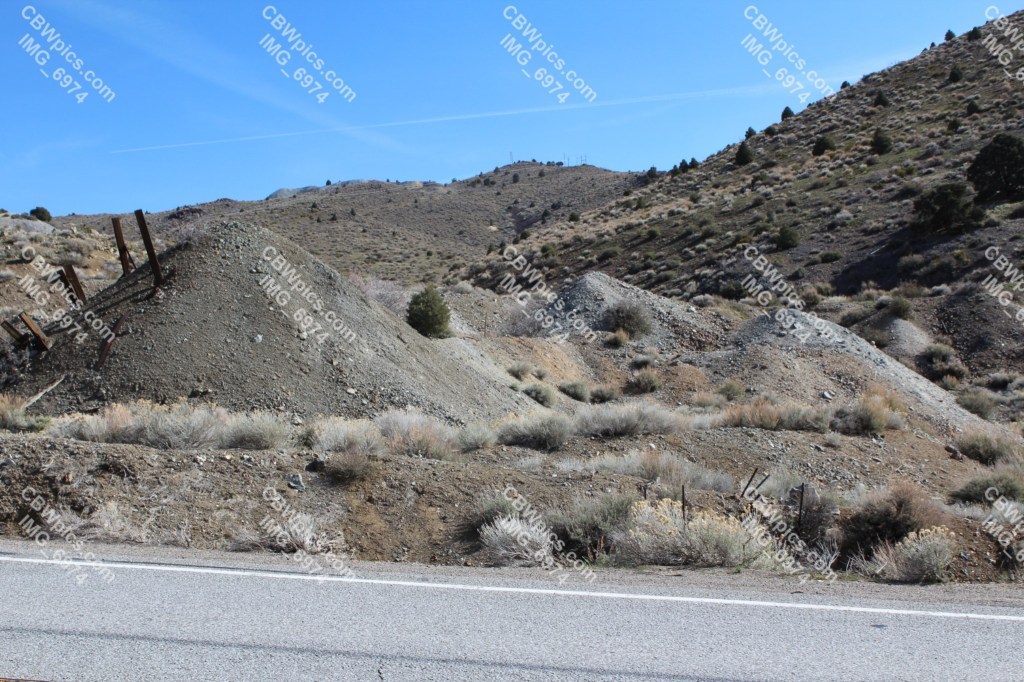
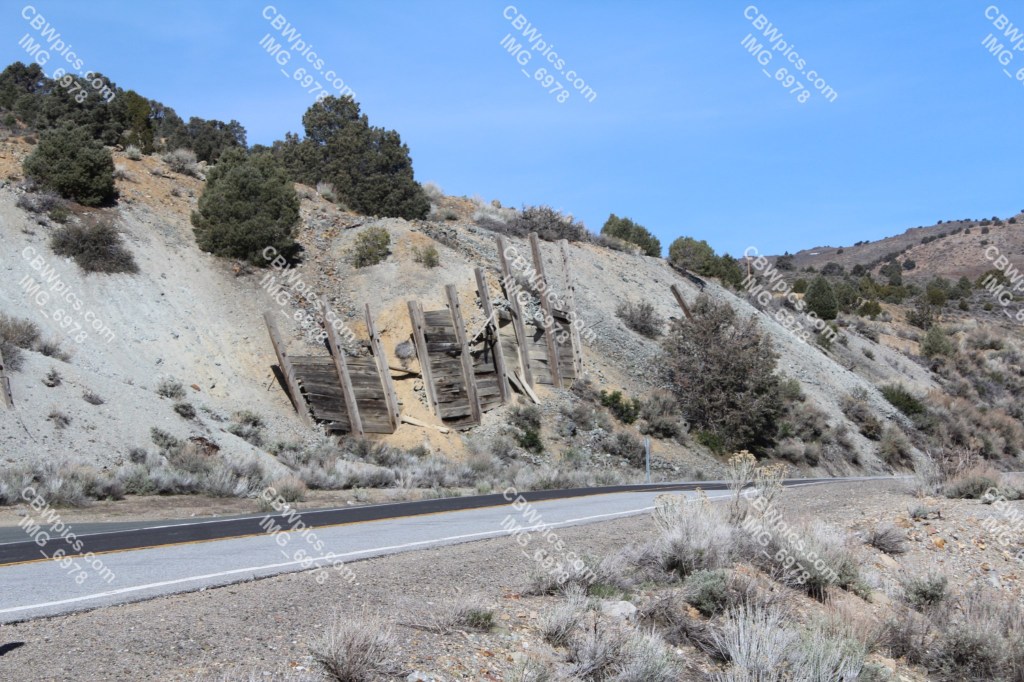
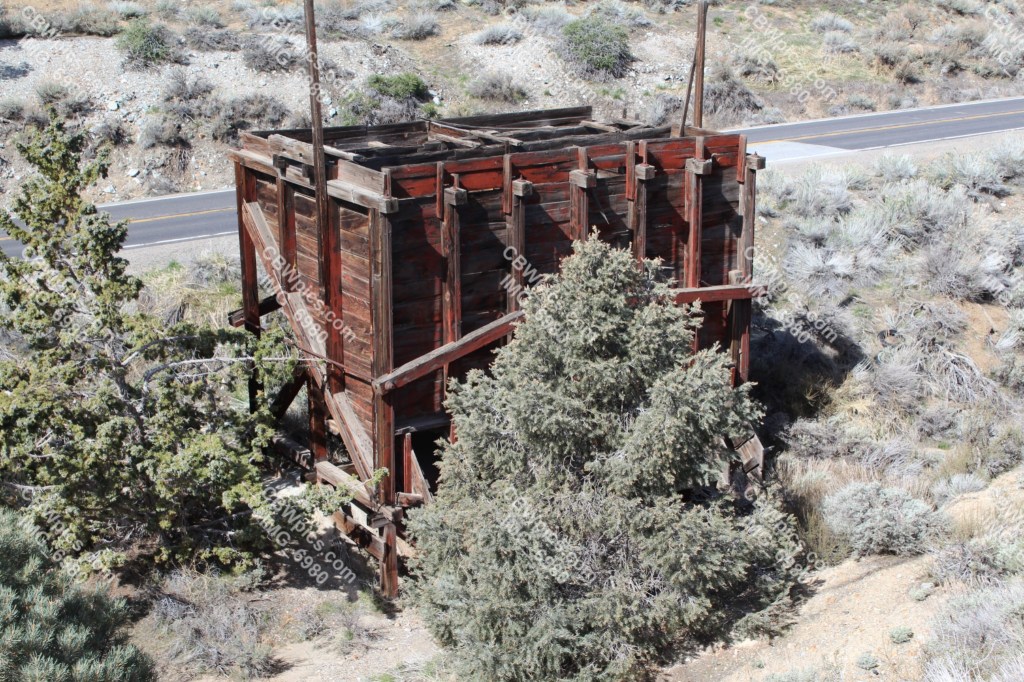
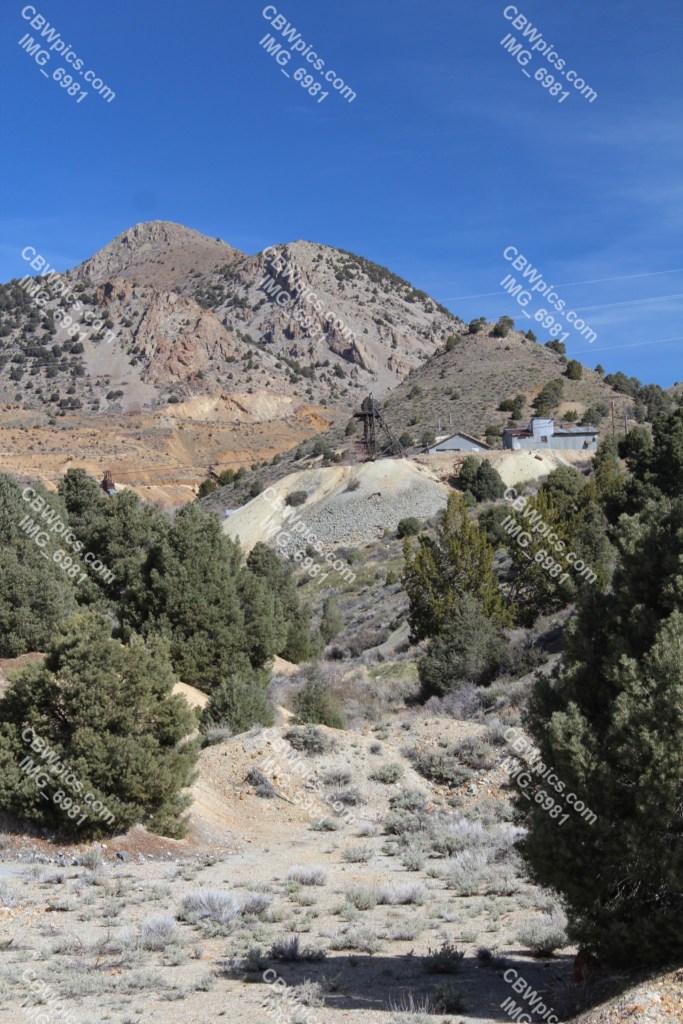
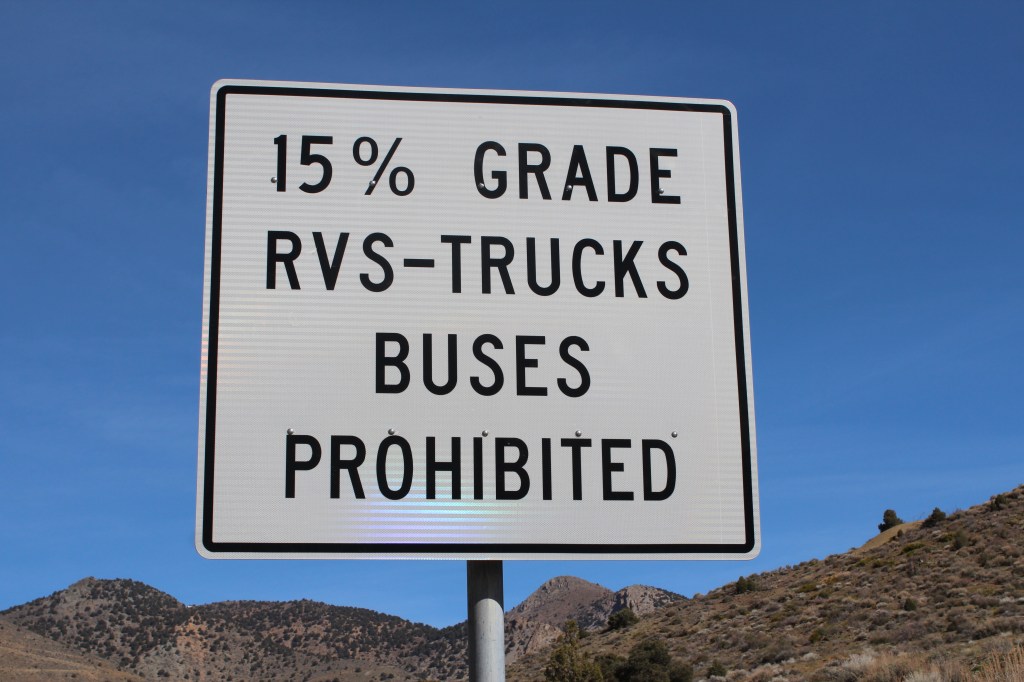
Our next town is Gold Hill, and they aren’t kidding about that 15 % grade. Driving through this town, I wondered at times whether my rented Toyota Corolla would make it all the way up. There appears to be just the one street/highway going vertically through town. Parking along this road is very limited, and there are places where there’s no shoulder at all, so a walking tour of this town seemed unwise. But here are the pics from the stops I was able to make:


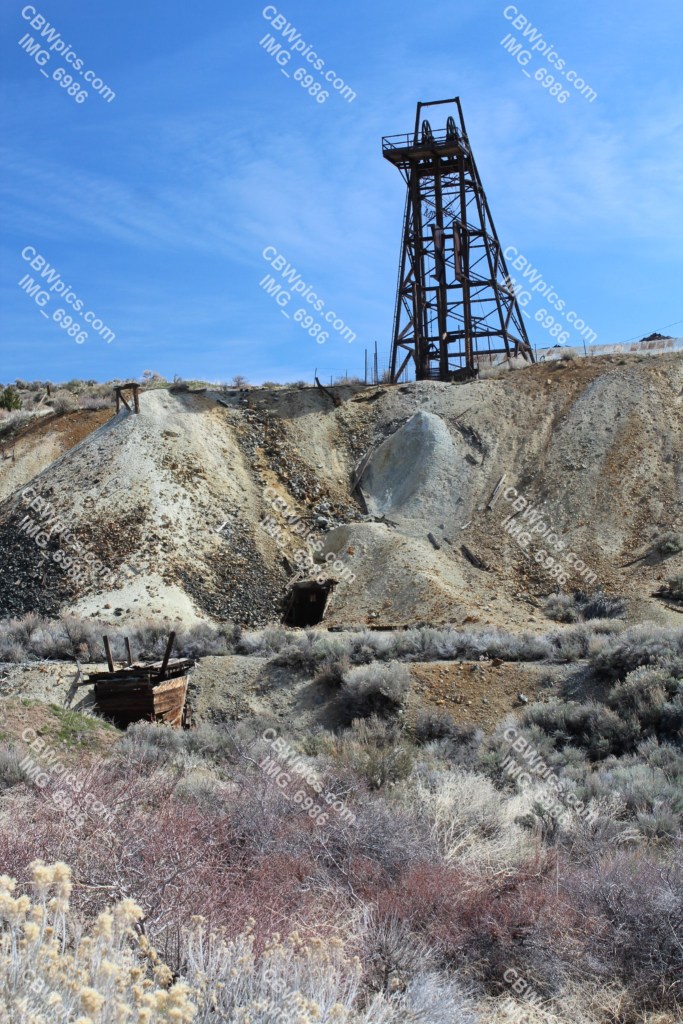
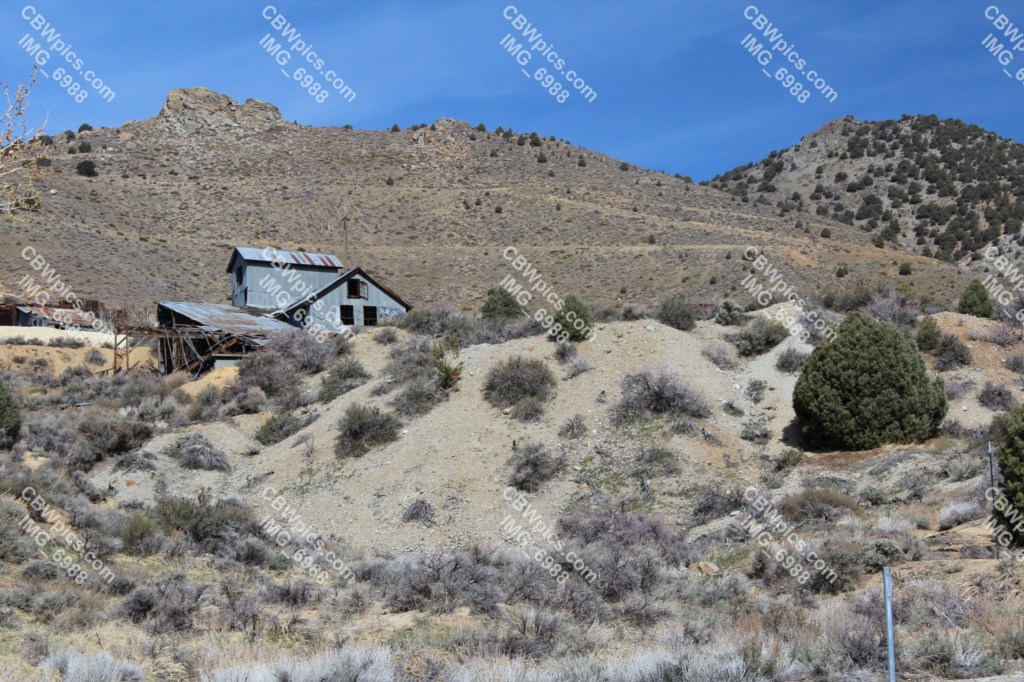
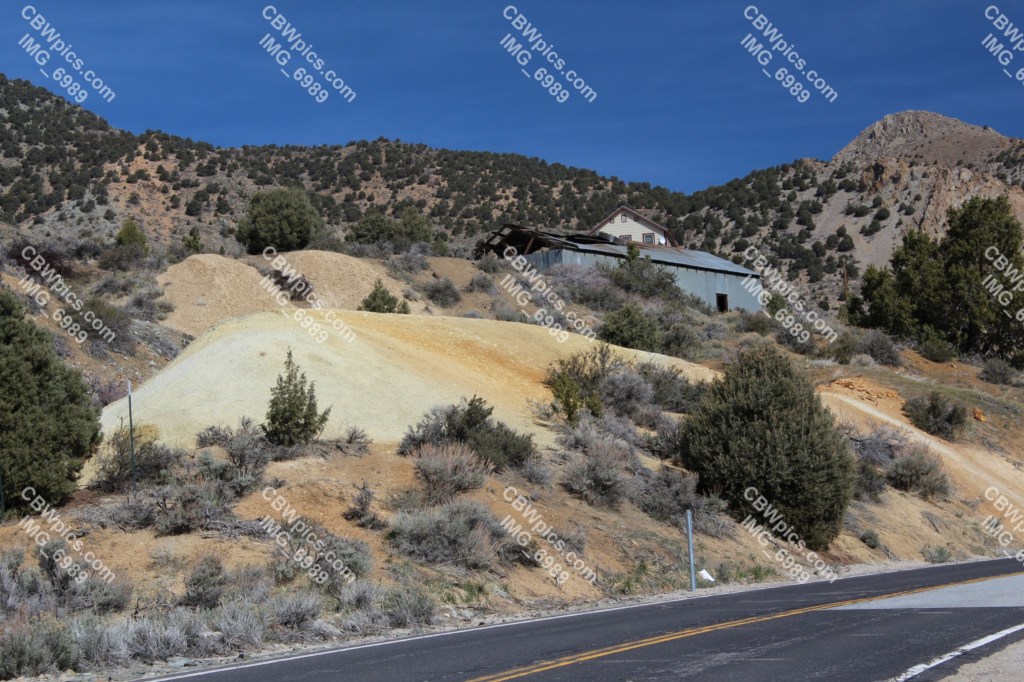
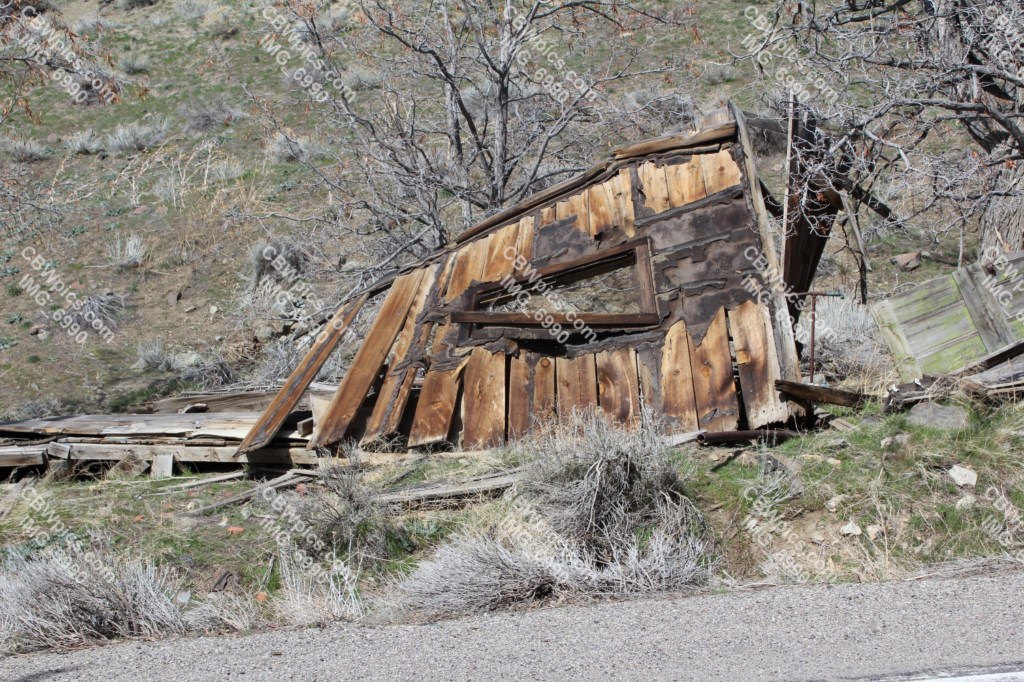
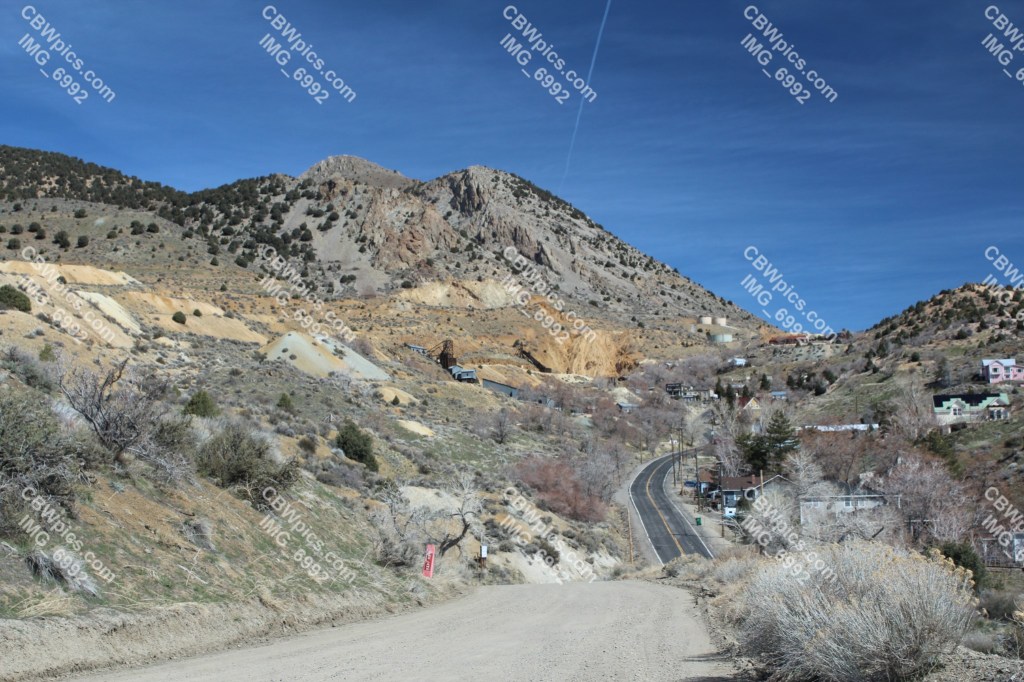
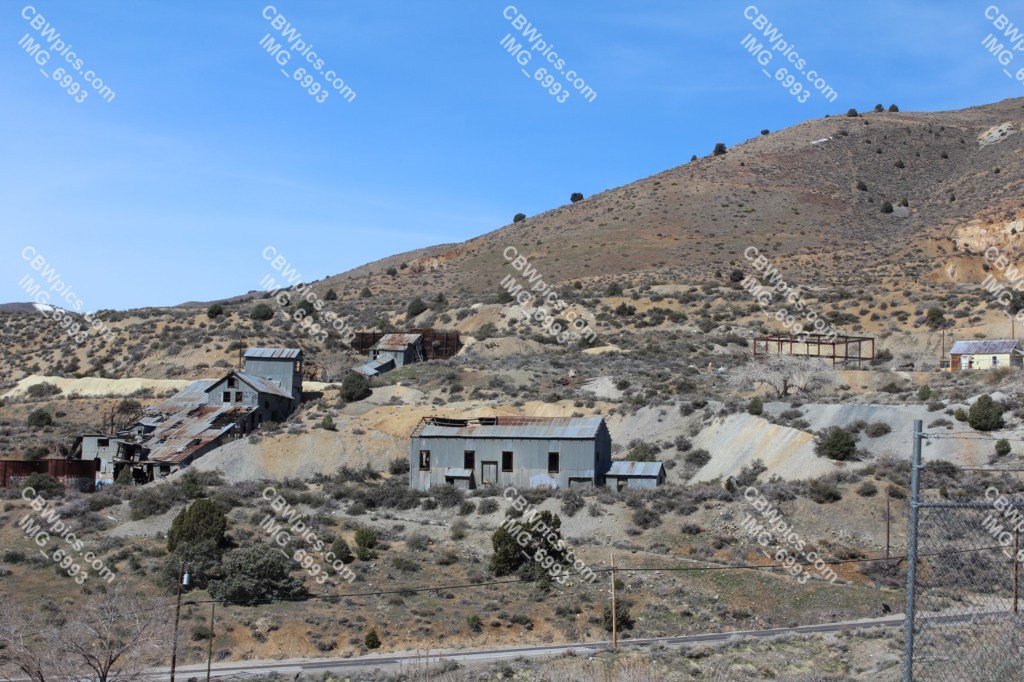
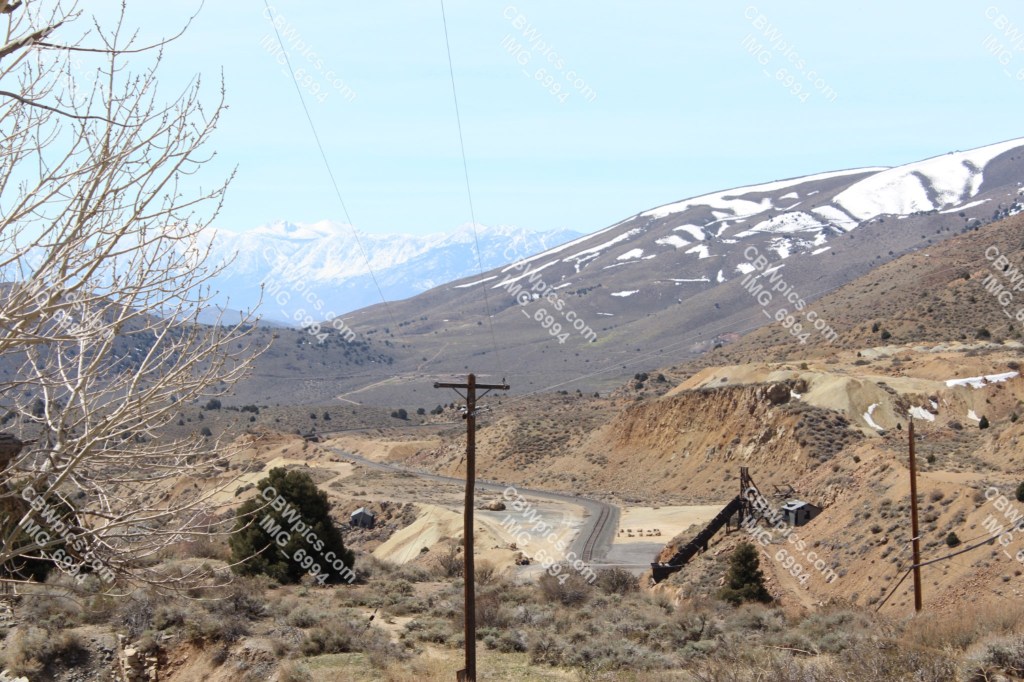
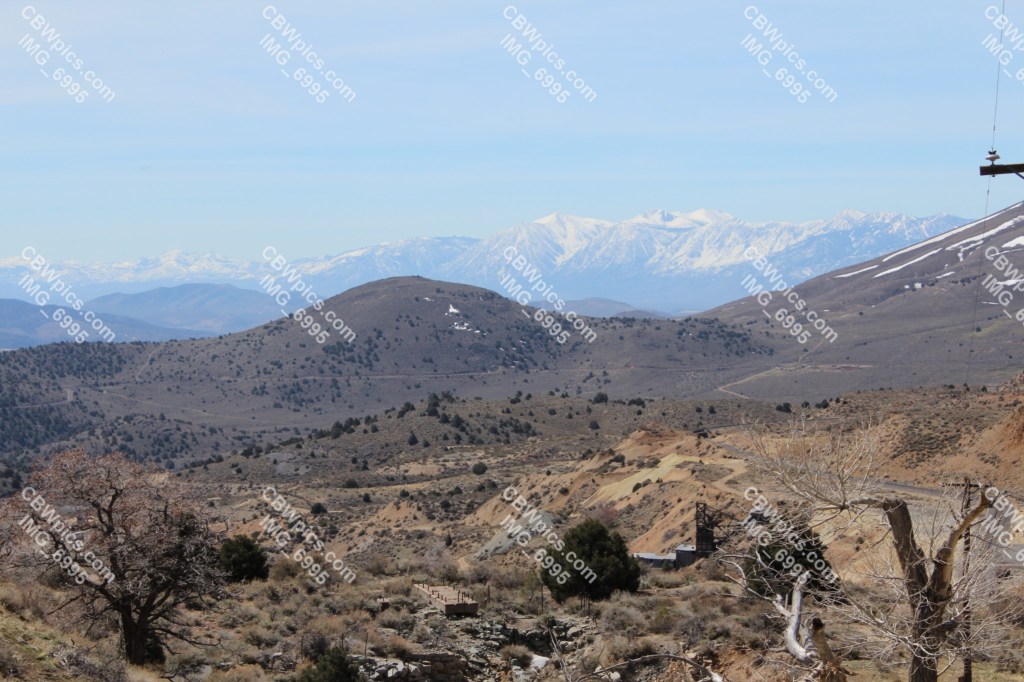
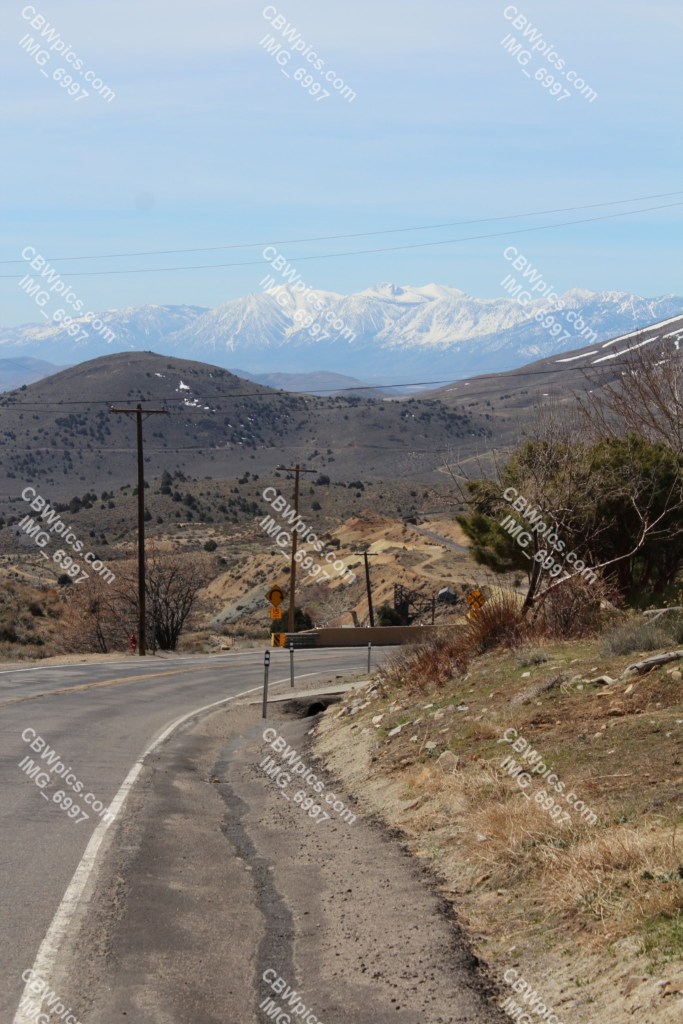
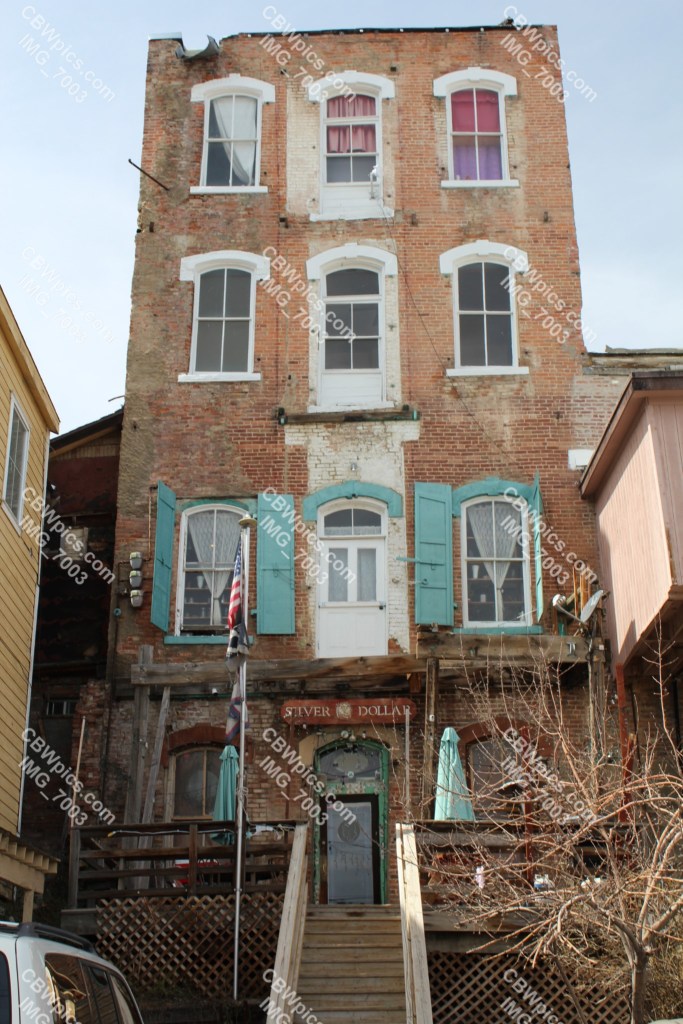
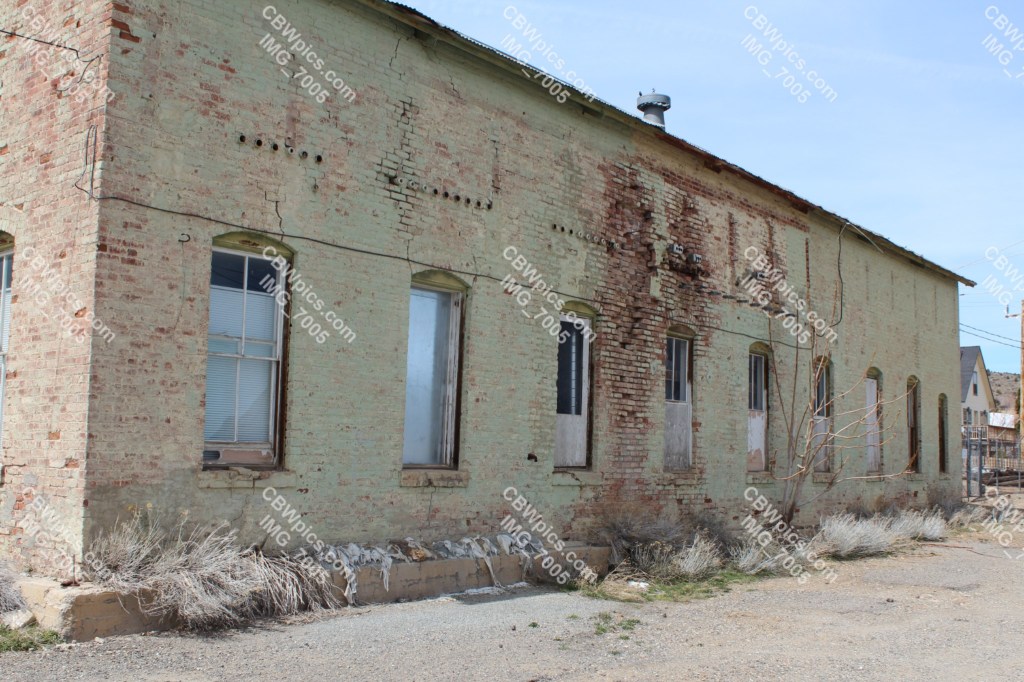
Next, we come to the biggest and most famous of our three towns: Virginia City. There are good sidewalks/boardwalks through the surprisingly large downtown area, and nice wide roads through most of the rest of town, so I was able to do a lot of walking here. But I didn’t find much worth photographing. But here’s what I did find around Virginia City:
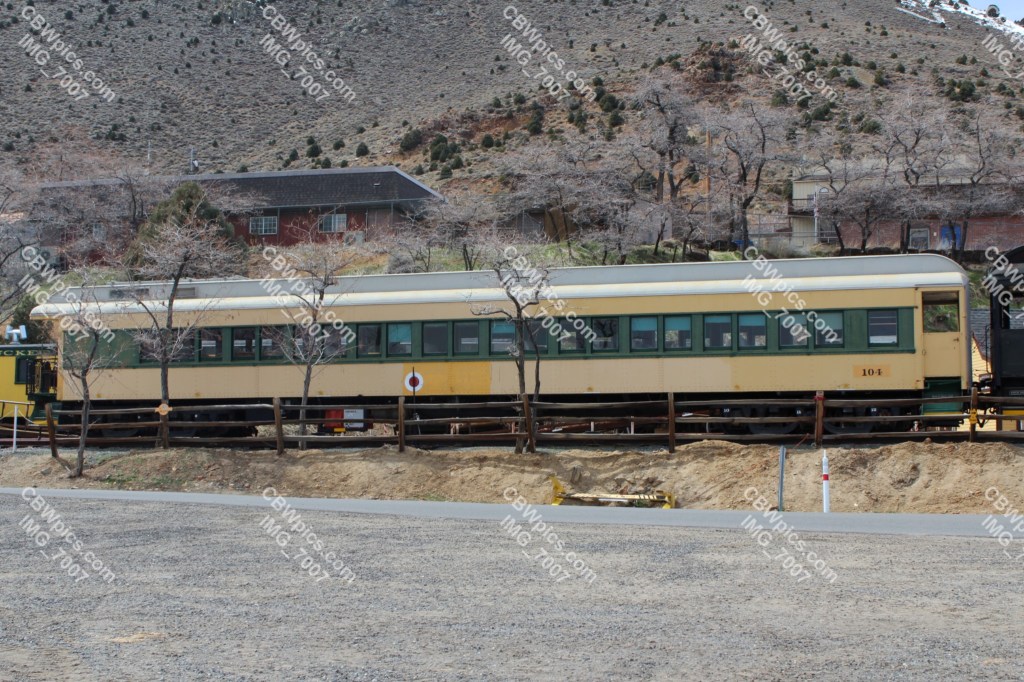
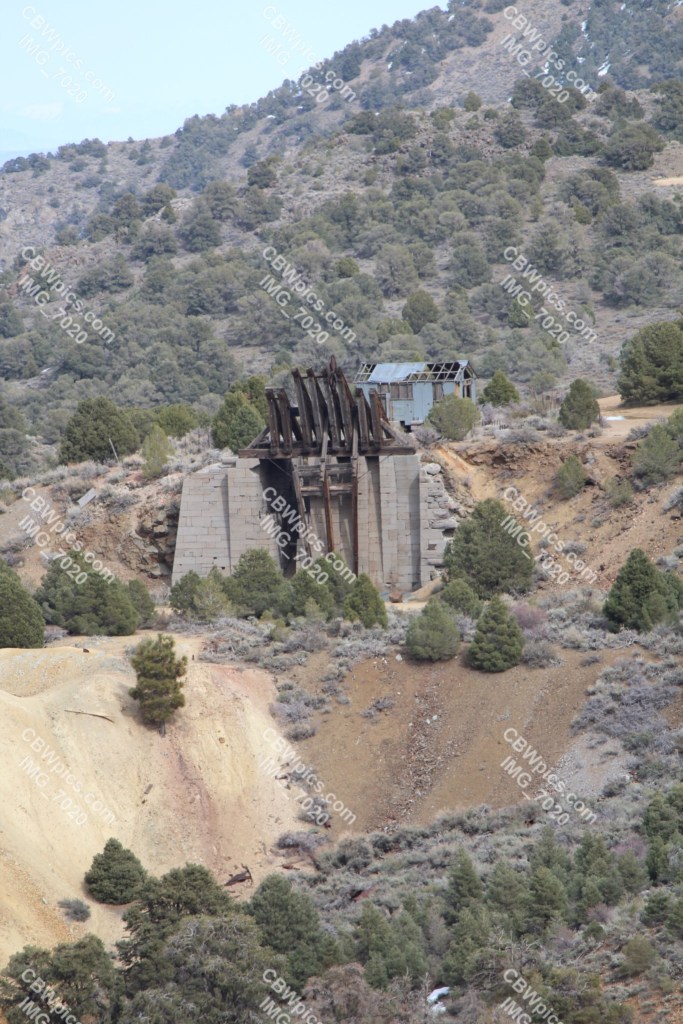
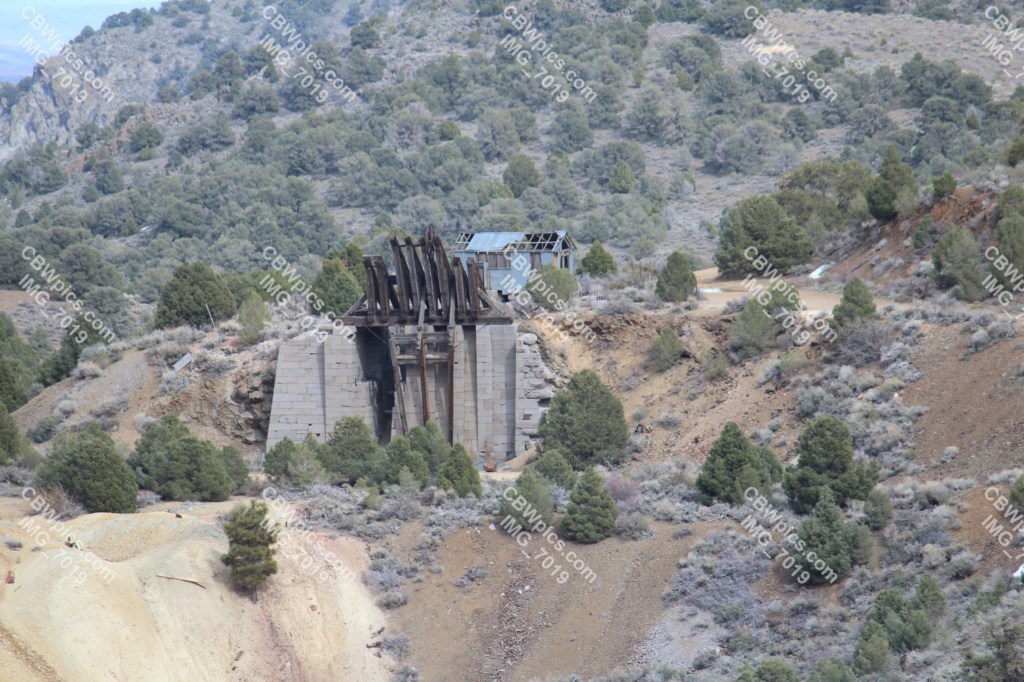
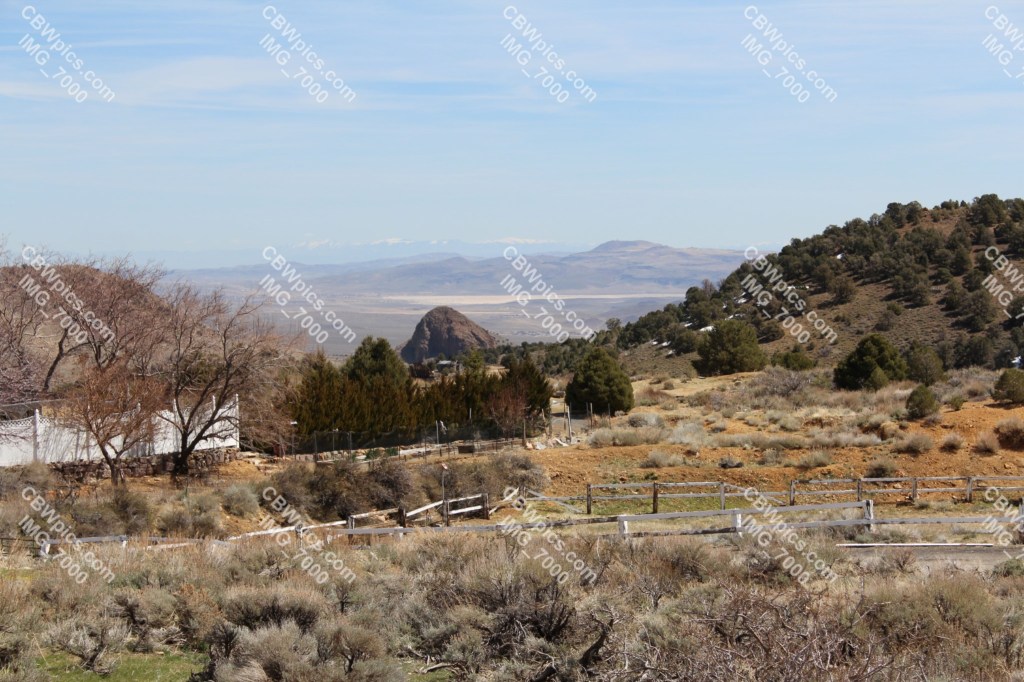
Something else that can be seen from all over town is Six Mile Canyon, and the huge rock sitting in it…
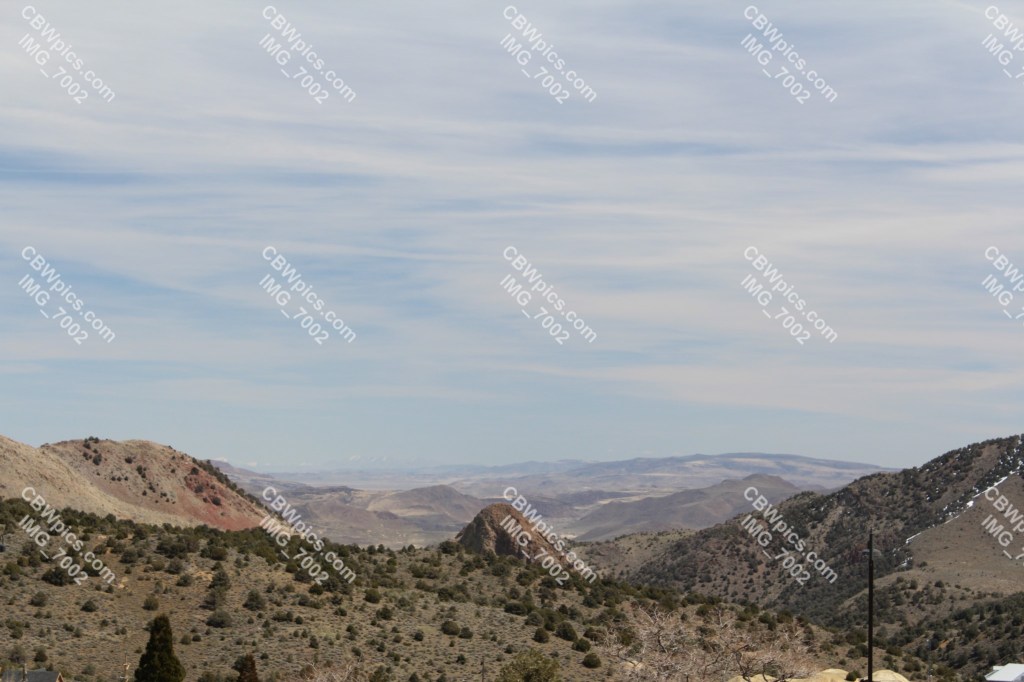
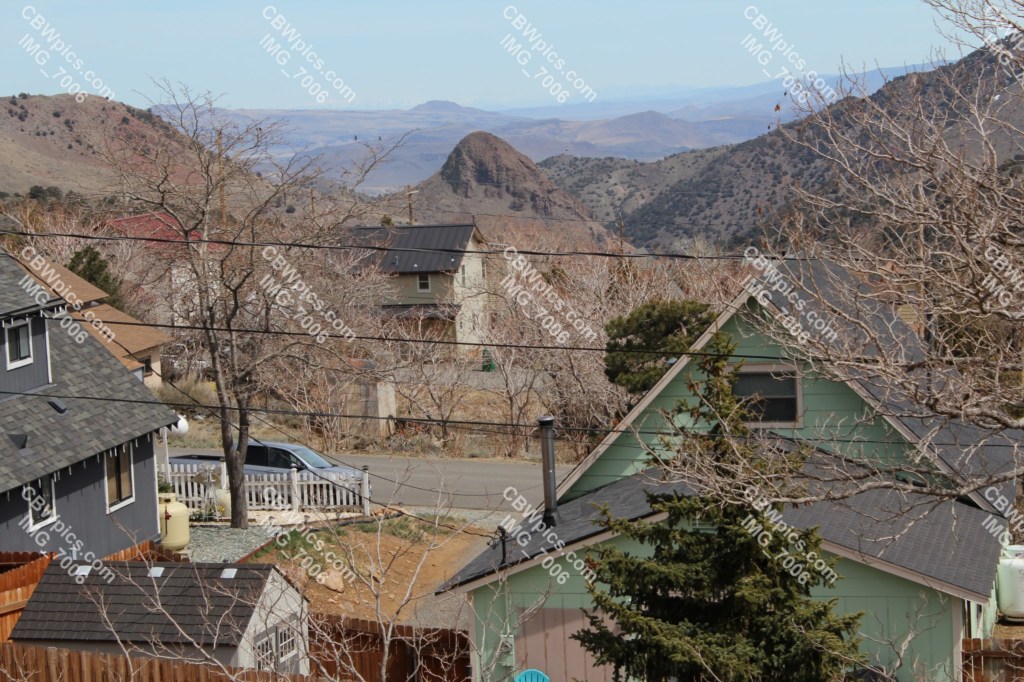
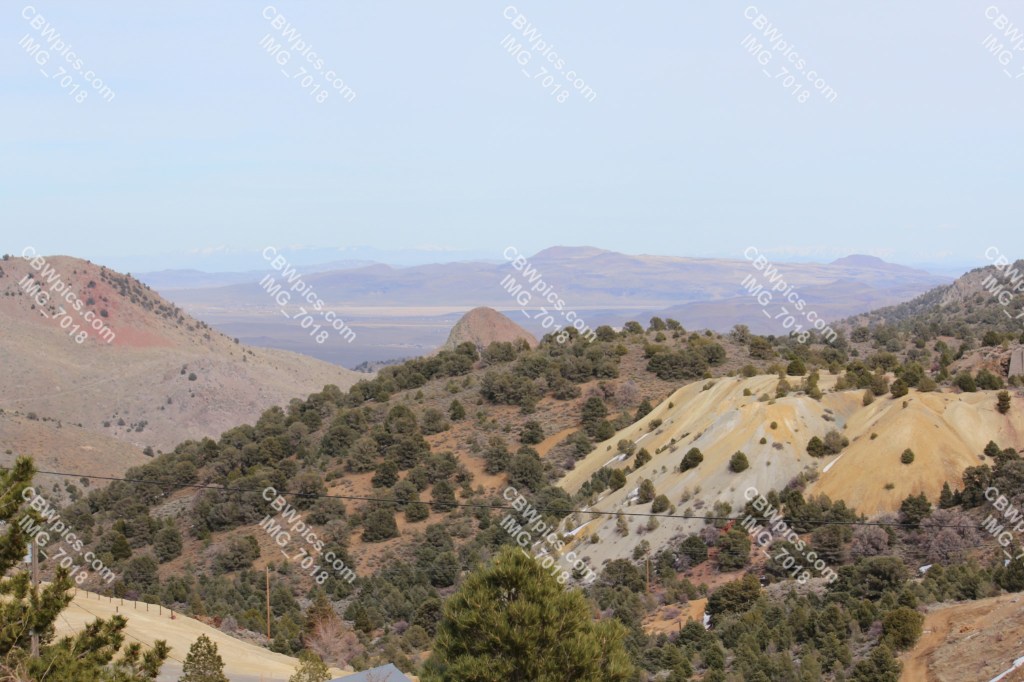
As you can see, this is a beautiful view now, but it may not have been that way 100 years ago. Y’see, I drove a little way down the canyon and ended up getting up close and personal with the big rock. At the base of the rock are the ruins of what looked to have been a pretty sizeable ore mill. So the spectacular view that dominates today may well have been obscured by smoke and/or steam. Here’s what I found:

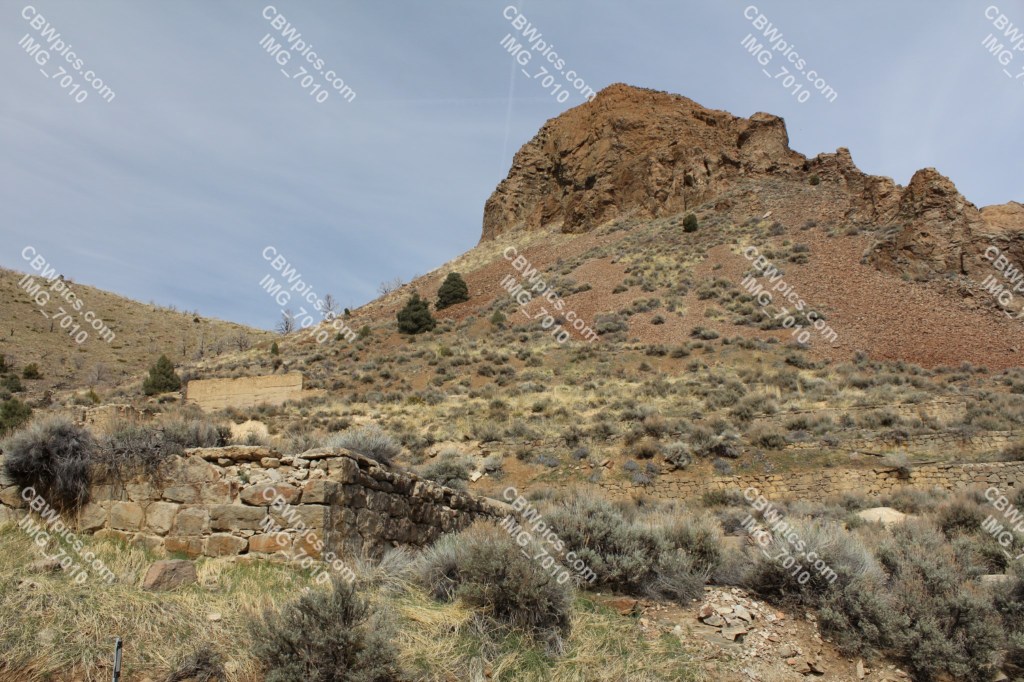
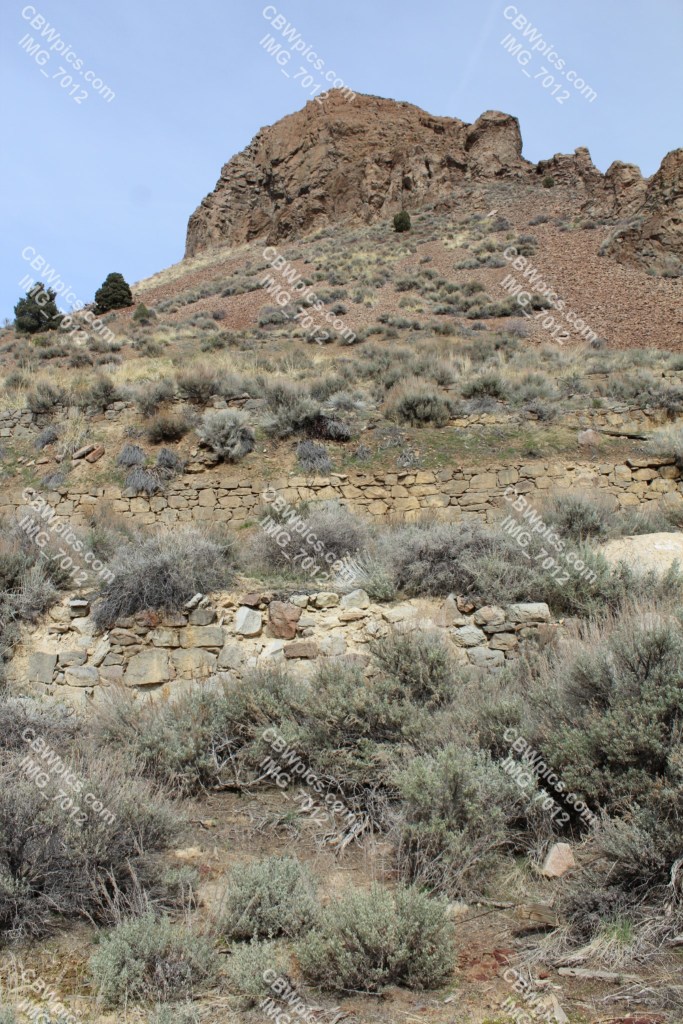
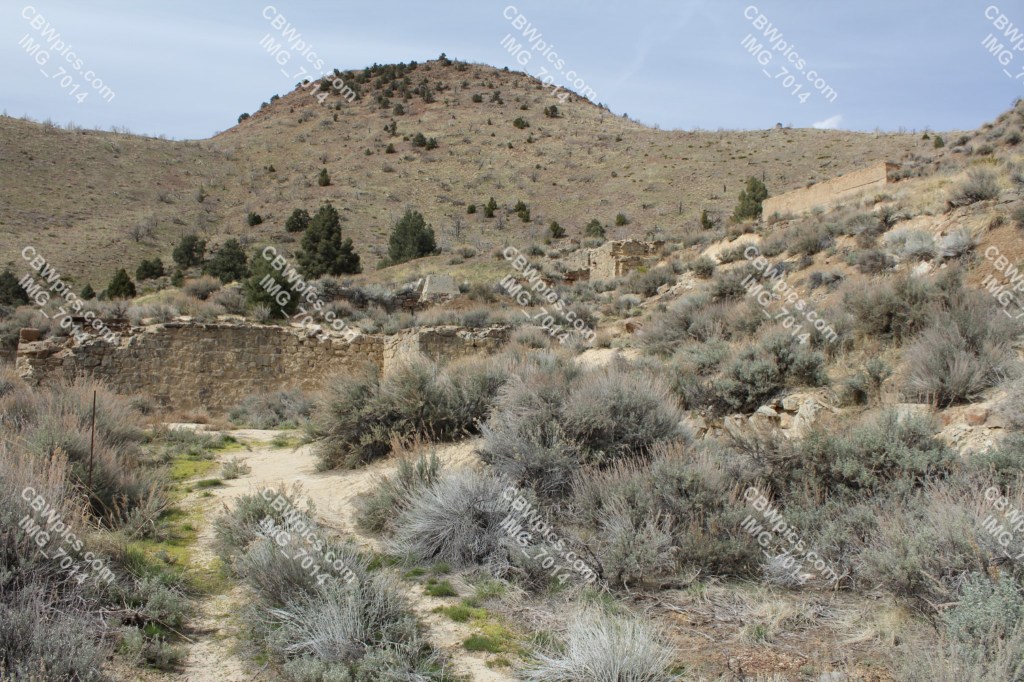
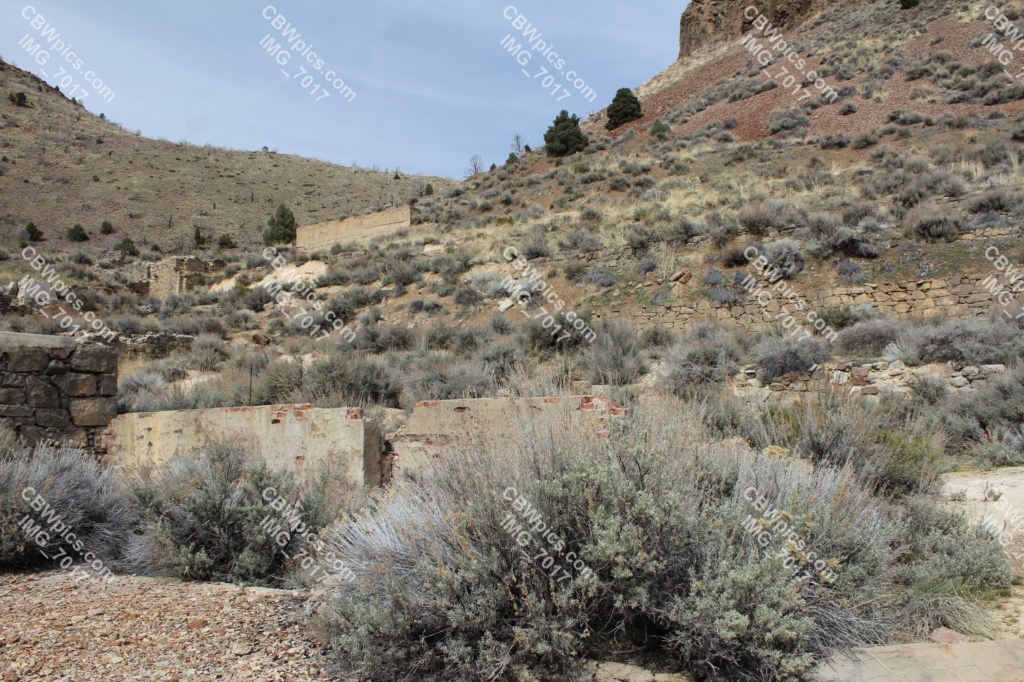

That’s it for the Comstock Lode. Next, I continued northish on the same highway. After it gets around the crest of the mountain range, it’s a VERY long drop into Reno. Consistent with the rest of the state, there’s no forest on the mountainside, just sagebrush and the like. So, this long drop offers excellent views of Reno and the Sierra Nevada range. I couldn’t help but notice, way off in the distance, what looked to be a huge concrete arch bridge. It appeared to be part of Interstate 580, but by the time I spotted it, I just wanted to get checked into my Reno hotel and find something to eat. But I vowed that I would find and photograph that bridge before leaving Nevada. Stay tuned to find out whether I was successful…
 Voyages with Parkinson's