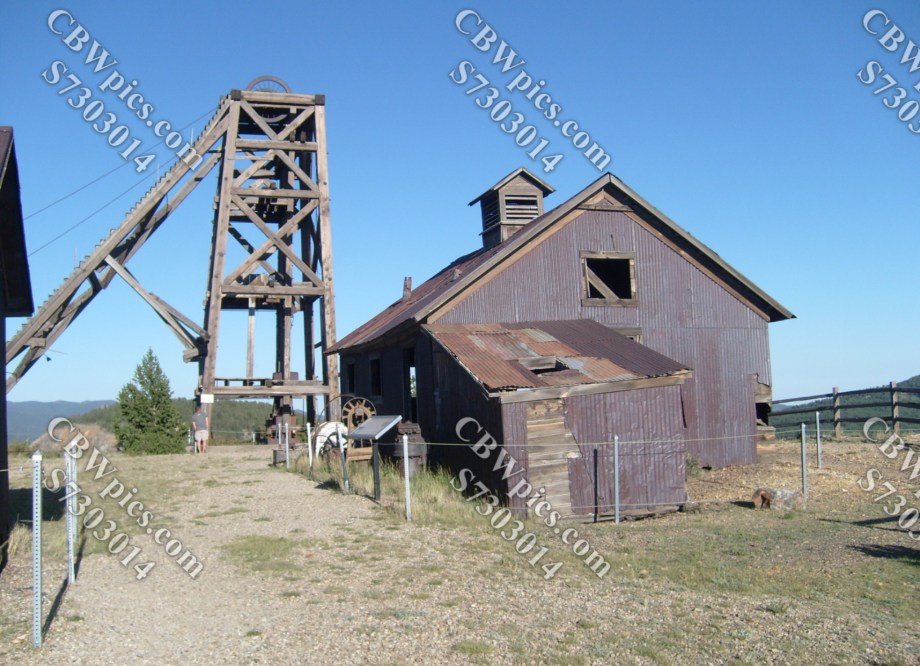
In early September of 2011, I went on a day trip to one of the most interesting (and touristy) historic areas in Colorado: the Cripple Creek Mining District. This mining district has produced more gold than any other Colorado mining district. And last I knew, it was still producing. At one time, there were literally hundreds of underground mines in the Cripple Creek District. Now there is only one operating: a HUGE open-pit mine, which sadly has destroyed many historic remnants of the old underground mines, as well as at least one ghost town.
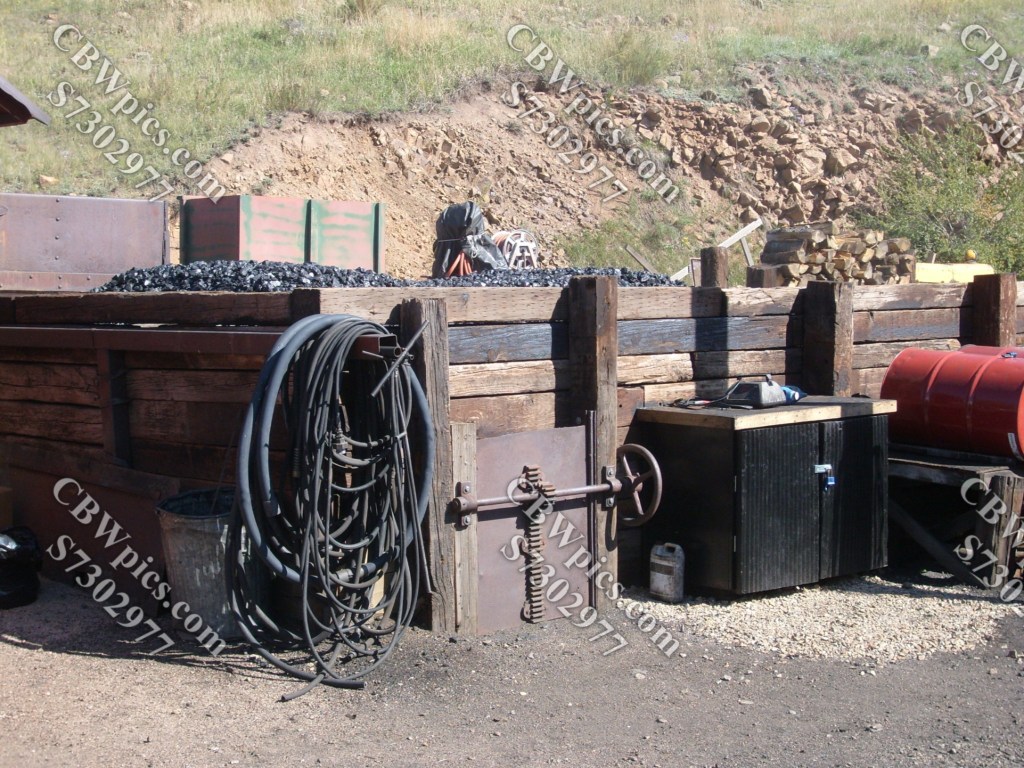
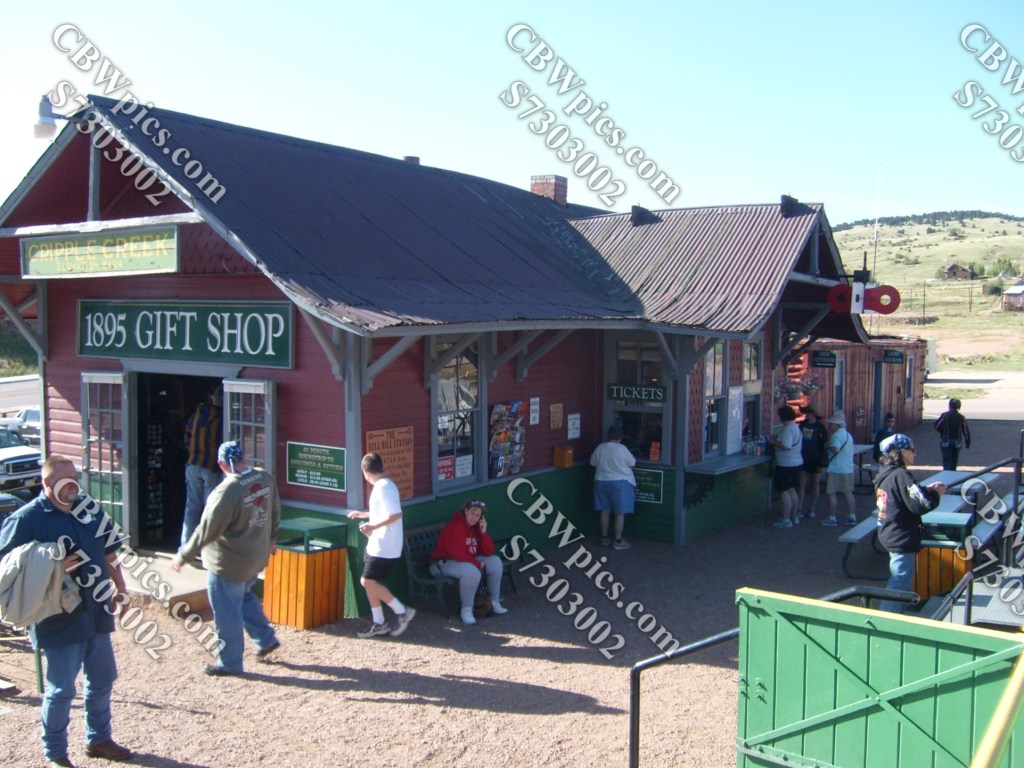
My first activity of the day (apart from the long drive to get to Cripple Creek from my home in Lakewood, Colorado) was a train ride on the Cripple Creek & Victor Narrow Gauge Railroad (CC&VNGRR). I arrived early so’s I could poke around the railroad station for a bit. Here’s some of what I saw:

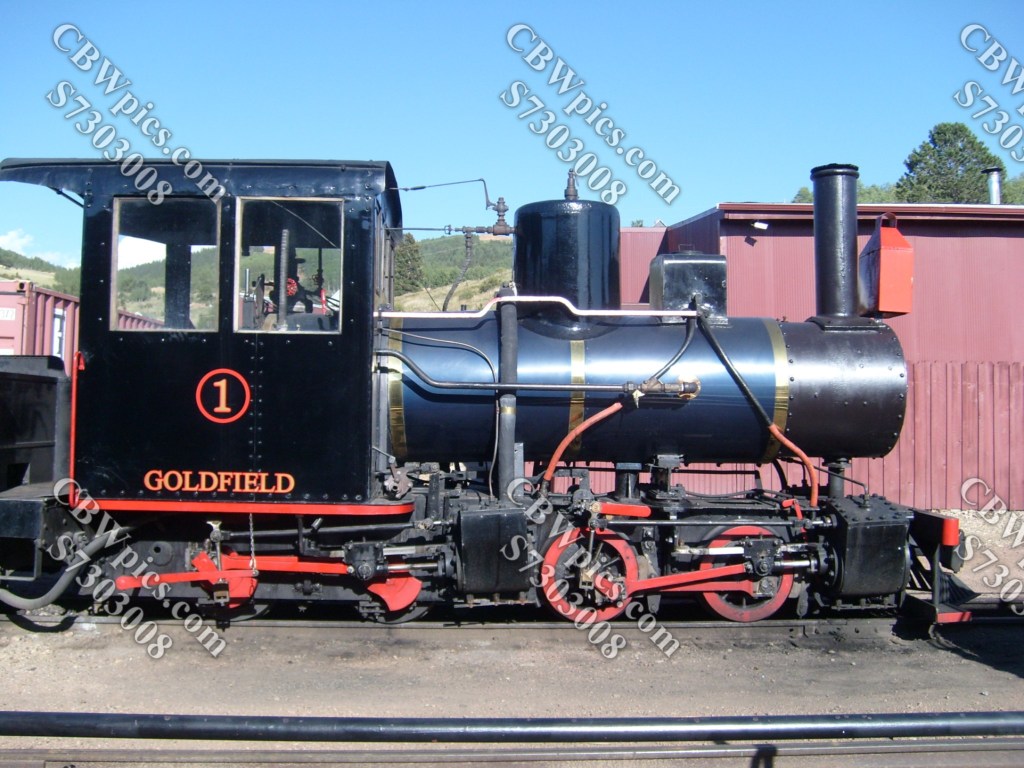
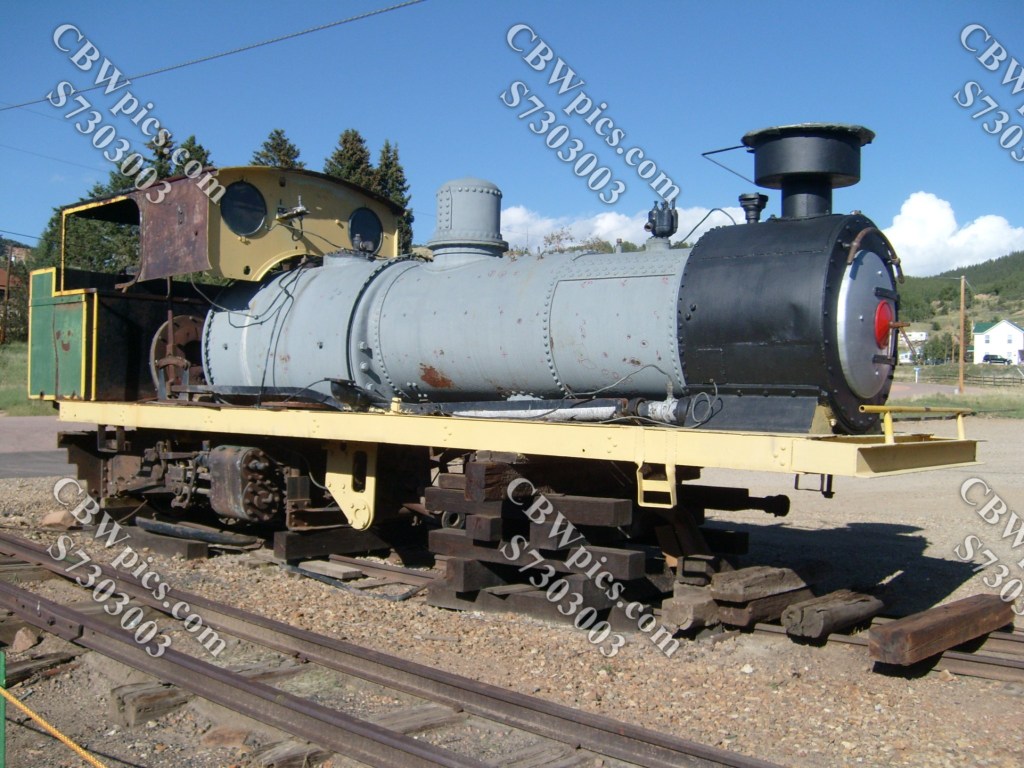
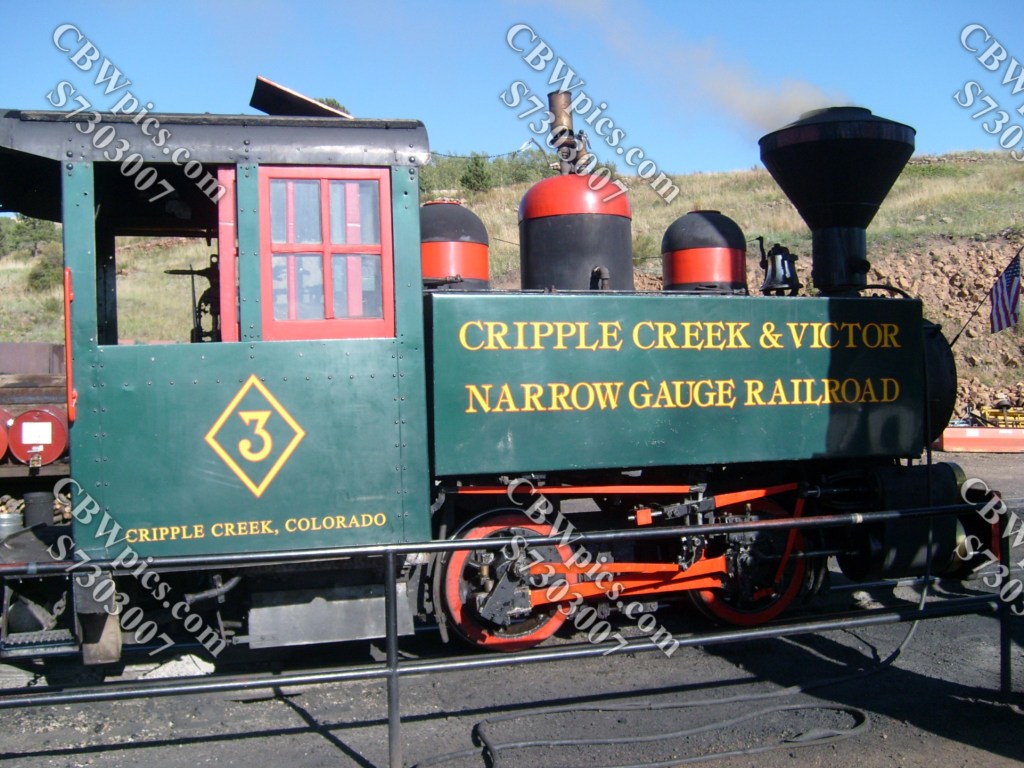
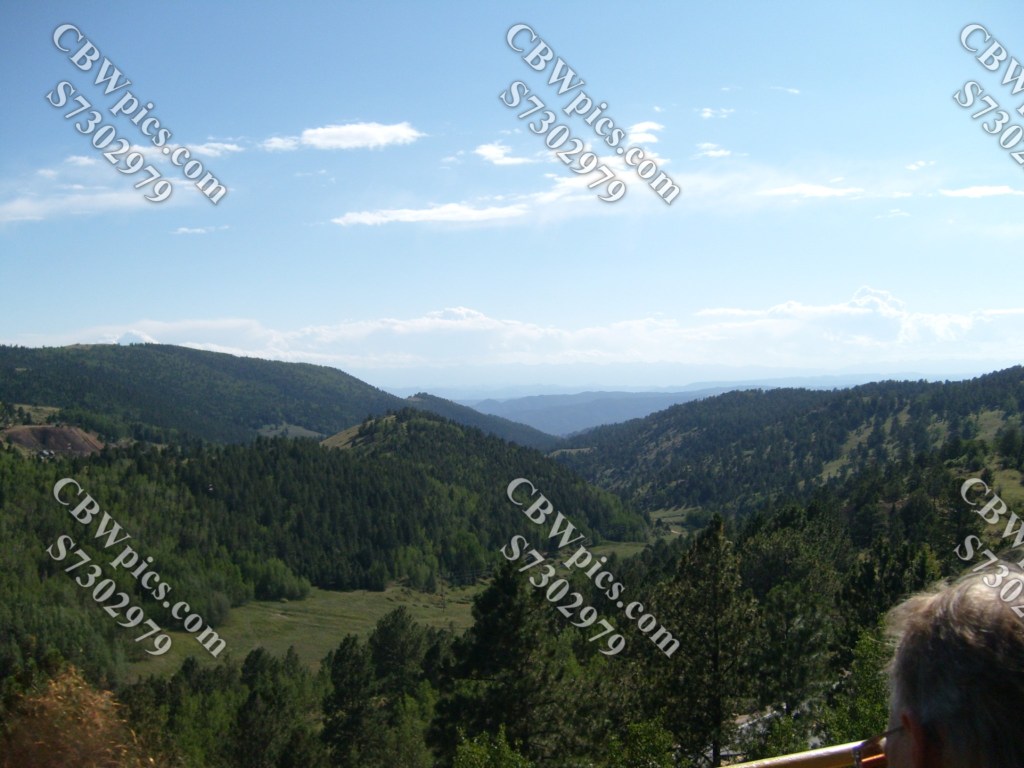
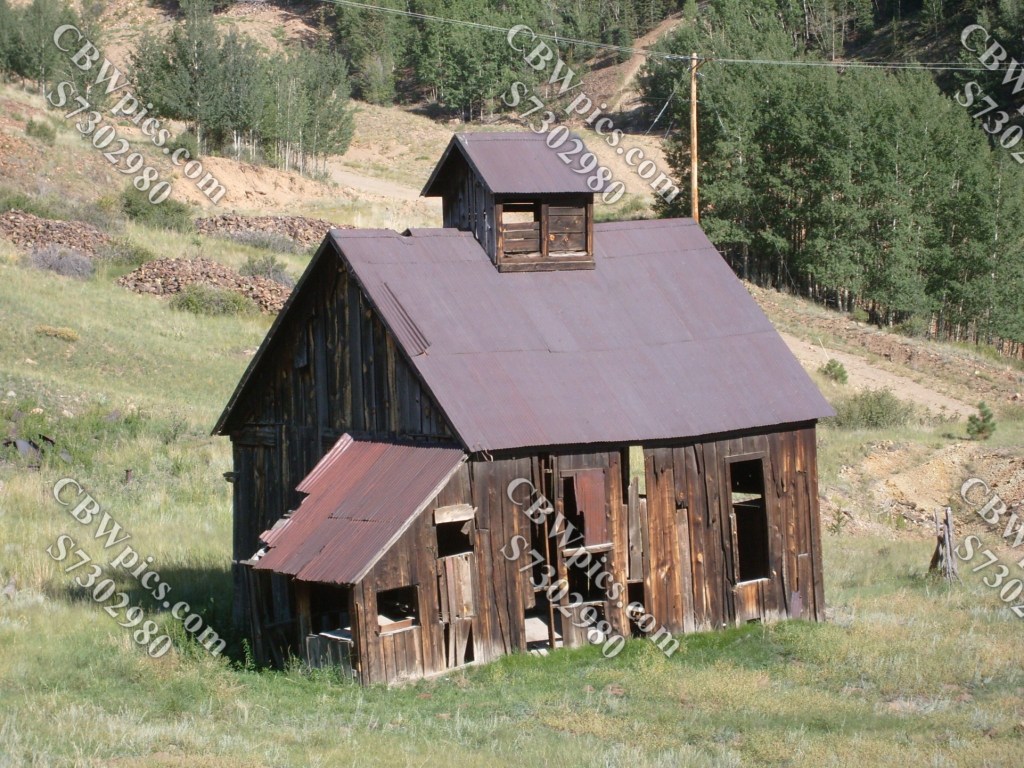
Despite its name, the CC&VNGRR does not go all the way to Victor, Colorado. It also is not Closed Captioned, nor does it contain vinegar. Rather, it runs from the city of Cripple Creek to the remnants of the best-named town in Colorado history: Anaconda. The route largely parallels the modern automobile road (which does go to Victor), but the railroad provides better views and a few sights that cannot be seen from the road at all:
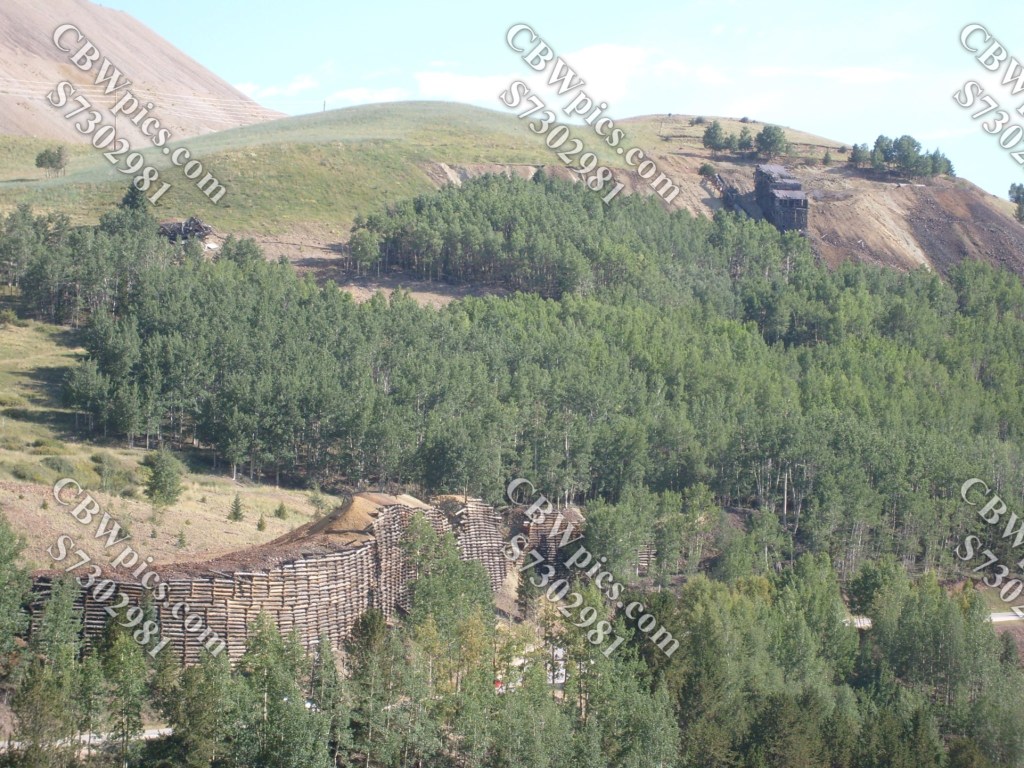
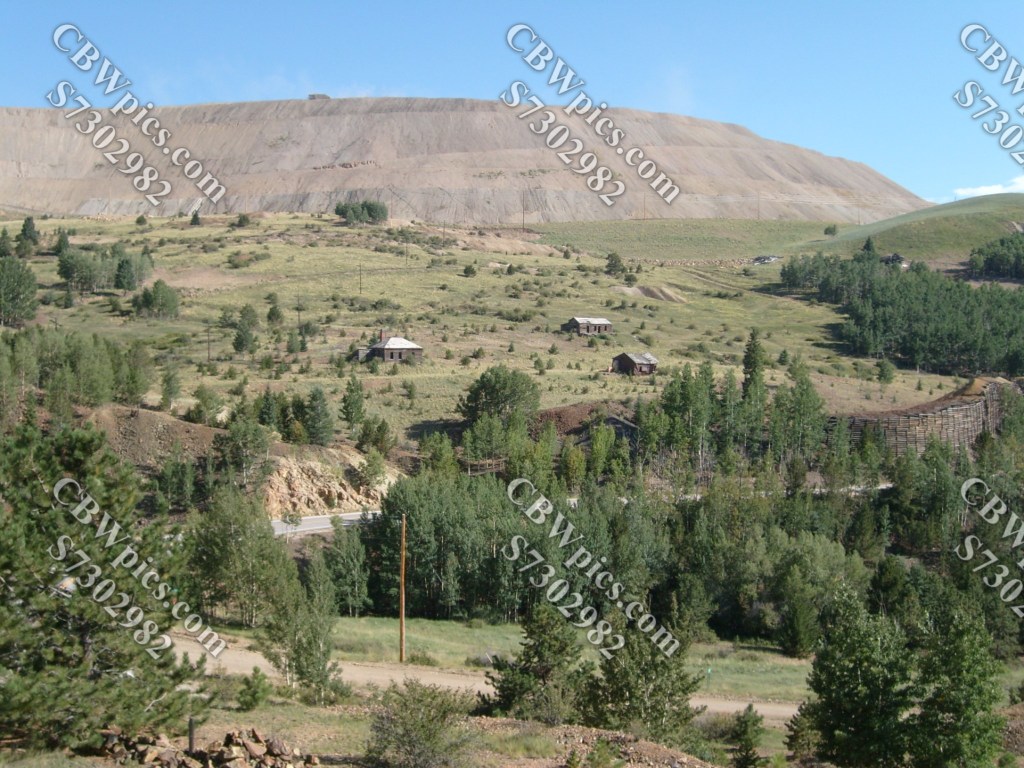
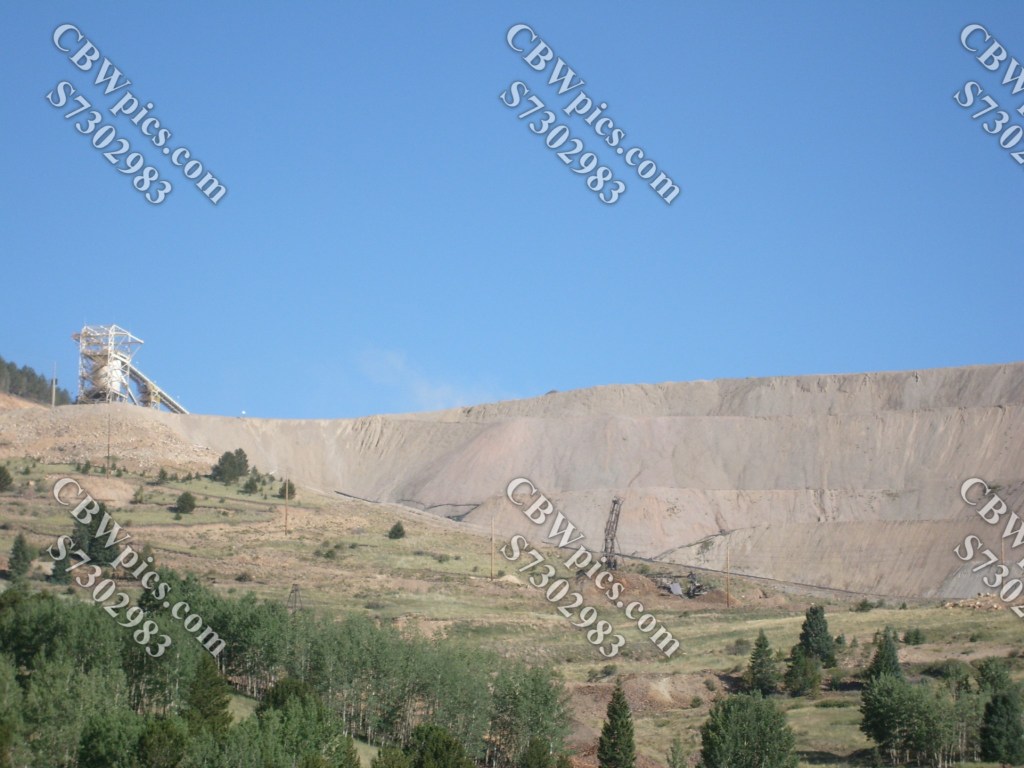
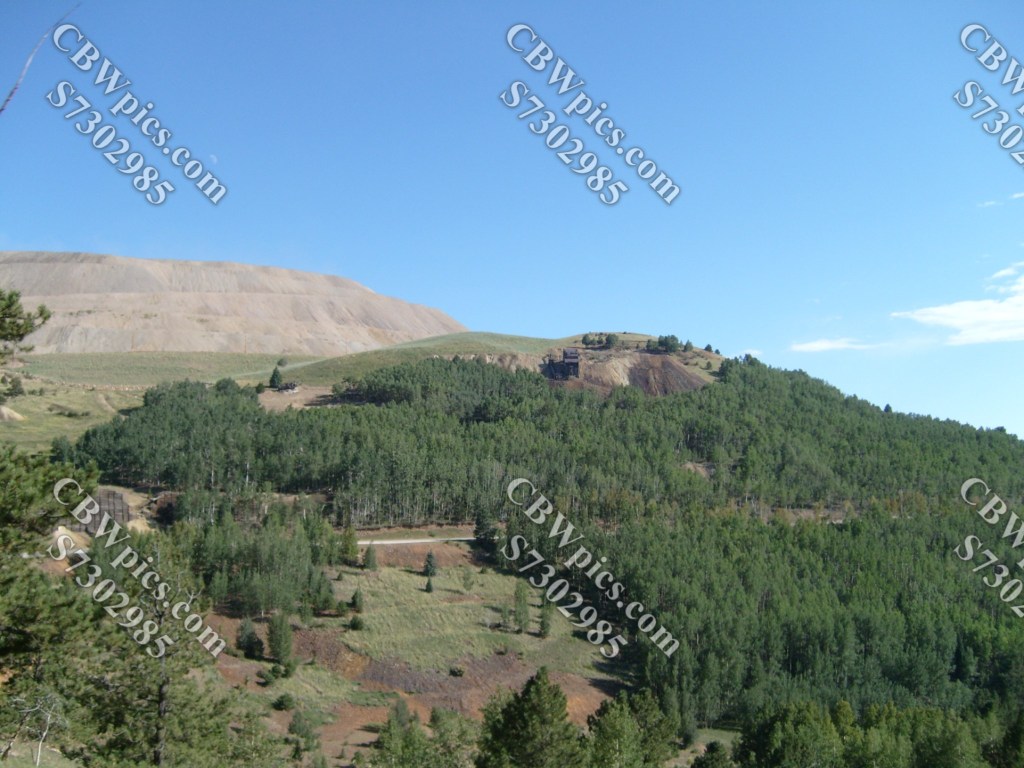
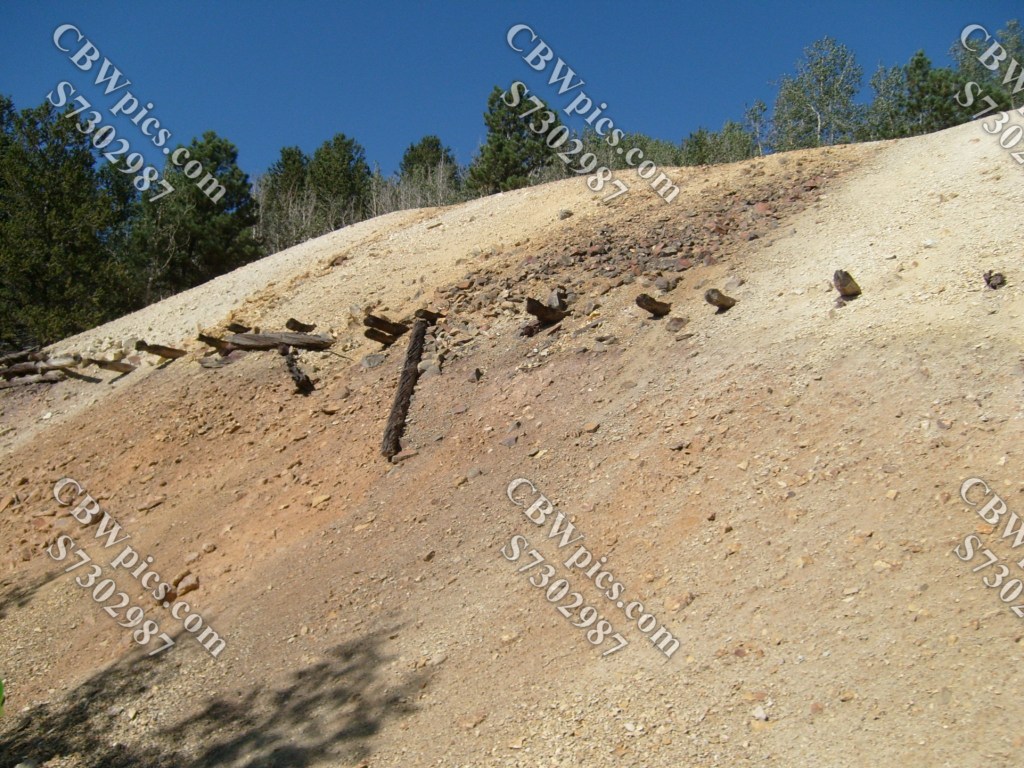
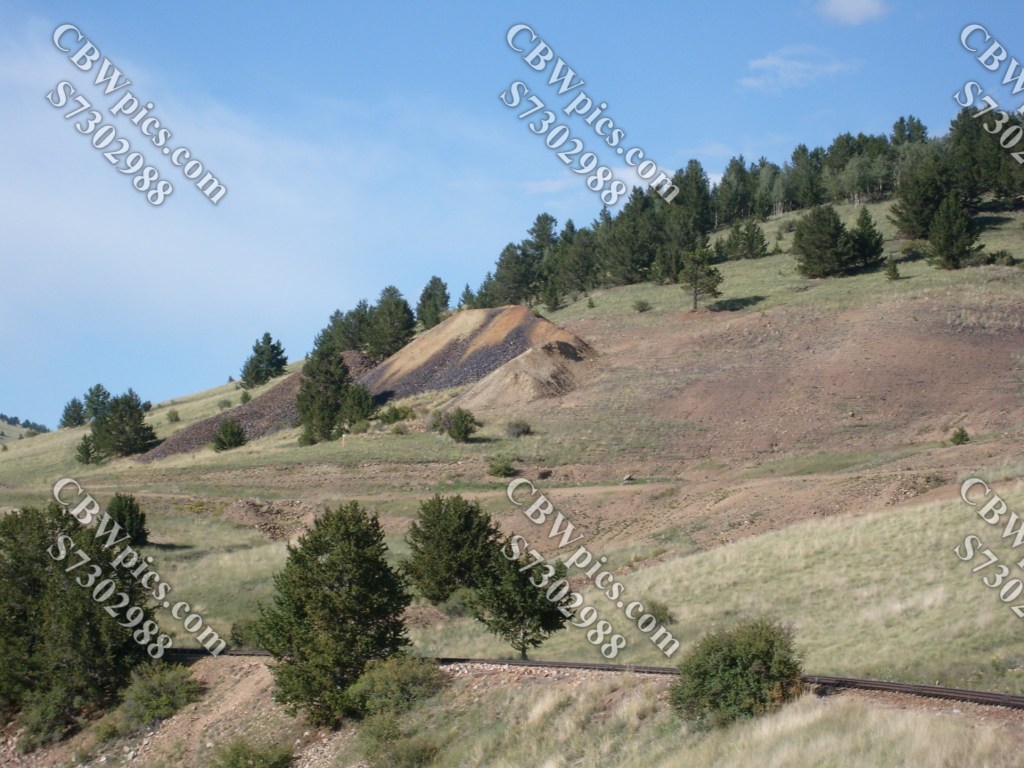
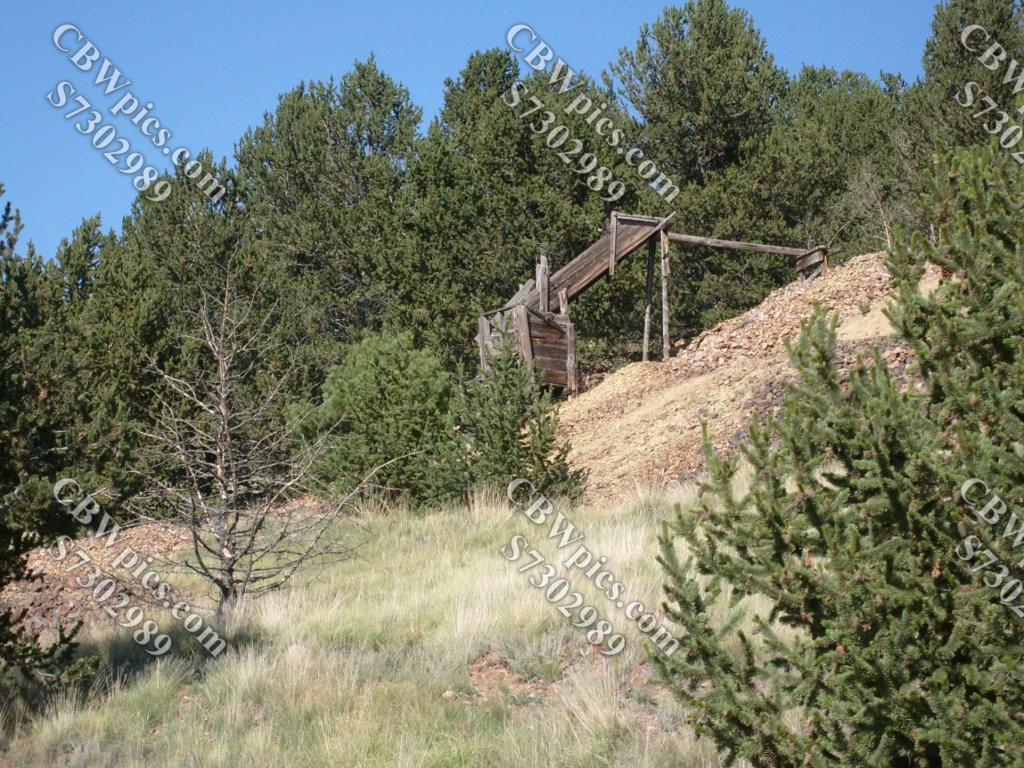
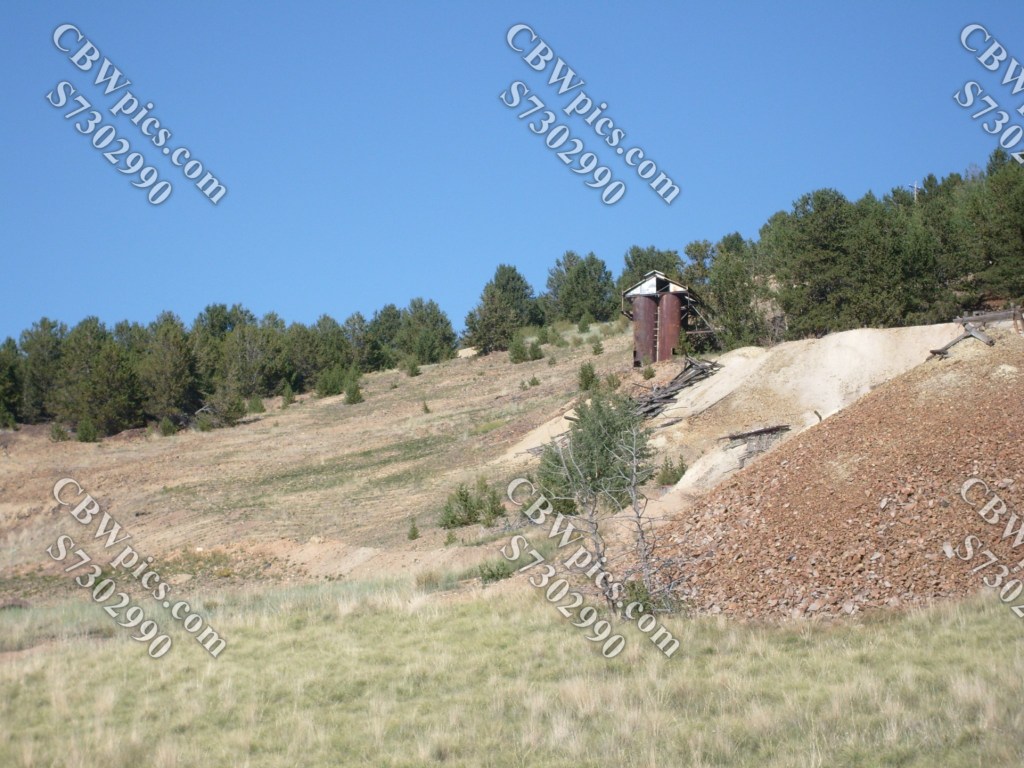
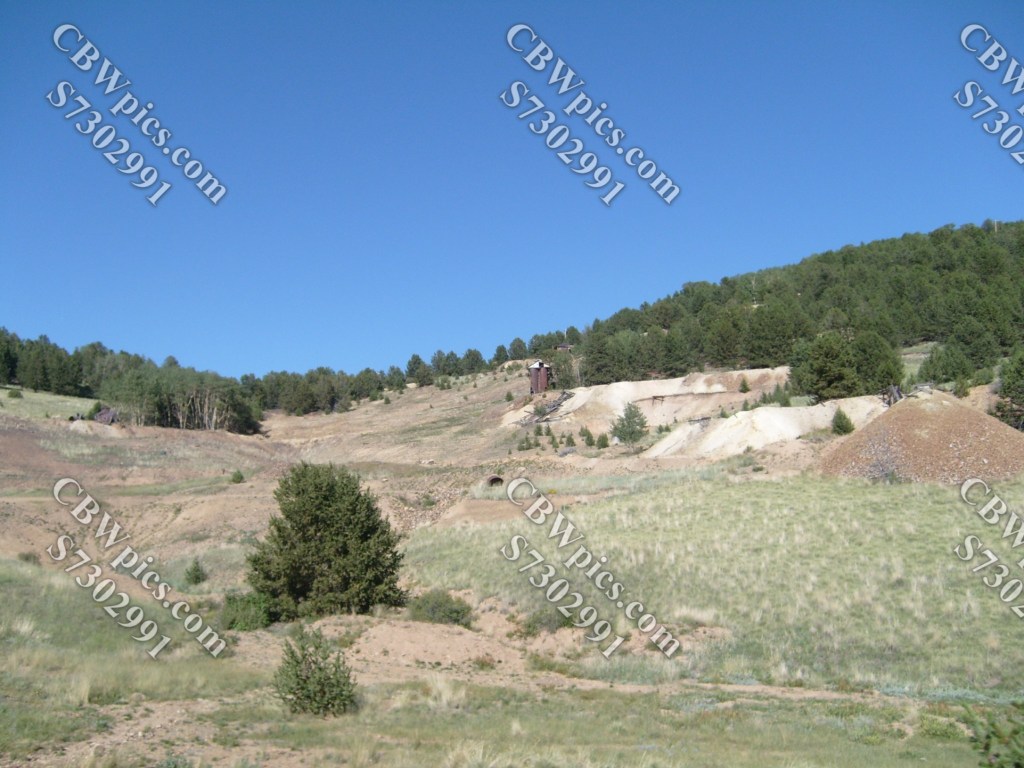
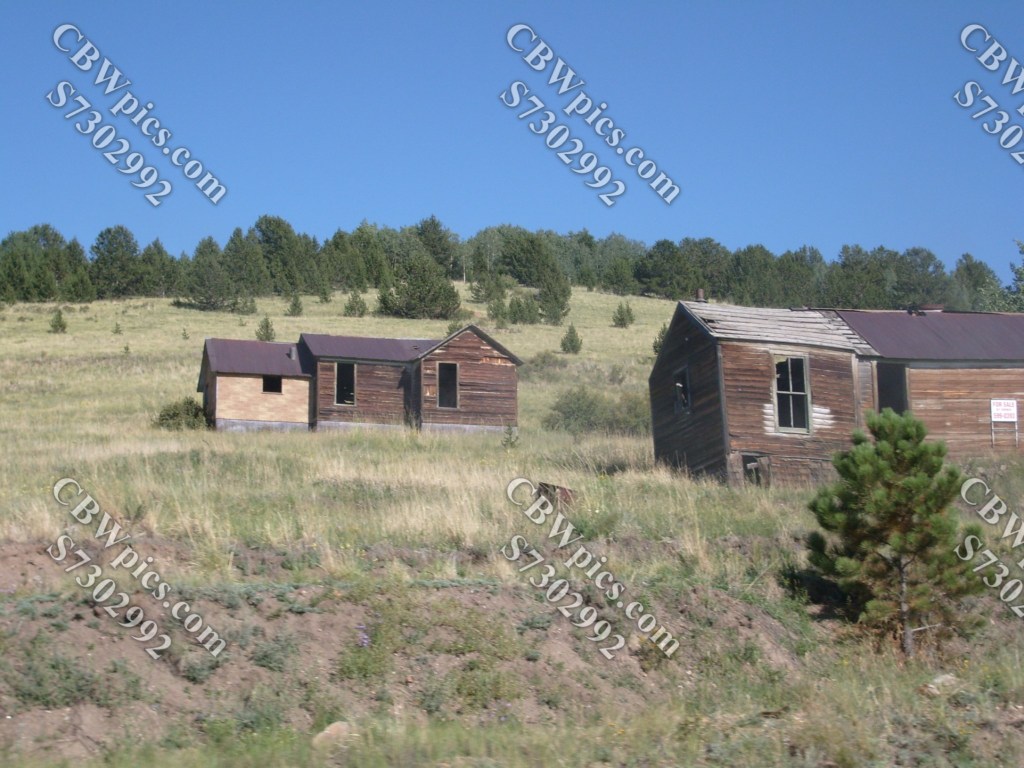
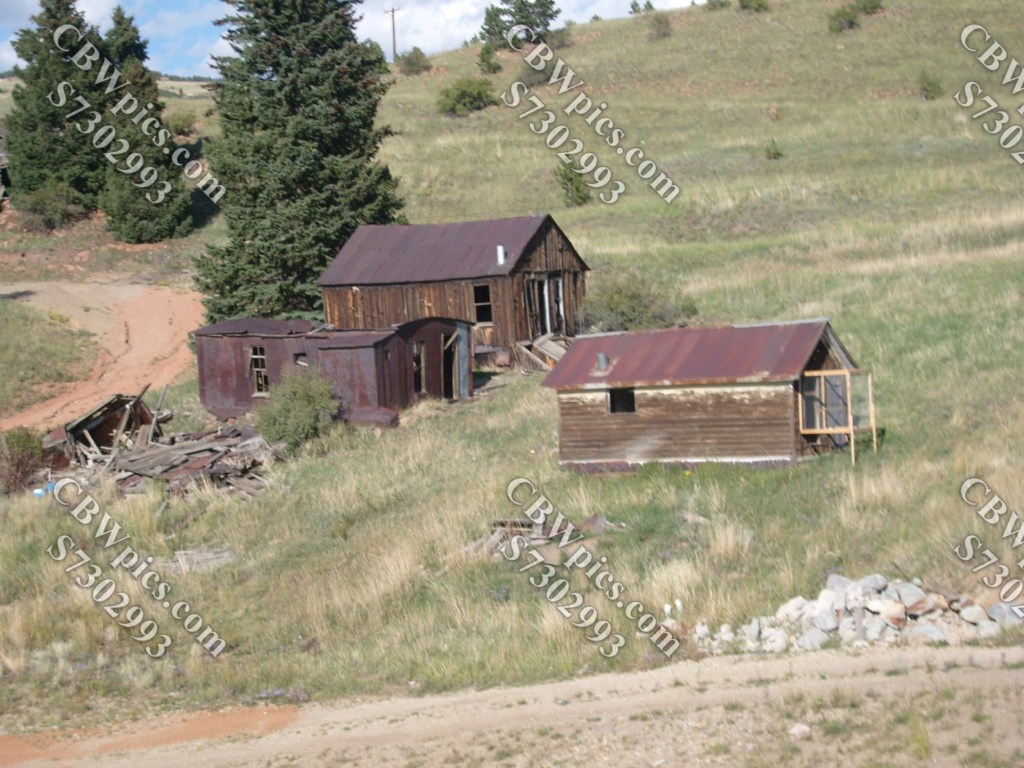
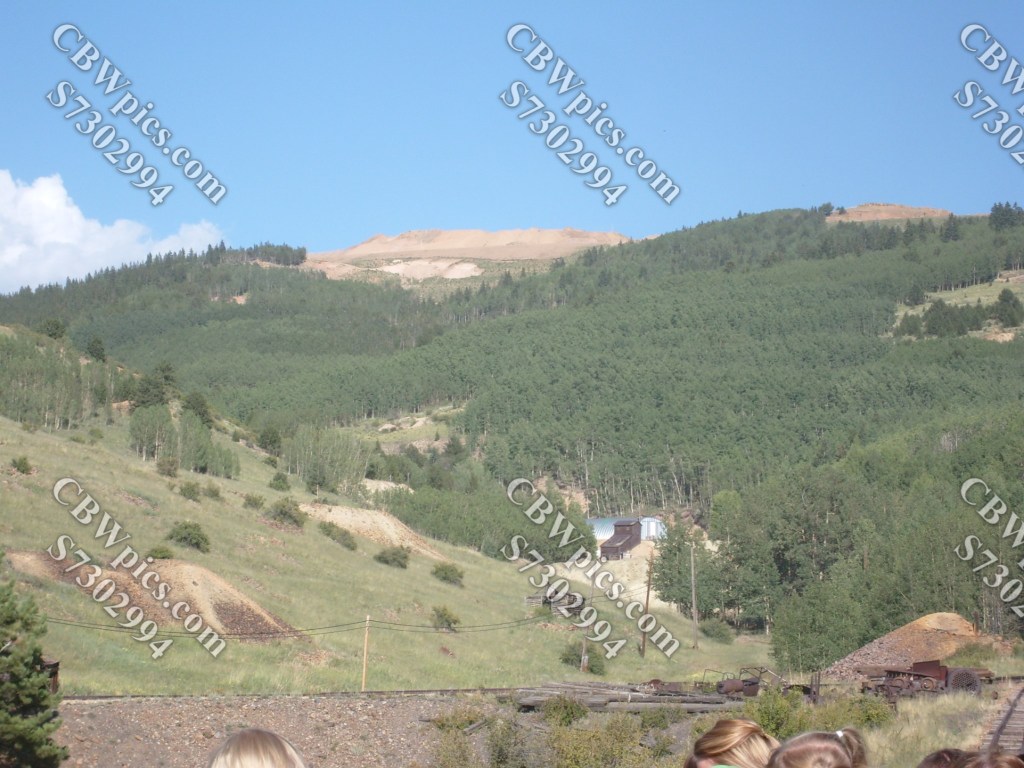
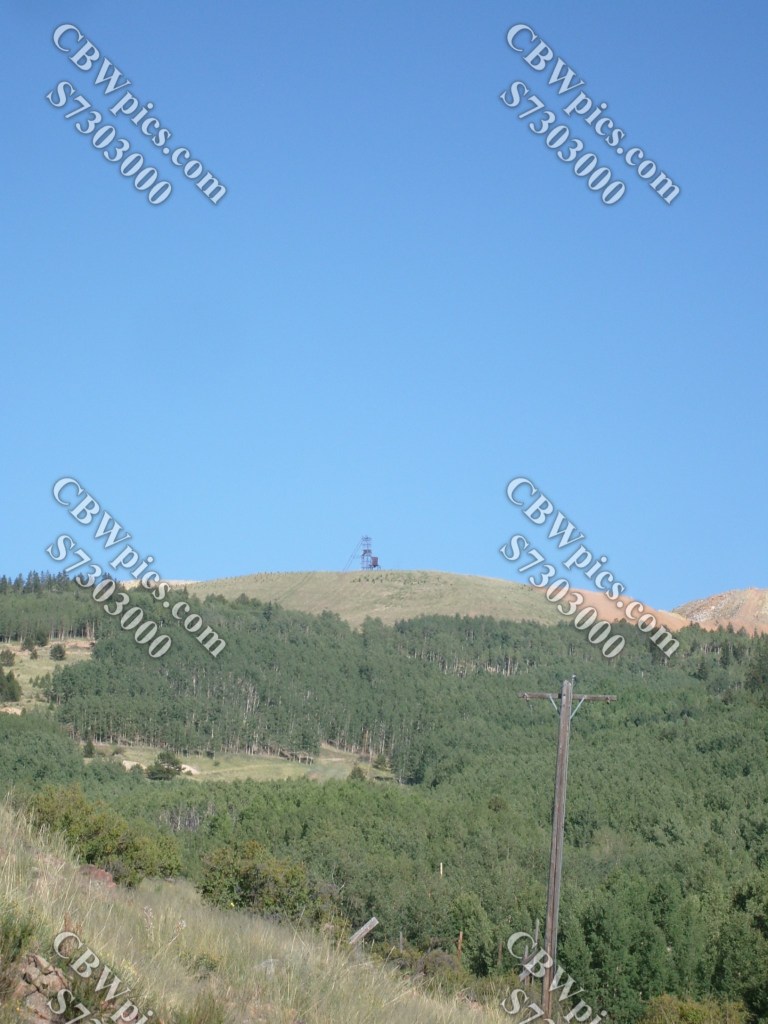
After the train ride, I made my way up to the Golden Eagles Mine. At 10,750 feet, this was the highest mine in the Cripple Creek Mining District. It was also the deepest, with miners working 2,100 feet below the surface. Have a quick look around, will ya:

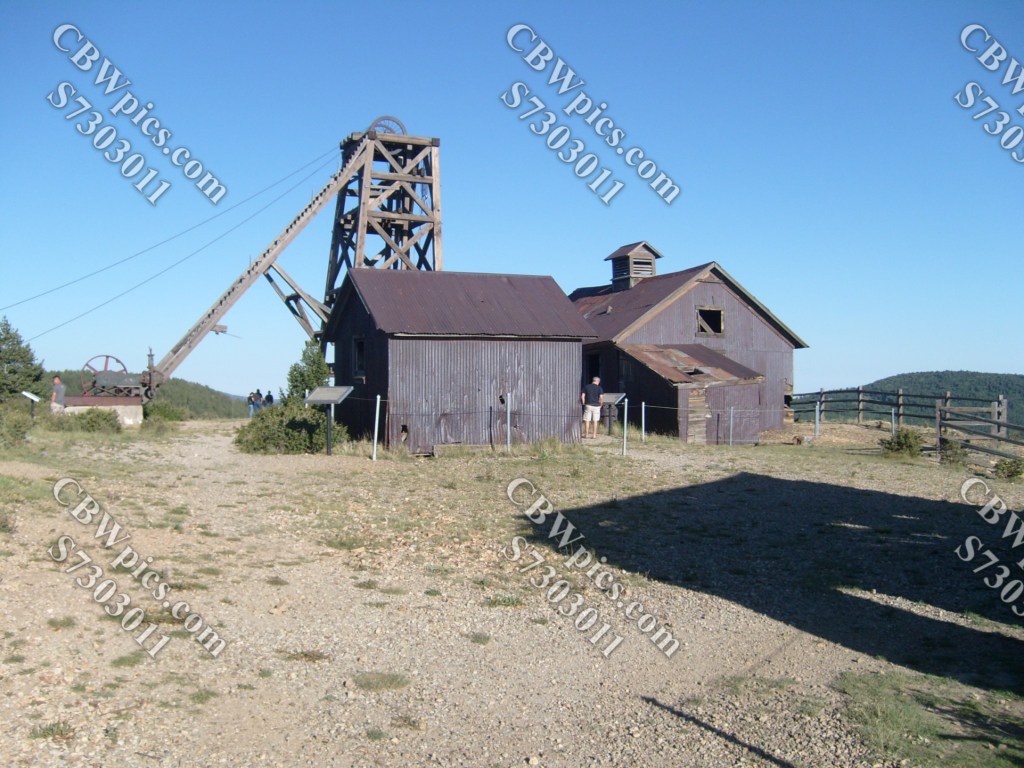

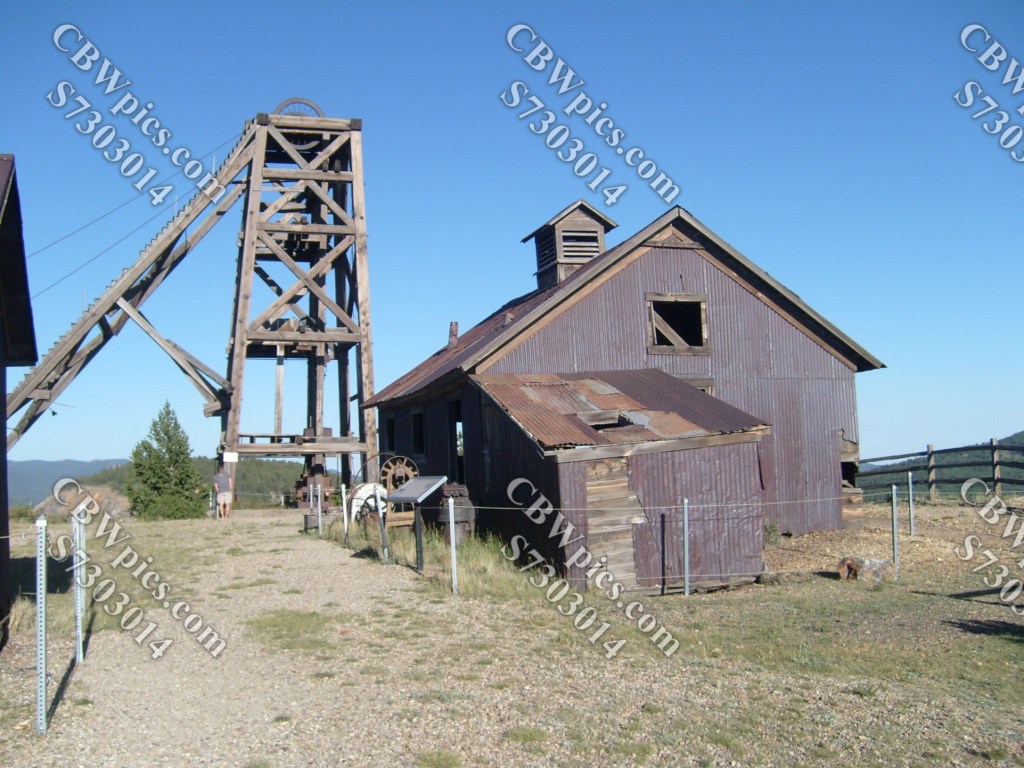
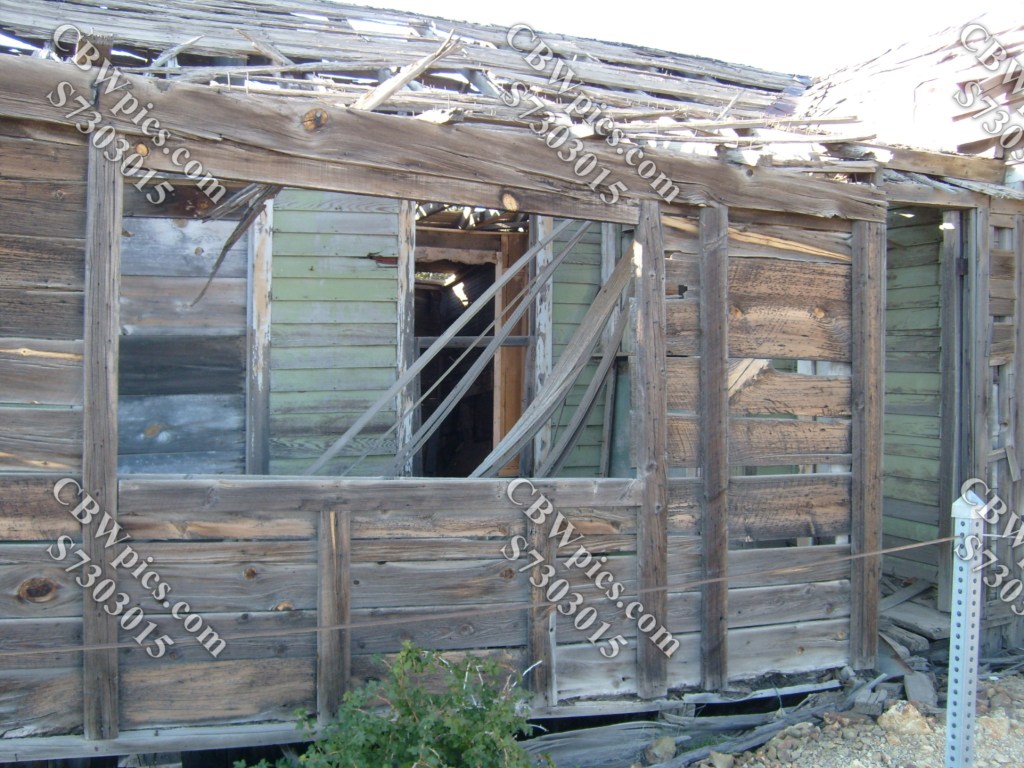

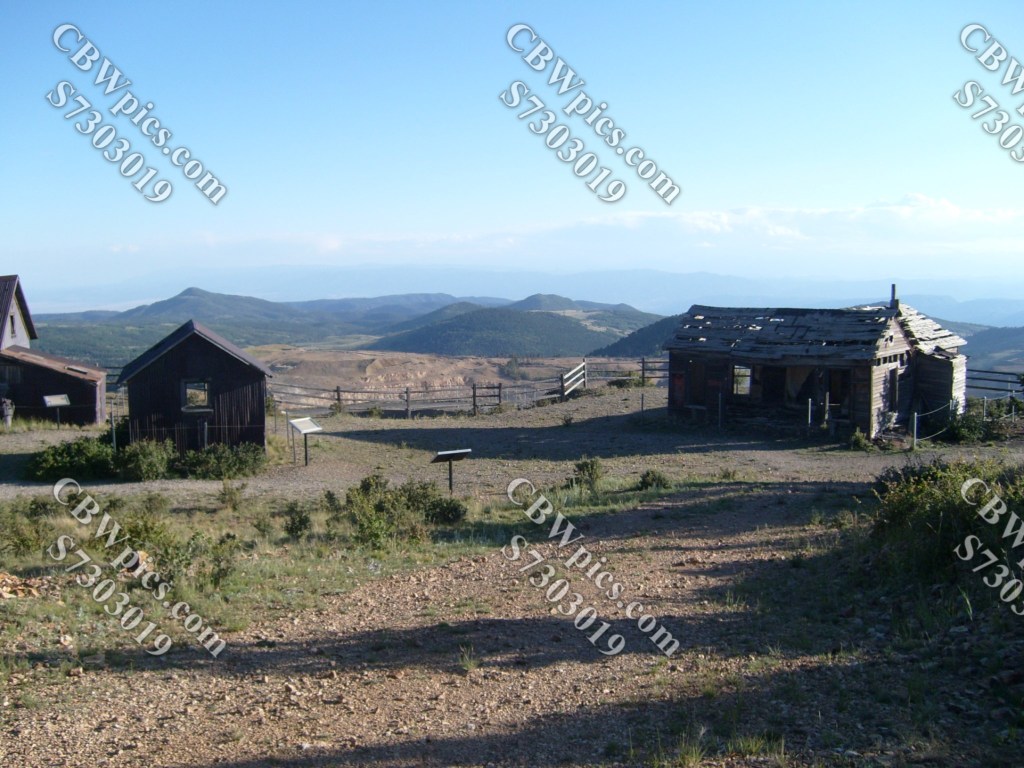
The American Eagles Mine was surrounded by the massive modern open pit mine (the Cripple Creek & Victor Gold Mine) some time ago. So, since I was already there, I decided to see what I could see of this hairy behemoth:
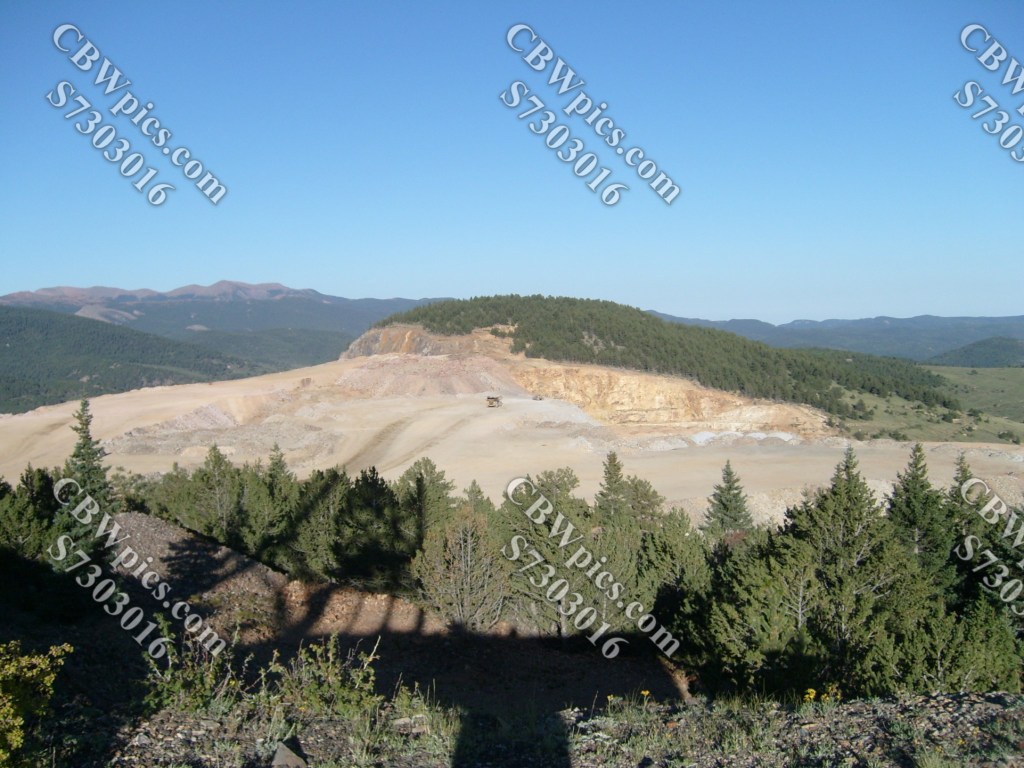
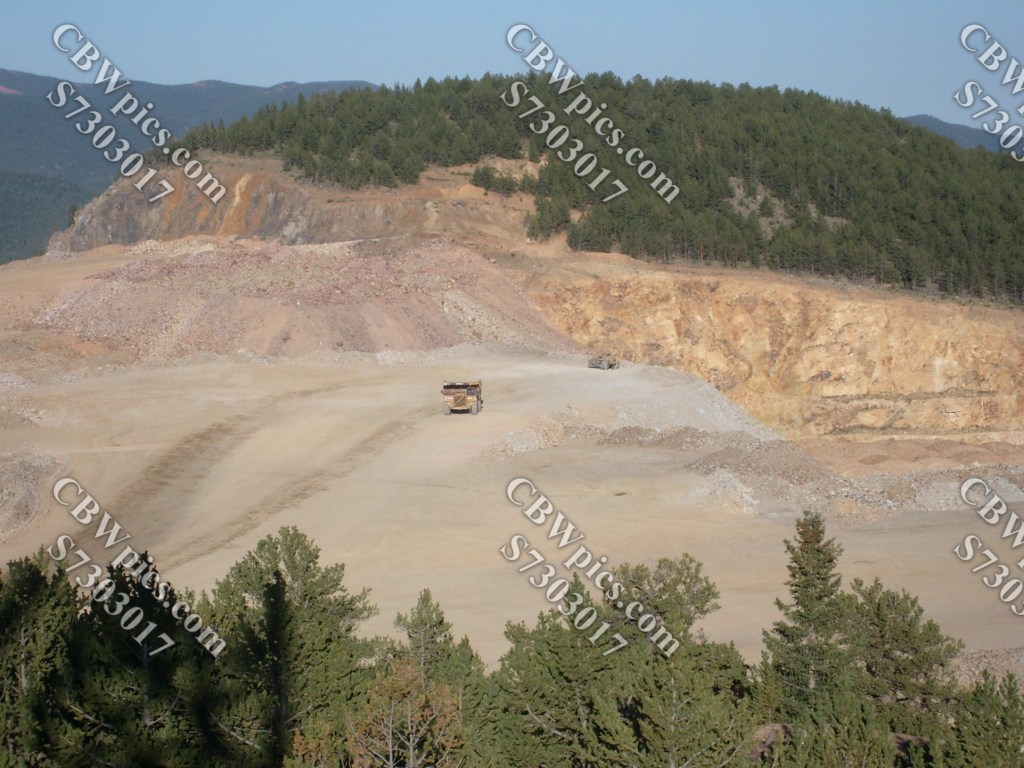
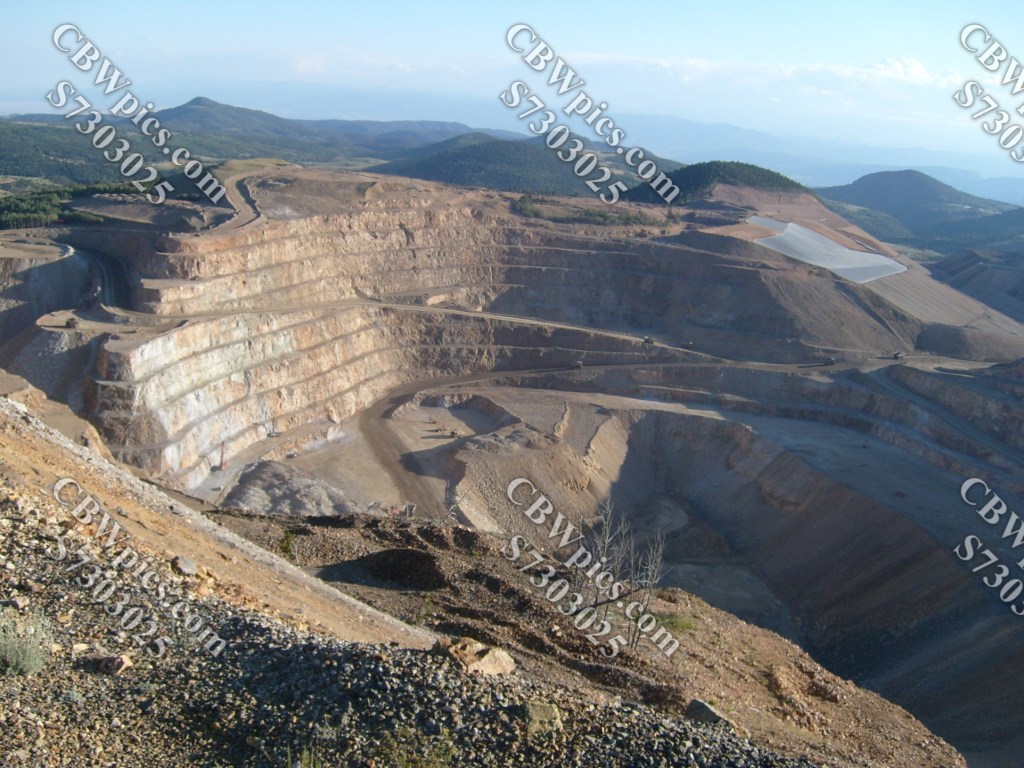

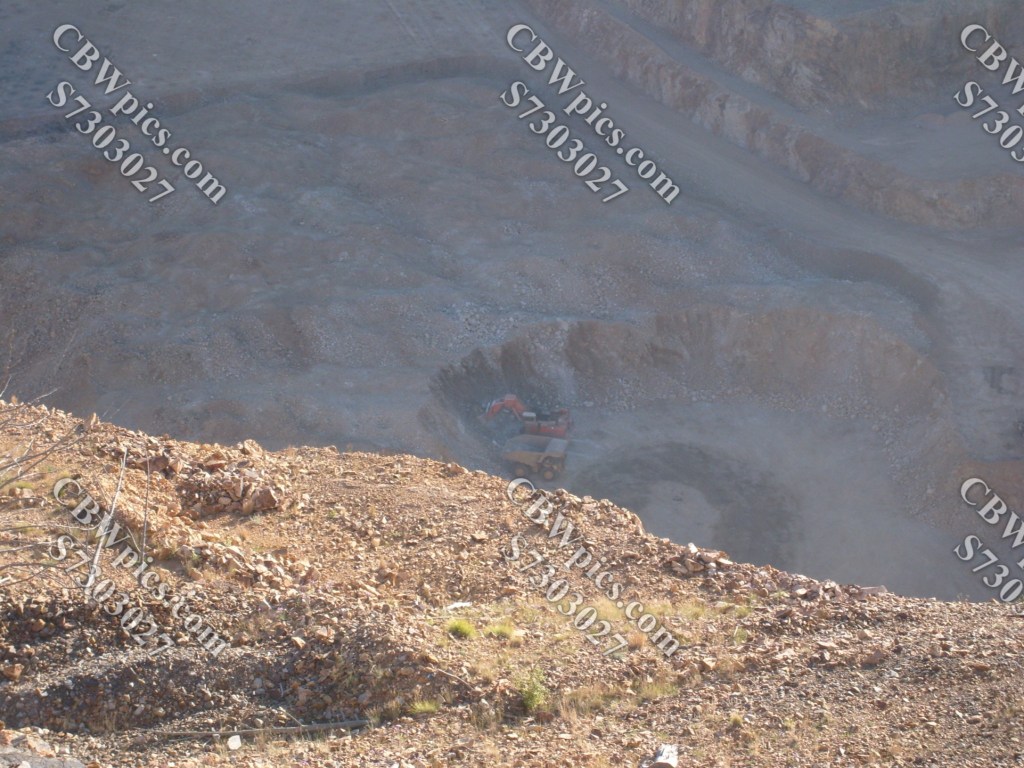
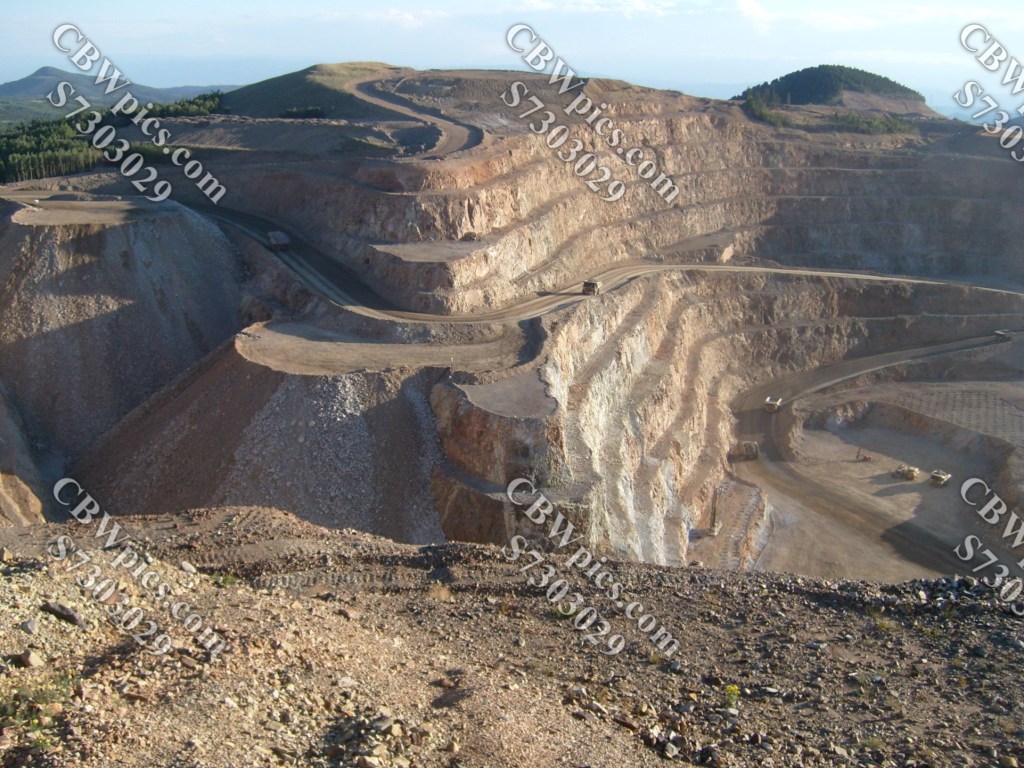
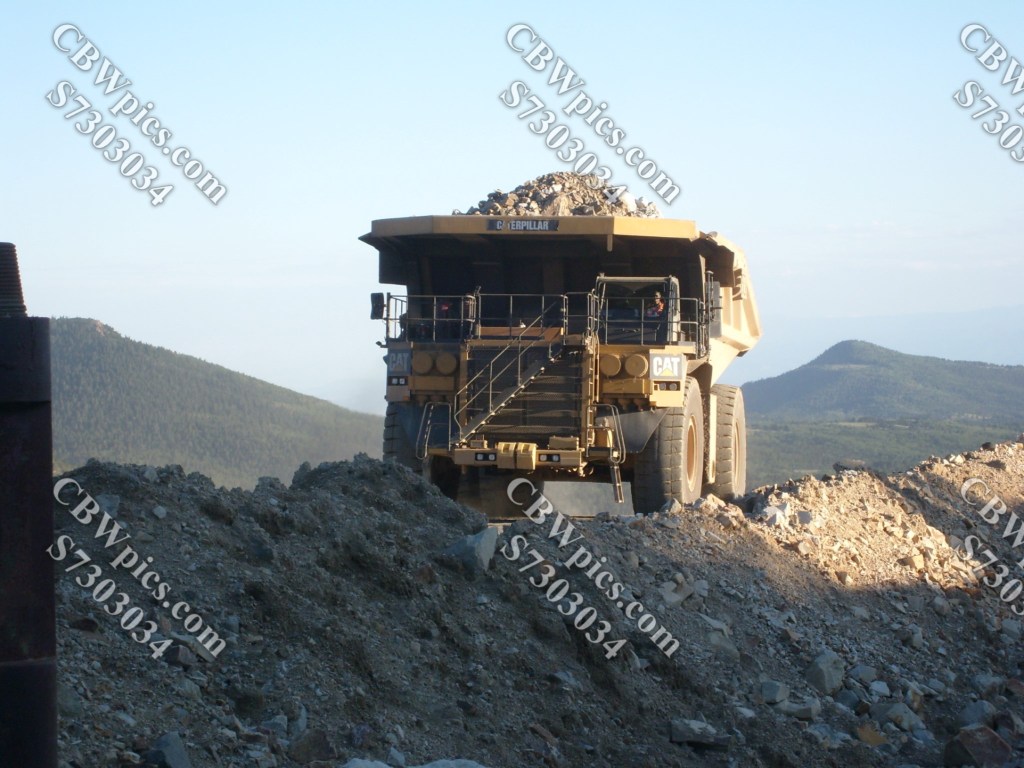

As you can see in the last few photos, the sun was getting low in the sky by this time. It was time for the long drive back home. And so ends this edition of ThrowBack Thursday. Tune in next week, when I’ll return to the west edge of the Denver metro.
 Voyages with Parkinson's