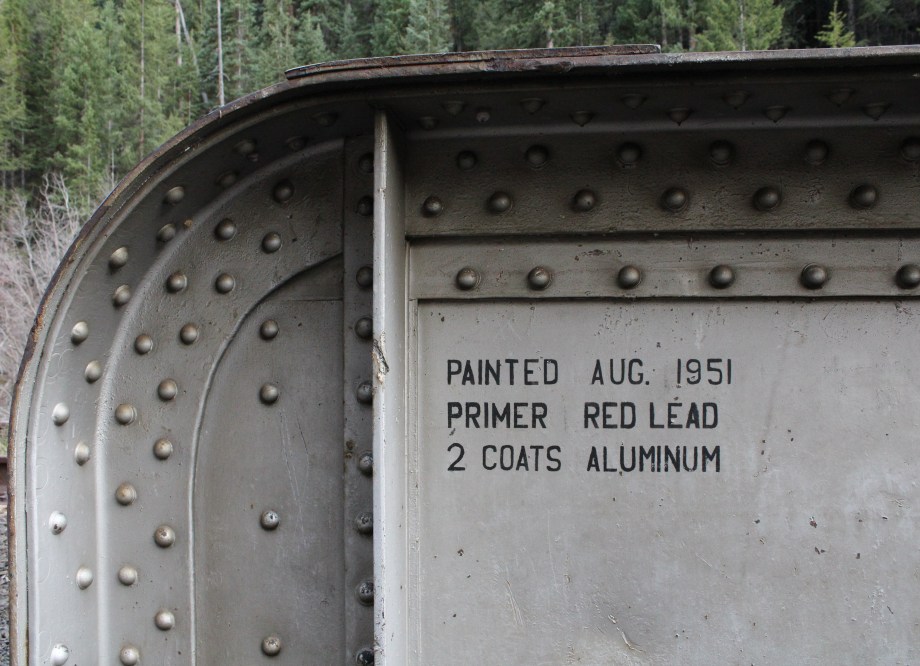
During the spring of 2013, I accepted a job offer that required me to move from Colorado to Charlotte, North Carolina by the end of that year. Knowing that my time in Colorado was limited, and feeling excited about my still-new Good Camera, I proceeded to go nuts photographin’ as much of the state as I could before I had to leave. As a result, my backlog of photos includes a massive, continuous volume from my last year as a resident of Colorado. So, while ThrowBack Thursdays (TBT) have thus far featured a good mix of locales (Arizona, Arkansas, Missouri, and Chicago, among others), I won’t be surprised if TBT ends up being nothing but Colorado for the rest of 2022. But that’s not a bad thing.
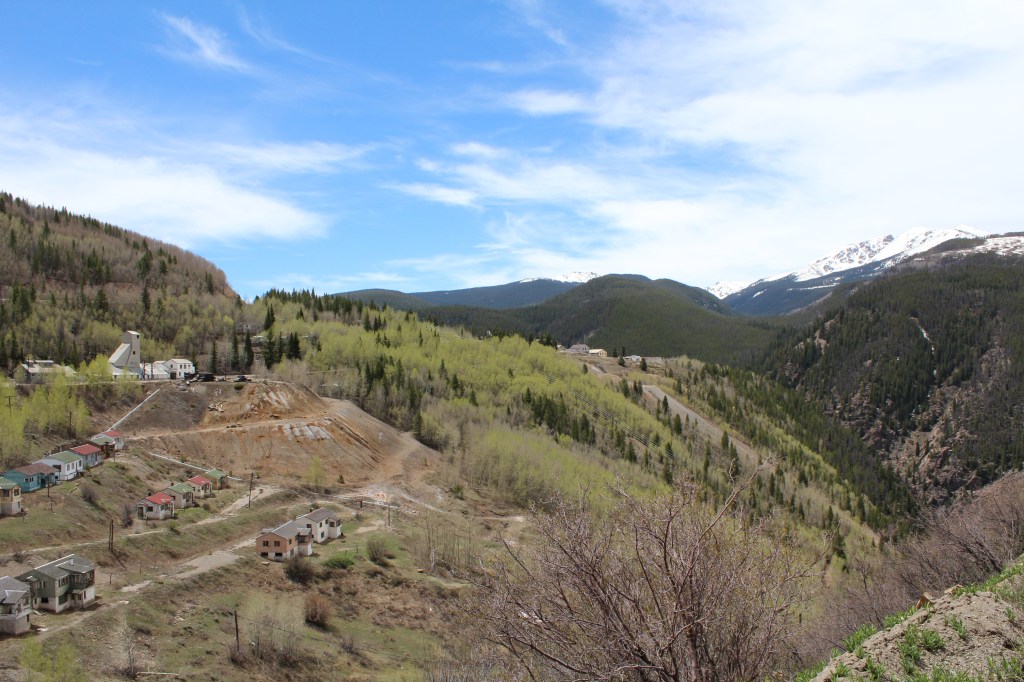
I don’t think I’ve mentioned this before, so I’ll just go ahead and say it outright: I love ghost towns. And today’s TBT takes us to my favorite ghost town: Gilman, Colorado. Part of what makes Gilman my favorite is that it’s the most intact ghost town I’ve visited. I’ll talk more about that in a moment, but the other thing I really like about Gilman is its setting. Check out these views…

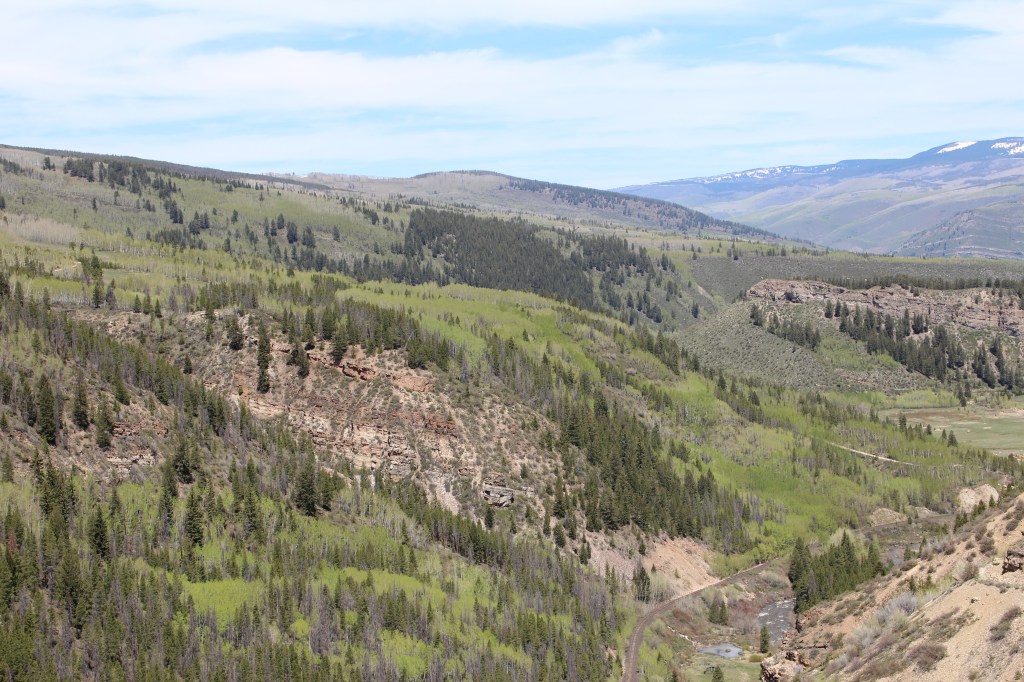
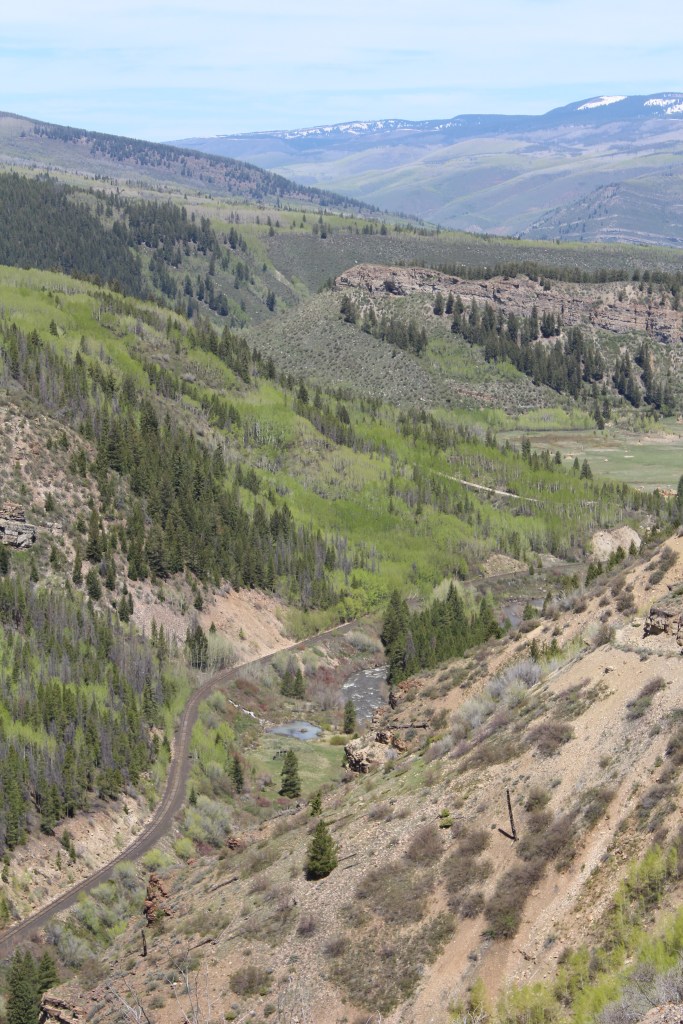

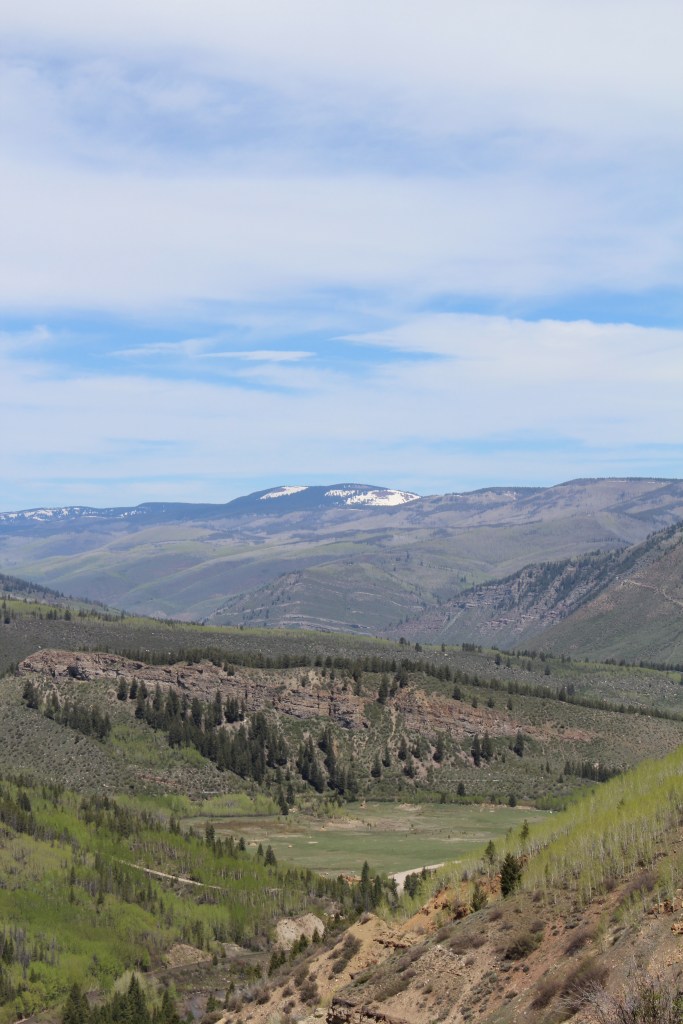

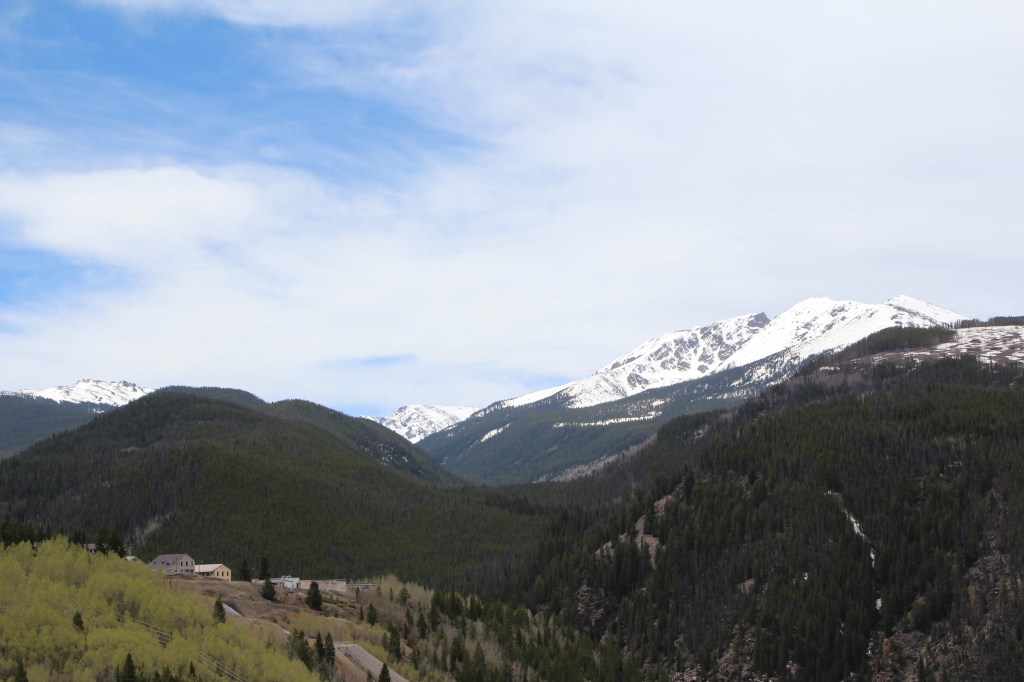

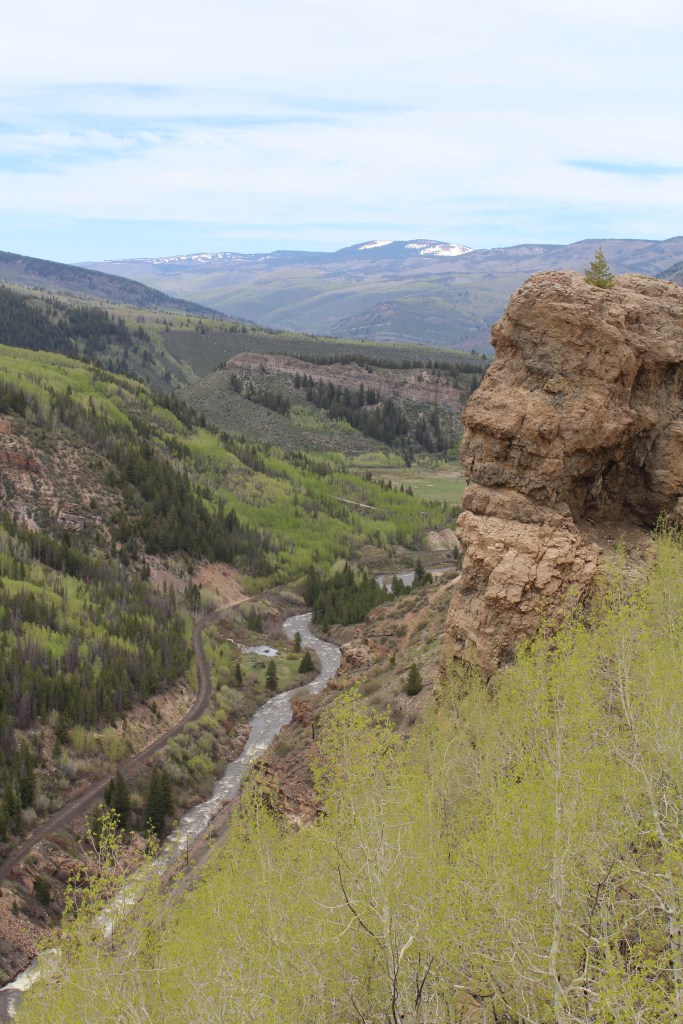

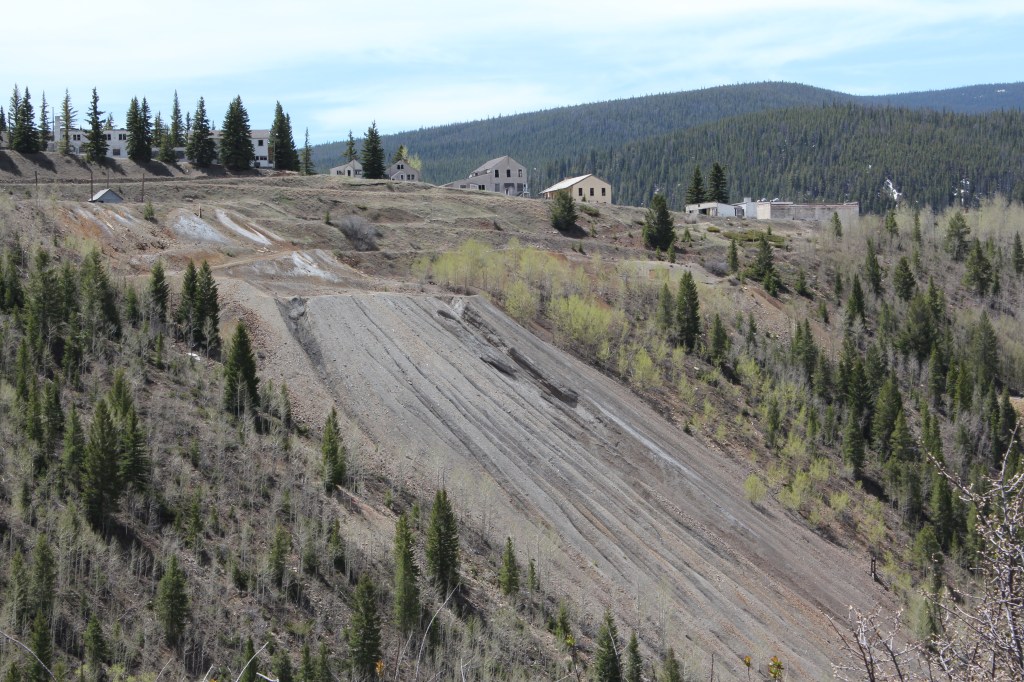
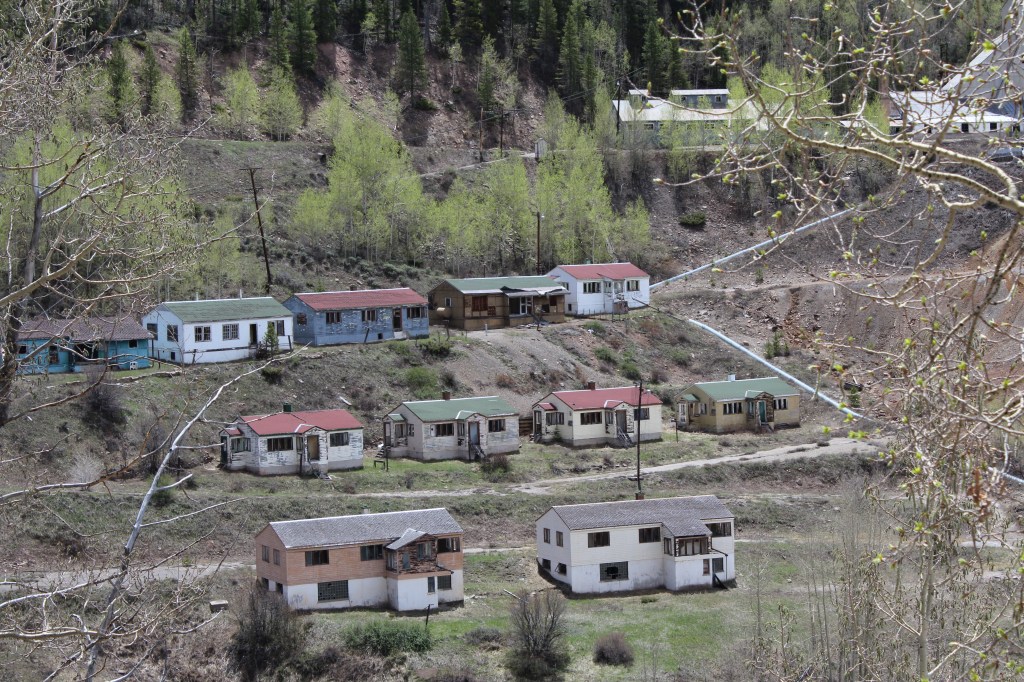
Gilman was founded in 1886 as a silver- and gold-mining town. Around the time of World War I, the mines were bought by a large zinc-mining company. I mentioned earlier that Gilman is the most intact ghost town I’ve visited. This is largely because of the takeover by the zinc-mining company. By the 1940’s, Gilman had become a company town, with many new houses being built in that decade. Thus much of the town was professionally built, using “modern” methods and materials; many other Colorado ghost towns consisted largely of log buildings that were built by their occupants. So Gilman’s buildings can be expected to last longer than those found in other old mining towns. On top of that, they haven’t had as much time to decay. Most other Colorado ghost towns were abandoned well before World War I, and have thus had over a century to decompose. The mines at Gilman (and thus the town) remained in use all the way up until 1985. And even then, a caretaker remained stationed at the town, to protect it from vandals and overzealous explorers such as myself. The bulk of the town sits on a mountain above the Eagle River canyon. Feast your eyeballs on it…

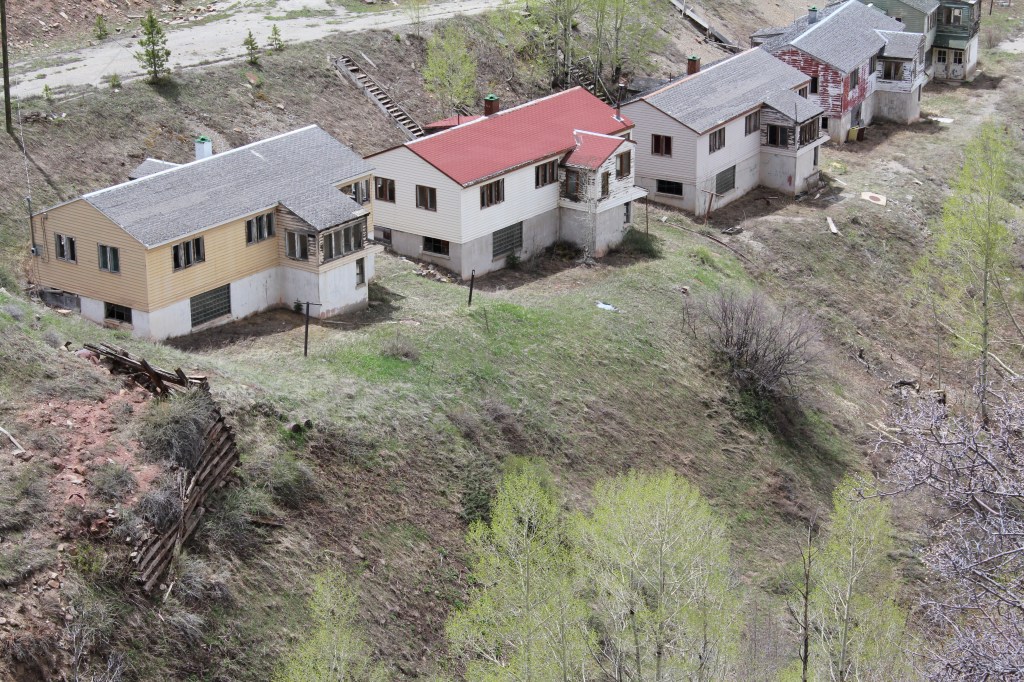
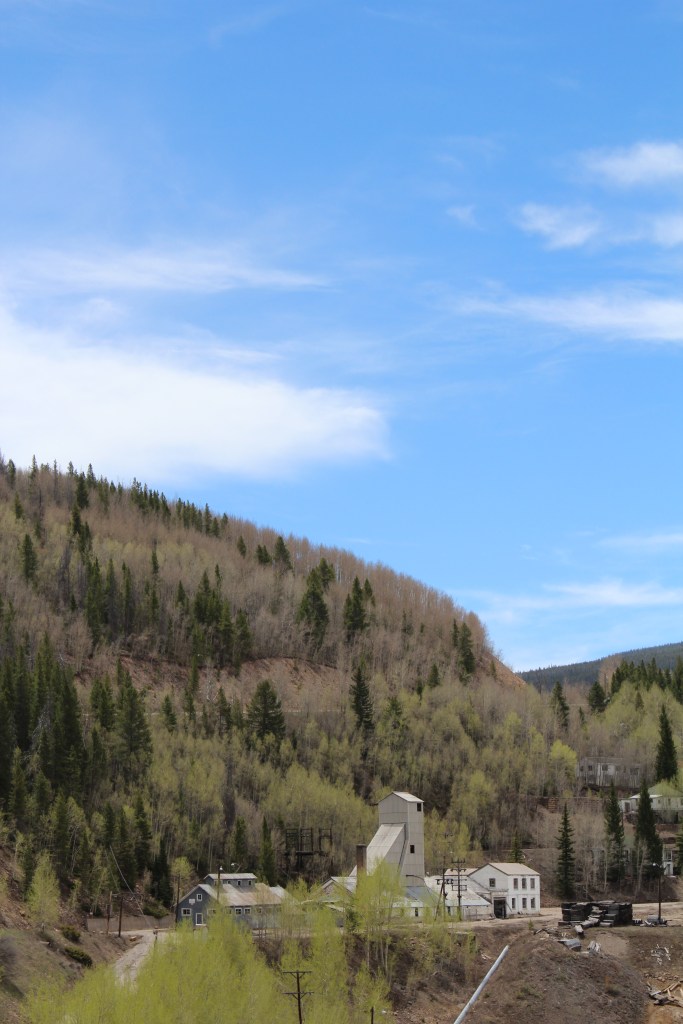
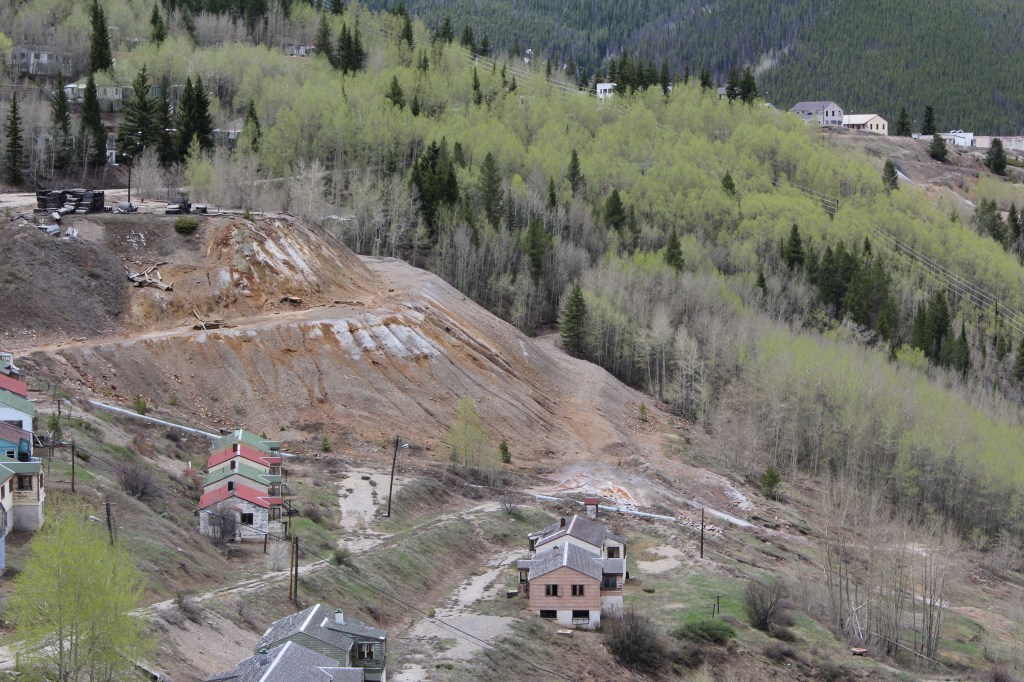
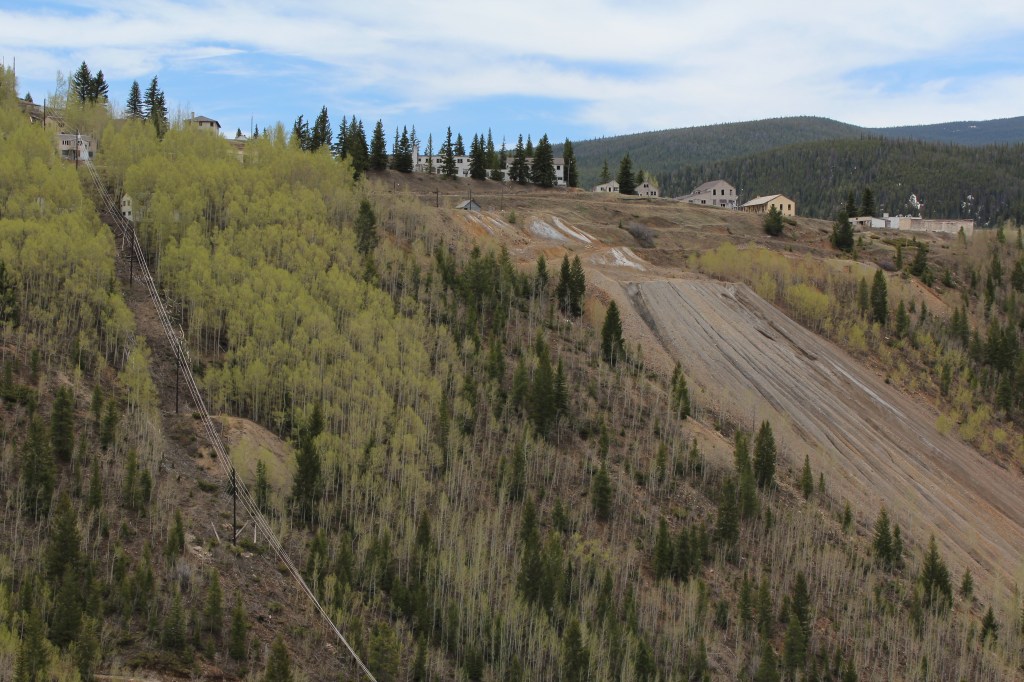

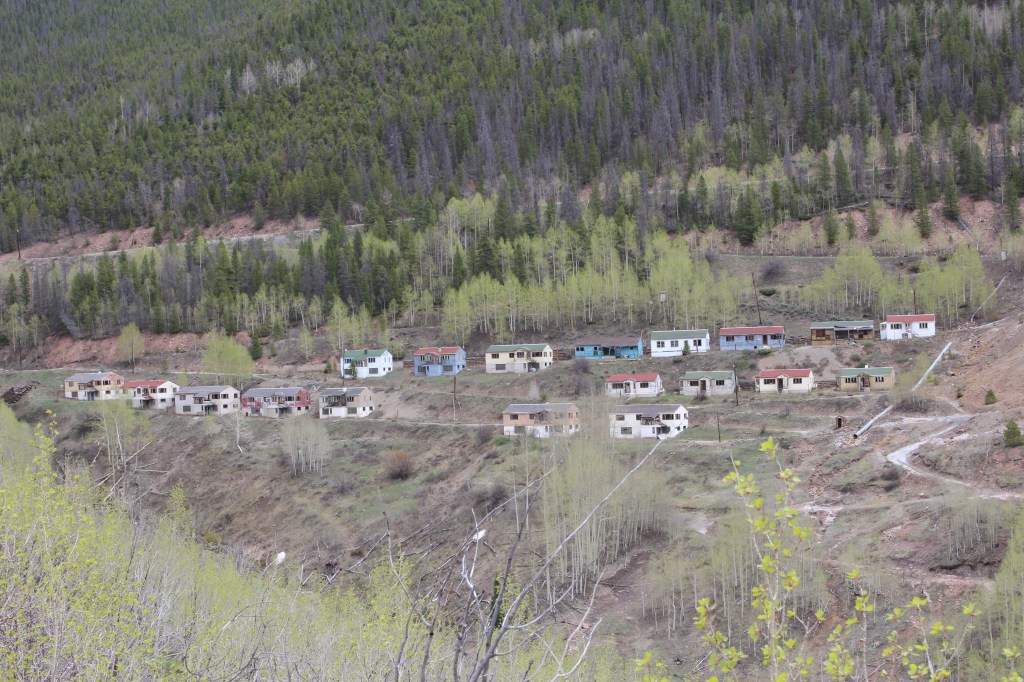
Like so many other mining towns, Gilman was reliant on a railroad. But the only railroad in the area is located on the floor of the Eagle River canyon, six or seven hundred vertical feet below the town. And since the town is fenced off and posted against trespassing, getting down to the old industrial area next to the tracks is not as straightforward as it once was. To get there, I first drove about three miles to my other favorite thing about the Gilman area: the Red Cliff Arch Bridge. According to me, this is the most spectacular bridge in all of Colorado. Completed in 1940, this is not just a bridge; it’s a bridge over a bridge over a railroad and a river. “The Hell,” you say? See for yourself…
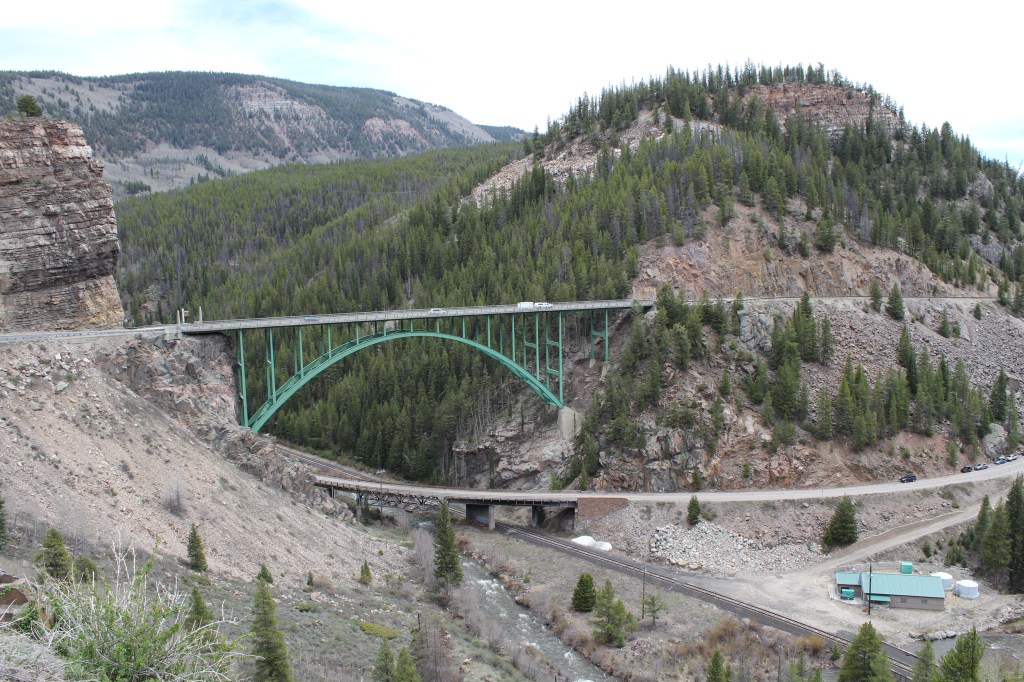
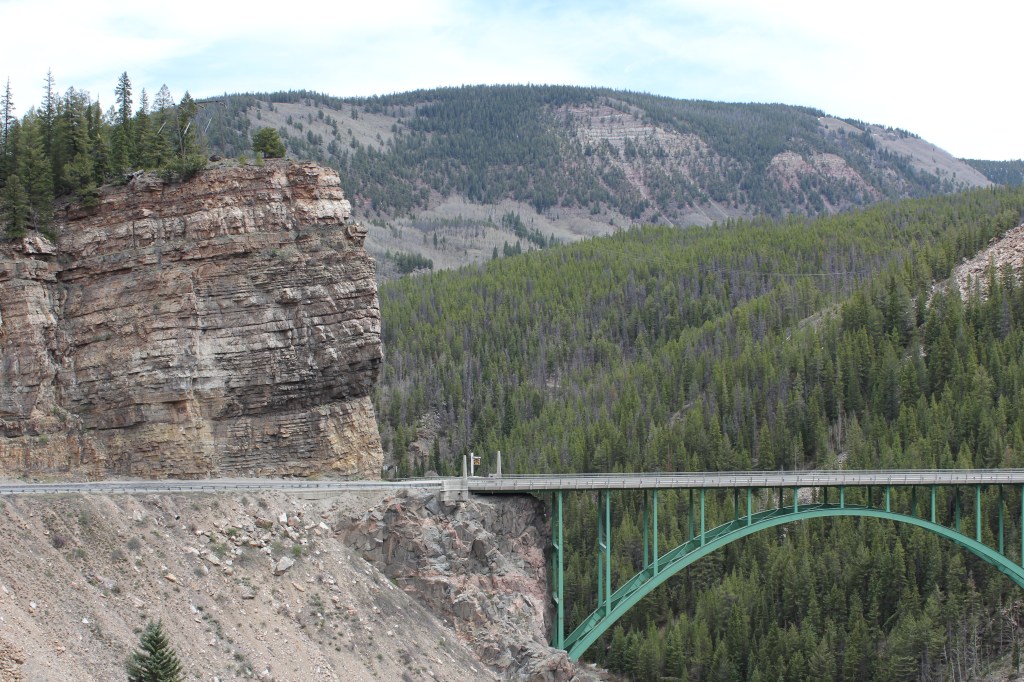
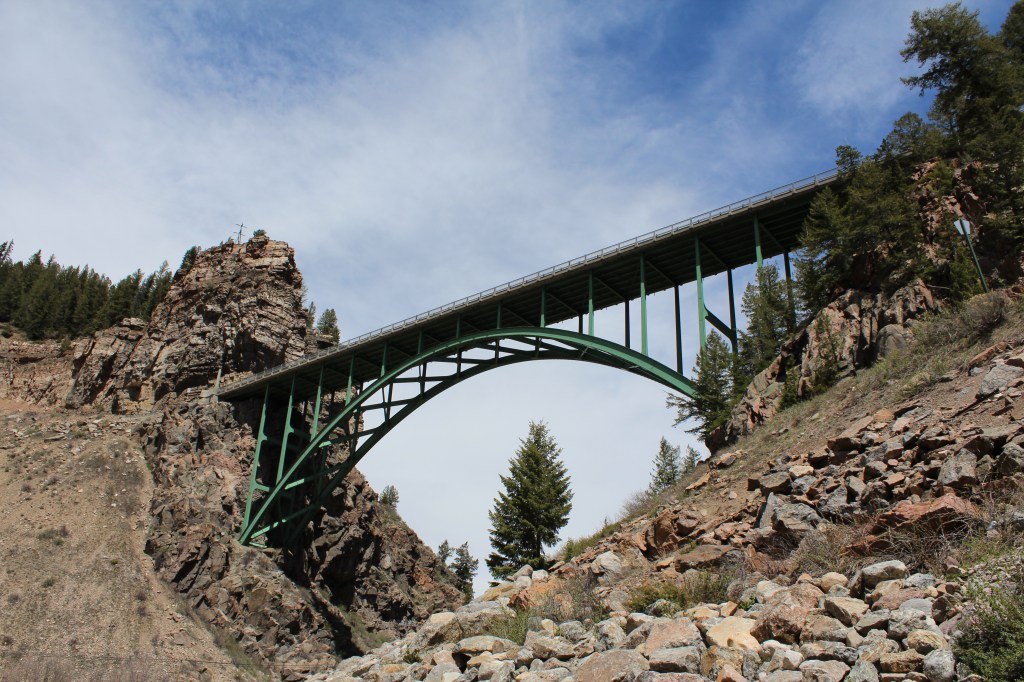

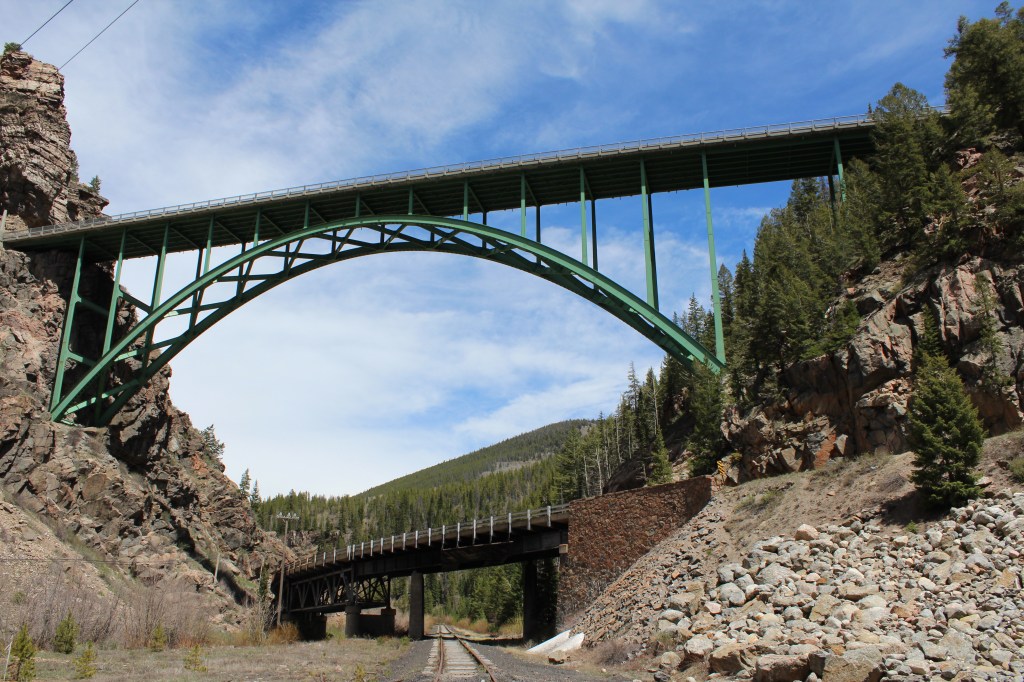
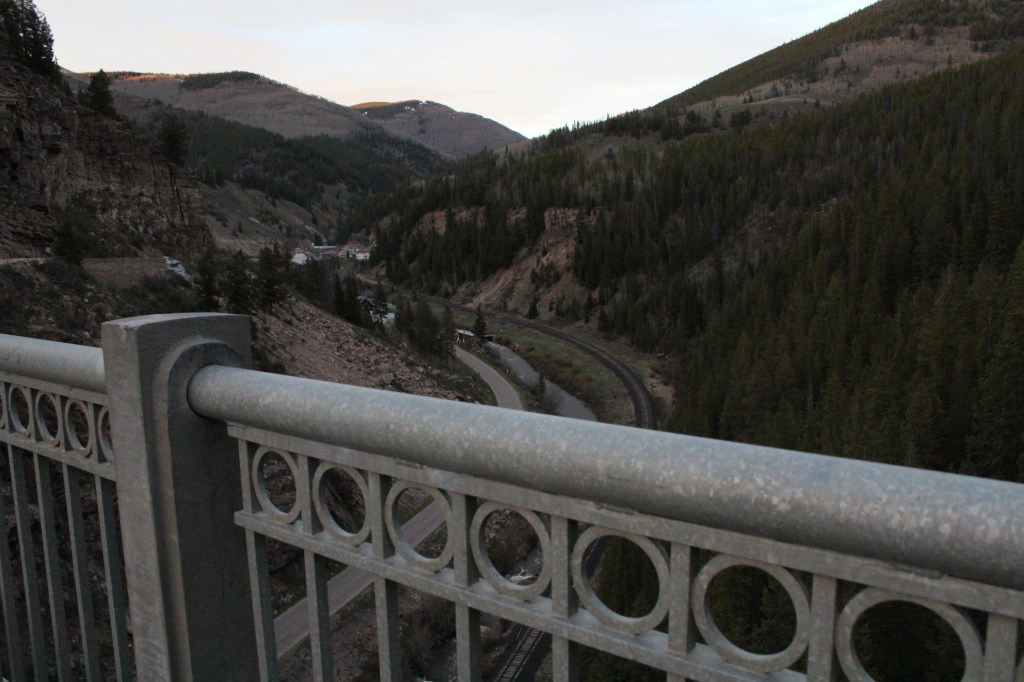
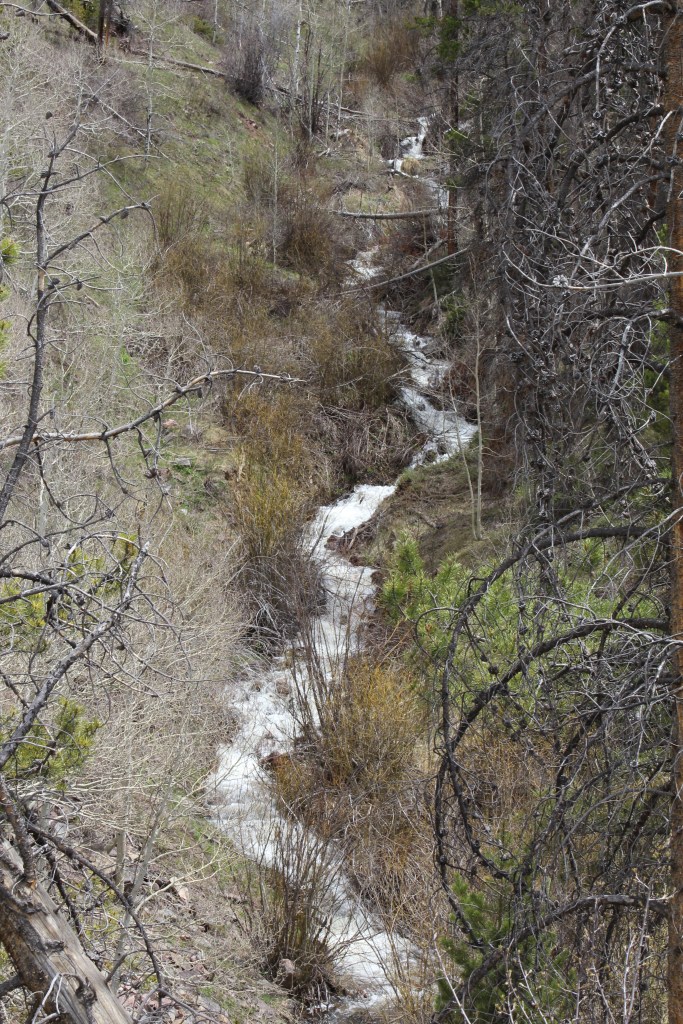
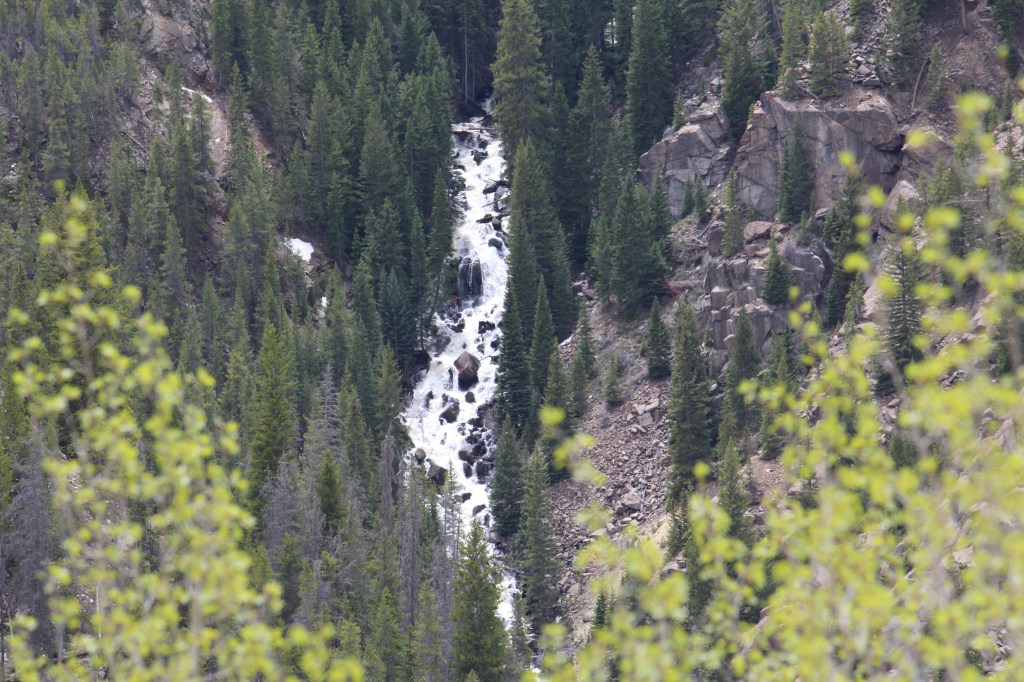
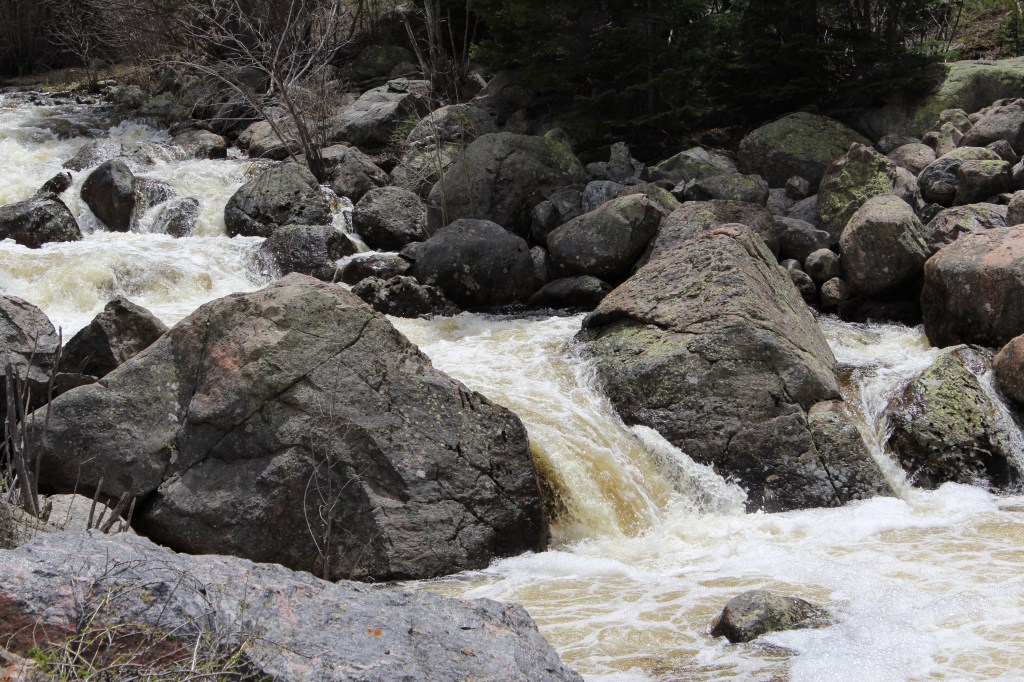
Taking the first right after crossing the Red Cliff Arch Bridge puts you on a road that allows you to drive to the bottom of the canyon in short order, before it curves right, becoming the bridge under the bridge. I parked alongside the road and began my trek down the now abandoned railroad tracks. To tell the truth, I only wanted to get closer to Fall Creek (last photo in the first gallery above). It hadn’t actually occurred to me that the mines would have had a rail link; I didn’t expect there to be an industrial area next to the tracks. I was just on a waterfall hunt…
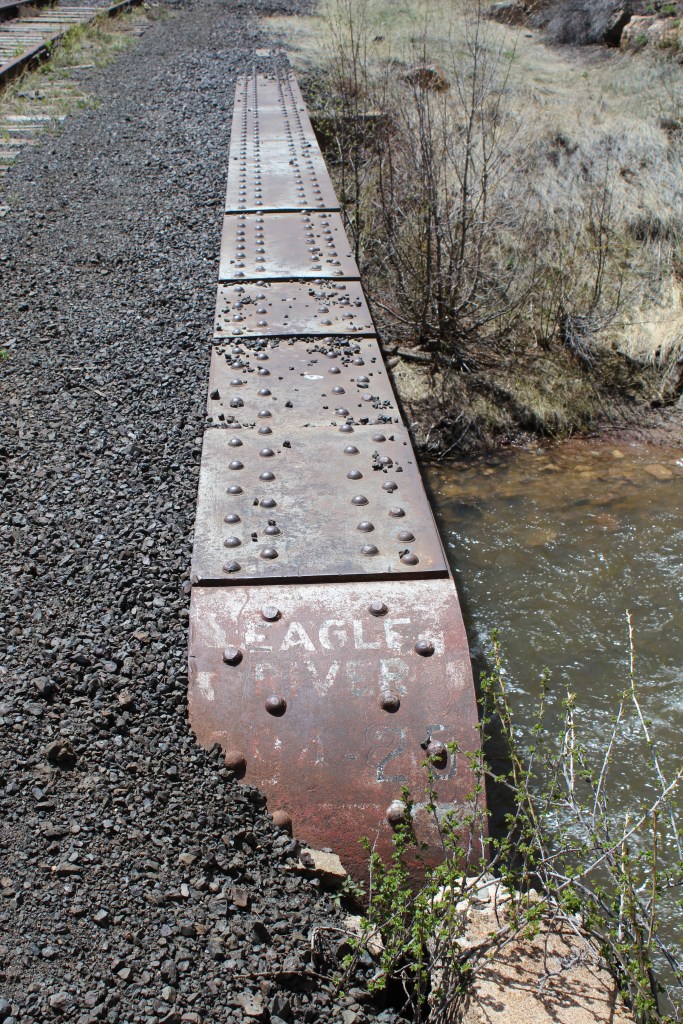
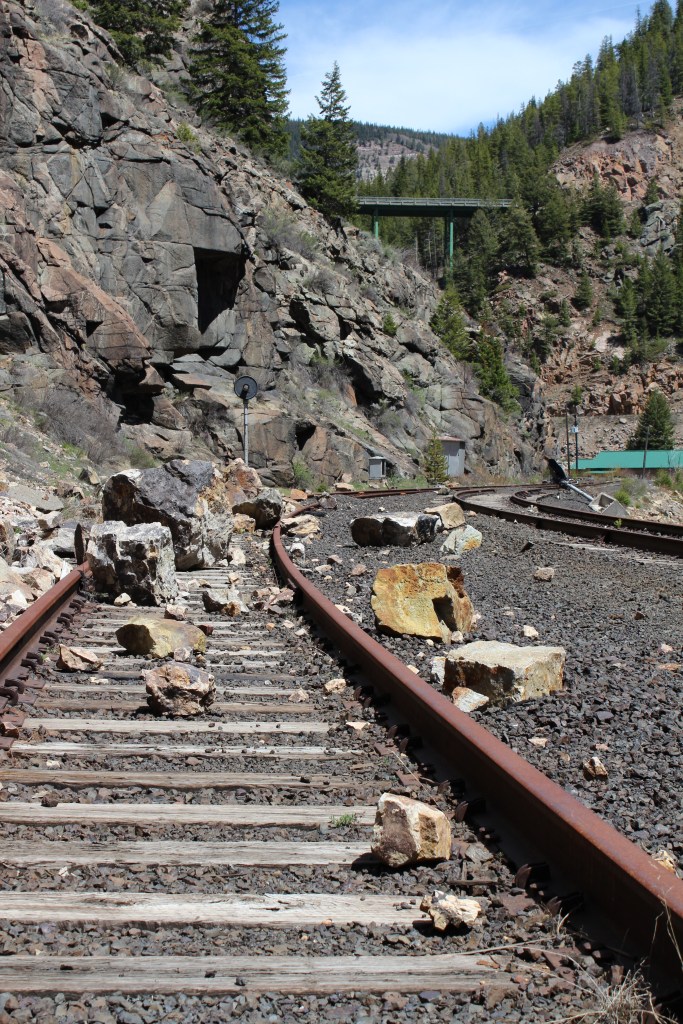
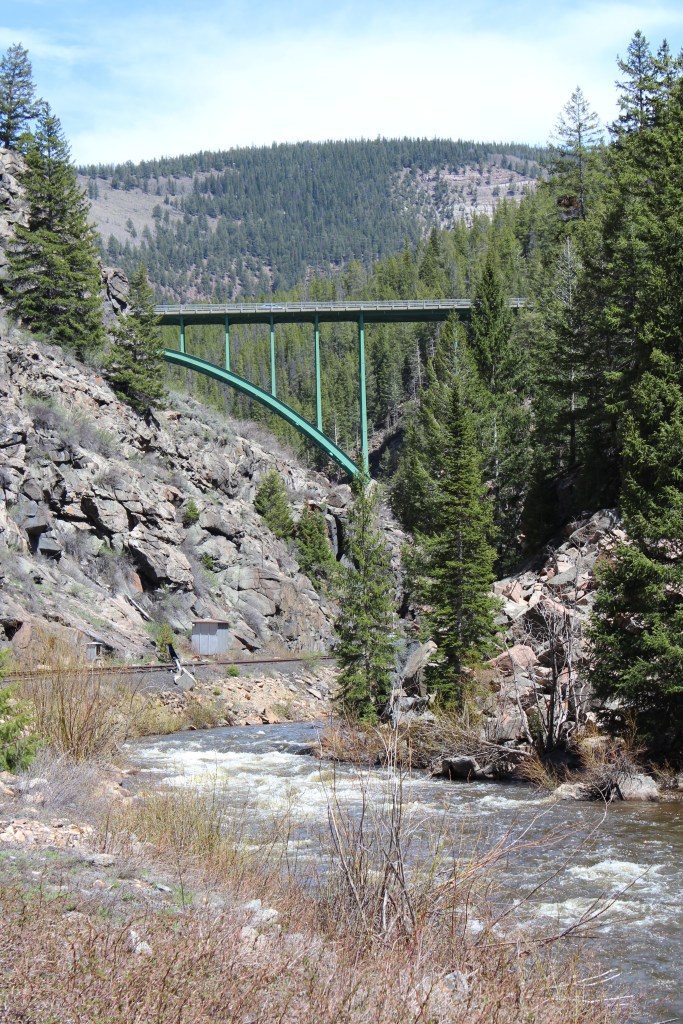
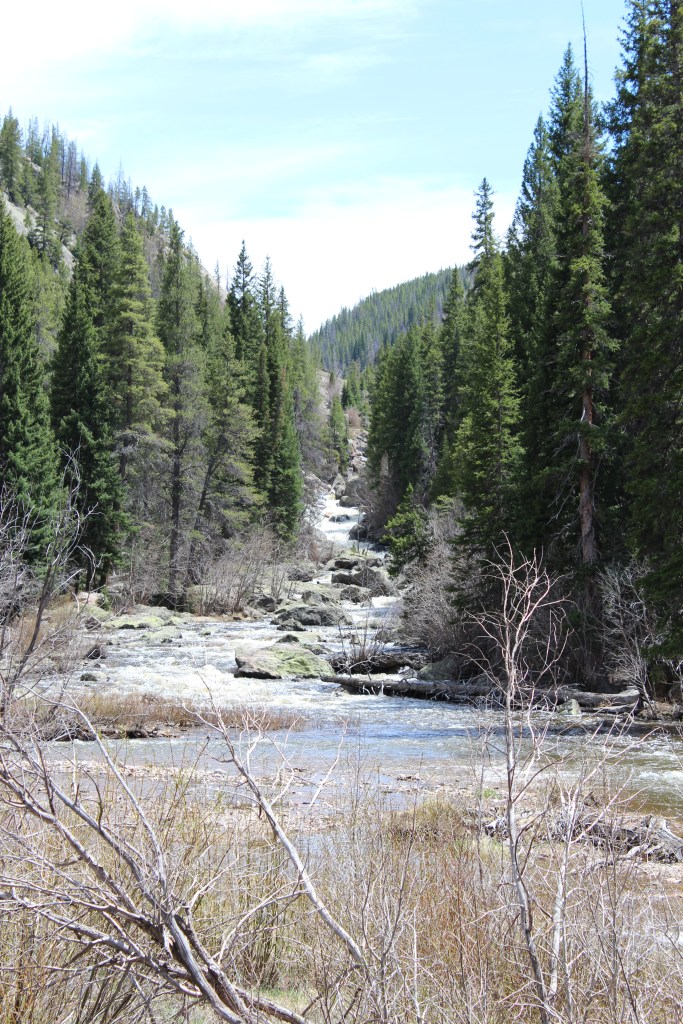
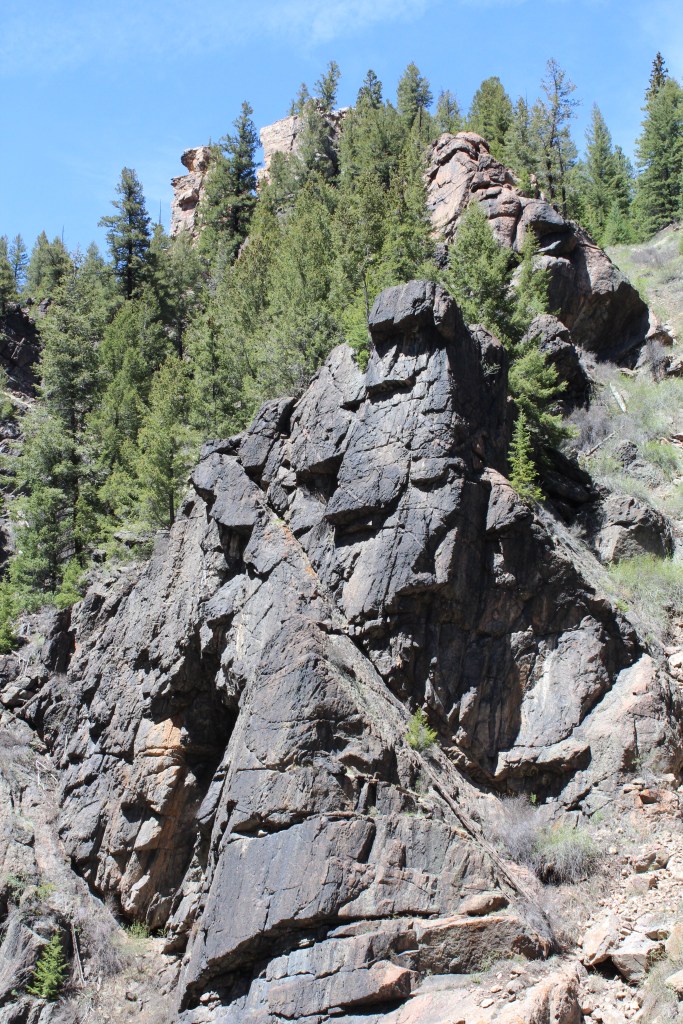
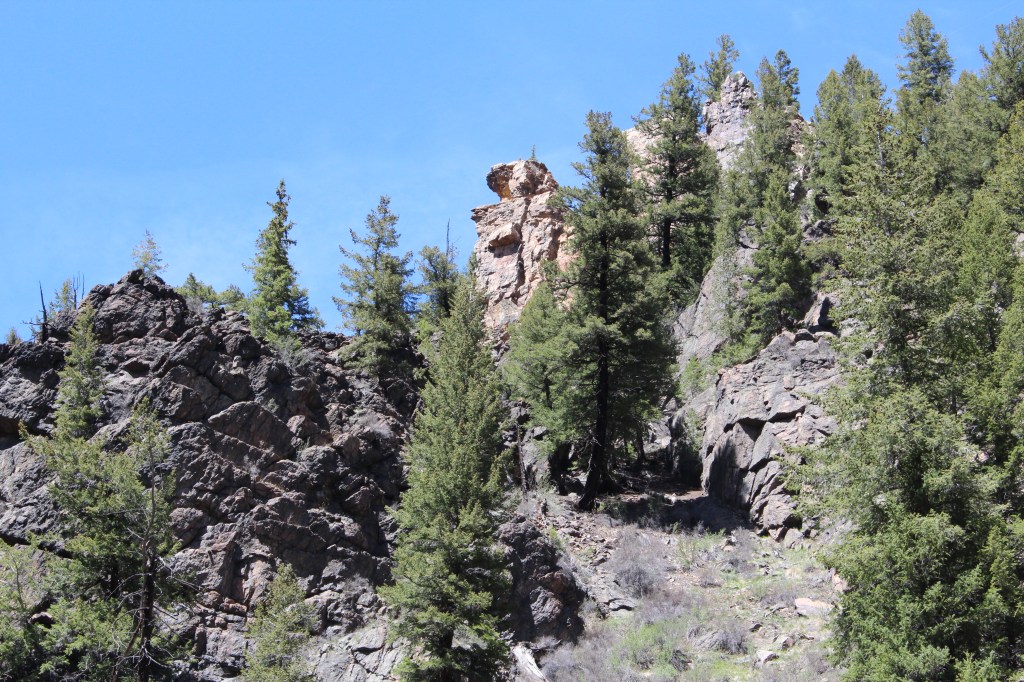
Then the unexpected starting cropping up. Most of what you’re going to see from here on out was a complete surprise to me.
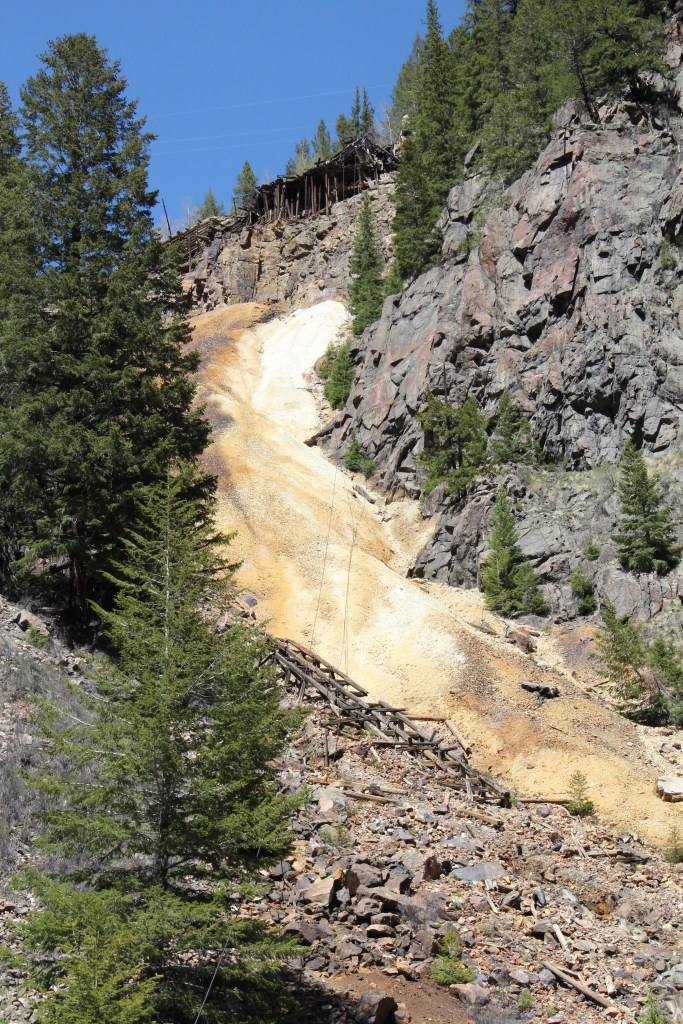
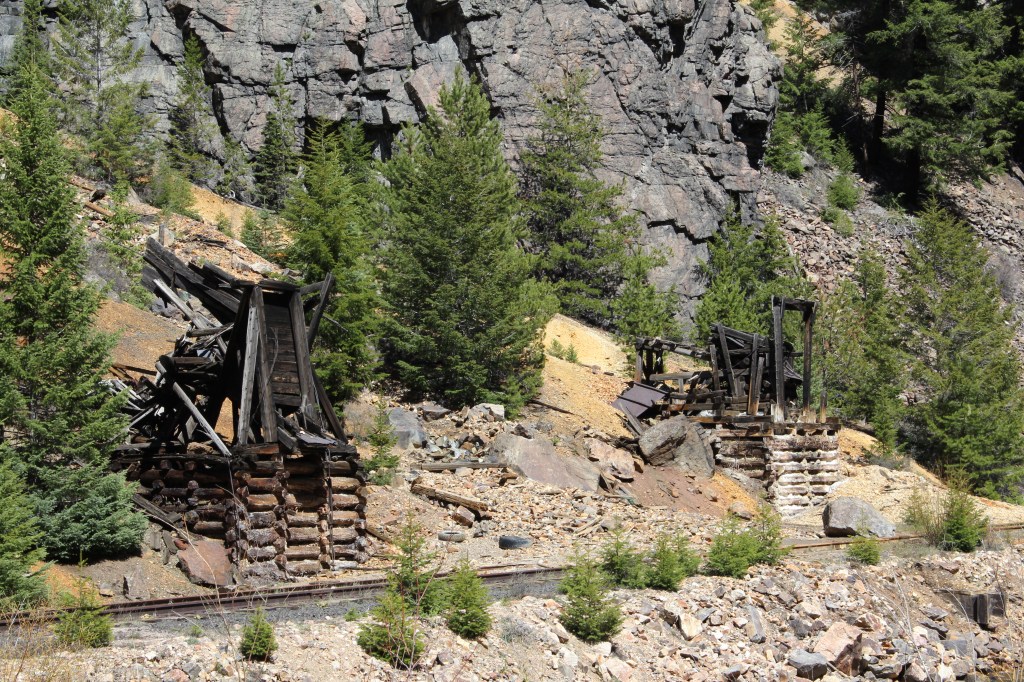
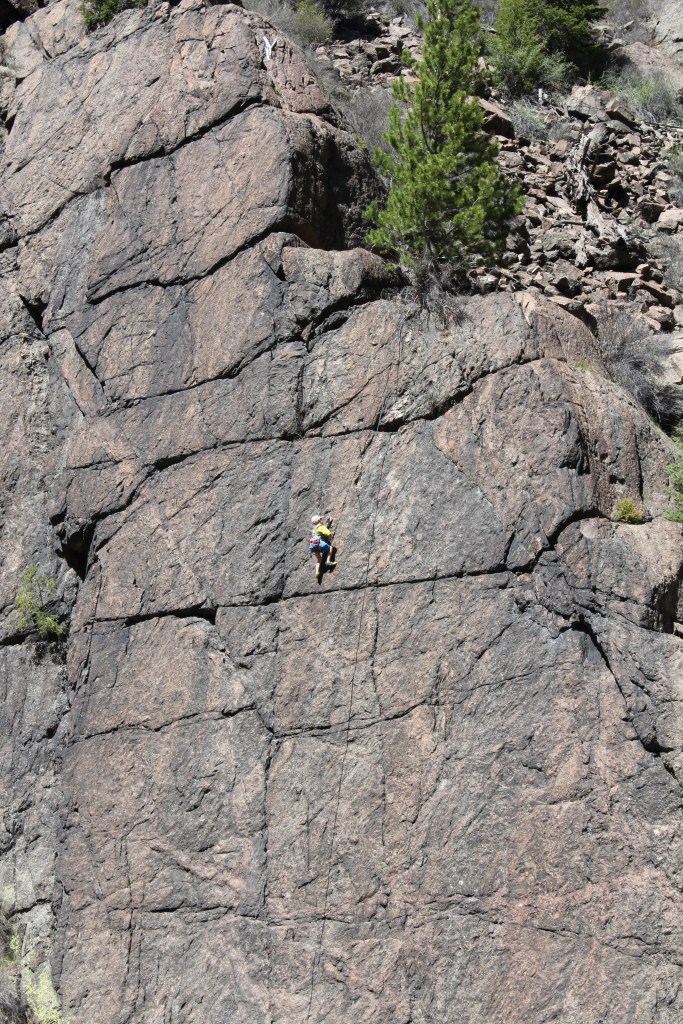

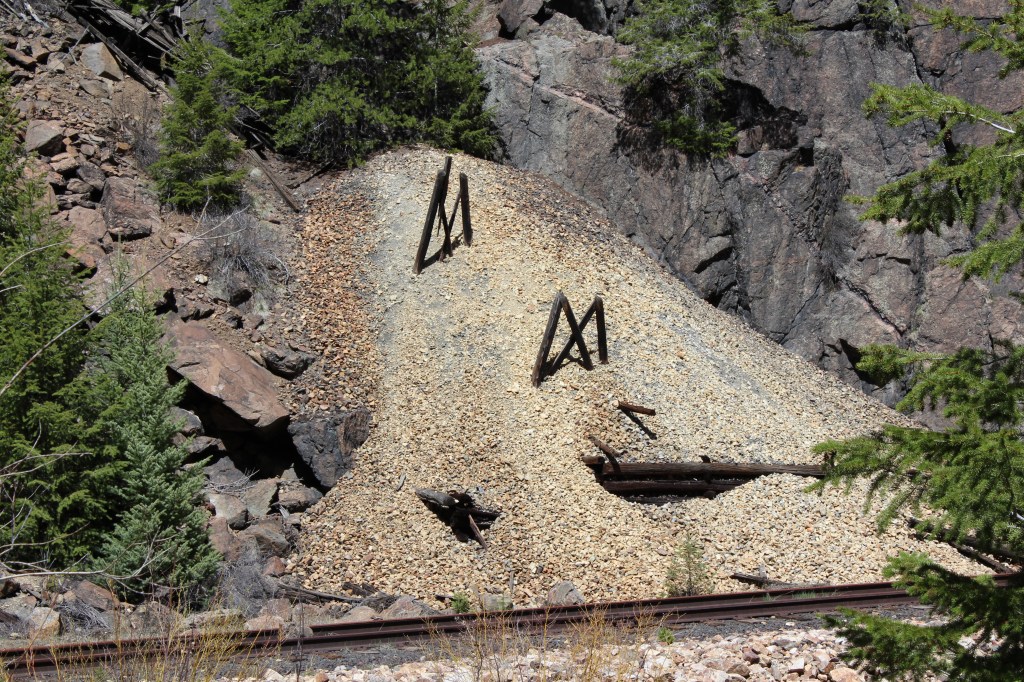
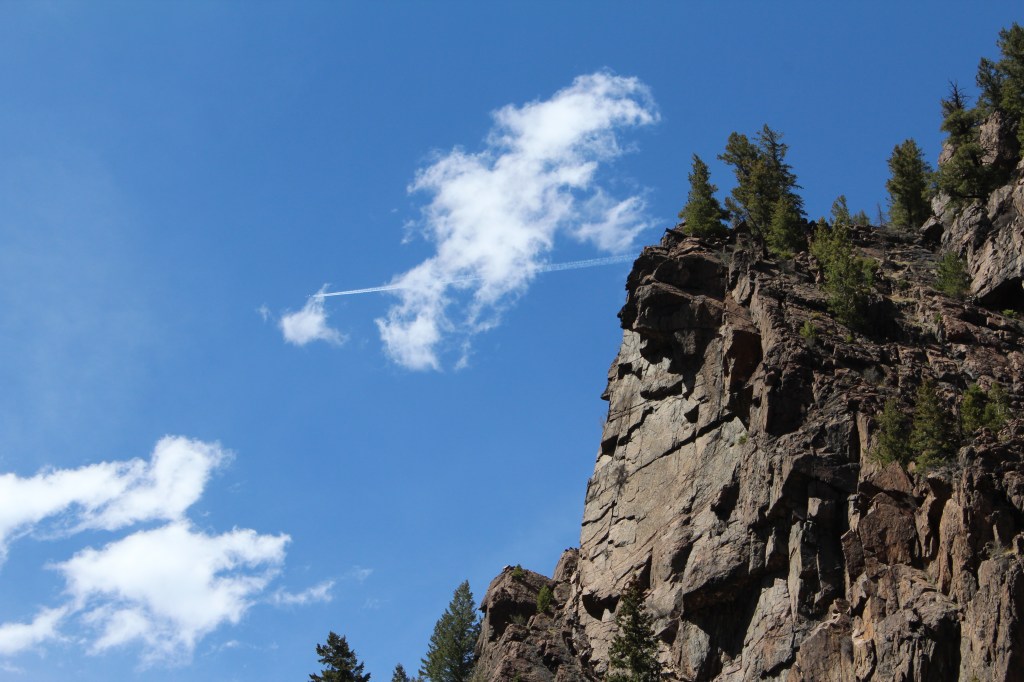
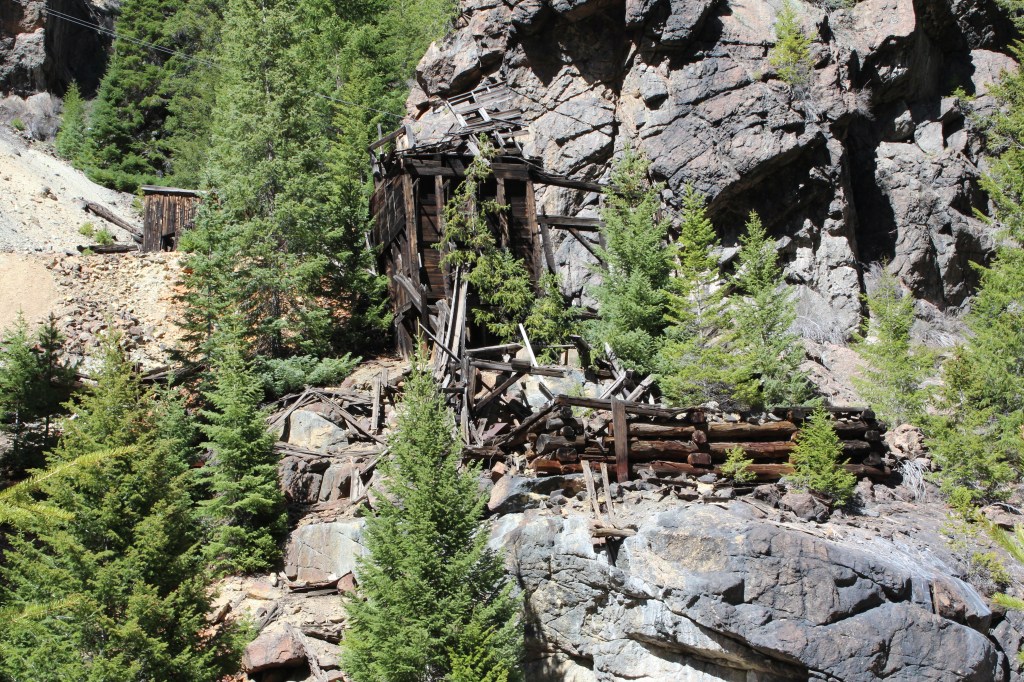
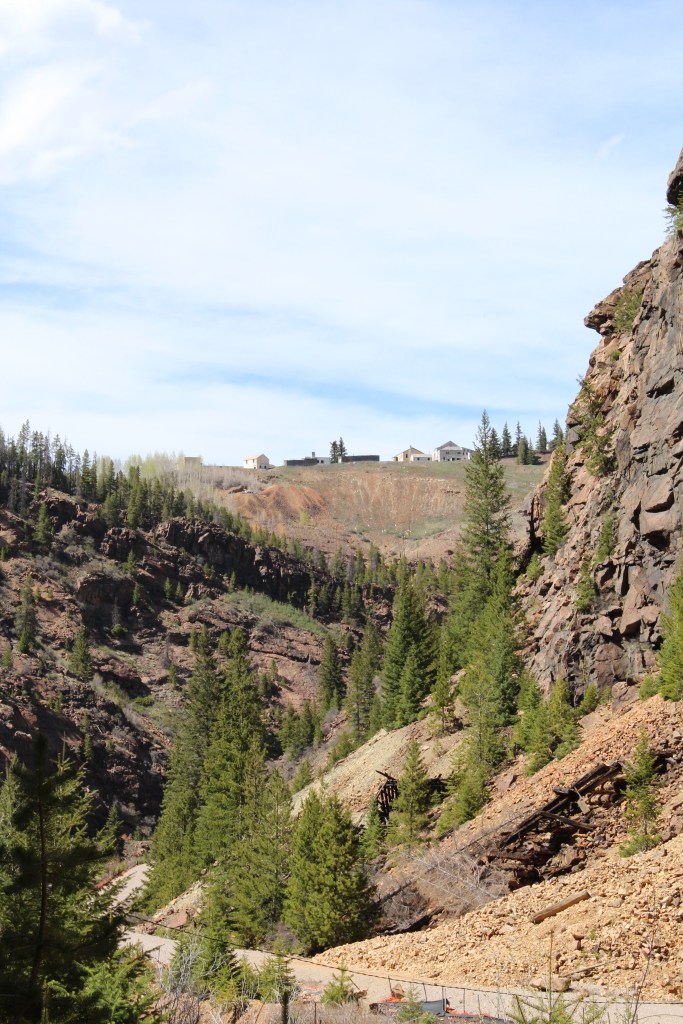
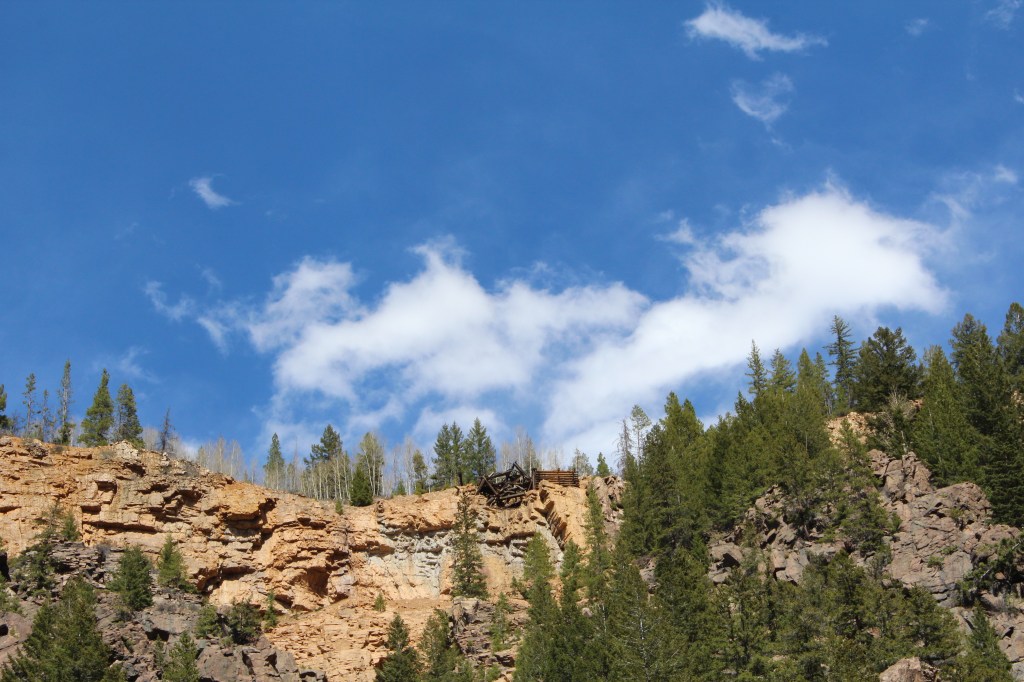
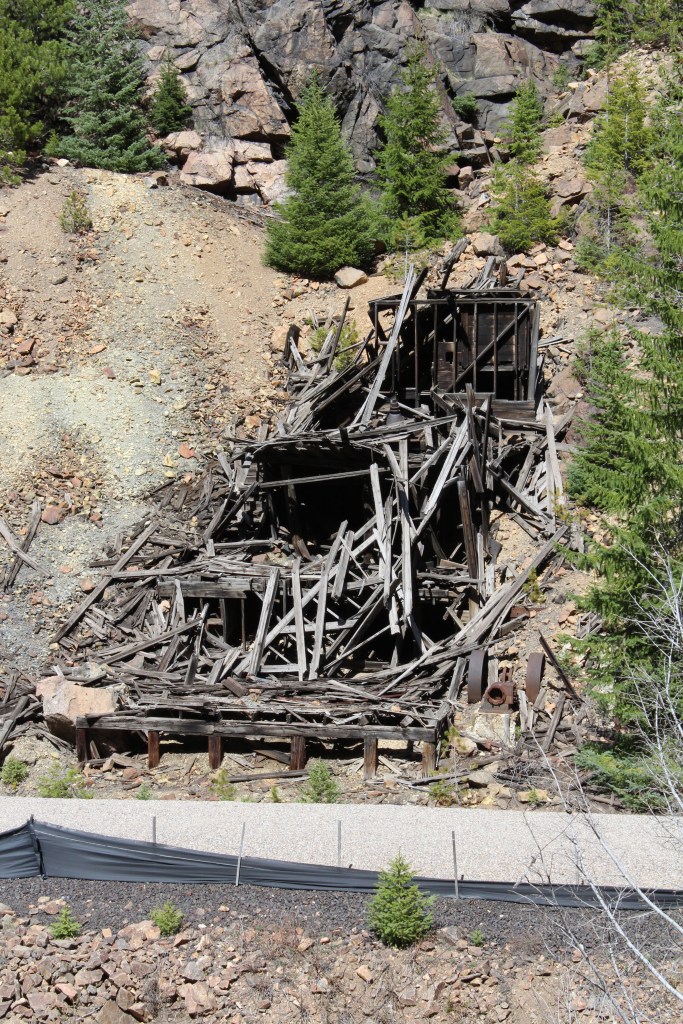

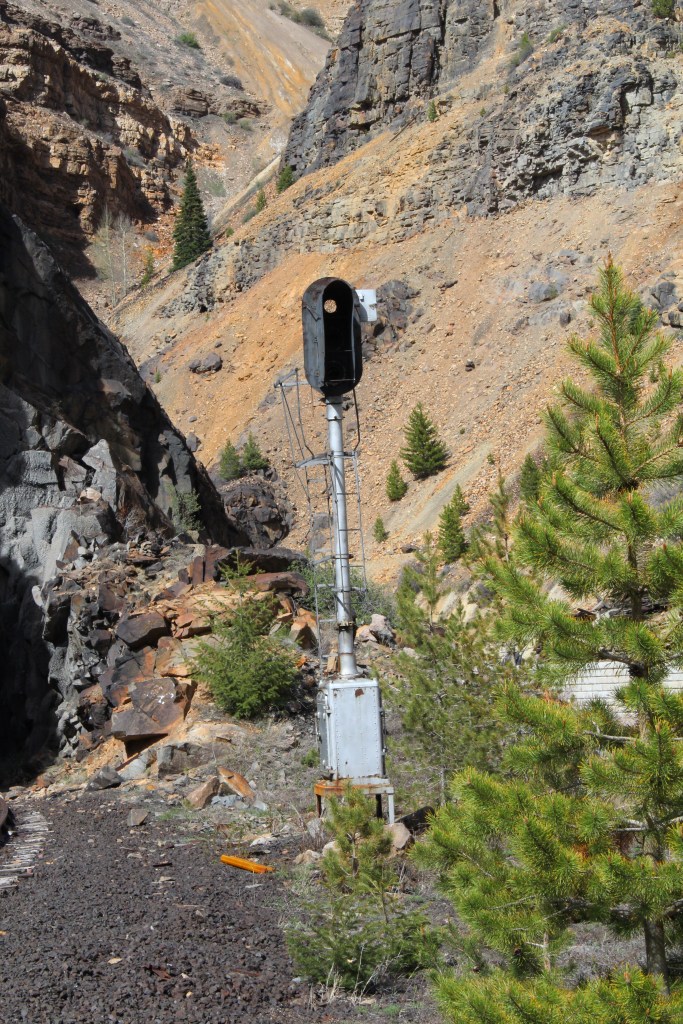
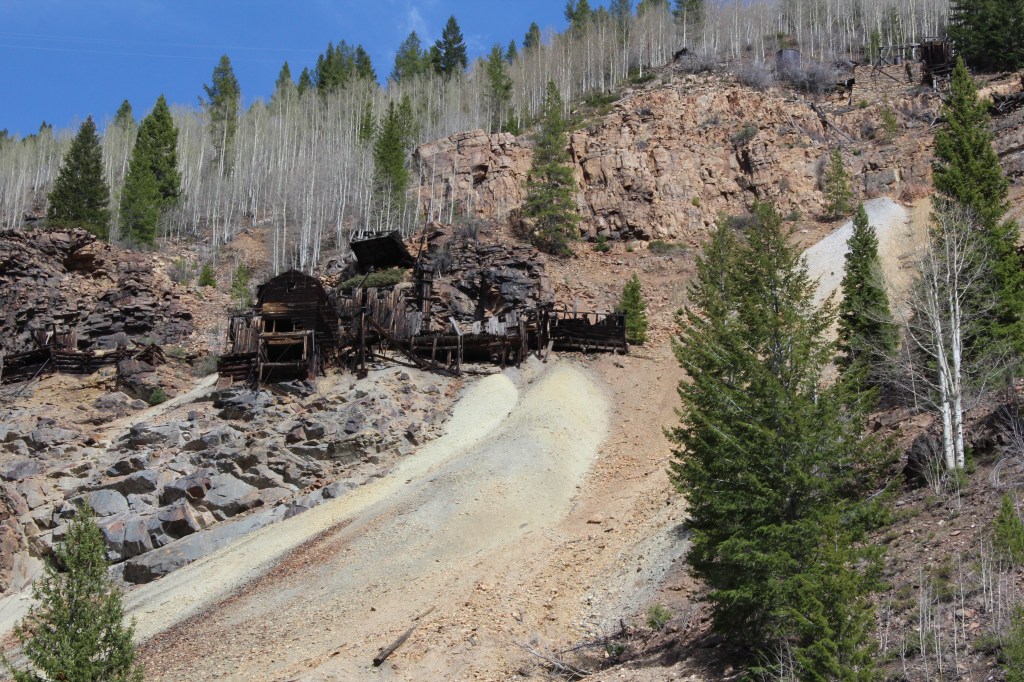
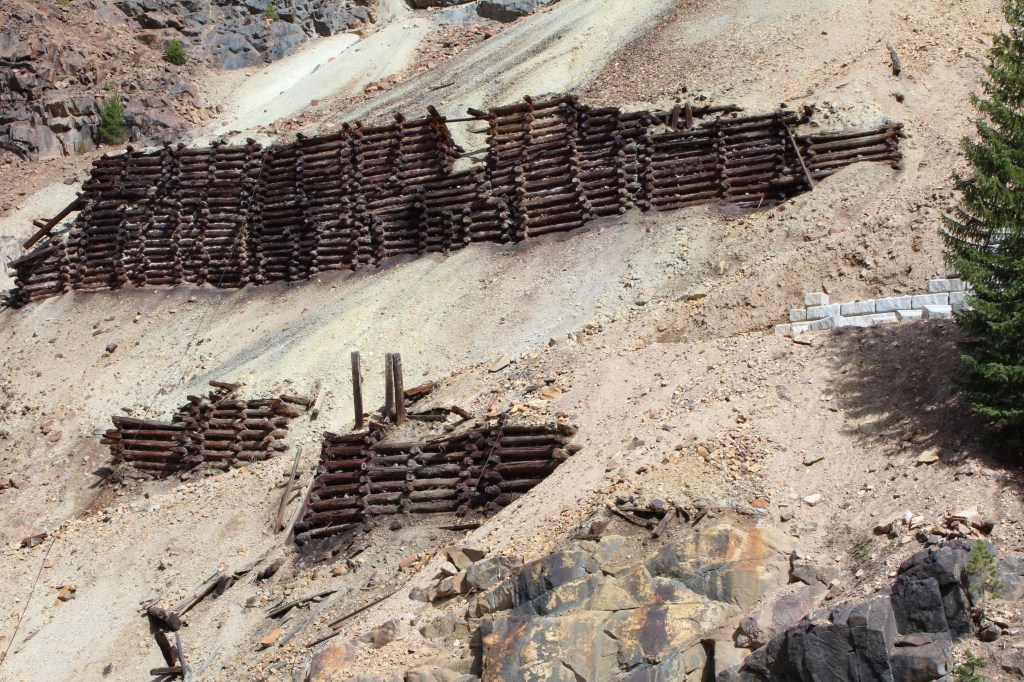
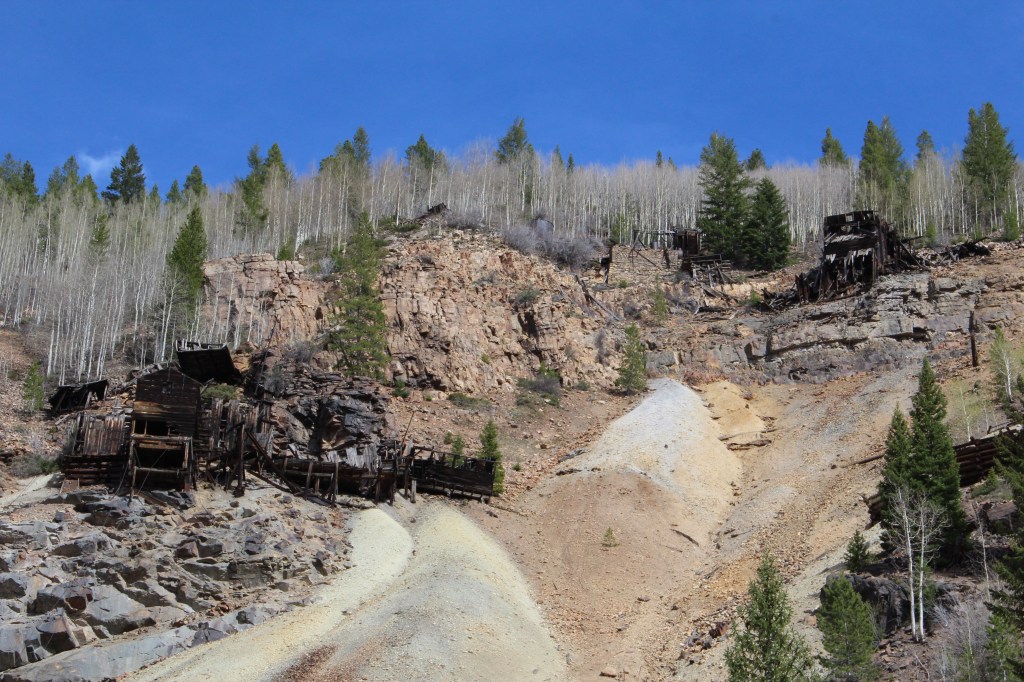
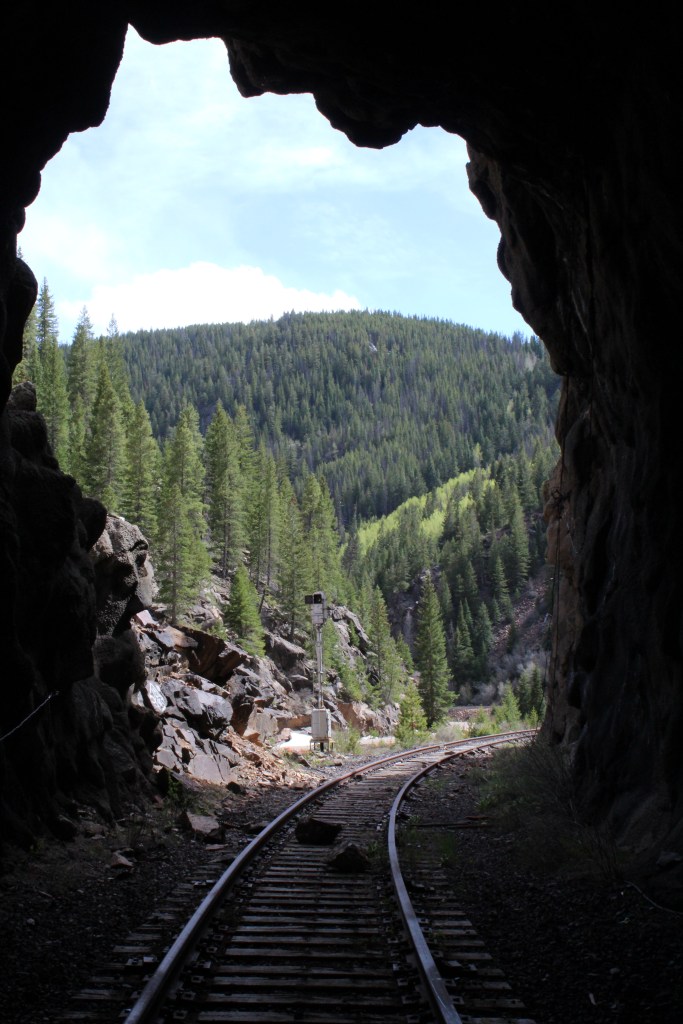
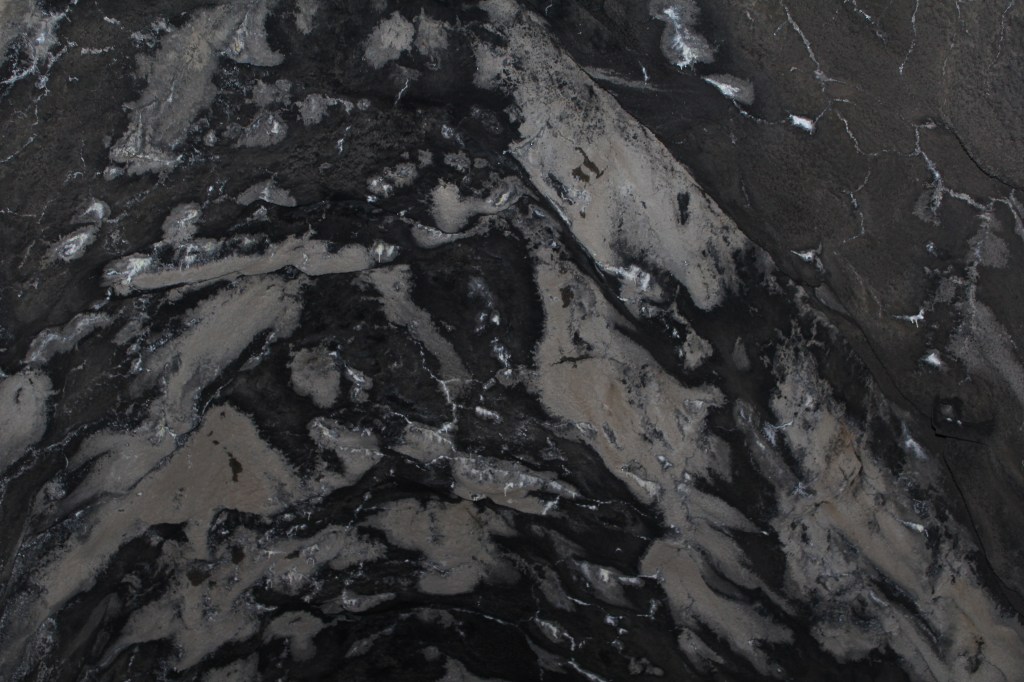
Next I walked through a magical railroad tunnel! Well, it wasn’t really magic – more like science fiction. Y’see, this “tunnel” is actually a wormhole through time. It transported me from unexpected 19th century mine remnants, to unexpected 20th century mine remnants…

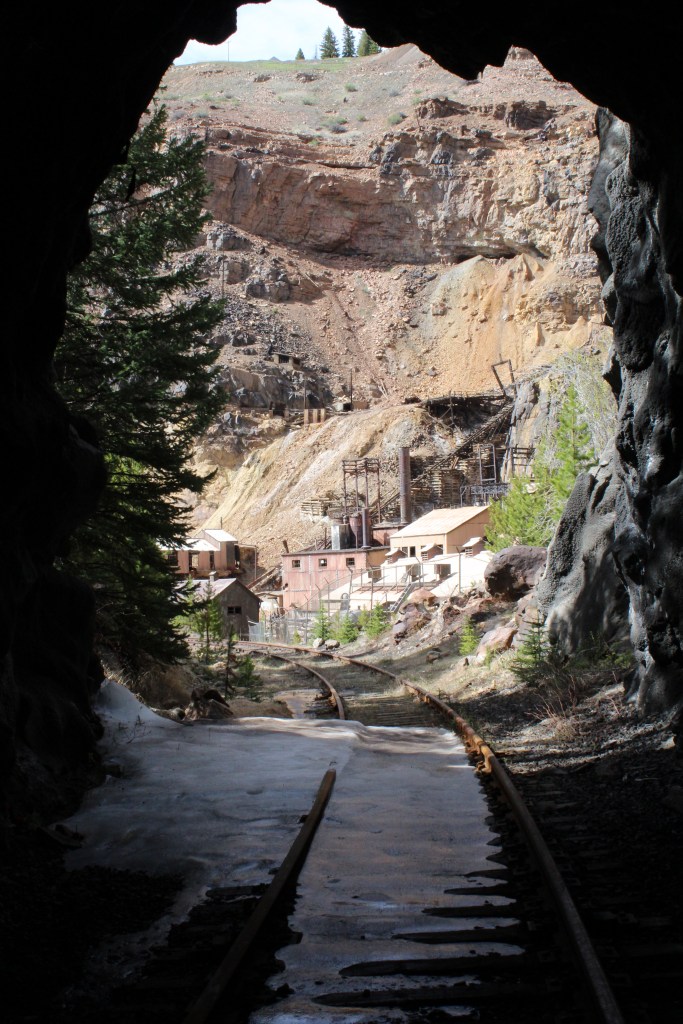
Much like the town itself, the 20th century mining area was much more intact than the 19th century mining area. Many of the buildings looked like they could be rendered useful again with minimal repairs. I even wandered into one of them. Check ’em out…


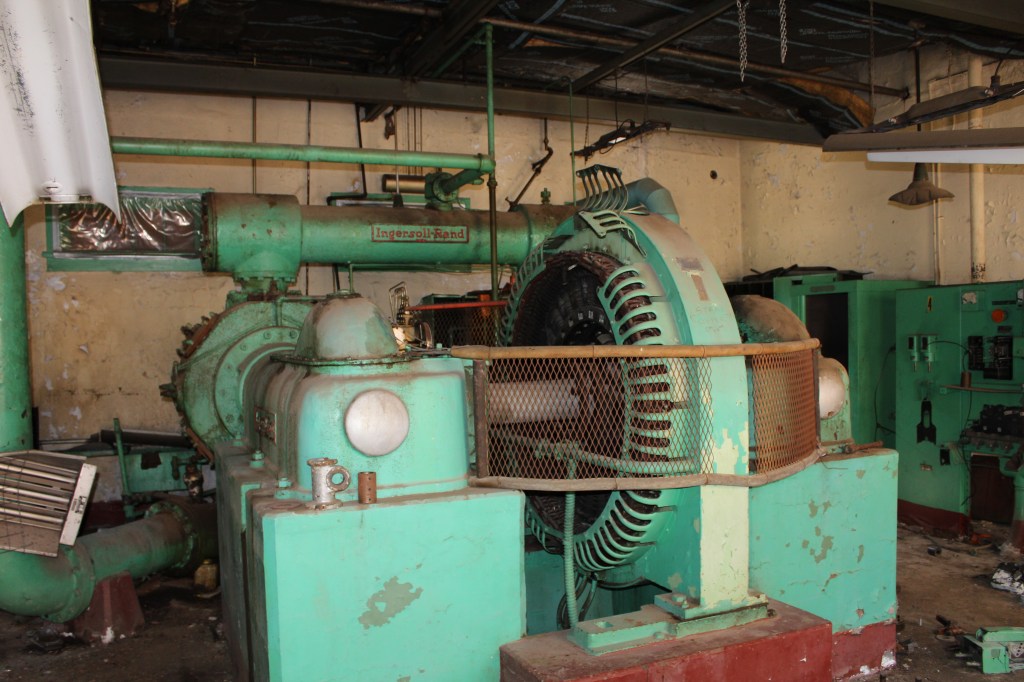
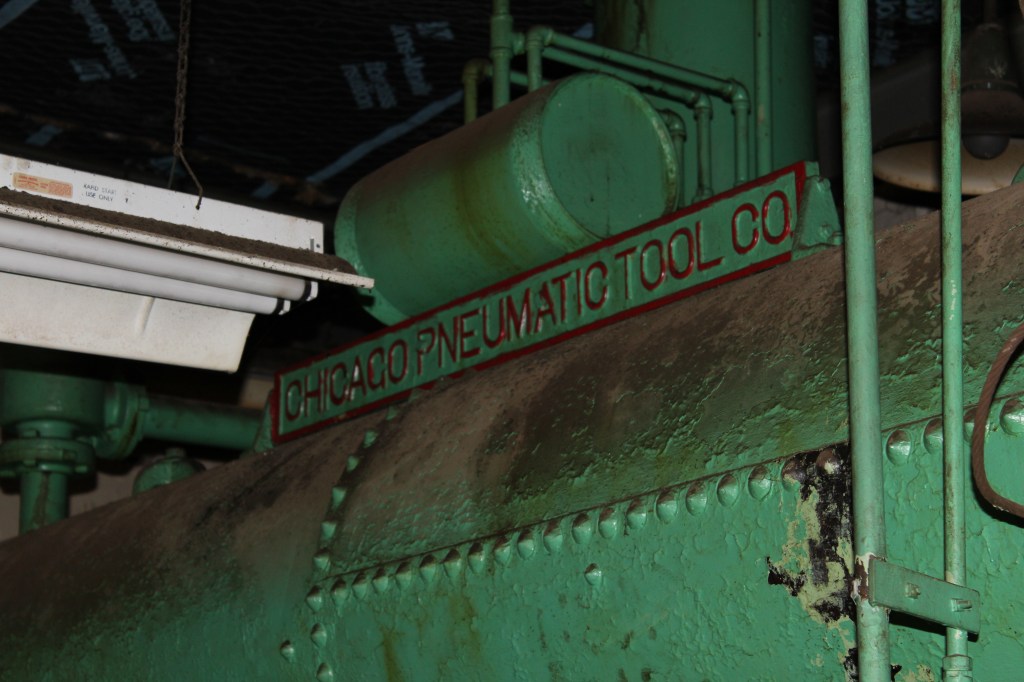
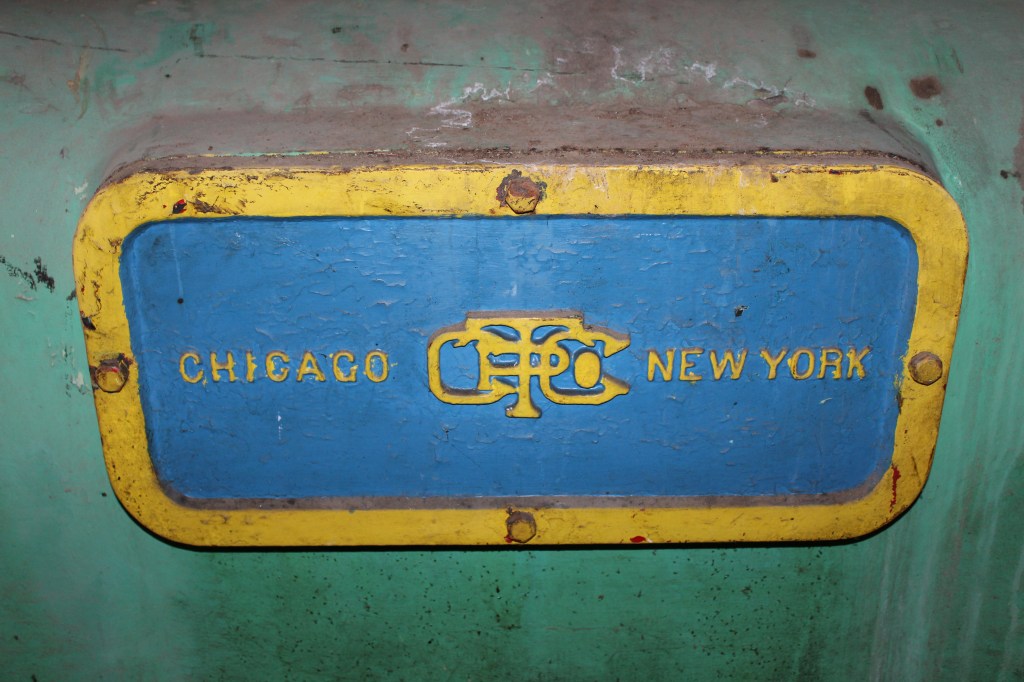
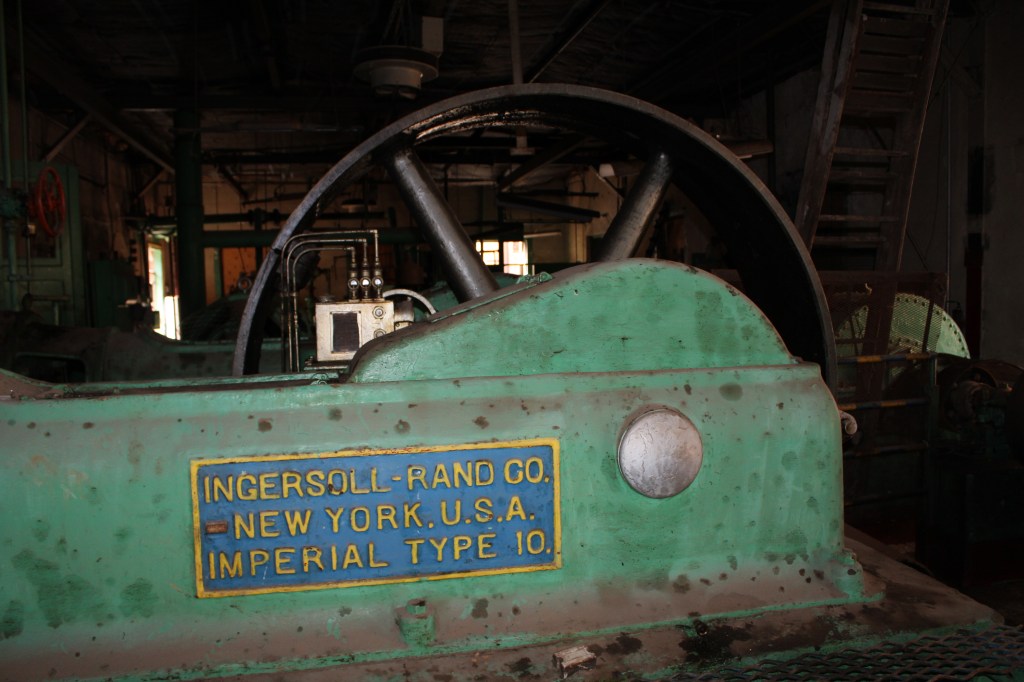

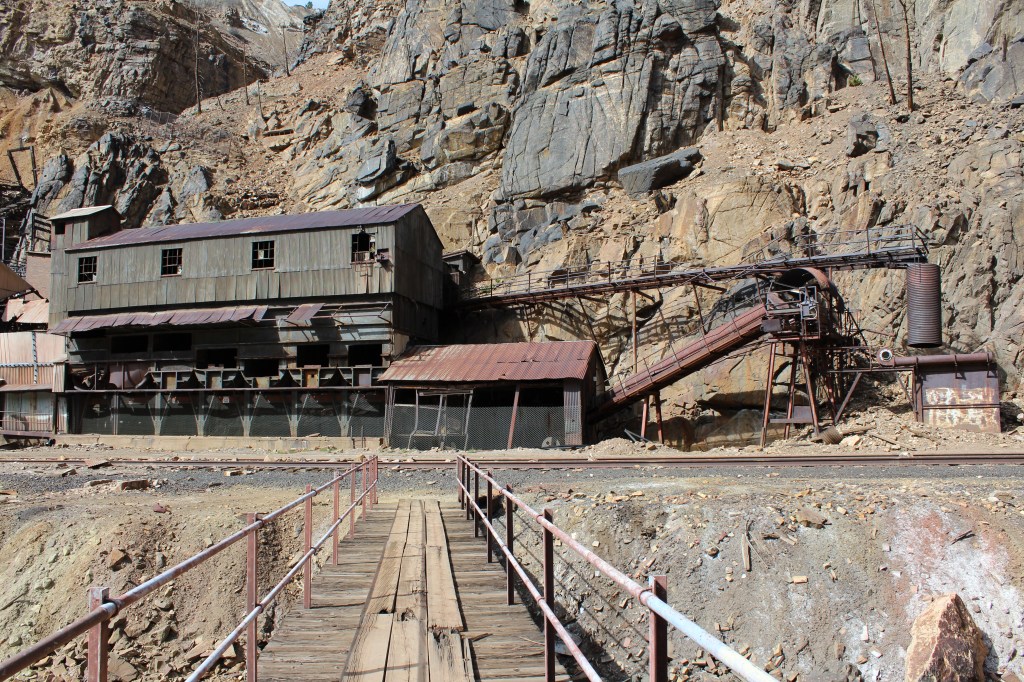

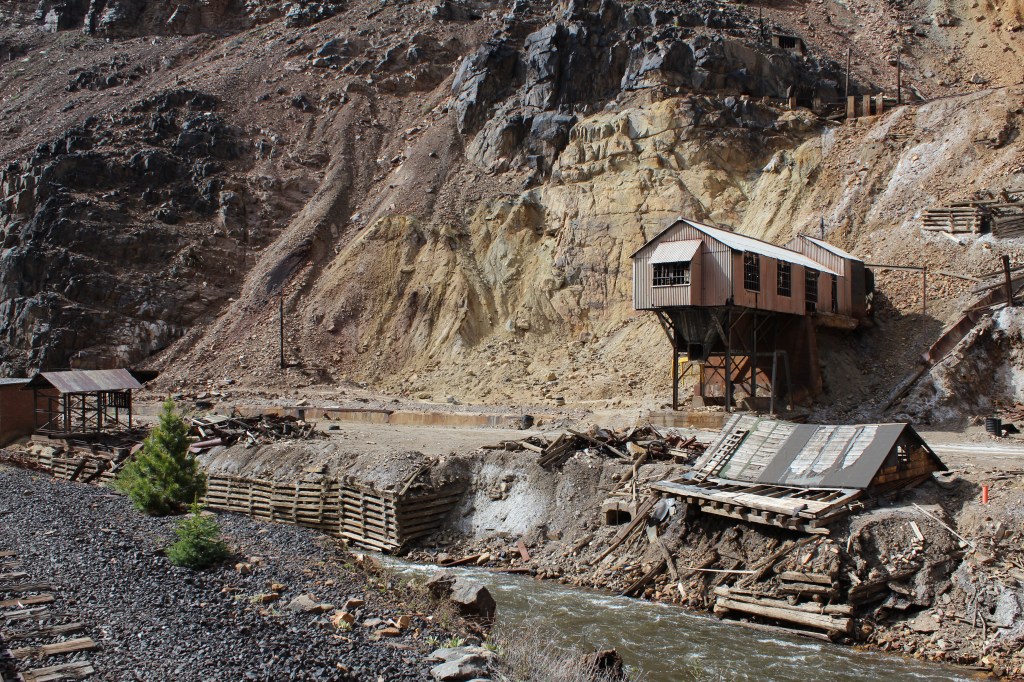

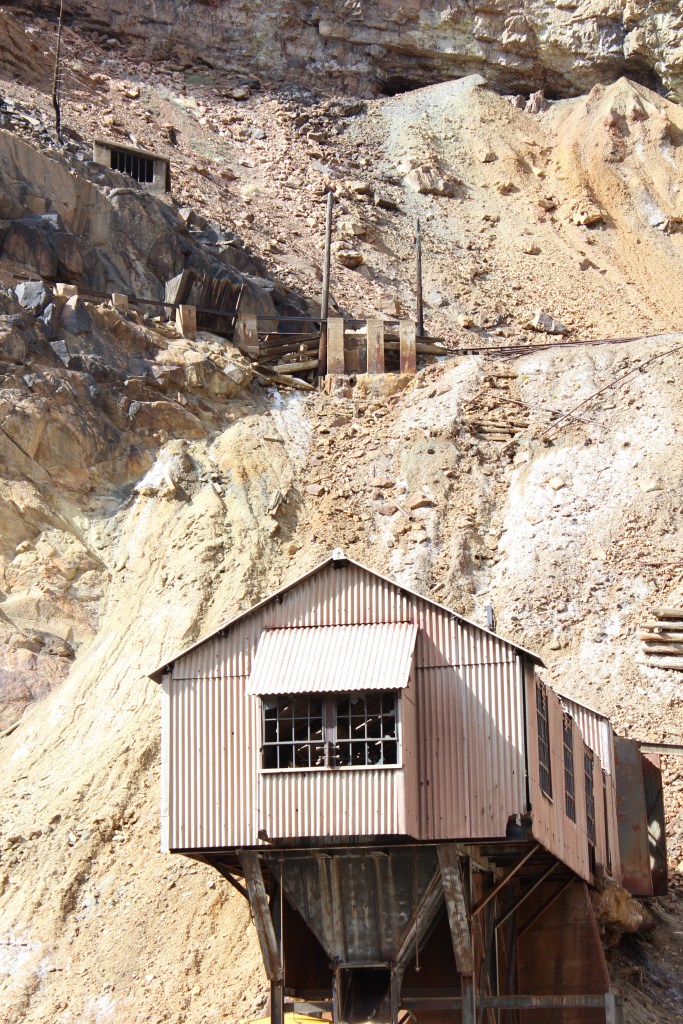
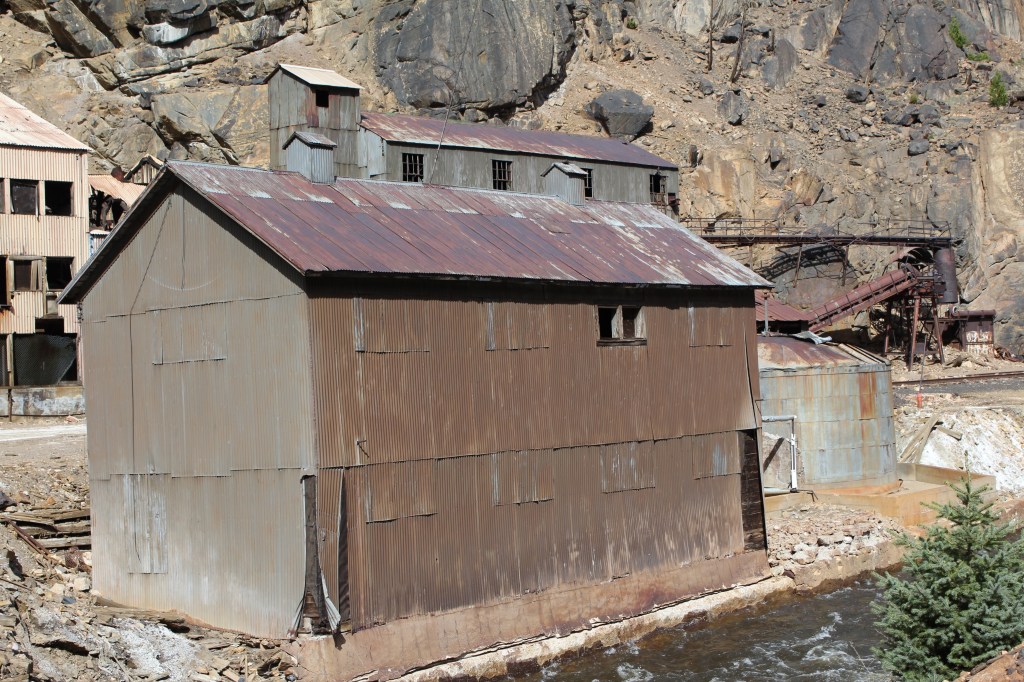

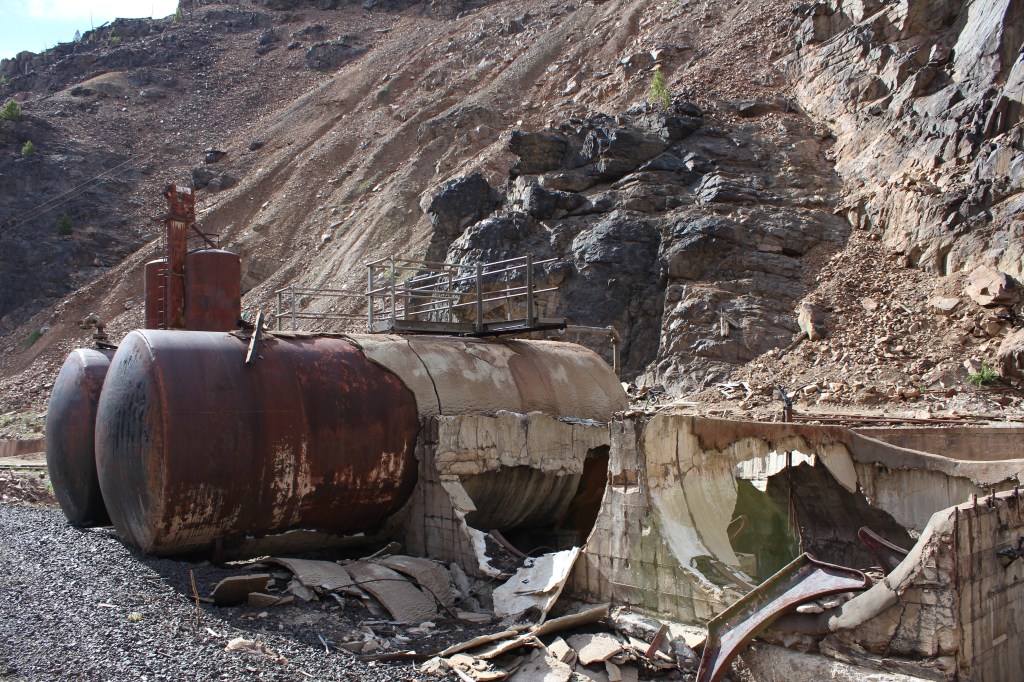

Beyond the 20th century mine, it was back to being just nature and an abandoned railroad. I made it to Fall Creek. There was no easy way to climb up the mountainside that the creek comes down, and there were too many trees to get a good view of the falls/cascades from the railroad tracks; this was the best I could get…

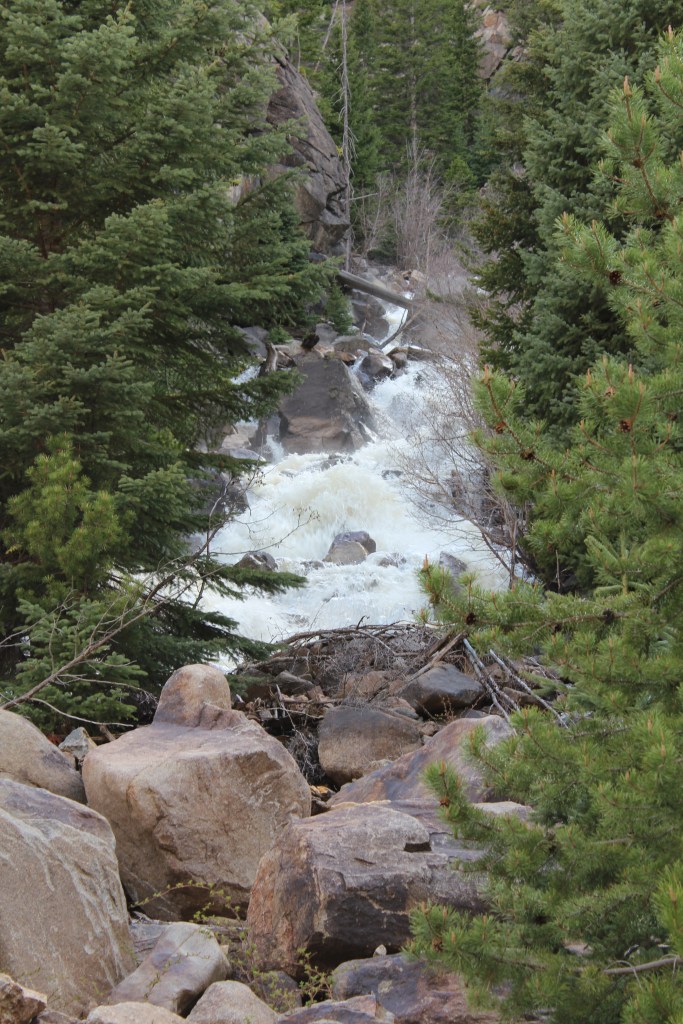

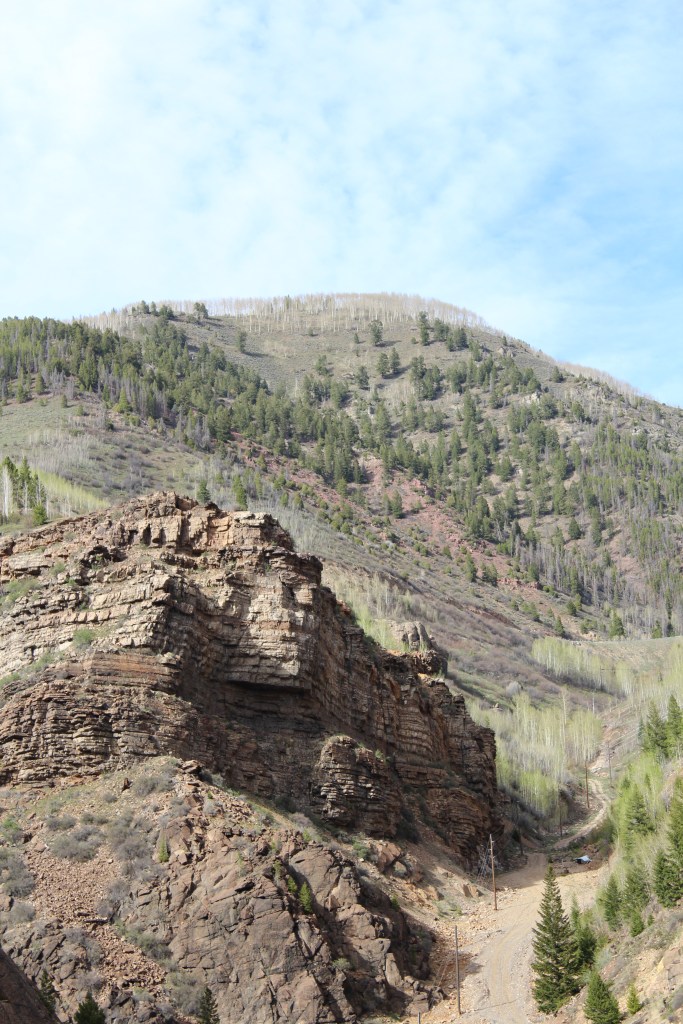


After reaching Fall Creek, I continued through the next tunnel to see if there might be more to see. There was just more canyon scenery – no big waterfalls or mining remnants. The sun was starting to set, so I headed back the way I came. This of course took me back through the mining areas, so I got some more pics there…
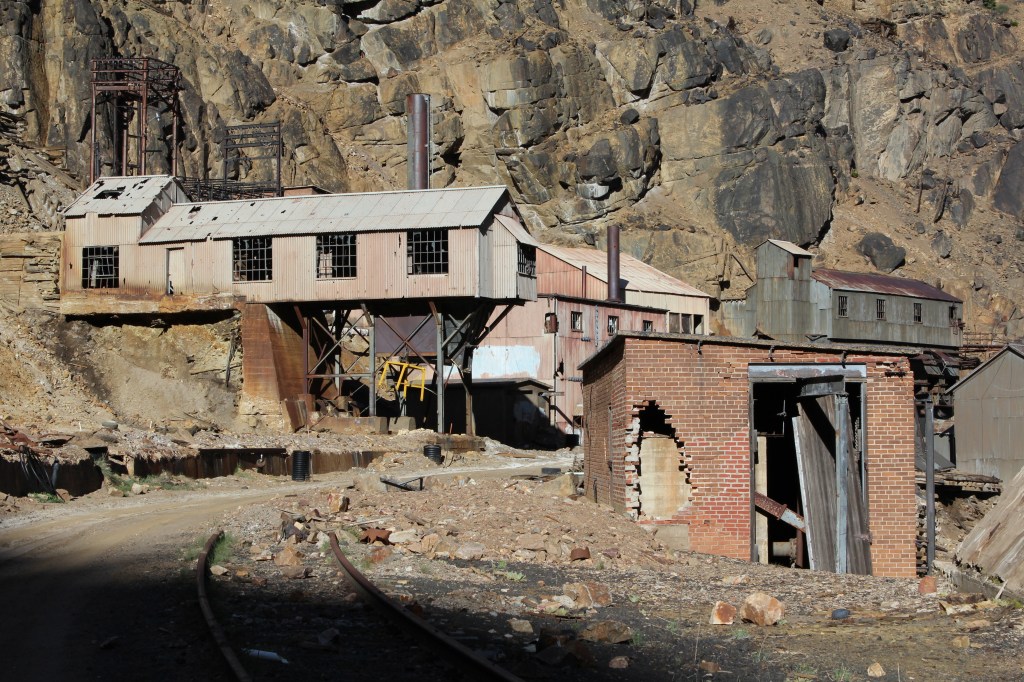
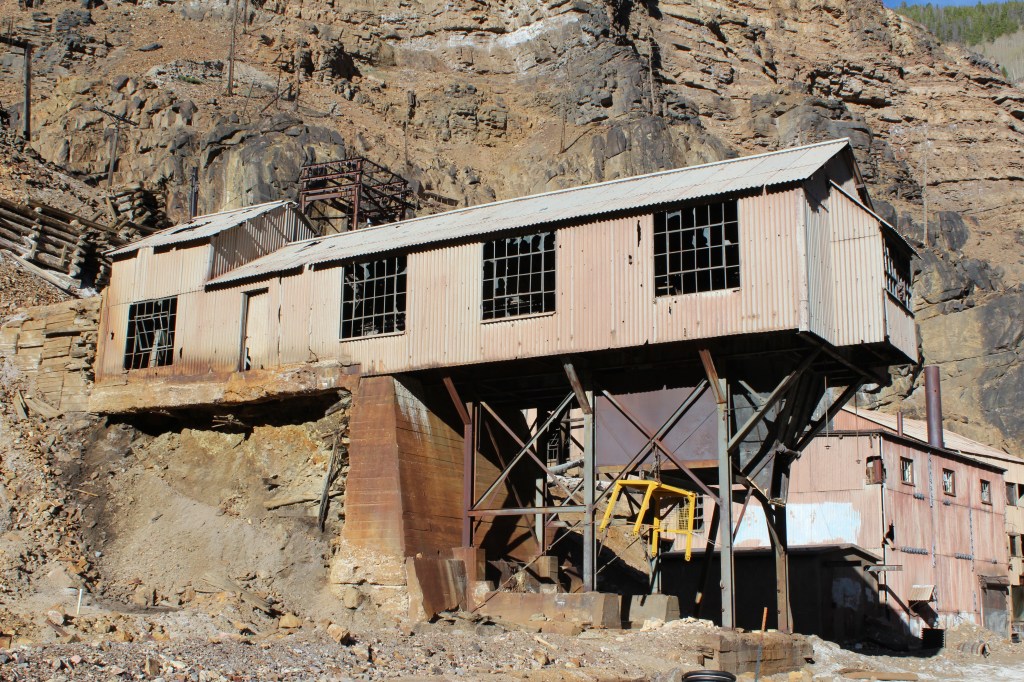


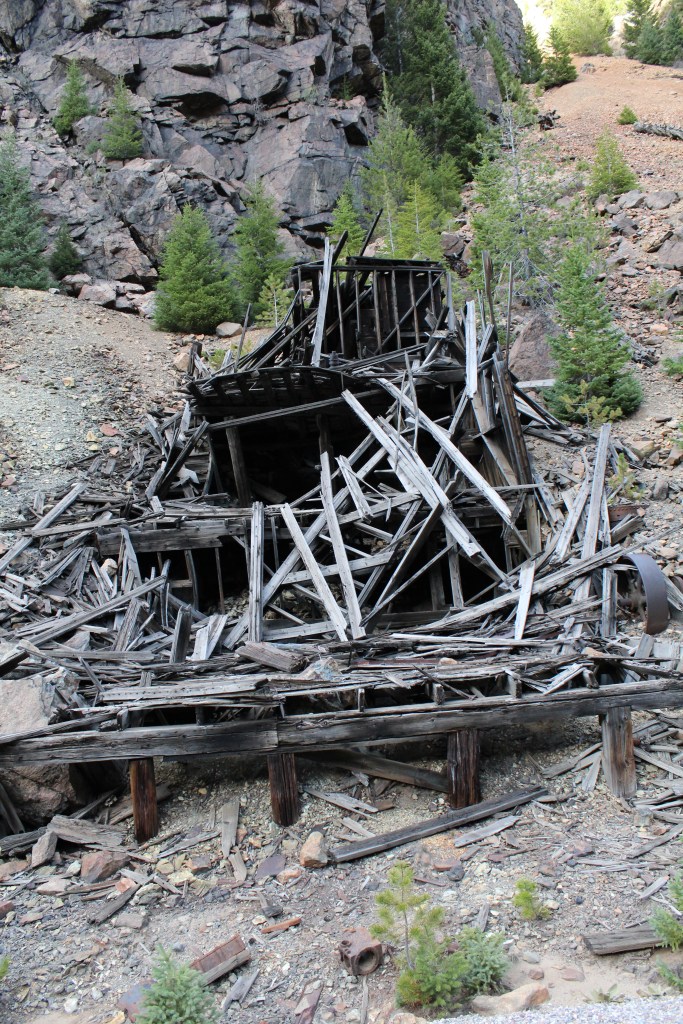
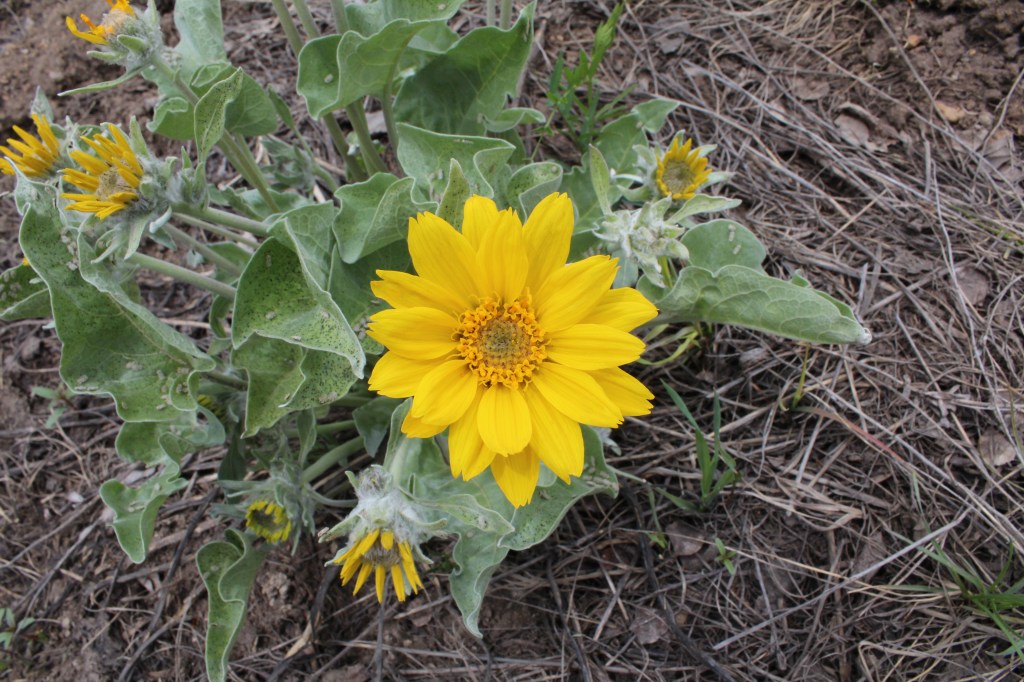
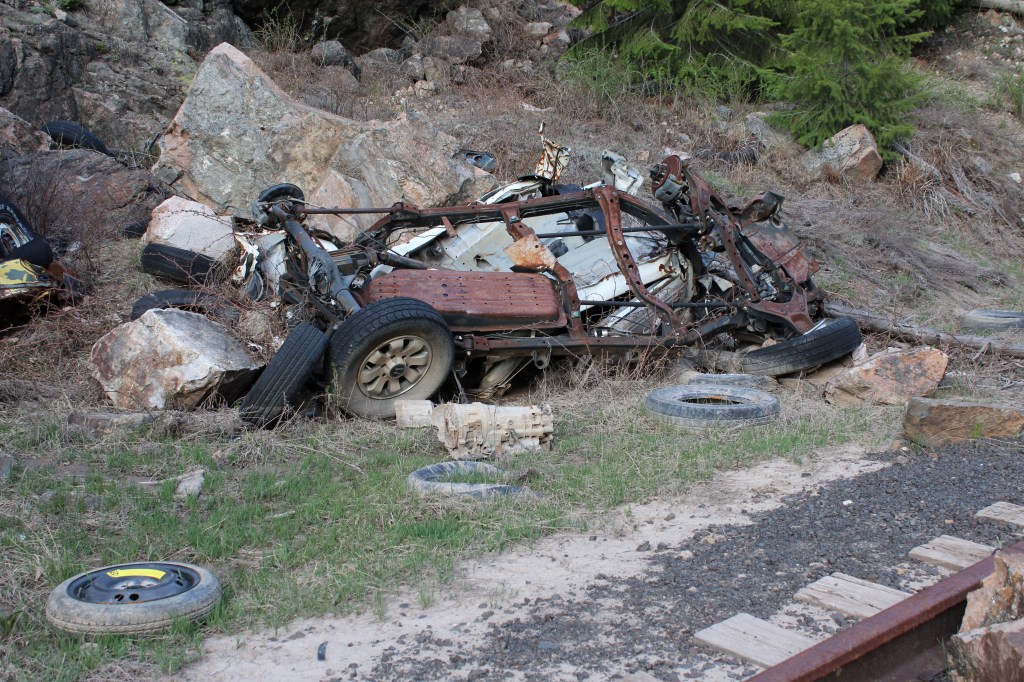
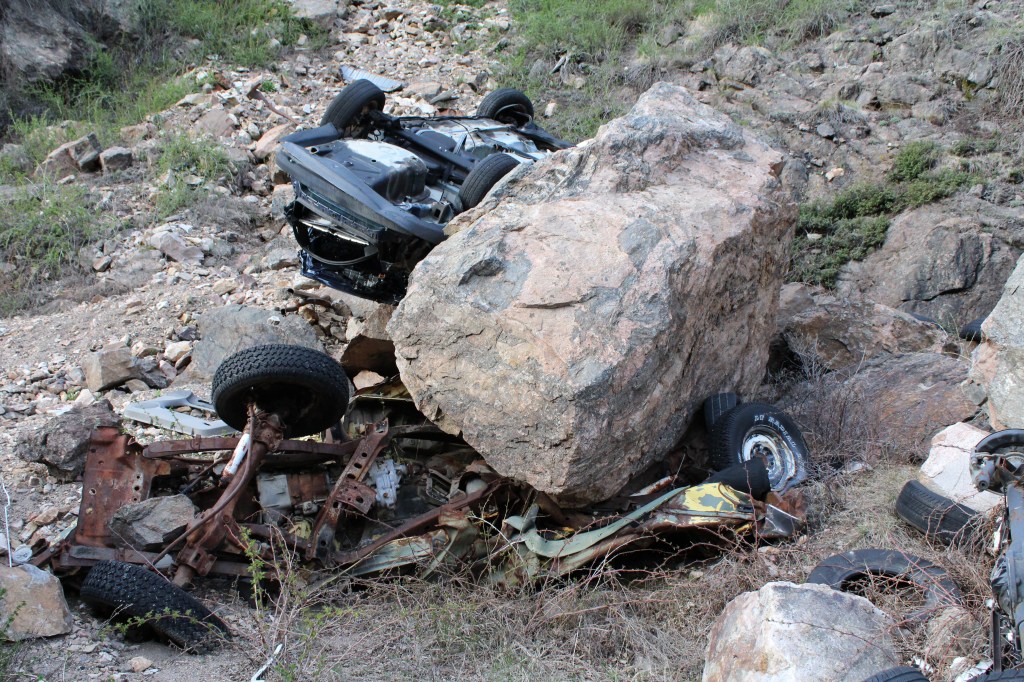
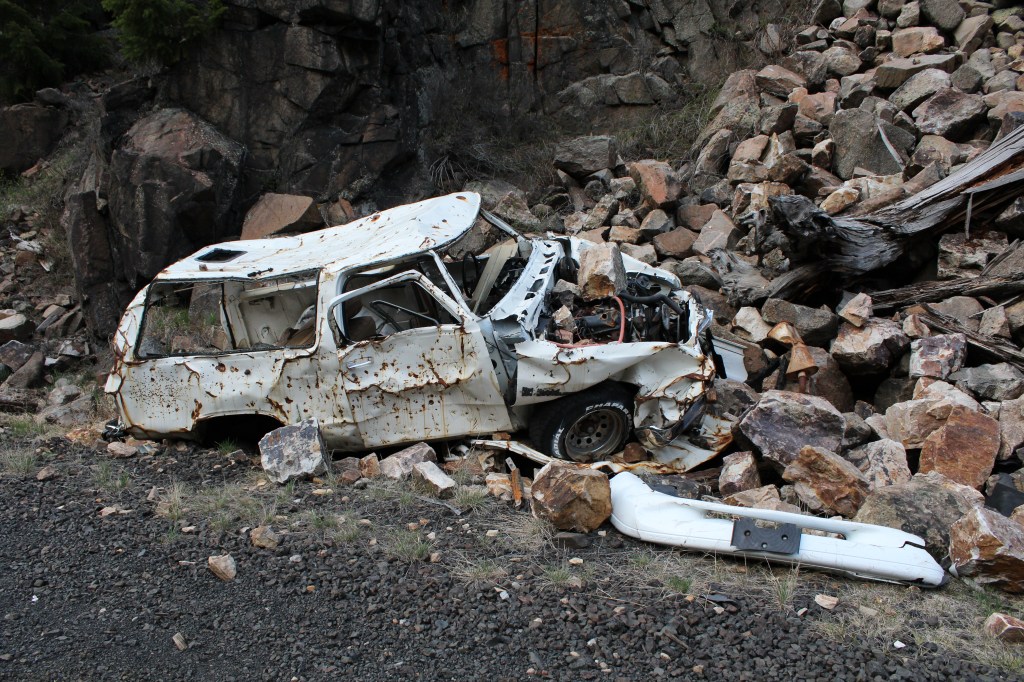
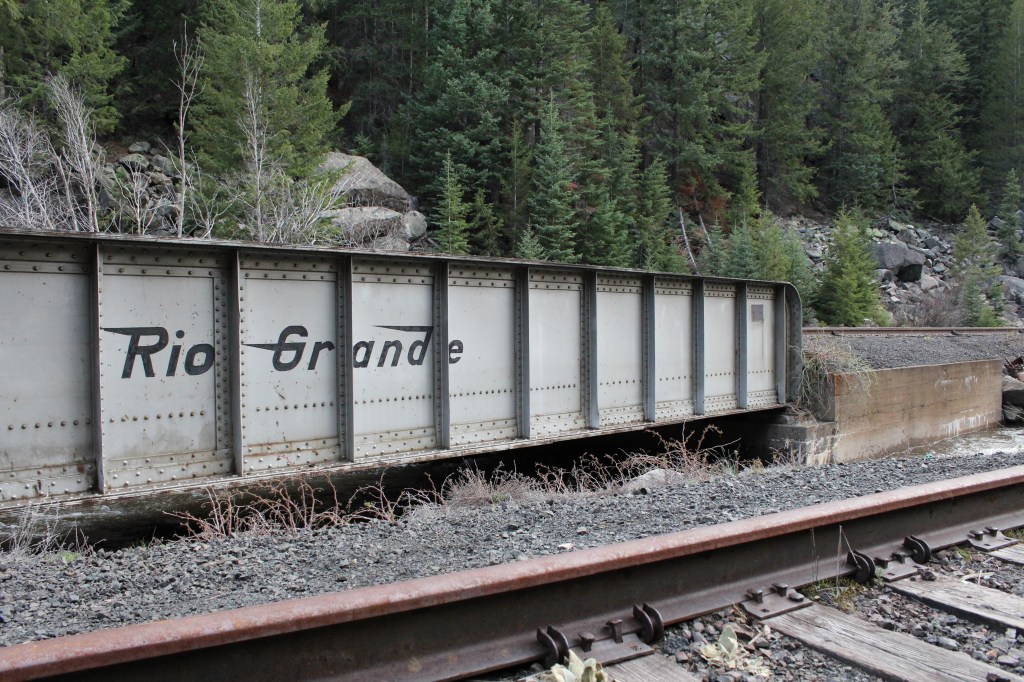
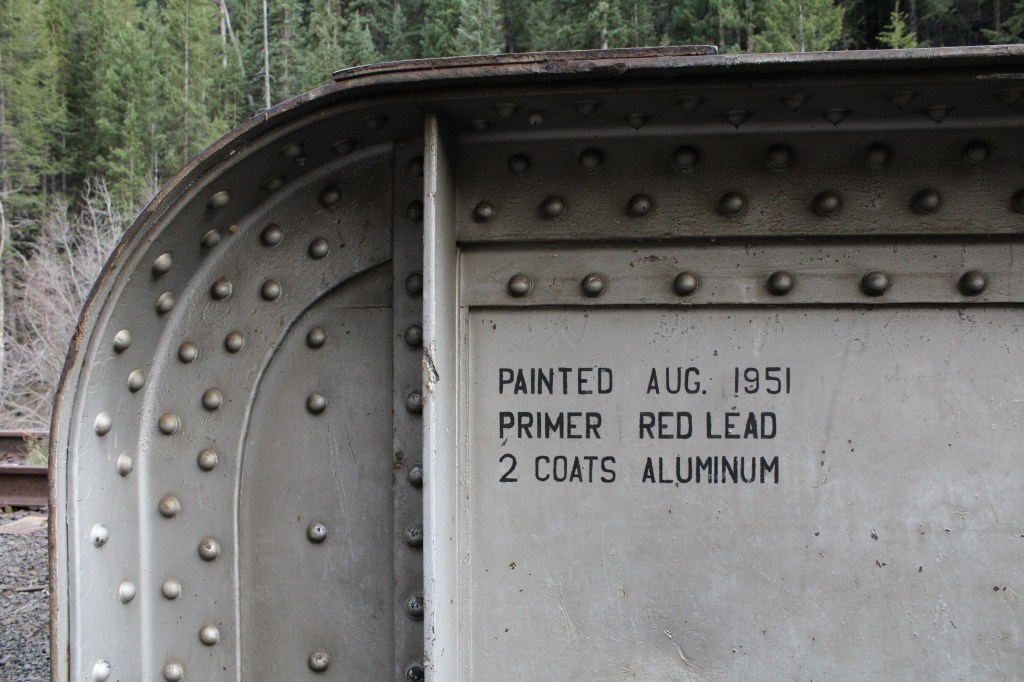
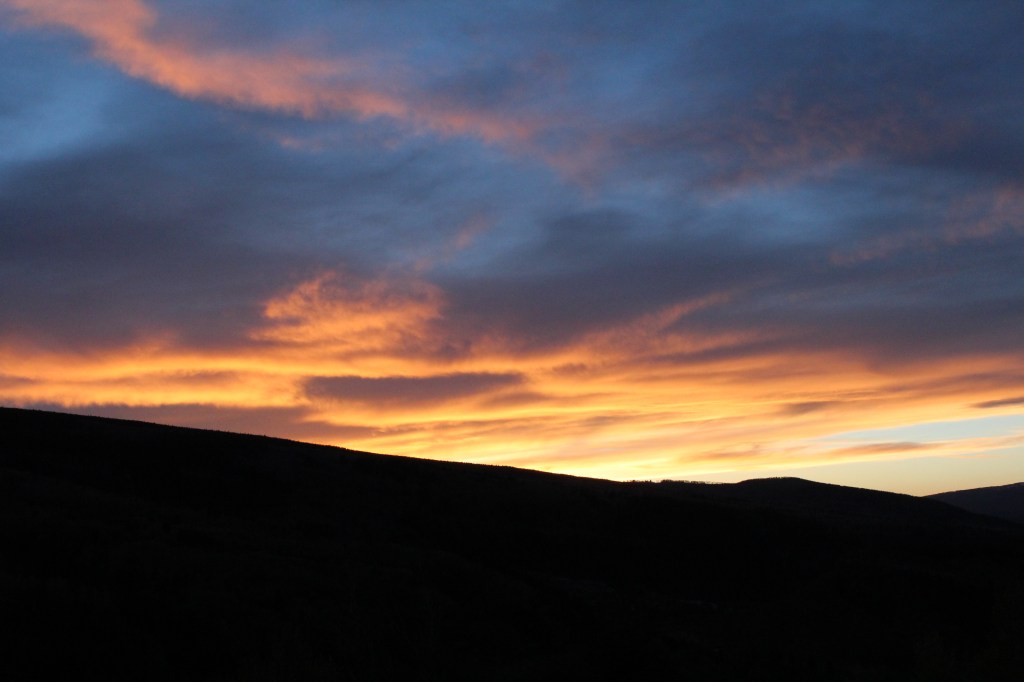
And finally, some random stuff I saw as the day drew to a close…
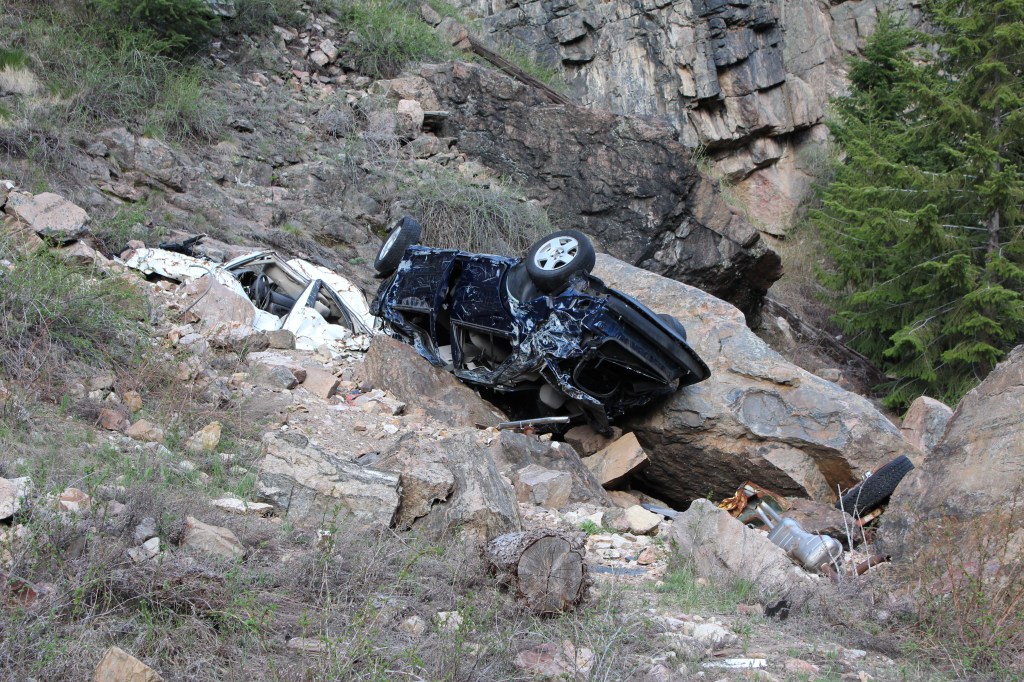

Addendum: Two months after I posted the above, I stumbled across this video on YouTube; these guys explored the industrial part of Gilman to a much greater extent than I did.
 Voyages with Parkinson's
Love these pics so much! You so often take the road less traveled and have a great way of sharing those stories with your readers.
LikeLiked by 1 person